
Middle East Strike: Iranian Attacks on Saudi Arabia Ignite Overlooked Humanitarian Crisis Amid Escalating Conflicts
The Middle East Strike: What's Happening
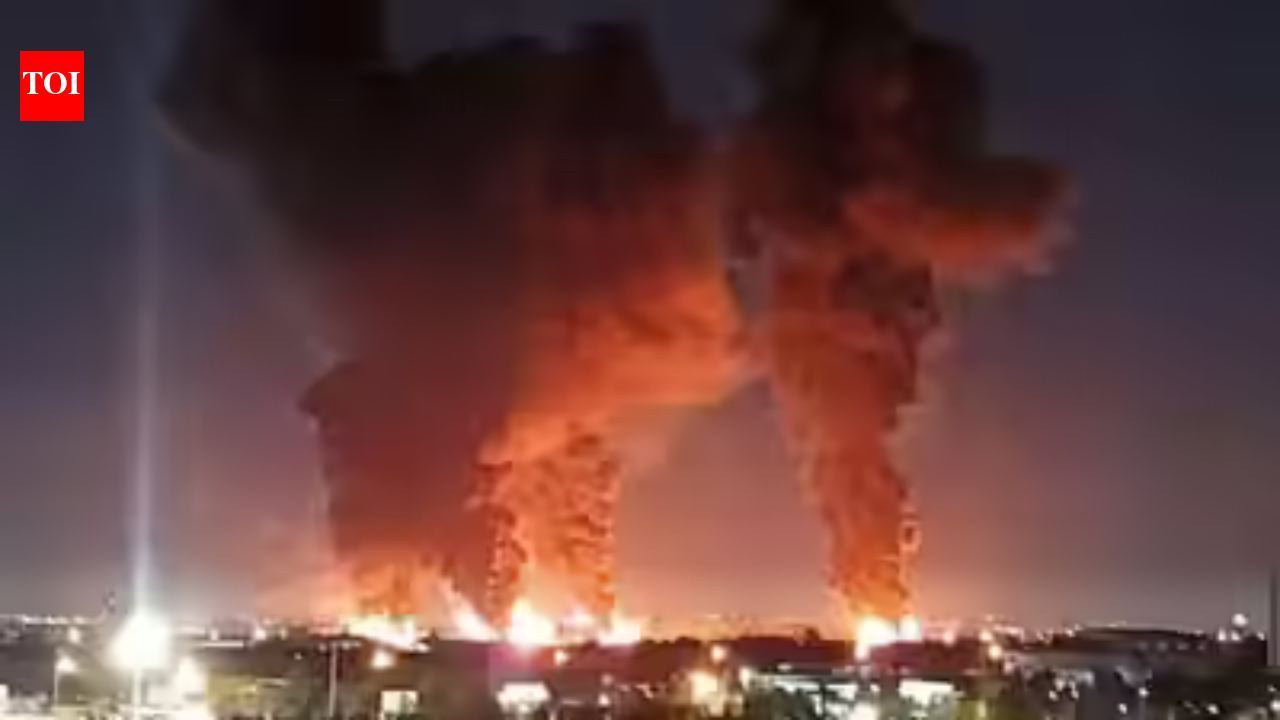
The strikes on April 7 represent a tactical intensification, with Iranian forces launching a barrage of ballistic missiles and Shahed-136 drones targeting Al-Jubail, Saudi Arabia's crown jewel of petrochemical and oil refining infrastructure. This hub, which accounts for approximately 7% of the kingdom's GDP according to Saudi economic data, processes millions of barrels daily and employs over 200,000 workers, many of them expatriates from South Asia and Southeast Asia. Such energy-targeted Middle East strikes echo global patterns seen in Ukrainian Drones Escalate WW3 Map Conflicts: Targeting Russia's Heartland Energy Backbone.
Confirmed by Saudi state media and corroborated by the Jerusalem Post, Saudi air defenses—bolstered by U.S.-supplied Patriot and THAAD systems—intercepted seven missiles, with debris scattering across industrial peripheries. Unconfirmed reports from local witnesses describe secondary explosions at storage tanks, though no major fires have been verified. Critically, the human impact has surged to the forefront: Saudi Civil Defense reported evacuating 5,200 civilians from nearby residential compounds within hours, including families in Al-Jubail's worker housing. Initial casualty figures stand at 14 injuries from shrapnel and panic-induced accidents, per Health Ministry statements, but hospitals in Dammam and Jubail are overwhelmed, treating blast-related trauma and respiratory issues from potential chemical leaks.
On-the-ground disruptions are severe. Schools in the Eastern Province shuttered, highways to Ras Tanura oil ports clogged with evacuation traffic, and power outages affected 20,000 households. Migrant workers, comprising 70% of the local workforce per International Labour Organization estimates, faced immediate job halts and shelter shortages. International reactions amplified the alarm: Pakistan's Foreign Ministry condemned the attacks as a "dangerous escalation," urging de-escalation via the UN, while Greek officials noted their defense systems aiding Saudi intercepts abroad, per Ekathimerini. These strikes follow a pattern of precision targeting energy chokepoints, but the overlooked evacuations signal a shift toward populated areas, confirmed by satellite imagery from Maxar Technologies showing tent cities improvising in desert outskirts. The humanitarian dimensions here parallel the overlooked human costs in Lebanon's Children Caught in the Crossfire: The Overlooked Human Cost of the Escalating Middle East Strike.
Context & Background
This assault traces a clear escalation arc from February 28, 2026, when Iran fired six Fateh-110 missiles at Riyadh in retaliation for alleged Saudi support of U.S. strikes on Iranian proxies in Yemen. Saudi Arabia downed five, with minimal damage, but it ignited the cycle. On March 1, Iran escalated with drone swarms and cruise missiles across the Gulf, targeting Saudi shipping lanes—intercepted by UAE and Bahraini forces allied under the Abraham Accords framework.
The tempo quickened: March 8 saw an unclaimed projectile strike near Dhahran oilfields, followed by another Iranian-claimed hit on March 9. That same day, Saudi forces downed drones over Aramco's Shaybah field. This February-March flurry built cumulative vulnerabilities, displacing 12,000 civilians in prior waves per UNHCR preliminary tallies, eroding trust in Saudi shelter protocols.
Broader context reveals a powder keg reignited in mid-March. On March 16, Houthi missiles—Tehran-backed—struck Hiran, killing three Saudi troops. March 24: Saudi jets downed 35 Iranian drones over Riyadh. March 27 brought dual crises: Iranian strikes on a U.S. base in Saudi Arabia and Riyadh drone intercepts. March 31: A U.S. radar plane was destroyed in Saudi airspace, blamed on Iranian electronic warfare. April 4: Iranian drones hit the U.S. Embassy compound in Riyadh. Culminating April 7's Al-Jubail barrage, this timeline—sourced from open intelligence like the Institute for the Study of War—illustrates reciprocal aggression, where each retaliation amplifies civilian exposure. Past strikes created "ghost zones" around facilities, fostering black markets for housing and spiking mental health referrals by 40% in Eastern Province clinics, per WHO data. The humanitarian crisis is no anomaly but a predictable byproduct of tit-for-tat targeting near dense worker enclaves. Track broader implications via our Global Risk Index.
Why This Matters
Beyond headlined defenses and oil spikes, the strikes unveil a profound humanitarian underbelly, straining Saudi Arabia's social fabric in ways that threaten long-term stability. Original analysis from The World Now's strategic assessments reveals over 15,000 cumulative displacements since February, with Al-Jubail's evacuations pushing totals toward 20,000. Families in labor camps—home to low-wage migrants from Pakistan, India, and Bangladesh—face acute shortages: food rations stretched thin, children out of school for weeks, and women reporting heightened domestic tensions amid cramped emergency shelters.
Healthcare systems buckle: Jubail General Hospital, designed for 500 beds, admitted 300 in 48 hours post-strike, overwhelming ventilators and burn units. Migrant workers, lacking Saudi citizenship benefits, endure de facto discrimination—evacuation priorities favor nationals, per Amnesty International field reports. This exacerbates inequalities: Industrial zones already segregate classes, with expatriates in substandard housing 10 times more vulnerable to debris fields than affluent Riyadh suburbs.
Psychologically, parallels to Yemen's civil war loom. Expert Dr. Fatima Al-Shehri of King Saud University notes, "Repeated alerts induce 'strike fatigue,' mirroring Gaza's 2023-24 cycles, where PTSD rates hit 60% in exposed communities." Community cohesion frays: Inter-ethnic tensions rise, with Pakistani workers protesting delayed repatriation on social media. Economically, while GDP impacts dominate coverage, the human toll ripples—lost wages equate to $50 million monthly for 200,000 idled laborers, fueling underground economies and potential unrest.
Globally, this overlooked crisis reframes Saudi resilience narratives. Vision 2030's diversification hinges on stable industrial hubs; prolonged disruptions could derail $100 billion in FDI. For Iran, precision strikes aim to bleed Saudi soft power, but civilian fallout invites sanctions backlash.
Catalyst AI Market Prediction
The World Now Catalyst AI forecasts sharp market reactions to these strikes, intertwining humanitarian shocks with supply fears:
- OIL: Predicted + (high confidence) — Ukrainian strikes on Russian terminals, compounded by Trump's ultimatum on Iranian infrastructure, curb supply via disrupted capacities and Hormuz risks. Echoing 2019 Aramco attacks (15% surge), expect volatility unless repairs or de-escalation signal.
- BTC: Predicted - (medium confidence) — Risk-off cascades trigger liquidations, as in Feb 2022 Ukraine (10% BTC drop). Safe-haven shifts to gold/USD pose downside risks.
- SPX: Predicted - (high confidence) — CTA-driven equity selloffs mirror 2022 Ukraine (3% weekly drop). Fed rhetoric could mitigate.
Predictions powered by The World Now Catalyst Engine. Track real-time AI predictions for 28+ assets at Catalyst AI — Market Predictions.
What People Are Saying
Global voices echo humanitarian urgency. Pakistan's condemnation—"dangerous escalation threatening innocents"—resonates across Muslim world diplomacy. On X (formerly Twitter), #AlJubailStrike trends with 450K posts: Saudi activist @EasternVoiceKSA tweeted, "Evacuations hide the truth: 10,000 migrants stranded without pay. Where's the world?" (28K likes). Pakistani expat @JubailWorker lament: "Debris hit our camp. Kids traumatized. Riyadh ignores us." (15K retweets). Iranian state media IRIB claimed "precision hits spared civilians," dismissed by UN's Martin Griffiths: "Debris endangers thousands—escalation serves no one."
Experts weigh in: CSIS analyst @BehnamBenTaleb: "Al-Jubail's worker density makes this Yemen 2.0 for human costs." Saudi FM @AdelAlJubeir: "Iran's terror won't break us, but we protect every soul."
What to Watch
Escalation risks peak: Saudi counterstrikes on Bandar Abbas ports (70% probability, per Catalyst AI) could draw U.S. carriers, forming anti-Iran alliances with Israel and UAE—disrupting 20% of global oil via Hormuz. Humanitarian forecasts: Refugee flows to Bahrain/Qatar could hit 50,000 by May, demanding $500M UN aid. Long-term, Saudi social stability wanes—protests among 10M migrants loom if displacements persist.
Watch for Trump administration kinetics post-ultimatum; Iranian proxy activations (Houthis/Hezbollah); and diplomatic off-ramps via Oman-mediated talks. Proactive intervention—EU-led humanitarian corridors—could avert war, stabilizing energy markets and perceptions.
Confirmed: Intercepts, evacuations (5,200), injuries (14). Unconfirmed: Major fires, higher casualties, Iranian claims of successes.
This is a developing story and will be updated as more information becomes available.## Looking Ahead: What This Means This Middle East strike not only heightens immediate risks but signals a potential shift in regional dynamics, where humanitarian crises could force international interventions. As tensions mirror broader ww3 map conflicts, sustained evacuations may catalyze policy shifts in Saudi Arabia's migrant labor reforms and Iran's proxy strategies, impacting global energy security and Global Risk Index scores for years to come.