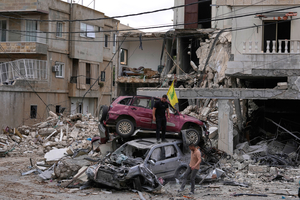

Strikes in Ukraine resume as Russia attacks after truce.
Russia launched strikes against Ukraine shortly after the expiration of a 72-hour truce, marking a swift return to hostilities in the ongoing conflict.[4] Ukrainian President Zelenskyy criticized the strikes for targeting civilians and lacking military logic, following a ceasefire to mark the Soviet victory in World War Two.[1] Ukraine responded by striking Russian targets in occupied Donetsk Oblast after the renewed attacks.[2] Drones reportedly hit Russia's Orenburg, which is approximately 1,200 kilometers from Ukraine.[3] The strikes occurred just hours after the truce ended, as reported across multiple outlets.[1][4]
The Recent Truce and Its Expiration
The 72-hour truce represented a brief pause in the intense military engagements between Russia and Ukraine, specifically timed to commemorate the Soviet victory in World War Two.[1] This ceasefire, lasting three days, was intended to allow for a momentary halt in operations, reflecting historical significance amid contemporary warfare.[1] However, its expiration did not lead to prolonged de-escalation. Instead, Russian forces initiated strikes against Ukraine mere hours after the truce concluded, underscoring the temporary nature of such agreements in this protracted conflict.[4]
Reports from global monitoring sources confirm that the truce ended without any extension, and the immediate resumption of strikes highlighted the challenges in achieving lasting ceasefires.[4] The timing—published reports dated around May 12—places these events in a precise window where expectations for continued restraint quickly dissipated.[4] This pattern aligns with previous instances where short-term truces have failed to bridge deeper strategic divides. Ukrainian officials, anticipating potential violations, had prepared contingencies, but the rapid shift back to active combat operations caught attention for its abruptness.[1][4]
The purpose of the truce, tied to the WWII commemoration, added a layer of symbolic weight, yet it did little to alter the underlying dynamics of the confrontation.[1] Sources indicate that both sides adhered to the pause during its duration, but the post-truce environment reverted swiftly to pre-ceasefire intensity.[4] This expiration set the stage for criticism from Ukrainian leadership, who viewed the subsequent actions as not only untimely but also strategically questionable.[1] Detailed tracking of these events reveals a cycle where humanitarian or commemorative pauses often serve as preludes to renewed offensives, a trend evident in the hours following the 72-hour mark.[1][4]
Russian Military Actions in Ukraine
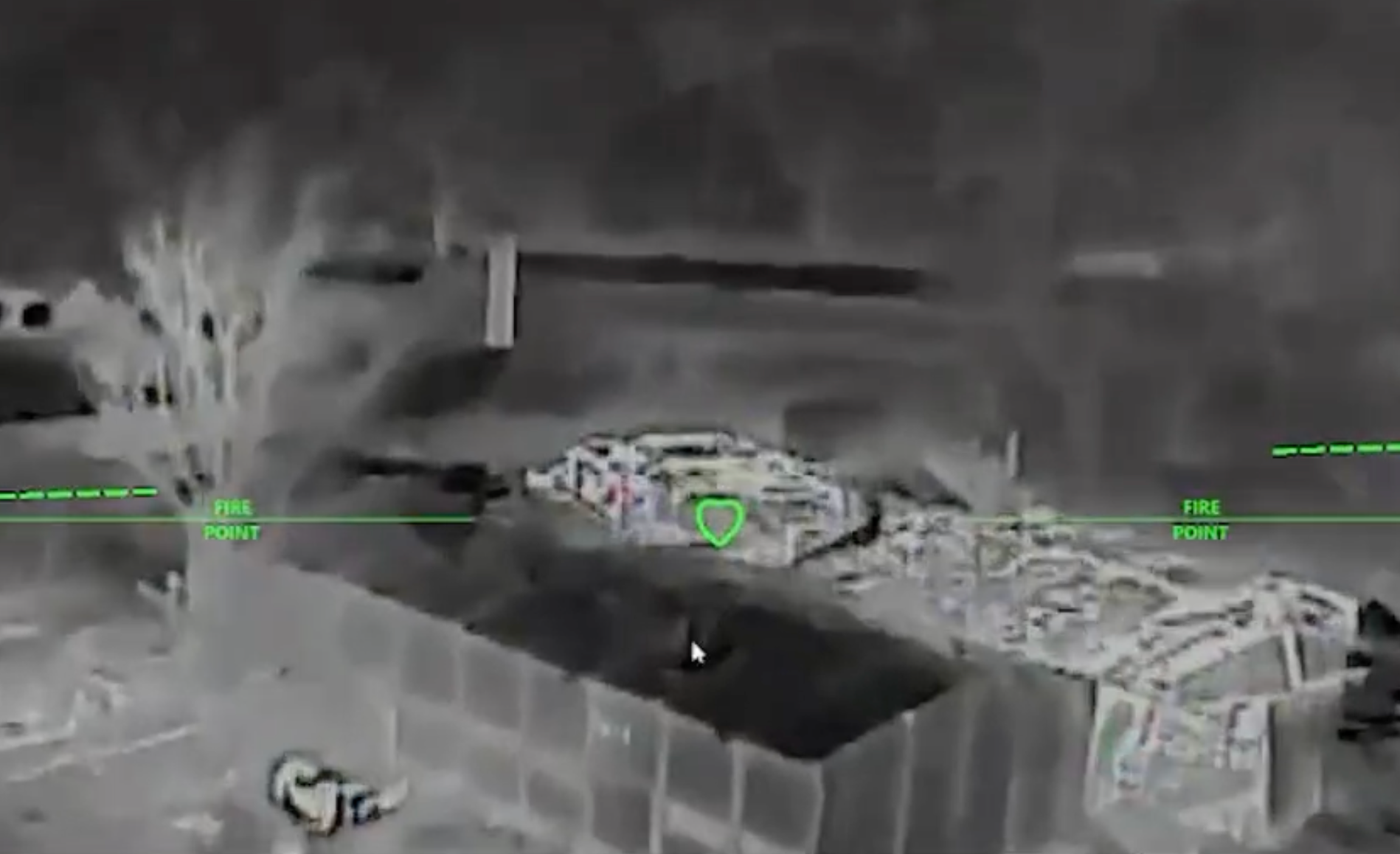
Ukrainian forces strike Russian targets in occupied Donetsk Oblast. — Source: kyivindependent
Russia's military actions resumed with strikes targeting Ukrainian positions and reportedly civilians shortly after the truce's end, drawing sharp rebukes for their nature and timing.[1][4] Described by Ukrainian President Zelenskyy as "devoid of all military logic," these attacks focused on areas where civilian presence was significant, raising concerns over proportionality and intent.[1] The strikes came in the immediate aftermath of the three-day ceasefire, which had been observed to honor the Soviet role in defeating Nazi Germany during World War Two.[1]
Multiple reports detail how Russian forces launched these operations just hours post-truce, hitting various Ukrainian targets.[4] This rapid escalation contradicted any hopes for de-escalation, as the actions appeared to prioritize offensive momentum over restraint.[1][4] Zelenskyy's public statement emphasized the civilian toll, framing the strikes as lacking justifiable strategic value amid the conflict's broader context.[1] The precision—or lack thereof—in targeting has been a recurring theme in analyses of such operations, with this instance amplifying criticisms due to the recent truce.[1]
The strikes in Ukraine not only resumed hostilities but also tested the resilience of Ukrainian defenses post-pause.[4] Sources monitoring global events noted the French-language report confirming the launch against Ukraine, aligning with English-language accounts of civilian impacts.[1][4] This synchronization across outlets lends credibility to the timeline: truce expiration followed by immediate strikes. The military logic critique from Zelenskyy points to a perceived randomness or punitive element, where strikes hit non-combat areas without clear advancement of territorial or operational goals.[1]
In depth, these actions reflect a pattern where post-truce periods become windows for reasserting pressure, potentially to disrupt Ukrainian regrouping efforts.[4] The involvement of various strike capabilities, though not specified beyond general terms, underscores Russia's sustained capacity for rapid deployment post-pause.[1][4] Ukrainian responses were inevitable in this context, but the initial Russian moves set a tone of aggression that dominated early reporting.[1]
Ukrainian Responses to the Attacks
Ukraine's military responded decisively to the renewed Russian strikes by targeting Russian positions in occupied Donetsk Oblast.[2] This counteraction came directly after the attacks, as confirmed by reports citing 'Madyar,' a source familiar with operational details.[2] The strikes on Russian targets in the occupied region represent a tit-for-tat escalation, aimed at countering the pressure exerted post-truce.[2]
The Kyiv Independent detailed how Ukraine launched these operations in response to the fresh hostilities, focusing on areas under Russian control within Donetsk Oblast.[2] This oblast has been a focal point of contention, with occupied territories serving as strategic assets for both sides.[2] 'Madyar''s account provides on-the-ground insight, emphasizing the reactive nature of Ukraine's moves—directly tied to the renewed attacks from Russia.[2]
Analysis of this response highlights Ukraine's operational agility, shifting from defensive postures during the truce to offensive strikes once violated.[2] The choice of Donetsk Oblast targets suggests an intent to disrupt Russian logistics and presence in contested zones, leveraging intelligence on vulnerabilities exposed post-ceasefire.[2] Repeated reporting from the source reinforces the immediacy: Ukraine strikes followed "after renewed attacks," maintaining pressure parity.[2]
These counter-strikes illustrate a broader strategy of retaliation that deters further aggression, grounded in the immediate context of truce breakdown.[2] While specifics on weaponry or exact locations remain tied to the cited reports, the emphasis on occupied territories points to efforts reclaiming initiative in key frontline areas.[2] This exchange perpetuates the cycle observed in the conflict, where one side's actions prompt calibrated responses from the other.[2]
Incidents Outside Ukraine's Borders
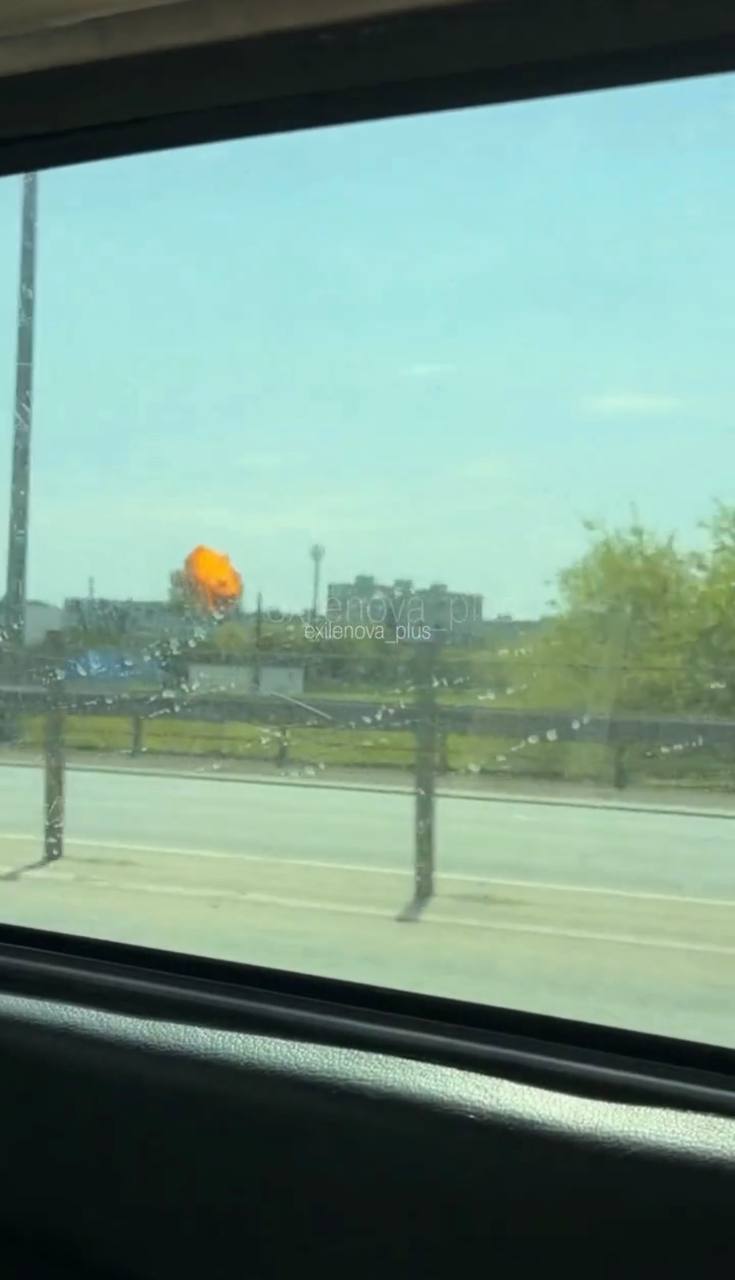
Drones reportedly strike Russia's Orenburg, 1,200 kilometers from Ukraine. — Source: kyivindependent
Drones reportedly struck Russia's Orenburg region, located approximately 1,200 kilometers from Ukraine, extending the conflict's reach deep into Russian territory.[3] The Kyiv Independent reported this incident amid the broader resumption of strikes, noting the significant distance that underscores the range of Ukrainian drone capabilities.[3]
Orenburg's position far from the frontlines highlights how aerial operations can bypass traditional ground-based defenses, affecting areas well beyond immediate border zones.[3] Reports confirm the drones hit the city, with the 1,200-kilometer metric emphasizing the strategic depth achieved.[3] This event coincides temporally with the post-truce escalations, suggesting coordinated or opportunistic strikes in response to Russian actions.[3]
The incident outside Ukraine's borders represents a demonstration of long-range precision, challenging Russian air defense networks over vast distances.[3] Source details repeatedly affirm the location and distance, framing Orenburg as a notable target due to its remoteness from the primary theater.[3] Such strikes add psychological and logistical pressure, forcing Russia to allocate resources to rear-area protection.[3]
In context, this aligns with evolving tactics where drones enable asymmetric responses, hitting high-value or symbolic sites far afield.[3] The reporting's focus on "reportedly hit" indicates ongoing verification, but the consistency across dispatches solidifies the event's occurrence.[3]
Reactions from Ukrainian Leadership
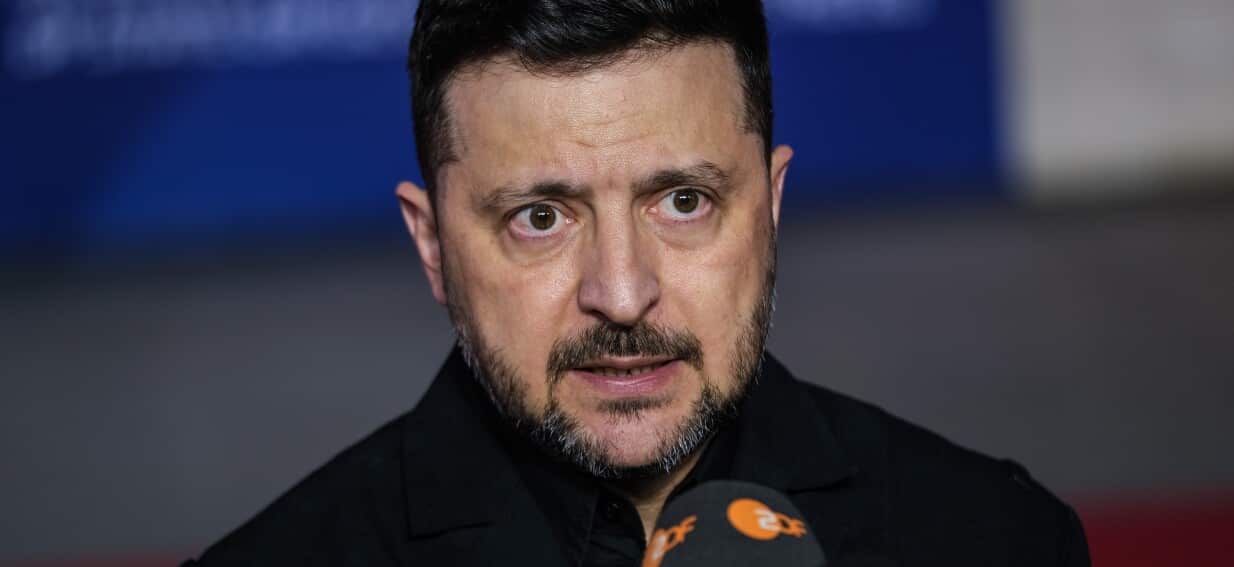
Ukrainian President Zelenskyy issued a strong condemnation of the Russian strikes, labeling them "devoid of all military logic" and highlighting their impact on civilians.[1] This reaction came swiftly following the attacks that targeted non-military areas post-truce, framing them as unjustifiable in strategic terms.[1]
Zelenskyy's statement, covered by SBS Australia, fumes at the civilian targeting after the WWII commemorative ceasefire.[1] His words capture frustration over the strikes' apparent disregard for humanitarian considerations, especially given the recent pause.[1] The critique of military logic suggests a view that the operations yielded no tangible gains, instead provoking backlash and countermeasures.[1]
Leadership responses like this serve to rally domestic support and draw international attention, positioning Ukraine as defending against illogical aggression.[1] Zelenskyy's emphasis on civilians underscores a narrative of disproportionate force, resonant amid the truce's symbolic timing.[1] This public fuming reflects calculated diplomacy, blending outrage with calls for accountability.[1]
Technological Dimensions in the Drone Strikes
The use of drones in strikes, such as those reaching Orenburg, ties into advancements popularized during the war in Ukraine.[3][5] Fiber-optic drones, noted for their difficulty to intercept, have gained prominence, with their adoption extending to other conflicts like Hezbollah's against Israel.[5] These devices, easier to operate than video games, represent a technological evolution stemming from Ukraine battlefield innovations.[5]
Reports on Orenburg highlight drone efficacy over 1,200 kilometers, aligning with descriptions of resilient systems hard to shoot down.[3][5] The war in Ukraine has been a testing ground for such tech, influencing global militant tactics.[5] This dimension adds depth to border-incident analysis, showing how Ukrainian-adopted tools enable far-reaching responses.[3][5]
What to watch next: Further Ukrainian counter-strikes in occupied areas like Donetsk Oblast or additional drone operations targeting distant Russian sites, as patterns post-truce indicate sustained tit-for-tat actions.[2][3]