
Commodity Forecast
Silver price prediction 2026: AI-powered XAG/USD forecast and geopolitical outlook
Catalyst combines live geopolitical event processing with industrial demand analysis and precious metals market signals to generate directional forecasts for silver. The predictions below reflect the most recent event-driven signals for XAG/USD.
AI predictions
Commodity and precious metals forecasts
Global Risk Index
|conflict and infrastructure are driving the current global risk posture.
Catalyst highlights
Events driving silver price predictions
CRYPTO / WATCH
Crypto markets face volatility amid geopolitical tensions and innovations
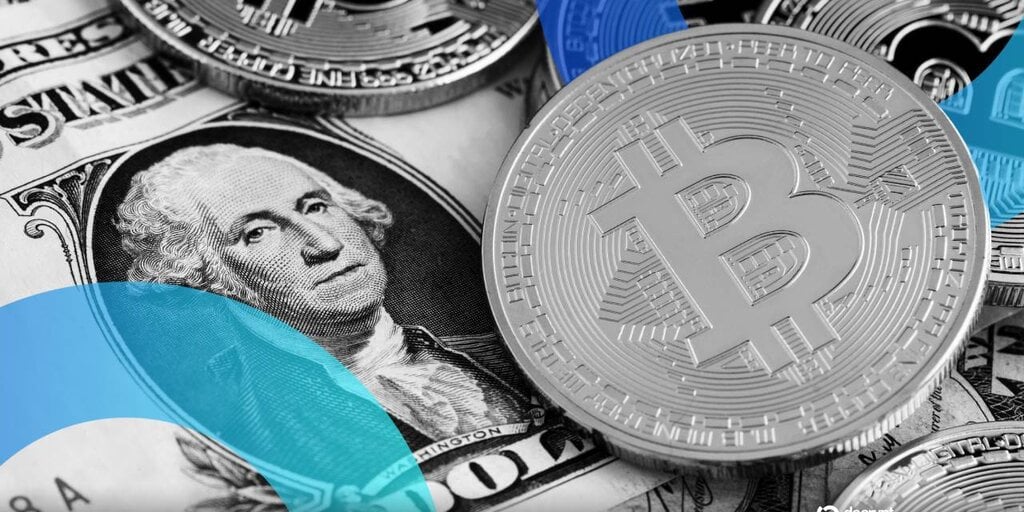
Recent articles highlight Bitcoin's resilience despite global conflicts and regulatory scrutiny. Tokenization advancements in Hong Kong and new funding for crypto infrastructure signal growing integration into traditional finance.
MACRO / HIGH
Aircraft Event Raises Safety and Market Concerns
A recent aircraft incident has highlighted potential flaws in manufacturing processes. This could lead to increased regulatory scrutiny and volatility in aviation stocks.
CRYPTO / WATCH
Crypto markets volatile amid regulations, outflows, and tech advances
Crypto funds saw $414 million in outflows due to inflation fears and global tensions, with regulators warned on Bitcoin rules. Ethereum staking accelerates and new platforms for tokenized assets emerge, hinting at future growth.
EQUITIES / CRITICAL
FAA Implements Safety Changes After Deadly DC Mid-Air Collision
A mid-air collision between an American Airlines jet and a US Army Black Hawk helicopter near Washington D.C. killed 67 people, highlighting ignored safety warnings. This incident has prompted the FAA to restrict helicopter traffic, potentially impacting aviation regulations and stock values.
COMMODITIES / CRITICAL
Vanuatu Earthquakes Threaten Regional Stability and Global Markets
A series of earthquakes, including a 7.3 magnitude event near Luganville, struck Vanuatu, potentially causing significant damage and aftershocks. This could disrupt Pacific trade routes and impact insurance sectors worldwide.
COMMODITIES / LOW
Earthquake in Kermadec Islands Disrupts New Zealand Economy
A 4.7 magnitude earthquake struck the Kermadec Islands at a depth of 55.2km, potentially affecting regional stability. This event could lead to market fluctuations in insurance and tourism sectors, impacting overall economic activity.
Related trackers
Silver AI Prediction
Live AI-powered XAG/USD forecast with event-driven analysis.
Gold Prediction
AI-powered gold (XAU/USD) forecast driven by geopolitical signals.
Stock Market Prediction
S&P 500, Nasdaq, and Dow Jones AI forecasts.
Crypto Prediction
Bitcoin, Ethereum, and 15+ crypto forecasts.
Geopolitical Risk
Live global threat assessment affecting commodity markets.
Catalyst Platform
Full AI-powered market intelligence across 28 global assets.
About this tracker
Silver Price Outlook for 2026
The silver price outlook for 2026 reflects a metal pulled in multiple directions simultaneously — by monetary policy, industrial demand, geopolitical risk, and its historical role as a store of value. Unlike gold, which is primarily a monetary and reserve asset, silver occupies a unique dual role as both a precious metal and an industrial commodity. Roughly 50% of annual silver demand comes from industrial applications, with the remainder split between investment, jewelry, and silverware.
This dual nature makes silver price prediction more complex than forecasting gold alone. When industrial demand and safe-haven demand move in the same direction — as they do during inflationary periods with strong manufacturing activity — silver can outperform gold dramatically. When they diverge — during recessions that suppress industrial consumption while boosting safe-haven flows — silver's performance becomes harder to predict because the opposing forces partially cancel each other out.
The gold-to-silver ratio, which measures how many ounces of silver it takes to buy one ounce of gold, is one of the most closely watched metrics in precious metals markets. Historically, this ratio has averaged around 60-65 over long periods, but it has ranged from under 20 (during silver squeezes) to over 120 (during risk-off panics when gold outperforms). When the ratio is elevated, silver is considered undervalued relative to gold, creating a potential mean-reversion trade that has attracted both institutional and retail capital.
The Catalyst platform tracks silver alongside 27 other global assets, connecting live geopolitical events to their impact on precious metals markets in real time. Visit the dedicated silver asset page for the latest AI-generated directional prediction.
Silver Industrial Demand: The Green Energy Factor
Silver's industrial demand profile has been transformed by the global energy transition. Solar photovoltaic panels are the single largest and fastest-growing source of industrial silver demand, consuming approximately 140-170 million ounces per year — a figure that has roughly tripled over the past decade. Each standard solar panel contains approximately 20 grams of silver paste, used for its unmatched electrical conductivity to form the cell's contact fingers and busbars.
The scale of projected solar installations implies sustained, structural growth in silver consumption. The International Energy Agency projects that global solar capacity will need to triple or quadruple by 2030 to meet Paris Agreement targets. Even with ongoing research into silver-thrifting technologies — manufacturers have reduced silver content per cell from over 400mg in 2010 to roughly 130mg today — the sheer volume growth in installations more than compensates for efficiency gains in silver usage per panel.
Electric vehicles represent another growing demand channel. EVs use approximately 25-50 grams of silver per vehicle, roughly double the amount in a conventional internal combustion engine vehicle, due to silver's extensive use in electrical contacts, switches, and battery management systems. As EV penetration accelerates globally, this creates a compounding demand base that did not exist a decade ago.
Beyond energy, silver's antimicrobial properties drive growing demand in medical applications, water purification, and coatings. The electronics industry — from smartphones to 5G infrastructure — relies on silver's conductivity. These industrial demand channels create a structural floor under the silver price that pure monetary metals like gold do not have, which is why silver price predictions must account for manufacturing and energy sector dynamics alongside traditional precious metals analysis.
How Geopolitics Affects Silver Prices
Geopolitical events affect silver through two distinct transmission channels that can either reinforce or counteract each other. The first channel is the safe-haven channel: like gold, silver benefits from risk-off sentiment during wars, sanctions, and political instability as investors seek hard assets outside the banking system. The second is the industrial channel: geopolitical disruptions that threaten manufacturing supply chains, energy infrastructure, or trade flows can either boost or suppress industrial silver demand depending on the nature of the shock.
The US-China relationship is particularly consequential for silver because China is both the world's largest solar panel manufacturer (consuming massive quantities of silver) and a major silver consumer across electronics and industrial applications. Trade tensions, tariffs on solar panels, or export restrictions on critical minerals can disrupt silver supply chains and alter demand patterns. Conversely, aggressive Chinese solar deployment commitments boost silver demand forecasts and support prices.
Mining supply disruptions add another geopolitical dimension. Mexico and Peru are the world's two largest silver producers, together accounting for roughly 40% of global mine supply. Political instability, labor disputes, regulatory changes, or environmental restrictions in these countries can tighten supply and push prices higher. The concentration of production in a small number of countries creates supply fragility that does not exist for more geographically distributed commodities.
Central bank monetary policy — itself often a response to geopolitical events — is perhaps the most powerful driver. Rate cuts weaken the dollar (silver is dollar-denominated, so a weaker dollar makes it cheaper for non-US buyers), reduce the opportunity cost of holding non-yielding assets, and signal easier financial conditions that tend to boost commodity demand broadly. The geopolitical risk tracker monitors the event categories most likely to trigger monetary policy responses that move silver.
How Catalyst Generates Silver Price Predictions
Catalyst's approach to silver prediction reflects the metal's dual commodity-monetary nature by processing both classes of signal simultaneously. On the monetary side, the system evaluates the same geopolitical risk factors that drive gold — conflict escalation, sanctions, central bank policy shifts, and inflation expectations. On the industrial side, it monitors trade policy developments affecting solar manufacturing, energy transition announcements, and supply disruptions in major producing countries.
The gold-silver ratio serves as a relative value anchor. When the ratio is historically elevated and geopolitical conditions favor precious metals broadly, Catalyst may assign silver a stronger directional signal than gold on the thesis that silver has more room to catch up. When the ratio is compressed and industrial demand signals are weakening, the system may flag silver as more vulnerable to correction than gold because it loses its industrial support while retaining its precious metals volatility.
Supply-side events — mine shutdowns, export restrictions, recycling rate changes — receive specific weighting in the silver model because physical silver markets are smaller and less liquid than gold markets. A supply disruption that would barely register in the gold market (annual production ~3,600 tonnes) can significantly move silver (annual production ~26,000 tonnes) because the market is more susceptible to physical tightness.
Every Catalyst prediction for silver links directly to the source events that generated the signal, so users can evaluate whether the geopolitical thesis is sound and whether the industrial demand assumptions align with their own analysis. The system generates predictions across 1-day, 7-day, and 30-day timeframes, with shorter-term predictions generally more accurate because geopolitical shocks front-load their commodity market impact. For a full explanation of the prediction pipeline, visit the methodology page.
Frequently Asked Questions
What will silver be worth in 2026?
Silver price predictions for 2026 depend on the interplay of industrial demand growth (particularly from solar energy), monetary policy (rate cuts support silver, rate hikes pressure it), and geopolitical risk (which drives safe-haven demand). Catalyst generates directional forecasts for silver (XAG/USD) based on real-time event analysis rather than specific price targets. Visit the dedicated silver asset page at /catalyst/asset/SILVER for the latest AI-generated prediction with source events and confidence levels. This is not financial advice.
Is silver a good investment in 2026?
Silver offers unique exposure to both precious metals sentiment and industrial demand, particularly from the solar energy boom. The metal has historically outperformed gold during bull markets in precious metals due to its higher volatility and smaller market size. However, it also carries more downside risk during economic contractions that suppress industrial demand. Investment decisions should be based on individual risk tolerance, portfolio allocation, and market analysis — not predictions alone. This is not financial advice.
Why does silver follow gold prices?
Silver follows gold because both are precious metals that respond to the same monetary and safe-haven drivers: interest rates, dollar strength, inflation expectations, and geopolitical risk. However, silver also has significant industrial demand (roughly 50% of consumption), which creates divergences. Silver typically amplifies gold's moves — rising more in bull markets and falling more in bear markets — because the silver market is much smaller and more volatile than gold.
How does solar energy demand affect silver prices?
Solar panels are the single largest source of industrial silver demand, consuming 140-170 million ounces per year. As global solar installations scale up to meet climate targets, this demand channel creates structural upward pressure on silver prices. The silver intensity per panel has decreased through technology improvements, but total demand keeps rising because installation volumes are growing much faster than per-panel silver reductions.
What is the gold-to-silver ratio and why does it matter?
The gold-to-silver ratio measures how many ounces of silver equal the price of one ounce of gold. The historical average is roughly 60-65, but it has ranged from under 20 to over 120. When the ratio is high (above 80), silver is considered undervalued relative to gold, and historically these periods have preceded strong silver rallies as mean reversion plays out. Catalyst monitors this ratio as one input to its silver directional predictions.
Explore next
Related intelligence surfaces
Last updated 3/31/2026, 4:15:33 AM