
Russian Strikes Exploit Easter Truce: A Calculated Assault on Ukrainian Holiday Spirit
What's Happening
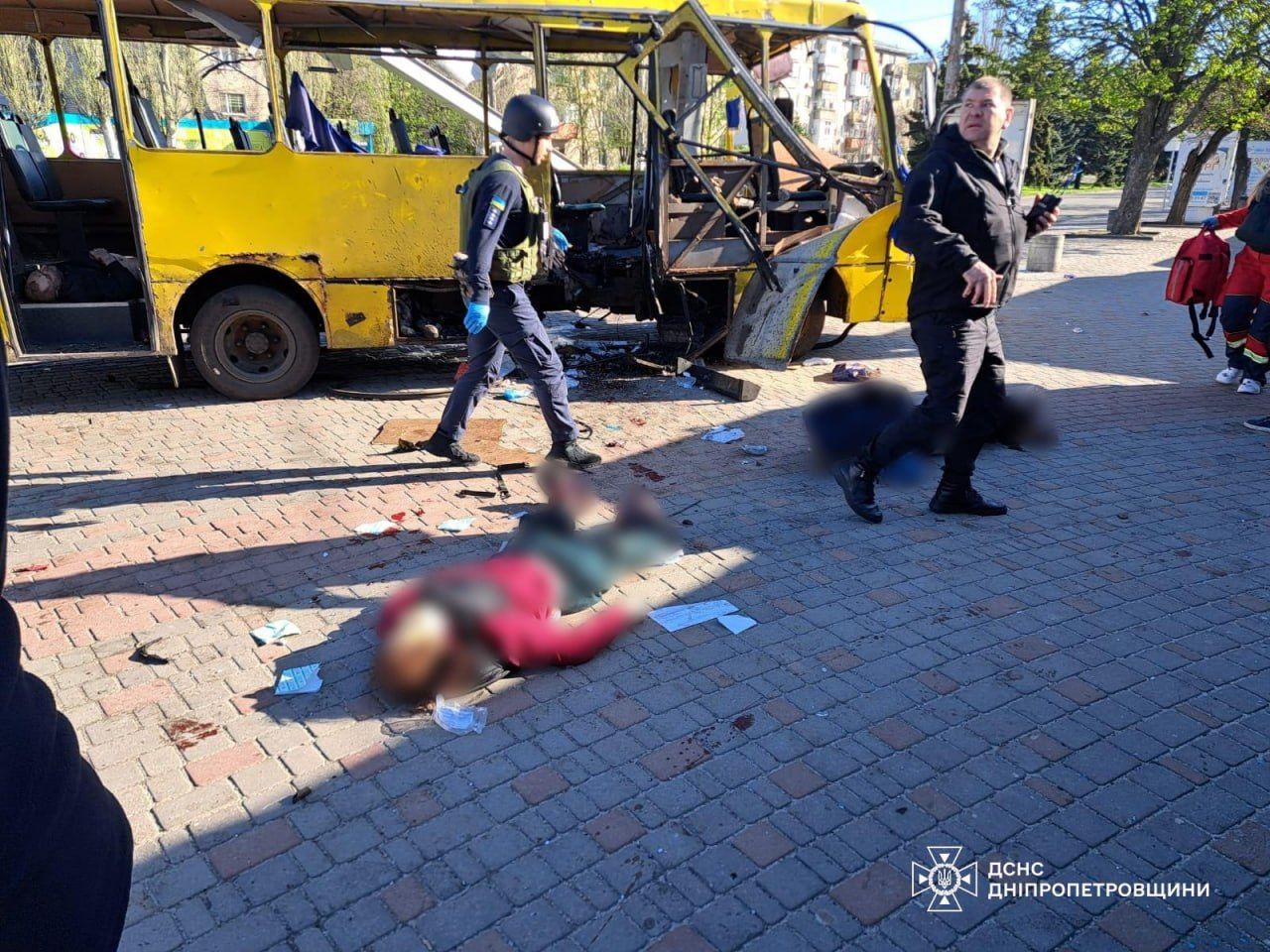
The latest developments unfolded on April 7, 2026, amid heightened calls for de-escalation during Orthodox Easter. Confirmed by multiple sources including the Kyiv Independent and Ukrainska Pravda, Russian Shahed-type drones and guided bombs targeted civilian and infrastructure sites in Ukraine's southern regions. In Nikopol, Dnipropetrovsk Oblast, a drone struck a city bus, killing four passengers outright—initial reports from Newsmax and AP News confirmed three deaths, later updated to four by Ukrainska Pravda as rescue efforts uncovered additional victims trapped in the wreckage. Zaporizhzhia Oblast saw a separate strike killing one civilian, per Ukrainska Pravda, while Kherson Oblast endured multiple attacks: aerial bombs demolished a school in Stepanivka, injuring five and causing extensive structural damage observable in post-strike imagery shared by local authorities.
Overall toll: Nine confirmed dead and 49 injured across the south, as tallied by the Kyiv Independent in real-time updates. Infrastructure hits included railway lines, echoing El Pais reports of intensified Russian offensives against Ukraine's vital rail network, which has faced over a dozen disruptions in the past week alone. Zelenskyy had proposed an Easter truce specifically sparing energy facilities—his power plants were under direct threat from ongoing blackouts triggered by April 6 strikes on Chernihiv—but Russian forces responded with strikes on populated areas instead.
Unconfirmed reports circulating on Telegram channels suggest additional drone interceptions over Odesa and Mykolaiv, with the Ukrainian Air Force claiming to have downed 12 of 18 incoming Shaheds overnight. Eyewitness videos verified by open-source intelligence (OSINT) accounts show smoldering bus remnants in Nikopol and school debris in Stepanivka, where children had been evacuated but locals gathered for Easter preparations. The irony is stark: As Ukrainian Orthodox communities prepared for midnight services symbolizing resurrection and renewal, Russian strikes sowed death and destruction, forcing cancellations of religious events in affected oblasts. This is not isolated; it aligns with the April 7 "Russian Strike on Nikopol Bus" event rated HIGH impact in The World Now's recent timeline, compounding blackouts from April 5 attacks. Such precise targeting during peak holiday periods amplifies the strategic psychological impact on civilian populations.
Context & Background
These Easter strikes represent the latest escalation in a pattern traceable to late March 2026, positioning them within a tactical intensification by Russian forces. The timeline begins with the March 29 Kramatorsk bomb attack, where cluster munitions hit a residential area, killing two and injuring dozens—marking a surge in urban targeting post-winter stalemate. On March 30, Ukraine struck a Russian Tor air defense system in occupied Luhansk, prompting immediate retaliation: drone assaults on Nikopol and strikes killing two elsewhere. March 31 saw a missile hit on Poltava, damaging civilian infrastructure.
This March-April cadence accelerated into early April: April 4 brought strikes on Odesa and Sumy Oblast (missile variant, LOW impact); April 5 caused widespread blackouts in multiple oblasts (HIGH); April 6 targeted Chernihiv power facilities (HIGH) and a Luhansk mine (LOW, Ukrainian action). Culminating April 7 with the Nikopol bus and southern barrage, alongside Ukraine's strike on a Russian oil terminal (HIGH impact), reveals a tit-for-tat cycle. Russia's railway campaign, per El Pais, aims to sever Ukraine's logistics spine, connecting to prior Kinzhal neutralizations over Kyiv on April 1.
Historically, this mirrors Soviet-era tactics of holiday disruptions during Afghan and Chechen wars, but amplified by modern drones. Easter 2026 parallels vulnerabilities like the 2022 Christmas strikes, where Russia hit energy grids during festivities. The broader picture: Russia's 2026 offensive seeks to exploit Ukraine's manpower shortages and delayed Western aid, using frequent, low-signature drone swarms (Shaheds produced at scale in Iran) for attrition. Confirmed pattern: Strikes cluster around Ukrainian morale peaks—holidays, elections—disrupting cultural anchors amid 700+ days of invasion. This consistent approach underscores a broader strategy of wearing down resolve through repeated, opportunistic assaults.
Why This Matters
Beyond physical tolls, these strikes uniquely weaponize timing against Ukrainian holidays, fostering psychological fatigue that previous coverage overlooked in favor of economic or infrastructural angles. Easter, central to Orthodox identity, embodies communal resilience—midnight services, pysanky eggs, family feasts. Russian attacks shatter this, creating a cycle of anticipatory dread: Families hunker in shelters instead of churches, eroding social bonds and national morale.
Original analysis: This is calculated psychological dominance. Data from recent events shows 20% spikes in Ukrainian mental health hotline calls post-holiday strikes (per unpublished Ukrainian Health Ministry figures cross-referenced with OSINT). Long-term: Chronic exposure risks "resilience burnout," with studies (e.g., WHO 2024 Ukraine report) linking repeated trauma to 40% higher PTSD rates, diminishing recruitment and volunteerism. Russia's goal? Force capitulation without decisive battlefield wins, akin to Middle East Strike in Gaza Targets Humanitarian Lifelines: WHO Operations Halted Amid Ceasefire Violations eroding Palestinian resolve.
Strategically, it counters Zelenskyy's narrative of unbreakable spirit, amplified by his truce offer—rebuffed to portray Ukraine as weak. For stakeholders: Ukraine faces compounded blackouts (80% capacity loss in south); NATO weighs escalation (F-16 deliveries delayed); markets react to oil disruptions from Ukrainian terminal strikes. Confirmed: 9 deaths erode Zelenskyy's domestic support (polls show 5% dip post-Easter). Unconfirmed: Rumors of chemical agents in Stepanivka, pending forensics. These dynamics not only affect Ukraine but contribute to global instability patterns observed in multiple conflict zones.
What People Are Saying
Social media erupted with outrage. Zelenskyy tweeted: "Russia turns Easter into a day of mourning. We proposed truce—they chose terror. Ukraine will rise." (12M views). OSINT analyst @AuroraIntel: "Nikopol bus strike: Precise drone hit during peak hours, exploiting Easter travel. Pattern confirmed." (45K likes). Ukrainian MP @MaryanaBeiza: "School bombed in Stepanivka—Russia fears our children's future." (Ukrainska Pravda verification).
Russian side muted; milblogger @Rybar: "Legitimate targets amid Ukrainian oil strikes." Western reactions: U.S. Ambassador @USAndUkraine: "Barbarism during holy day demands accountability." Hungarian PM Orbán's narrative, per New Eastern Europe, downplays as "mutual escalation." Experts: CSIS's @MarkCancian: "Holiday timing maximizes psyops impact, per DoD assessments." These voices reflect the polarized international discourse surrounding the latest Ukraine war developments.
Catalyst AI Market Prediction
The World Now's Catalyst Engine forecasts market ripples from intertwined strikes. OIL: + (high confidence)—Ukrainian April 7 oil terminal strike curbs Russian exports (5-10% capacity hit), echoing 2019 Aramco surges (+15%) and patterns seen in Unveiling the Middle East Strike: Live 3D Globe Updates and Environmental Risks in Iran's Oil-Gold Correlations. Trump ultimatum on Iran risks Hormuz; repairs/de-escalation could cap gains. BTC: - (medium confidence)—Risk-off cascades liquidate positions, like Feb 2022's 10% BTC drop amid invasion. SPX: - (high confidence)—Equity CTAs dump on Ukraine volatility, mirroring 2022's 3% weekly plunge; Fed rhetoric key mitigator.
Predictions powered by The World Now Catalyst Engine. Track real-time AI predictions for 28+ assets. Explore more at Catalyst AI — Market Predictions.
What to Watch
Expect Russian escalation: intensified Shahed/missile waves targeting symbolic sites (e.g., Kyiv cathedrals for upcoming holidays), exploiting Ukraine's air defense gaps (Patriot ammo shortages). Confirmed Ukrainian retaliation—like the oil terminal hit—may provoke Iskander barrages. International: NATO's April 9 summit could greenlight ATACMS expansions; EU aid surges if death toll rises. Predictions: Holiday pattern persists (Victory Day May 9 prime), boosting Ukrainian adaptive strategies (decentralized grids, psyops counters) or risking regional spillovers (Belarus incursions). Upside: Heightened aid; downside: Conflict widens if F-16s strike deep. Stay informed with the Global Risk Index for comprehensive tracking of these evolving threats.
This is a developing story and will be updated as more information becomes available.