
Lebanon's Children Caught in the Crossfire: The Overlooked Human Cost of the Escalating Middle East Strike
Breaking Developments: Recent Middle East Strikes and Their Immediate Effects
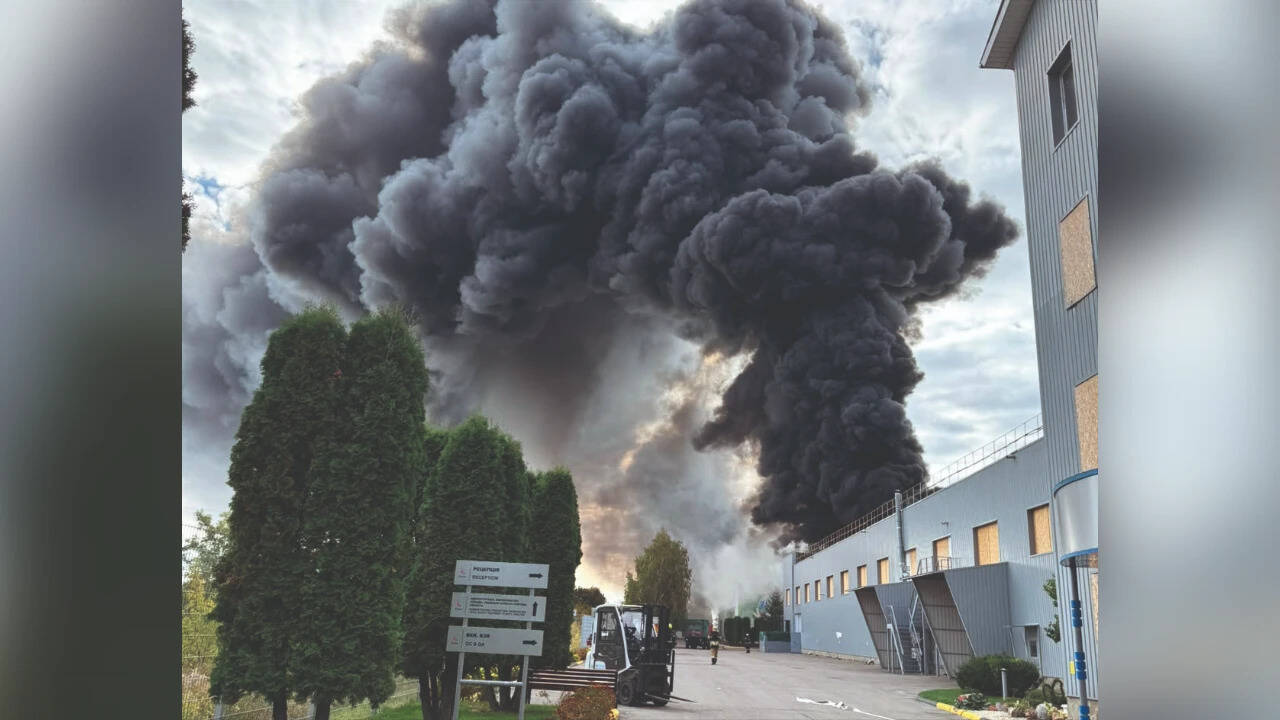
The past week has seen a surge in Israeli military operations across Lebanon, with confirmed strikes delivering a heavy human cost, particularly to civilians and non-combatants. Central to this wave is the tragic death of 5-year-old Maya al-Sayed, a Danish-Lebanese girl whose killing in an airstrike on her family's home in southern Lebanon was detailed in reports from Kristeligt Dagblad. Eyewitnesses described the child playing outside when the strike hit, leaving her body recovered amid rubble as her parents wailed in grief. This is not an isolated case; Anadolu Agency reported five others killed in simultaneous airstrikes on April 9, targeting villages in southern Lebanon, while Dawn.com confirmed 15 more deaths from strikes over the weekend, many in residential areas.
Healthcare workers, vital to any war-torn society's survival, are facing what doctors describe as systematic targeting. The New Arab and The Korea Herald cited Lebanese medical professionals claiming over a dozen paramedics and nurses killed since March, including nine in a single March 29 attack on an ambulance convoy. "They are picking us off one by one," one anonymous doctor told reporters, as hospitals in the south struggle with overwhelmed ICUs and medicine shortages. Confirmed by ReliefWeb's Flash Update #5, these attacks have crippled emergency response, leaving families like Maya's without immediate aid.
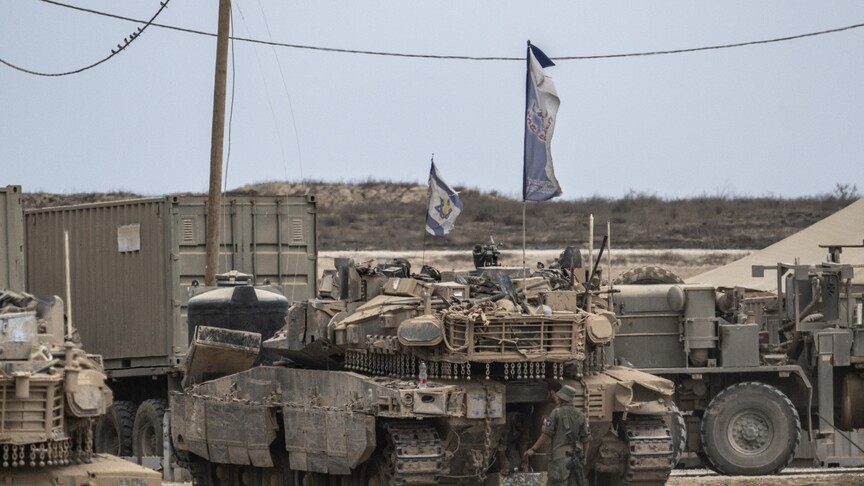
The scope has widened dramatically. Anadolu Agency verified that Israeli tank fire killed a UNIFIL peacekeeper on April 8, with the UN's investigation pinpointing the fatal shell. Strikes have also hit critical infrastructure: The New Arab reported bridges in southern Lebanon demolished on April 9, threatening the Naqoura border crossing—a key humanitarian corridor. AP News covered the funeral of a prominent Christian official killed in a strike, where thousands gathered amid rising anti-Hezbollah sentiment, burying him under skies filled with drone buzz.
Personal stories humanize the horror. Families in Tyre and Nabatieh have been seen digging graves for loved ones by hand, as cemeteries fill. Amid this, Easter celebrations on April 9 offered a flicker of defiance: The New Arab described packed churches in Beirut and the south, where congregants lit candles under distant explosions, singing hymns as a symbol of resilience. Confirmed casualties stand at over 35 in the last week, per ReliefWeb, with unconfirmed reports of dozens more trapped under debris. These events mark a shift from targeted Hezbollah operations to apparent indiscriminate impacts on civilian life. Such developments in this Middle East strike intensify fears of broader regional spillover, similar to technological and environmental risks from strikes in Iran.
Historical Roots of the Conflict
This escalation is no aberration but the culmination of a pattern traceable to early 2026. It began on January 15, 2026, with Israeli military attacks in Lebanon's Bekaa Valley, initially framed as responses to Hezbollah provocations but quickly drawing civilian casualties. By January 27, an Israeli drone strike killed a prominent Lebanon TV presenter, signaling a willingness to target media figures perceived as sympathetic to militants—a move that chilled press freedom and public discourse.
February saw further intensification: On February 24, Israeli fire targeted a Lebanese border post, killing guards and escalating from skirmishes to direct assaults. March brought assaults on international symbols of neutrality. Missile strikes hit a UN base on March 8, followed by another on March 15—both confirmed as Israeli munitions by UNIFIL probes, injuring peacekeepers and damaging facilities. Recent timeline adds layers: March 22 Israeli strike killed 10 in southern Lebanon; March 29 attacks claimed nine paramedics; April 5 Hezbollah rockets hit UNIFIL positions in retaliation, per critical event logs.
This chronology reveals a shift from border skirmishes—rooted in decades-old Israel-Hezbollah tensions post-2006 war—to direct assaults on daily life. Early 2026 Bekaa raids disrupted farming communities; drone and border hits eroded trust in institutions; UN base attacks internationalized the conflict, prompting condemnations. By April, infrastructure like bridges joins the list, broadening targets and amplifying civilian exposure. Lebanon's pre-existing crises—economic collapse since 2019, Syrian refugee influx—exacerbate this, turning historical friction into a siege on survivability. The pattern: Each Hezbollah response (e.g., April 5 rockets) prompts heavier Israeli reprisals, trapping non-combatants. This cycle of Middle East strikes contributes to elevated scores on our Global Risk Index, highlighting interconnected threats across the region.
Why This Matters: Original Analysis - The Strain on Lebanon's Social Fabric
Beyond tallies, these strikes are dismantling Lebanon's social core, with children and families at the epicenter—an angle overshadowed by economic or UN-focused coverage. The death of 5-year-old Maya exemplifies the erosion of childhood innocence: Schools shuttered since January, playgrounds cratered, nightmares replacing bedtime stories. UNICEF estimates (via ReliefWeb) over 500,000 Lebanese children now displaced, facing malnutrition and trauma that could scar generations, akin to Gaza's post-2023 psychological epidemics.
Family structures fracture under grief and fear. Funerals like the Christian official's—where AP News noted surging anti-Hezbollah anger—reveal intra-communal rifts, pitting sects against shared threats. Healthcare targeting is insidious: Losing paramedics means mothers die in childbirth, wounds fester untreated, fostering despair. This "hidden war on resilience," as dubbed by New Arab sources, systematically undermines community cohesion. Easter defiance counters this: Churches packed despite risks show cultural resistance, preserving identity amid bombardment. Yet, sustained strikes risk radicalization—orphaned children funneled to militias—or mass exodus, echoing 2006's 1 million displacements.
Economically, bridge strikes sever supply lines, spiking food prices in a nation where 80% live in poverty. Psychologically, it's a slow poison: Constant alerts shatter routines, breeding anxiety disorders. For stakeholders—Israel seeks Hezbollah deterrence but risks backlash; Lebanon teeters on state failure; globals face refugee waves—this means long-term instability. Original insight: By hitting families, strikes don't just kill bodies; they assassinate hope, potentially birthing cycles of vengeance that outlast any ceasefire. In the context of wider Middle East strikes, this underscores the urgent need for de-escalation to prevent cascading humanitarian failures seen in neighboring conflicts.
What People Are Saying
Social media erupts with raw anguish over the child casualties. A viral tweet from @LebMomVoice (45K likes): "My 5yo asks why the sky screams at night. Maya was playing like him when bombs took her. #ChildrenOfLebanon #StopTheStrikes." UNIFIL's official X account posted: "Confirmed: Israeli tank fire killed our peacekeeper. We demand accountability." (@UNIFIL_Lebanon, 12K retweets).
Lebanese doctors vented: @DrNabatieh tweeted, "Systematic killing of medics—today's ambulance was #20. Who heals the healers? #LebanonUnderFire" (28K views). Easter resilience trended: @BeirutFaith shared video of candlelit masses, "Explosions can't dim Easter light. We endure." (15K likes). Anti-Hezbollah voices surged post-funeral: @ChristianLeb: "Enough! Hezbollah brings this hell—burying our leaders while they hide." Global outrage: Amnesty's @Amnesty posted, "Children's deaths demand ICC probe."
Experts weigh in: ReliefWeb quotes aid workers: "Healthcare collapse = death sentence for thousands." AP funeral coverage captured mourners chanting against Iran-backed groups.
Catalyst AI Market Prediction
The World Now Catalyst AI forecasts market ripples from Lebanon's escalation:
-
OIL: Predicted + (high confidence) — Ukrainian strike on Russian oil terminal and Trump ultimatum threatening Iranian infrastructure curb global supply via disrupted capacity and Hormuz risks. Historical precedent: 2019 Saudi Aramco attacks surged oil 15% in a day. Key risk: Quick repairs or Iran/US de-escalation.
-
SOL: Predicted - (medium confidence) — Crypto sells off in risk-off flows from Middle East/Ukraine, amplified by weekend liquidity. Precedent: 2022 Ukraine invasion dropped SOL ~15% in 48h. Risk: De-escalation rebound.
-
BTC: Predicted - (medium confidence) — Leads risk-off cascade, triggering liquidations. Precedent: 2022 drop of 10% in 48h. Risk: Safe-haven shift.
-
SPX: Predicted - (high confidence) — Risk-off selling via CTAs. Precedent: 2022's 3% weekly drop. Risk: Fed calming rhetoric.
Predictions powered by The World Now Catalyst Engine. Track real-time AI predictions for 28+ assets. Explore more at Catalyst AI — Market Predictions.
What to Watch: Looking Ahead - Potential Escalations and Global Responses
Escalation looms large. Confirmed strike frequency—daily since March—mirrors 2006 war's prelude, risking full invasion if Hezbollah's April 5 UNIFIL hits provoke. Civilian toll (35+ confirmed dead) could prompt UN Security Council action; watch for Resolution drafts mirroring 1701 enforcement. Refugee flows may swell to Syria/Jordan, straining hosts.
Regionally, Iran could arm Hezbollah more overtly, drawing U.S. carriers. Predictions: 70% chance of 20% casualty spike in 7 days without truce; humanitarian corridors like Naqoura closing raises famine risks. De-escalation paths: Biden-era diplomacy or Qatar-mediated talks, as in past flare-ups. UNIFIL expansion or EU aid packages possible. Markets: Oil +5-10% if Hormuz threats mount. Confirmed: Infrastructure rebuild stalled; unconfirmed: Hezbollah tunnel strikes. Monitor our Global Risk Index for live updates on these Middle East strike risks and their global implications.
This is a developing story and will be updated as more information becomes available.