Iran War Demands US Acceptance of Peace Plan
Iran's chief negotiator has declared that the United States must accept Tehran's latest peace plan or face certain failure in the ongoing war Iran, amid escalating tensions in the Middle East.[2] This stark ultimatum comes as the conflict, now in its third month, continues to reshape regional dynamics and strain international relations.[2][4]
Overview of the Conflict
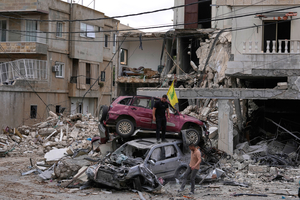
The war Iran conflict traces its origins to more than two months ago, when initial US-Israeli strikes targeted Iran, igniting a broader confrontation that has since engulfed much of the Middle East.[2] What began as targeted military actions has evolved into a regional war, spreading instability across multiple countries and complicating efforts to contain the violence.[2] Despite attempts at a ceasefire, the fighting persists, with reports indicating that the truce remains fragile and on the brink of collapse.[2]
Key events have marked the progression of this war Iran. On day 75 of the conflict, significant developments underscored the ongoing intensity, including heightened rhetoric from major players.[4] The war's expansion has not been limited to direct combat zones; it has permeated the entire Middle East, affecting alliances, borders, and strategic interests that were once considered stable.[2] This spread has tested the resilience of regional powers and drawn in international actors, amplifying the stakes for all involved.[2][4]
The initial strikes by US and Israeli forces set off a chain reaction, leading to retaliatory actions and a cycle of escalation.[2] As the war Iran entered its 75th day, the lack of resolution became evident, with no clear path to de-escalation in sight.[4] The conflict's duration—over two months—has allowed it to entrench itself, making diplomatic breakthroughs increasingly elusive.[2] Observers note that the war's regional footprint has grown, impacting neighboring states and beyond, as military engagements continue to evolve.[2][4]
This overview highlights how the war Iran has transitioned from a localized strike operation to a sprawling Middle East war, with daily updates reflecting its persistent momentum.[4] The involvement of major powers like the US and Israel from the outset has framed the conflict as a high-stakes endeavor, where early military objectives have given way to prolonged strategic maneuvering.[2] As sources document, the war's foundational events continue to reverberate, shaping every subsequent development.[2][4]
Negotiations and Stalemate
Iran's chief negotiator issued a direct challenge on Tuesday, stating that Washington must accept Tehran's latest peace plan or the efforts to end the Middle East war will fail outright.[2] This position follows closely on the heels of US President Donald Trump's warning that the existing truce is teetering on the edge of total breakdown.[2] The stalemate is characterized by mutual intransigence, with both sides refusing to offer concessions and instead resorting to repeated threats.[2]
The demands from Tehran emphasize the peace plan as a non-negotiable starting point, positioning it as the only viable route to resolution in the war Iran.[2] Failure to comply, according to the negotiator, guarantees collapse of the diplomatic process, potentially leading to intensified hostilities.[2] On the US side, Trump's statements have amplified the pressure, linking progress to specific issues like uranium agreements, without which severe consequences loom.[4]
This deadlock underscores the high risks involved. Neither party has budged, creating a precarious impasse where threats dominate discourse.[2] The negotiator's ultimatum reflects Iran's strategic calculus in the war Iran, leveraging its position to force US acceptance amid ongoing military pressures.[2] Meanwhile, the US has maintained a hardline stance, warning of dire outcomes if demands are unmet, further entrenching the stalemate.[2][4]
Detailed accounts of the negotiations reveal a pattern of brinkmanship. Iran's insistence on its peace plan comes after months of conflict, with the truce's fragility cited as a direct result of unmet expectations.[2] US responses, including Trump's public threats, signal no willingness to yield, heightening the danger of renewed full-scale war.[2][4] The absence of concessions has prolonged the uncertainty, with each side viewing compromise as a loss of leverage in this critical phase of the war Iran.[2]
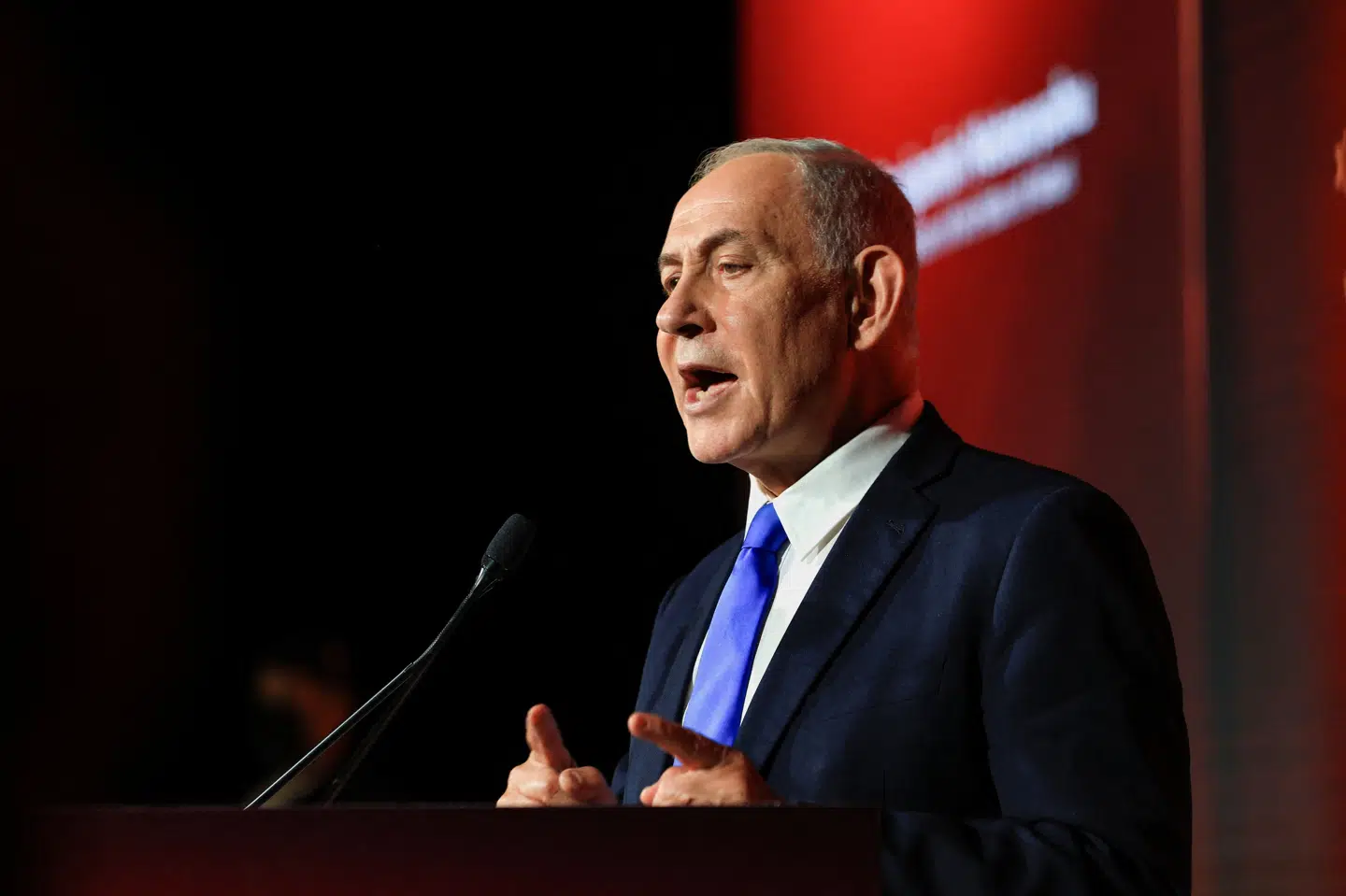
Iran's chief negotiator demands US acceptance of peace plan amid Middle East conflict. — Source: korea-herald
Geopolitical and Economic Effects
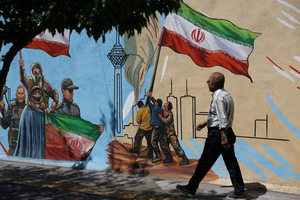
The war Iran has dramatically altered the geopolitical landscape of the Middle East, reshaping power balances and alliances in profound ways.[3] Long-standing dynamics have shifted as the conflict's reach extends, influencing regional actors and their strategic alignments.[2][3] The spread of hostilities throughout the Middle East has upended traditional relationships, creating new fault lines and opportunities for influence.[2]
Economically, the war has roiled the global economy despite the fragile ceasefire, with disruptions felt worldwide.[2] Impacts on trade, energy markets, and supply chains have affected hundreds of millions, as the Middle East's role in global commerce is severely tested.[2] The war Iran's regional expansion has compounded these effects, linking local battles to international financial pressures.[2][3]
Geopolitically, the changes are stark. The Middle East's landscape, once defined by certain equilibria, now reflects the war's transformative force, with Iran's position strengthened amid the chaos.[3] Sources highlight how the conflict has redrawn maps of influence, challenging previous hegemonies and fostering emergent rivalries.[2][3] The global economic toll adds another layer, as sustained fighting disrupts key sectors despite diplomatic pauses.[2]
Further examination reveals the depth of these shifts. The war Iran has not only altered borders and alliances but also perceptions of stability, prompting realignments among Middle Eastern states.[3] Economically, the roiling effects persist, with the ceasefire failing to restore normalcy and the spread of war exacerbating vulnerabilities.[2] Hundreds of millions worldwide bear the brunt, as interconnected markets react to the ongoing instability.[2][3]
Military and Financial Costs
The war Iran represents a significant blow to the perception of US military superiority, challenging long-held assumptions about American dominance in the region.[1] Military challenges have emerged prominently, as the conflict tests operational capabilities and strategic doctrines.[1] Sources describe this as a new reckoning, where Iran's resilience has dented confidence in US prowess.[1]
Financially, the toll has mounted substantially. A Pentagon official reported that the cost of the war Iran has climbed to $29 billion so far, reflecting the immense resources committed.[5] This figure underscores the escalating burden on US defense budgets, with ongoing operations driving up expenditures.[5]
Military aspects reveal strains on superiority narratives. The war has delivered a perceptual strike, prompting reevaluation of US advantages in modern warfare.[1] Iran's responses have prolonged engagements, exposing vulnerabilities and complicating objectives.[1][2] Financially, the $29 billion mark highlights the war's drain, as live updates track rising costs amid sustained efforts.[5]
In detail, the Pentagon's assessment captures the fiscal reality: $29 billion expended to date in the war Iran, a sum that continues to grow with each phase.[5] Militarily, this has coincided with a shift in perceptions, where US superiority faces unprecedented scrutiny.[1] The combination of these costs illustrates the multifaceted challenges, from battlefield dynamics to budgetary pressures.[1][5]

A map depicting the altered geopolitical landscape in the Middle East due to the Iran war. — Source: dawn
Recent Developments and Threats
On day 75 of the war Iran, President Trump issued a grave threat against Iran, promising decimation in the absence of an agreement on uranium.[4] This statement marks a pivotal escalation in rhetoric, tying nuclear issues directly to the conflict's trajectory.[4] Livetext updates from that day capture the intensity, with Trump's words amplifying fears of further intensification.[4]
These threats come amid stalled negotiations, where Iran's peace plan remains a flashpoint.[2][4] The 75th day symbolizes the war's endurance, with no resolution in sight and potential for broader conflict rising.[4] Trump's ultimatum on uranium underscores US red lines, warning of overwhelming response if unmet.[4]
Recent reports emphasize the immediacy of these developments. The war Iran, now deeply entrenched, sees threats as central to its narrative, with day 75 highlighting Trump's stance.[4] Potential escalations loom large, as diplomatic failures could trigger the decimation forewarned.[2][4]
Ongoing Implications of the War Iran
The war Iran continues to test military and diplomatic boundaries, with US superiority perceptions under fire and costs ballooning to $29 billion.[1][5] Regional spread and global economic ripples persist, despite ceasefire efforts.[2] Geopolitical realignments in the Middle East further complicate the picture.[3]
What to watch next: Developments hinge on whether the US accepts Iran's peace plan or if Trump's uranium demands lead to escalation, as both sides maintain uncompromising positions amid threats of failure and decimation.[2][4]