
UN Rights Council Condemns Sudan Violations and Extends Fact-Finding Mission
UN Human Rights Council Resolution
The United Nations Human Rights Council has condemned attacks on civilians in Sudan and called on the country’s warring parties to agree to an immediate and complete ceasefire without preconditions. The 47-member council adopted a resolution extending the mandate of the Independent International Fact-Finding Mission on Sudan for another year. The resolution passed with 28 votes in favor, 10 against and nine abstentions. The council condemned widespread violations of international humanitarian law by the Sudanese Armed Forces and the paramilitary Rapid Support Forces, including indiscriminate attacks on civilians, aerial bombardments and drone strikes that have caused civilian deaths and damaged critical infrastructure. It also called for an independent mechanism to monitor a ceasefire and urged the restoration of essential infrastructure. The resolution comes as drone warfare continues to intensify across Sudan. The council warned that there is no military solution to the conflict and expressed concern over external interference, weapons transfers, foreign fighters and other forms of support fueling the war. [2]
Recent RSF Attack in West Kordofan
At least 10 civilians were killed in an RSF attack on Abu Ajal village in West Kordofan, with several others injured according to a local relief group. The attack targeted the village and left multiple residents wounded, as reported by the relief organization monitoring the area. This incident adds to the pattern of civilian targeting documented in recent weeks. Local accounts indicate the assault struck residential areas, resulting in immediate casualties and injuries that required urgent medical attention. The relief group’s statement highlights the vulnerability of communities caught in the fighting between the Sudanese Armed Forces and the Rapid Support Forces. [1]

UN Human Rights Council session on Sudan conflict and ceasefire resolution. — Source: khaamapress
Airstrike on Humanitarian Aid Convoy
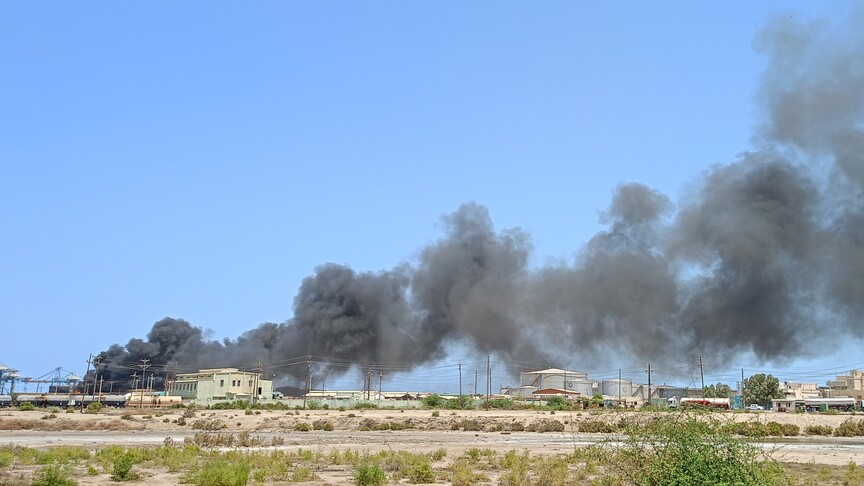
A deadly airstrike hit two clearly marked UN World Food Programme trucks carrying food supplies in South Kordofan, killing one driver. The trucks were traveling from Dilling to Kadugli when they were attacked. The WFP has called for a prompt and impartial investigation into the strike. The vehicles bore clear humanitarian markings, yet the attack still occurred amid ongoing hostilities. This event underscores the risks faced by aid operations attempting to deliver essential supplies to populations in need. Calls for an independent probe emphasize the importance of accountability for strikes on protected humanitarian assets. [2]
Military Developments in West Darfur
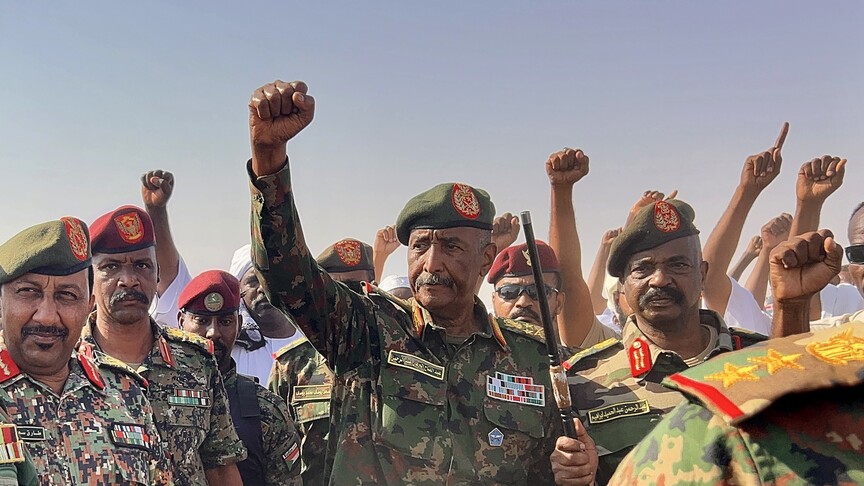
Sudan’s army-aligned Joint Force of Armed Movements announced the capture of Bir Sleiba in West Darfur after fierce battles with the RSF along the Bir Sleiba and Abu Suruj fronts. The Joint Force stated that its troops and army forces engaged in intense field battles with the RSF across these locations. The announcement follows sustained clashes that allowed the force to secure the area. This development reflects shifting control in parts of West Darfur amid the broader conflict between the Sudanese army and the Rapid Support Forces. The Joint Force’s statement details the fronts involved in the fighting that preceded the capture. [3]
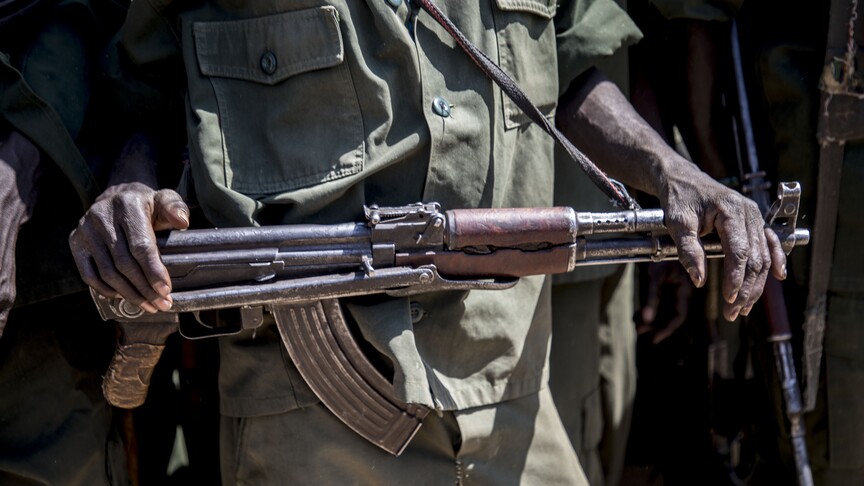
Sudan army-aligned forces announce capture of Bir Sleiba in West Darfur. — Source: anadolu
Broader Context of the Conflict
The latest developments come as Sudan’s war between the army and the RSF, which began in April 2023, continues to cause widespread displacement, food insecurity and allegations of serious violations of international law. UN investigators have previously documented grave abuses by both sides and said the RSF’s campaign during the capture of El-Fasher in North Darfur bore the hallmarks of genocide. The Human Rights Council’s renewed mandate is intended to preserve evidence of violations and support future accountability efforts, while the call for an immediate ceasefire reflects growing international concern over the escalating humanitarian crisis and continued attacks on civilians and aid operations. The war has produced repeated reports of civilian harm from both aerial and ground operations. External involvement through weapons transfers and foreign fighters has been cited as a factor prolonging the fighting. [2]
International Response and Mandate Renewal
The renewed concern over attacks on civilians follows the deadly airstrike on the WFP trucks and other recent incidents. The council’s decision to extend the fact-finding mission aims to maintain documentation of violations by all parties. Warnings that no military solution exists accompany calls for a monitored ceasefire and restoration of infrastructure. The resolution explicitly addresses indiscriminate attacks, aerial bombardments, drone strikes and damage to critical infrastructure. It urges the creation of an independent monitoring mechanism to support any future ceasefire agreement. These measures seek to address the humanitarian fallout while preserving evidence for potential accountability processes. [2]
What to watch next: Continued drone warfare, further strikes on aid convoys, and efforts to implement the called-for ceasefire monitoring mechanism remain central as the fact-finding mission continues its work.