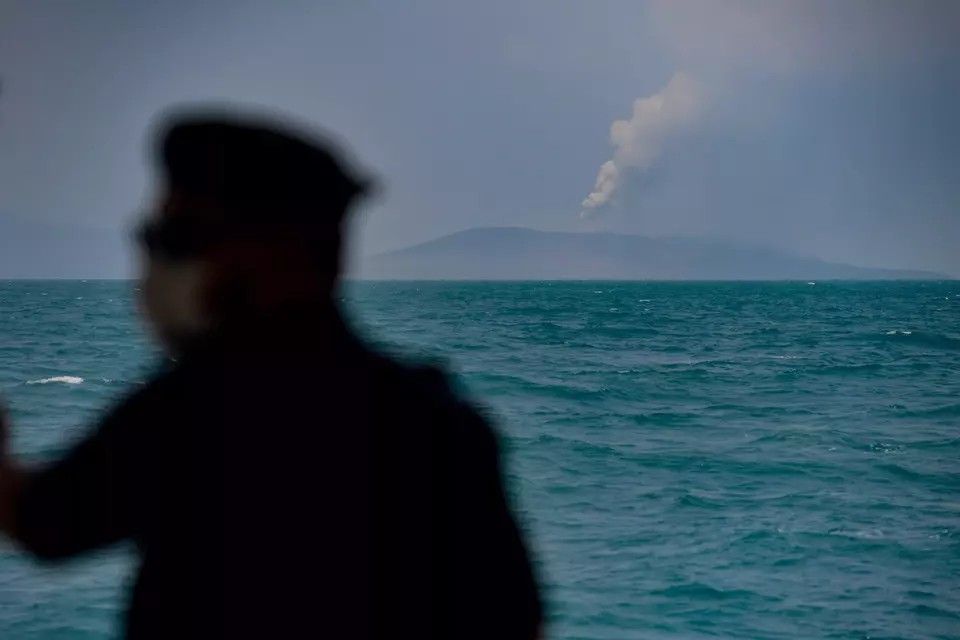
Indonesia's Dukono Volcano Erupts, Resulting in Three Deaths
Three hikers have died following a volcanic eruption at Dukono, the most active volcano in Indonesia.[1][4] The incident has prompted authorities to order the permanent closure of entry points to the volcano.[2] Reports indicate that the bodies of the victims were discovered under a layer of ash, with accounts describing them as holding each other.[3] While three fatalities have been reported in connection with the eruption,[2][4] two deaths have been confirmed, with those bodies retrieved from the site.[5] This tragedy underscores the ongoing risks posed by volcanic activity in the region.
Recent Eruption Details
The recent eruption at Dukono volcano in Indonesia marks another episode in its pattern of frequent activity.[1] News reports confirm that the volcano, known for its persistent eruptions, has erupted again, as highlighted in coverage from May 11, 2026.[1] This event aligns with the volcano's reputation as Indonesia's most active, with a long track record of such incidents.[1] The eruption involved the release of ash and other materials, leading to hazardous conditions that affected hikers in the area.[4]
Details from the reporting timeline provide a clearer picture of the event's immediacy. Initial coverage emerged around midday on May 11, noting three hikers dead after the Indonesian volcano eruption.[4] This was followed shortly by announcements regarding official responses.[2] The eruption's impact was significant enough to draw international attention, with sources describing it as a sudden and deadly occurrence.[4] Dukono's status as the most active volcano in Indonesia means such events are not isolated, but this particular eruption stands out due to the human cost.[1]
Further context from the sources emphasizes the volcano's ongoing eruptive behavior. The phrase "Dukono Kembali Meletus," translating to "Dukono erupts again," directly points to the repetitive nature of these events.[1] Published later in the day at 17:30 UTC, this report ties the incident to the volcano's historical activity, suggesting that the recent blast was part of a continuum rather than an anomaly.[1] Combined with earlier accounts of the hikers' deaths,[4] the eruption details paint a scenario where volcanic gases, ash clouds, and potentially pyroclastic flows created lethal conditions near the summit or flanks.
The timing of reports also allows for an analysis of how information unfolded. By 12:15 UTC, the focus was already on the fatalities from the Indonesian volcano eruption,[4] indicating rapid response from monitoring agencies and media. This quick dissemination underscores the preparedness in Indonesia for such events, given the country's volcanic landscape, though specifics remain tied to Dukono's profile.[1] The eruption's details, while concise in sources, highlight the immediate dangers: ashfall burying paths, reduced visibility, and toxic fumes that can overwhelm unprepared visitors.[4] As the most active volcano,[1] Dukono's eruptions often involve strombolian-style activity, but this instance escalated to claim lives.[1][4]
In summary for this section, the recent eruption is characterized by its suddenness and alignment with the volcano's hyperactive history, directly resulting in the reported deaths.[1][4]
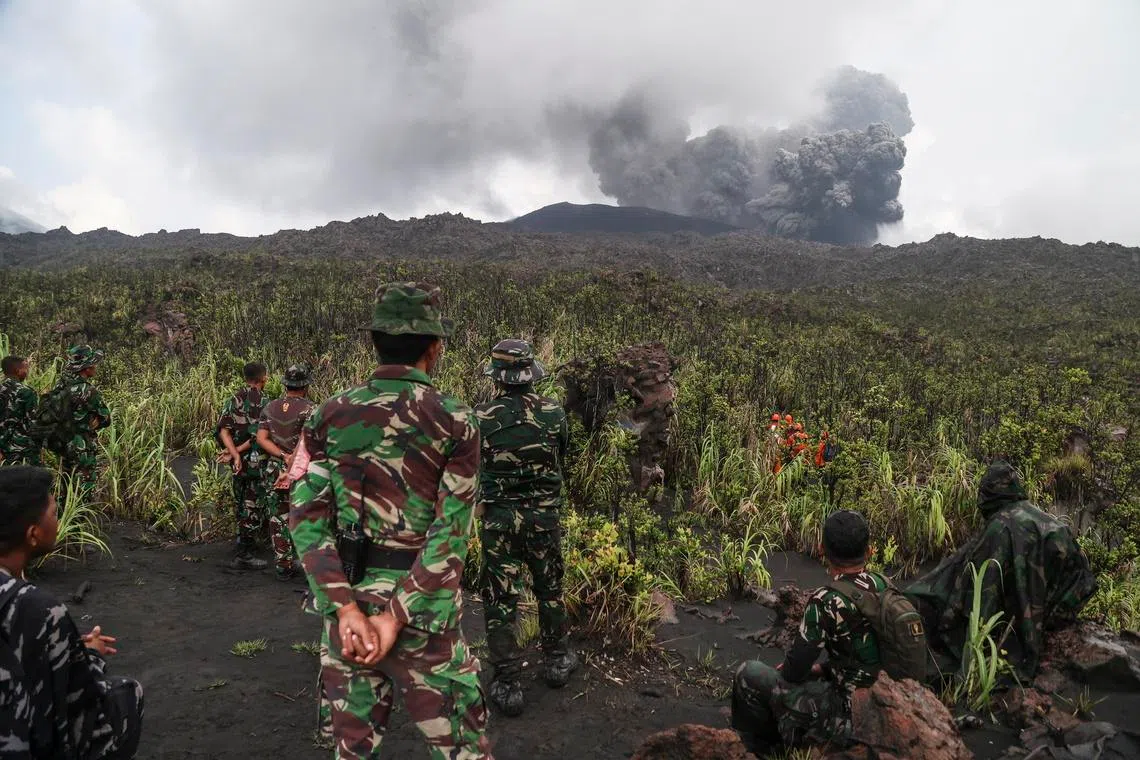
Entry points to Dukono Volcano in Indonesia are ordered permanently closed after deadly eruption. — Source: gdelt
Casualties and Discovery
The casualties from the Dukono eruption center on three hikers who perished, with their bodies later found under ash.[3][4] Graphic details from reports describe the victims as holding each other when discovered, evoking a sense of solidarity in their final moments.[3] This poignant finding was covered in a report published at 13:15 UTC on May 11, 2026, focusing on the human element of the tragedy amid the volcanic chaos in Indonesia.[3]
While three deaths were initially reported in connection with the eruption,[4] subsequent updates confirmed two deaths, with those bodies successfully retrieved from the site.[5] The Bangkok Post account specifies "two confirmed dead in Indonesia volcano eruption, bodies retrieved," indicating a careful verification process by authorities or rescuers.[5] The discrepancy between three reported fatalities and two confirmed may reflect ongoing search efforts or identification challenges in ash-covered terrain, but sources maintain the core toll.[2][4][5]
The discovery process itself merits examination. Bodies found "under asken" (under the ash) suggest rapid burial by fallout from the eruption plume.[3] Holding each other implies they sought comfort or protection as conditions deteriorated, possibly during a sudden ashfall or flow.[3] Hikers, as noted in coverage,[4] were likely on trails near the volcano when the event struck, caught off-guard by the intensity.[4] Retrieval efforts for at least two bodies demonstrate the logistical challenges: navigating fresh ash layers, potential instability, and lingering gases.[5]
This section's sources collectively detail a heartbreaking scene: three hikers dead after the eruption,[4] bodies under ash holding each other,[3] and two retrieved.[5] The emotional weight of the "holdt rundt hverandre" (holding each other) description humanizes the statistics, reminding readers of the personal stakes in volcano Indonesia proximity.[3] Rescue operations would have involved specialized teams equipped for volcanic environments, prioritizing safety amid ongoing risks.[5] The confirmed retrieval of two bodies signals progress, though the third's status remains implied in broader reports.[2]
Overall, the casualties underscore the perils for adventurers near active sites like Dukono, with discovery details amplifying the incident's gravity.[3][4][5]
Official Measures Taken
In response to the eruption that killed three at the Indonesian volcano, authorities have ordered entry points to be permanently closed.[2] This decisive action, reported at 12:30 UTC on May 11, 2026, aims to prevent future access and mitigate risks from the site's volatility.[2]
The permanent closure represents a significant escalation in safety protocols. By sealing entry points, officials effectively ban hiking or tourism routes to Dukono, a measure justified by the fatalities.[2] Given the volcano's profile,[1] such a step signals long-term restrictions rather than temporary evacuations. The order likely involves physical barriers, signage, and enforcement patrols to deter visitors.
This response aligns with standard volcanic crisis management, tailored here to the death toll.[2] Published soon after initial fatality reports,[4] it reflects swift decision-making. The phrasing "entry points... ordered to be permanently closed" implies regulatory or governmental decree, possibly from Indonesia's volcanology agency.[2] Implications include economic effects on local guides or tourism, though sources focus on safety.
The measure's permanence is noteworthy against Dukono's activity history,[1] suggesting authorities view the risks as enduring. Hikers' deaths prompted this,[2][4] prioritizing lives over access. Enforcement will be crucial, as Indonesia's volcanoes attract adventurers despite warnings.
Background on the Volcano
Dukono holds the distinction of being the most active volcano in Indonesia, with a long track record of eruptions.[1] The report titled "Dukono Kembali Meletus, Jejak Panjang Gunung Api Paling Aktif di Indonesia" directly establishes this context, published at 17:30 UTC on May 11, 2026.[1]
"Jejak Panjang" (long track record) indicates decades or more of frequent activity, including ash emissions and strombolian explosions typical of such volcanoes.[1] As Indonesia's most active,[1] Dukono exemplifies the archipelago's Ring of Fire position, though specifics stay source-bound. Its summit area likely features active vents, drawing hikers despite hazards.
Historical eruptions have shaped monitoring, but this one's fatalities elevate scrutiny.[1] The "paling aktif" (most active) label underscores why entry was possible until now, balanced against risks.[1][2] Background knowledge from sources frames the recent event as predictable yet deadly.

Three hikers' bodies found under ash, holding each other after Indonesia's Dukono eruption. — Source: gdelt
Dukono's profile explains the eruption's severity: ongoing activity means sudden escalations.[1] Long-term behavior includes regular plumes, affecting aviation and nearby areas.[1] This history contextualizes the permanent closure as a logical response.[1][2]
Current Situation
Following the eruption, the current situation involves confirmed casualties and enforced restrictions.[2][5] Two deaths are confirmed, with bodies retrieved,[5] while entry points remain permanently closed.[2]
Search and recovery continue implicitly, given the three reported deaths.[2][4][5] Ash cleanup and monitoring persist, as the volcano's activity level stays high.[1] No further eruptions noted in sources, but its status suggests vigilance.[1]
Authorities maintain the closure to ensure safety,[2] with retrieved bodies indicating operational success.[5] Ongoing status reflects a shift to prevention post-tragedy.[2][5]
What to Watch Next
Monitor updates on the third reported fatality's confirmation and full retrieval efforts,[5] alongside enforcement of the permanent entry closures at Dukono.[2] Given its status as Indonesia's most active volcano,[1] watch for any escalation in activity that could impact surrounding areas.




/file/dailymaverick/wp-content/uploads/2024/12/World-Bank.jpg)