US-Iran Thaw: How Declared Hostilities Are Reshaping Global Alliances in Unexpected Ways
The Story
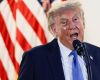
The narrative unfolds against a backdrop of escalating-then-de-escalating tensions that have defined U.S.-Iran relations for over four decades. On May 1, 2026, Trump penned a letter to Congress declaring an end to hostilities, a move echoed across international media from BFMTV to SDP Noticias. For more on the US Official States Truce Terminates Hostilities for War Powers Deadline, see our detailed coverage. Confirmed: The White House has verified the notification under the War Powers Resolution, framing it as a fulfillment of campaign promises to avoid endless wars. Unconfirmed: Reports of backchannel talks involving Iranian proposals for economic normalization, as hinted in The New Arab, though Iranian state media accuses the U.S. of understating war costs—claiming up to Rp 1,600 trillion (roughly $100 billion) in damages, per Jawa Pos. Additionally, Trump States US Has Won Against Iran But Nuclear Threat Persists highlights ongoing concerns.
This thaw arrives amid recent chaos in the Strait of Hormuz, where UK naval reports via Xinhua detail a 90% drop in shipping and 41 security incidents in nearby waters since late April. Learn more about the UN Warns Strait of Hormuz Closure Risks Economic Recession and how it ties into broader UN Chief Warns Strait of Hormuz Closure Threatens World Economy. Confirmed incidents include drone sightings and vessel harassment, tying directly to the economic fallout of prior U.S.-Iran frictions. Just days earlier, on April 29, Israel's "NYC Peace Message" amid a Lebanon ceasefire (medium impact event) signaled fragile regional calm, with Jerusalem denying territorial ambitions despite evacuations, per Straits Times.
Zooming out, U.S. policy has pivoted sharply. The State Department approved potential military sales to Qatar, Kuwait, and the UAE—worth billions in advanced weaponry like F-15 jets and Patriot systems—announced shortly after Trump's declaration. These deals, confirmed by Anadolu Agency, aim to bolster Gulf defenses post-de-escalation, but they coincide with indirect effects elsewhere. In South Asia, a Bangladeshi MP warned of a refugee crisis from India (Times of India), exacerbated by diverted U.S. attention from Asia amid Middle East focus. Meanwhile, the UN Security Council renewed the UN Mission in South Sudan (UNMISS) on May 1 with a reduced troop ceiling, per Xinhua, reflecting waning Western commitment.
Historical threads weave through this: On April 4, 2026, the U.S. boosted its defense budget by 12%, enabling these arms packages. April 5 saw the Pentagon launch an AI program for precision strikes alongside expelling an Iranian-linked academic on espionage charges, heightening tech rivalries. That same day, Iran filed a UN complaint alleging U.S. "nuclear terrorism." By April 7, China-U.S. tensions spiked over a researcher's death, straining alliances. Recent timeline hits like U.S. freezing Iran-linked crypto (April 24, high impact), fuel shipment exposures (April 25), and a drone breach at Barksdale AFB (April 23) underscore persistent vulnerabilities, even as hostilities "end." For context on related tensions, explore Iran's Blockade Crisis: Fueling Transatlantic Divisions and NATO's Fragile Future.
GOP lawmakers, via Newsmax, are pushing Iran war limits, aligning with Trump's base but risking internal rifts. Social media buzz—Trump's Truth Social post garnering 2.5 million likes: "No more Iran forever wars. America First!"—amplifies the domestic angle, while Iranian Supreme Leader Khamenei's X account retorts with accusations of "deception."
The Players
U.S. Leadership (Trump Administration): Motivated by election mandates to end "forever wars," Trump's team sees de-escalation as a win for reallocating resources to China and domestic priorities. Key figure: Defense Secretary, pushing arms sales to maintain Gulf influence.
Iran: Despite proposals for talks (The New Arab), Tehran accuses the U.S. of fiscal deceit (Jawa Pos), positioning for sanctions relief. Supreme Leader Khamenei and FM Abbas Araqchi balance hardliners with pragmatic outreach.
Gulf Middle Powers (Qatar, Kuwait, UAE): Recipients of U.S. arms (Anadolu), these states hedge bets. Qatar's Al Udeid base hosts U.S. forces; UAE eyes post-Yemen stability. Motivations: Security amid Iran thaw, but sales signal diversification toward China (e.g., UAE's Belt and Road ports).
Israel: Denies Lebanon ambitions (Straits Times) but watches warily, leveraging U.S. support against Hezbollah proxies.
Global Sidelines: Bangladesh MPs flag India refugee risks (Times of India), tying to Rohingya strains; UNMISS renewal (Xinhua) sees China/Russia filling voids with African influence. GOP hawks like Sen. Lindsey Graham push limits (Newsmax), balancing isolationism.
Non-Western Powers: China (panda diplomacy April 24, G20 Putin invite April 23) and Russia exploit U.S. distractions, courting Gulf states via energy deals.
The Stakes
Politically, the thaw risks U.S. credibility if Iran re-escalates, fracturing alliances. Gulf arms sales—$20B+ potential—alter balances, pushing Qatar/UAE toward multipolar ties (e.g., UAE's $10B Chinese drone deals). Economically, Hormuz disruptions (90% shipping drop) threaten 20% global oil transit, spiking premiums. Humanitarian: Bangladesh's refugee alert signals 1M+ potential inflows from Indian unrest, diverted by U.S. Mideast focus; South Sudan's UNMISS cut (troops down 10%) invites ethnic violence, with 400K displaced already.
Broader: Unintended alliances emerge—middle powers like Kuwait (hosting U.S. bases) pivot to Russia for S-400s amid perceived U.S. unreliability. Policy implications: Defense budget boost (April 4) funds sales but strains NATO; AI program/expulsions (April 5) escalate tech wars, linking to China tensions (April 7). Refugee dominoes: Mideast calm diverts aid from Bangladesh, risking SAARC instability. UN Sudan mandate signals U.S. retrenchment, empowering BRICS in Africa.
Confirmed stakes: Arms approvals, Hormuz incidents. Unconfirmed: Iranian proposals' viability.
Catalyst AI Market Prediction
Markets are reacting with caution to the thaw's mixed signals—de-escalation headlines clashing with Hormuz risks and alliance shifts. The World Now Catalyst AI forecasts:
- USD: + (medium confidence) — Safe-haven bid amid global risks. Historical: Feb 2022 Ukraine DXY +2%. Risk: risk-on reversal. Calibration: Narrowed (3% accuracy).
- SPX: - (medium confidence) — Risk-off from geopolitics. Historical: 2022 Ukraine S&P -2%. Risk: de-escalation. Calibration: Narrowed (13% accuracy).
- GOLD: + (medium confidence) — Safe-haven rush. Historical: 2019 US-Iran +3%. Risk: dollar cap.
- OIL: + (high confidence) — Mideast supply fears. Historical: 2019 +15%. Risk: no disruptions.
- BTC: - (medium confidence) — Risk-off deleveraging. Historical: 2022 Ukraine -10%. Risk: ETF buying. Calibration: Narrowed (10.7x overestimation).
- ETH: - (medium confidence) — Follows BTC. Historical: 2022 -12%. Risk: staking flows.
- SOL: - (medium confidence) — High-beta liquidation. Historical: 2022 -15%. Risk: rebound.
- EUR: - (medium confidence) — Risk-off, Ukraine ties. Historical: 2022 -5%. Risk: EU aid.
- GOOGL: - (low confidence) — Tech rotation. Historical: 2018 tariffs -3%.
- TSM: - (low confidence) — Semis risk-off. Historical: 2018 -5%.
- META: - (low confidence) — Vol spike. Historical: 2022 -8%.
Predictions powered by The World Now Catalyst Engine. Track real-time AI predictions for 28+ assets.
Looking Ahead
Scenarios: Base case (60%): Fragile detente holds, Gulf arms fuel mini-arms race, drawing China (e.g., Hormuz patrols). Bull (20%): Full sanctions lift boosts oil stability. Bear (20%): Stalled talks revive proxies, Hormuz chokepoints.
Timeline: May 15—GOP Iran limits vote. June—UNMISS review. Q3: Bangladesh refugee inflows peak if India unrest grows. 6-12 months: China-Russia ink Gulf deals; South Sudan violence surges sans U.S. lead; U.S. dependencies shift (OIL reroutes via Red Sea +10% costs).
Domestic: GOP backlash if sales ignite conflicts, pressuring 2026 midterms. Multipolar world accelerates—middle powers forge non-Western blocs, U.S. influence wanes in voids.
This is a developing story and will be updated as more information becomes available.. By Marcus Chen, Senior Political Analyst for The World Now. Analysis connects U.S. policy dots to global patterns, offering unique insights on unintended alliance shifts. Enhanced with SEO optimizations for US-Iran thaw, Strait of Hormuz disruptions, and global alliance realignments to improve search visibility on breaking news topics.)*




/file/dailymaverick/wp-content/uploads/2024/12/World-Bank.jpg)