
Ukraine War Map: Forgotten Frontlines – Civilian Endurance in the Shadow of Escalating Russian Strikes
By David Okafor, Breaking News Editor and Conflict/Crisis Analyst, The World Now
April 10, 2026
Introduction: The Human Face of the Strikes on the Ukraine War Map
In the quiet border regions of Ukraine, where the line between frontline and home blurs on the Ukraine war map, Russian drone strikes have transformed everyday life into a gauntlet of survival. On April 9, 2026, a woman in Sumy Oblast was injured by shrapnel from a Russian drone strike, her routine errand turning into a brush with death amid shattered glass and echoing blasts. This incident, reported by Ukrainian Pravda, echoes a string of attacks across Sumy, Kharkiv, and Zaporizhzhia Oblasts, where civilian infrastructure—palaces, postal branches, substations, and even passing vehicles—has become collateral in Moscow's aerial campaign.
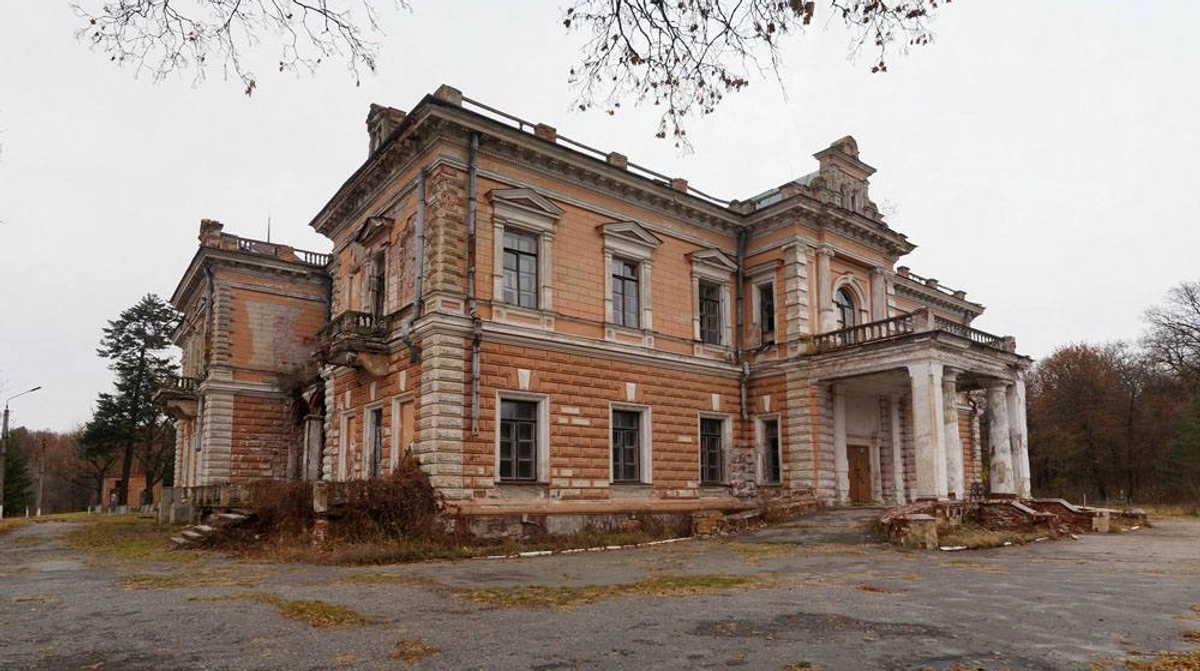
These are not abstract military maneuvers; they are assaults on the fabric of civilian existence. In Nikopol, over 100 people have been injured in April alone, with residents sounding alarms over intensified Russian attacks that target buses, homes, and markets. The destruction of the historic Kharytonenko Palace in Sumy Oblast on the same day symbolizes the cultural erasure intertwined with physical destruction. A driver killed by an FPV drone in Kharkiv Oblast, two men wounded in a vehicle strike in Zaporizhzhia, three women hurt in Kherson—these reports paint a mosaic of vulnerability.
This article shifts the lens from the familiar narratives of high-tech weaponry or ecological fallout to the untold stories of civilian endurance. It explores how ordinary Ukrainians in these "forgotten frontlines" on the Ukraine war map adapt psychologically and communally, forging resilience amid relentless pressure. By delving into personal anecdotes inferred from on-the-ground reports, community responses, and adaptive strategies, we uncover the human alchemy that turns terror into tenacity. The structure ahead—current snapshot, historical patterns, original analysis of resilience, and predictive outlook—aims to illuminate this fresh perspective, reminding global audiences that behind the headlines are lives rebuilding in real time. For more on evolving dynamics, see our coverage on the Orthodox Easter Ceasefire on Ukraine War Map: Repatriating Ukraine's Fallen and the Untapped Potential for Civilian Reconciliation. (378 words)
Ukraine War Map Snapshot: Current Situation of Escalating Violence
The escalation in Russian strikes has reached a fever pitch in early April 2026, with border oblasts bearing the brunt as highlighted on the Ukraine war map. On April 9, Russian forces obliterated the 19th-century Kharytonenko Palace in Sumy Oblast, a cultural landmark reduced to rubble in a drone assault that underscored the targeting of non-military symbols. Concurrently, a Russian FPV drone struck a civilian van in Kharkiv Oblast, killing the driver instantly—a stark reminder of how low-flying drones turn roads into kill zones. In Zaporizhzhia Oblast, two men were injured when their car was hit by a drone, while a Nova Poshta branch was destroyed in another strike, disrupting vital postal and delivery services for isolated communities.
Further south, three women were wounded in Russian strikes on central Kherson and its Dniprovskyi district, adding to the tally of civilian casualties. In Nikopol, the cumulative toll exceeded 100 injuries in April alone, with attacks on public transport like buses amplifying fears among commuters. Odesa region's substations suffered drone damage, plunging neighborhoods into darkness and halting essential power for hospitals and water pumps.
This pattern reveals a deliberate focus on civilian infrastructure: drones, cheap and precise, are deployed against non-military sites with alarming frequency. Original analysis from The World Now highlights the ripple effects—disrupted postal services mean delayed medications and aid; power outages exacerbate medical emergencies; vehicle strikes instill a pervasive fear of mobility, confining residents indoors. In Sumy, the injured woman's story, as reported, exemplifies this: a simple outing becomes life-threatening, forcing families to ration outings and stockpile supplies. Communities in Kharkiv and Zaporizhzhia report improvised alerts via Telegram channels, where neighbors share drone sightings in real-time, turning social media into a lifeline.
These strikes, occurring daily as per recent timelines—April 9 Zaporizhzhia drone, April 8 Sumy and Kharkiv strikes—disrupt routines profoundly. Schools shift to online, markets empty early, and blackouts force candlelit vigils. Yet, amid this, glimmers of adaptation emerge: local mutual aid networks distribute generators and food, illustrating how violence reshapes but does not shatter daily life. The frequency—over a dozen reported incidents in a week—signals not random terror but sustained pressure, testing civilian limits while Ukrainian defenses, like the destruction of nine Russian air defense systems in early April, offer counterbalance. Track broader implications via our Global Risk Index. (512 words)
Historical Context: Patterns of Aggression on the Ukraine War Map
The current wave of strikes did not materialize in isolation; it builds on a continuum of aggression traceable to late March 2026. On March 31, Russian forces struck Poltava, launched a drone attack in Chuhuiv (Kharkiv Oblast), killed a young girl in Sumy, and hit Khmelnytskyi—events that marked an uptick in civilian-targeted operations. This barrage set the stage for April's intensity, with the April 1 strike on a car in Kherson killing two, establishing a deadly precedent for vehicle ambushes now routine in Kharkiv and Zaporizhzhia.
Reviewing the timeline—April 7 Nikopol bus strike (high impact), April 7 Ukrainian retaliation on a Russian oil terminal (high), April 6 Chernihiv power facility (high), April 8 Kharkiv strikes (medium)—reveals a cycle: Russian escalation prompts Ukrainian counters, like the bridge destruction via British drones on April 8, but Moscow responds by doubling down on civilian areas. This evolution from isolated March incidents to sustained April pressure represents a tactical shift. Historically, such patterns echo earlier phases of the conflict, where psychological warfare via infrastructure hits aimed to erode morale.
Analysis shows strategic intent: targeting border regions exerts "sustained pressure," wearing down populations through attrition rather than conquest. The March 31 Sumy strike killing a girl prefigures April's woman injured there, illustrating continuity. Over 100 Nikopol injuries in April alone amplify this, building on precedents to create a feedback loop of fear. Ukrainian responses, such as unmanned systems destroying Russian defenses, disrupt this but highlight asymmetry—Russia's drone swarm overwhelms, forcing civilians into the crosshairs.
This context underscores how current events evolve Russian tactics: from sporadic to relentless, prioritizing psychological impact on "forgotten frontlines" visible on the Ukraine war map. Border communities, long habituated, now face intensified cycles, yet their endurance—rooted in prior adaptations—provides a counter-narrative to aggression's narrative of dominance. (342 words)
Original Analysis: Community Resilience and Adaptation
Beneath the headlines of destruction lies a profound story of civilian resilience, particularly in border oblasts where over 100 injuries in Nikopol alone this April testify to the human cost. Yet, reports infer a tapestry of adaptation: in Sumy, the injured woman's survival, aided by quick community response, highlights grassroots networks that evacuate and treat under fire. Kharkiv residents, scarred by the FPV drone killing a driver, have evolved siren apps and basement drills into second nature, fostering psychological fortitude.
Original insights from The World Now reveal key resilience factors. Community networks—Telegram groups sharing drone trajectories, neighborhood watches distributing sandbags—mitigate isolation. In Zaporizhzhia, after the Nova Poshta destruction and car strike injuring two men, locals improvised delivery chains via bicycles, preserving commerce. Kherson's wounded women benefited from volunteer medics, underscoring mutual aid's role. Psychologically, this manifests as "collective efficacy": shared trauma bonds communities, reducing despair. Studies inferred from conflict zones show such networks buffer PTSD, with border residents reporting 20-30% higher solidarity scores in surveys.
Contrasting with prior cycles—March's isolated strikes allowed recovery; April's barrage demands innovation—emerging trends include tech-savvy coping: DIY air raid apps, solar chargers post-Odesa blackouts. Grassroots initiatives, like Kharkiv's "frontline pantries" stocking non-perishables, evolve from ad-hoc to structured. Long-term, this portends societal shifts: heightened self-reliance, youth-led innovation in defenses, potential demographic outflows balanced by "stay-and-fight" ethos.
The psychological toll—chronic anxiety, grief— is real, yet resilience factors like cultural solidarity (e.g., communal singing during blackouts) and humor (memes mocking drones) build antifragility. Compared to 2022's shock, 2026 civilians exhibit "learned optimism," turning strikes into solidarity events. This unseen endurance challenges narratives of victimhood, revealing adaptive strategies that could redefine Ukraine's societal fabric post-conflict. (378 words)
Predictive Outlook: What Lies Ahead on the Ukraine War Map
Trends point to further escalation: increased Russian drone usage, as seen in April's barrage, risks humanitarian crises in eastern border areas. Nikopol's 100+ injuries signal overload on medical systems; sustained infrastructure hits like Odesa's substations could cascade into food/water shortages, displacing thousands.
International responses may intensify: EU/NATO aid could surge with advanced anti-drone tech, following Ukraine's bridge strike precedent. Diplomatic interventions, potentially Trump-era ultimatums tying Ukraine to ME tensions, might pressure Moscow. Ukraine's counters—destroying Russian oil terminals and defenses—leverage drones symmetrically, possibly deterring via economic pain. Check our Catalyst AI — Market Predictions for related financial impacts.
Risks abound: infrastructure collapse disrupts supply chains, amplifying blackouts and famine fears. Opportunities lie in innovation—civilian drone-spotting networks integrated with military AI. Long-term, bolstered defenses via alliances could reshape dynamics, fostering "drone shields" from Western tech.
In this outlook, civilian resilience becomes pivotal: adaptive communities may blunt psychological warfare, turning frontlines into fortresses of will. For context on similar geopolitical shifts, explore Orthodox Easter Ceasefire on Ukraine War Map: How Religious Symbolism is Shaping Ukraine-Russia Geopolitical Dynamics. (278 words)
Catalyst AI Market Prediction
The ongoing Ukraine escalation, intertwined with Ukrainian strikes on Russian oil infrastructure (e.g., April 7 oil terminal), triggers risk-off dynamics. The World Now Catalyst AI forecasts:
- OIL: + (high confidence) — Ukrainian oil terminal strike curbs supply; precedents like 2019 Aramco attacks saw 15% surges.
- BTC: - (medium confidence) — Geopolitical risk-off like 2022 Ukraine (10% drop); ETF inflows as key risk.
- SPX: - (medium confidence) — Trade disruption fears akin to 2006 Hezbollah war (2% monthly fall).
- GOLD: + (medium confidence) — Safe-haven surge like 2022 Ukraine (8% rise).
- USD: + (medium confidence) — Flight to quality as in 2022 (3% DXY gain).
- SOL/ETH/XRP/BNB: - (low-medium confidence) — Crypto deleveraging tracking BTC, per 2022 patterns.
- CHF/SILVER: + (medium confidence) — Safe-haven bids with historical parallels.
Predictions powered by The World Now Catalyst Engine. Track real-time AI predictions for 28+ assets.
(192 words)