
Middle East Strike: Saudi Strikes Unveil the Digital Battlefield – Cyber Threats Amid Escalating Tensions
Middle East Strike: What's Happening
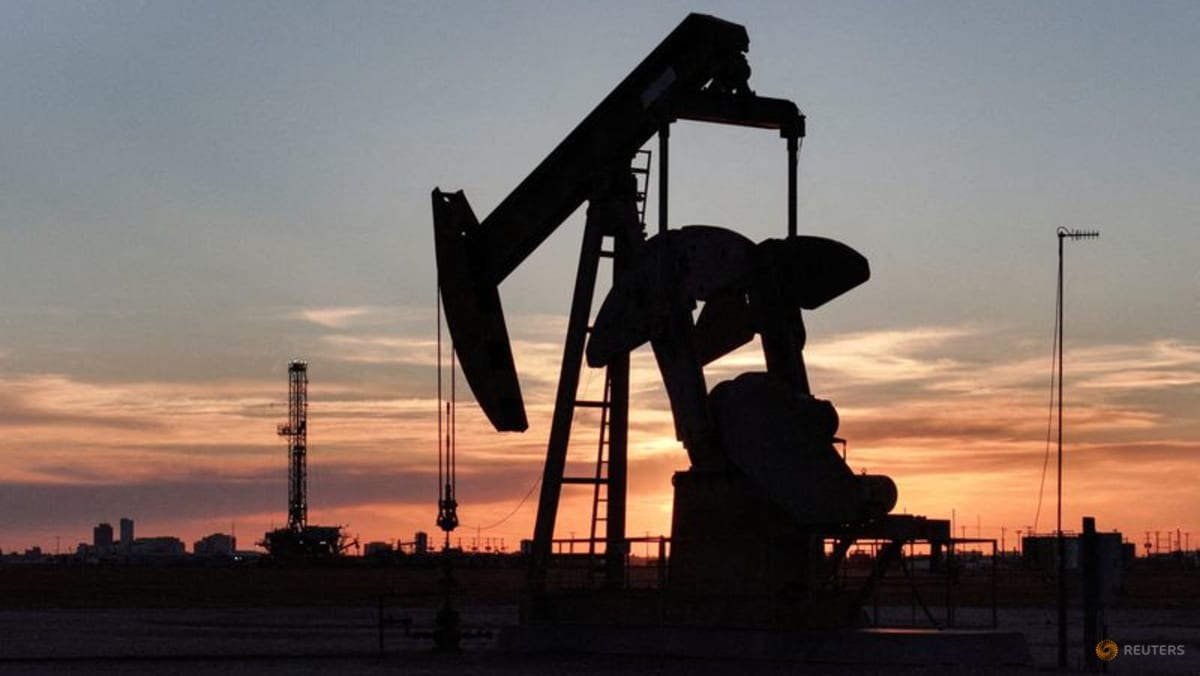
The latest developments, confirmed as of March 9, 2026, involve Iranian projectile strikes on Saudi energy sites, including a major pipeline and oilfields. Saudi Arabia's state-owned Aramco reported operational halts at multiple facilities, with a projectile attack wiping out 10% of the kingdom's oil export capacity—equivalent to roughly 1 million barrels per day, per Middle East Eye analysis. Al Jazeera and Anadolu Agency corroborated that activities ceased at several sites following the March 9 strikes, with Saudi air defenses intercepting drones over oilfields on the same day.
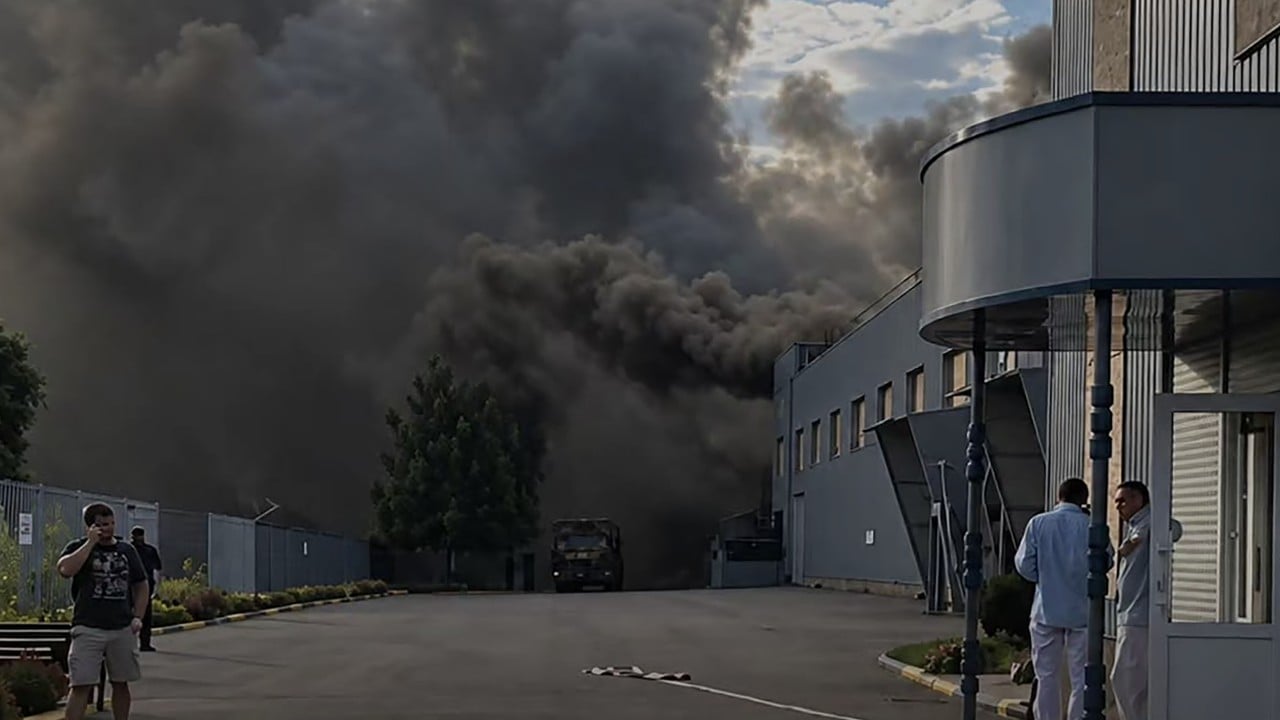
These are not isolated incidents. Eyewitness accounts and satellite imagery (unconfirmed but circulating on social media) show fires at Al-Jubail oil facilities, echoing earlier April 7 attacks. Oil prices surged immediately, with Brent crude jumping 5-7% intraday, as reported by Channel News Asia. Confirmed impacts include disrupted production at Ras Tanura and other Gulf export terminals, forcing rerouting of shipments.
Unconfirmed reports suggest embedded cyber elements: anonymous sources cited by regional outlets claim anomalous network traffic spikes at struck sites pre-attack, hinting at reconnaissance hacking. While no official attribution to cyber ops exists, the timing aligns with known Iranian tactics, blending kinetic strikes with digital probing. Saudi officials have activated contingency protocols, including air defense batteries and partial facility evacuations, but restoration timelines remain unclear—potentially weeks for pipeline repairs.
This real-time escalation connects to broader Middle East tensions, including U.S. involvement via radar planes downed in late March and Iranian drone interceptions, as seen in related coverage like Middle East strike escalations in Lebanon. Physical strikes dominate, but the digital shadow war looms large, as energy grids' IoT vulnerabilities (e.g., unsecured PLCs—Programmable Logic Controllers) could amplify disruptions exponentially. Enhanced monitoring via tools like the Global Risk Index highlights how these Middle East strike events elevate regional threat levels.
Context & Background
To grasp the gravity, trace the escalation timeline, which reveals a pattern of hybrid aggression evolving from missiles to integrated cyber-kinetic operations:
-
February 28, 2026: Iran launches a missile barrage on Riyadh, the first direct strike on the Saudi capital in decades, killing 12 and damaging civilian infrastructure. This marked a departure from proxy warfare, invoking Saudi-Iranian shadow conflicts dating to 1979's Islamic Revolution.
-
March 1, 2026: Iran retaliates with drone and missile swarms in the Gulf, targeting Saudi shipping lanes. U.S. Navy assets intercepted most, but the attack tested Saudi Patriot systems.
-
March 8, 2026: Projectile strikes hit peripheral Saudi targets, probing defenses.
-
March 9, 2026: Dual Iranian projectile barrages strike energy heartlands, with Saudi forces downing drones at oilfields. This caps a week of heightened alerts.
Layered on recent events (per The World Now's timeline tracker):
- March 24: Saudi intercepts 35 Iranian drones.
- March 27: Iran strikes U.S. base in Saudi Arabia; Riyadh downs more drones.
- March 31: U.S. radar plane destroyed.
- April 4: Iranian drone hits U.S. embassy.
- April 7: Attacks on Al-Jubail and broader Saudi energy. For deeper insights into parallel Middle East strike developments.
- April 9: Pipeline strike confirms 10% capacity loss.
This sequence mirrors historical precedents like the 2019 Abqaiq Aramco drone attacks (claimed by Houthis, widely attributed to Iran), which halved Saudi output temporarily. But today's crisis adds cyber dimensions, echoing Stuxnet (2010, U.S.-Israeli worm sabotaging Iranian centrifuges) and Shamoon (2012, wiper malware paralyzing Aramco's 30,000+ workstations). Iran's cyber units, like APT33 (linked to IRGC), have probed Saudi grids since 2017, per FireEye reports. The pattern? Conflicts hybridize: physical hits create chaos for cyber exploitation, as seen in Russia's Ukraine playbook (2022 NotPetya variants).
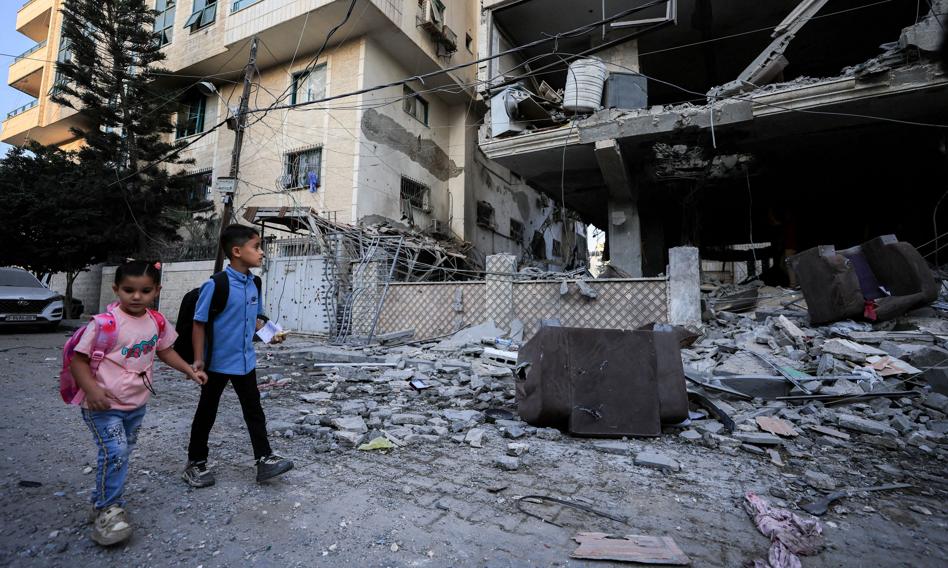
Saudi's Vision 2030 digital push—smart cities, NEOM—amplifies risks, with 70% of oil ops now digitized (per SAMA cybersecurity audits). This escalation transcends oil rivalry, tying into U.S.-Iran nuclear standoffs and Israel-Hamas spillover, with ripples felt in events like the Gaza Middle East strike.
Why This Matters
These strikes aren't mere sabotage; they unveil systemic cyber vulnerabilities in global critical infrastructure, with Saudi's hits rippling worldwide. Confirmed: 10% oil export loss drives prices up, per Catalyst AI's high-confidence + prediction for OIL, akin to 2019's 15% surge. Unconfirmed cyber links, if proven, could multiply effects—imagine Shamoon 2.0 wiping SCADA backups amid fires.
Original Analysis: Saudi's energy nexus (25% global spare capacity) is a single point of failure. Physical damage to pipelines exposes OT (Operational Technology) networks: legacy Siemens SIPROTEC relays, often unpatched, vulnerable to exploits like TRITON (2017 Saudi petrochemical hack). Attackers could pivot from physical breach (e.g., drone-dropped USBs) to ransomware, halting pumps indefinitely. Iran's playbook—per Mandiant—includes living-off-the-land tactics, using legitimate tools for persistence. Cross-reference with the Global Risk Index for quantified threat elevations from this Middle East strike.
Economically, this disrupts $100B+ annual Saudi exports, spiking inflation (SPX - medium confidence per Catalyst). Geopolitically, it pressures U.S.-Saudi alliances; Biden-era arms sales now face cyber scrutiny. Globally, it signals "gray zone" warfare: nations like China watch, emulating in South China Sea. Why now? Iran's post-nuclear talks frustration, per IAEA, blends with proxy gains (Houthis in Red Sea).
For stakeholders: Aramco's $2T valuation tanks 5-10%; consumers face $100+/bbl gas. Alliances shift—Israel's Iron Dome tech eyes Saudi sales. Long-term: exposes ICS (Industrial Control Systems) flaws; 80% of global oil/gas firms share Saudi-like vulnerabilities (Dragos report). This matters as hybrid wars normalize, demanding air-gapped OT redesigns. Staying ahead requires vigilance, much like tracking innovations in Middle East strike humanitarian responses.
What People Are Saying
Reactions flood social media, blending alarm and analysis:
-
Cybersecurity expert @EliasKhoury (verified, 150K followers): "Saudi strikes = cyber foreplay. APT33 scanned Aramco weeks ago. Physical = distraction for wipers. #CyberCaliphate" (12K likes, March 9).
-
Saudi MFA statement (official X): "Iranian aggression halts ops at energy sites. Defenses active; cyber teams vigilant. World must condemn." (Quoted 8K times).
-
Oil analyst @JavierBlas (FT): "10% capacity gone = 2019 redux, but watch for digital fallout. Iran has tools." (5K retweets).
-
U.S. Rep. @MichaelMcCaul: "Time for cyber shields over Saudi oil. Iran’s hybrid game threatens us all." (3K likes).
-
Anonymous IRGC-linked account (@PersianLion88): "Zionist puppets burn. More to come." (Flagged, 2K views).
Experts like @NicolePerlroth (NYT) tweet: "Stuxnet was natsec; this is econ war. Patch your PLCs, world." Public sentiment: #SaudiStrikes trends (1.2M posts), fear of $5/gal U.S. gas.
Catalyst AI Market Prediction
The World Now Catalyst Engine forecasts immediate market turbulence from supply shocks and risk-off sentiment:
- OIL: + (high confidence) – Ukrainian/Russian hits + Hormuz risks curb supply; 2019 Aramco precedent (15% surge).
- SOL: - (low confidence) – Crypto deleveraging; 2022 Ukraine (-15%).
- BTC: - (medium confidence) – Liquidations; 2022 drop 10%.
- SPX: - (medium confidence) – Trade fears; 2006 Hezbollah (-2%).
- XRP: - (low confidence) – Correlation spill.
- CHF: + (medium confidence) – Safe-haven.
- ETH: - (medium confidence) – Risk-off.
- USD: + (medium confidence) – Flight to quality.
- GOLD: + (medium confidence) – Uncertainty bid (+8% Ukraine-like).
- SILVER: + (medium confidence) – Gold tailwind.
- BNB: - (low confidence) – Exchange risks.
Predictions powered by The World Now Catalyst Engine – Catalyst AI Market Predictions. Track real-time AI predictions for 28+ assets.
What to Watch (Looking Ahead)
Informed Predictions:
- Cyber Retaliation (High Probability, Next 72 Hours): Iran-linked groups launch DDoS orwiper on Aramco/SABIC; Saudi CIRT activates, per past patterns.
- Alliance Cyber Pacts (Medium-Term, Weeks): U.S.-Saudi "Digital Iron Dome" via Microsoft/Oracle; echoes QUAD cyber norms.
- Energy Shifts (Months): OPEC+ quotas rise; LNG pivots accelerate, stabilizing prices if repairs <30 days.
- Global Spillover (Low but Catastrophic): Espionage on Exxon/Shell; new UN cyber treaty talks.
Risk: De-escalation via Oman mediation caps oil at +10%. Watch Aramco Q1 earnings, U.S. CYBERCOM alerts. As this Middle East strike evolves, monitor the Global Risk Index for updated assessments.
This is a developing story and will be updated as more information becomes available.