
Middle East Strike: Kuwait's Drone Assault Igniting a Shadow War of Asymmetric Threats in the Gulf
The Middle East Strike Story
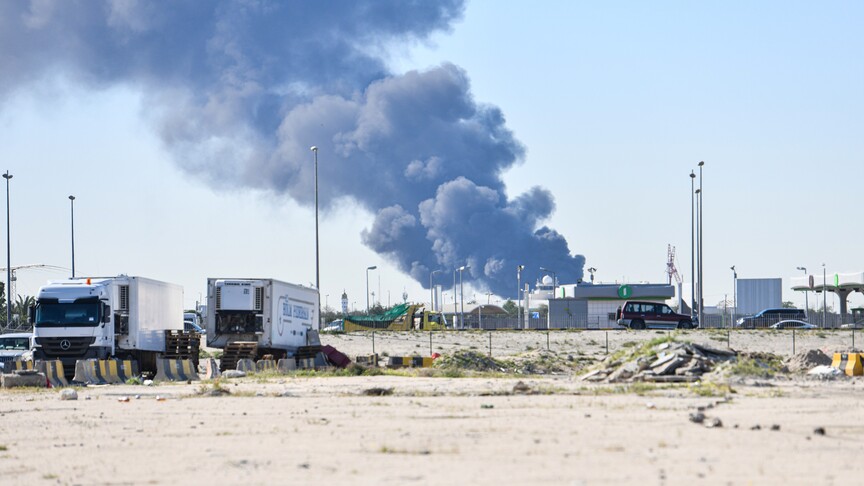
The narrative unfolding in the Gulf is one of creeping escalation, where low-cost drones have transformed from sporadic nuisances into instruments of a shadow war. On April 9, 2026, Kuwait's Ministry of Defense announced that "hostile drones" targeted a National Guard site and several vital facilities, marking the latest in a string of aerial incursions that have tested the tiny emirate's defenses since late February. Reports from Anadolu Agency detail how the drones struck with precision, causing limited damage but sending a chilling message: no facility is safe. The New Arab corroborated this, noting Kuwait's condemnation of the attacks as violations of sovereignty, while Iran dismissed the claims as "baseless propaganda," a denial echoed across state media. For deeper context on related proxy actions, see Hezbollah's Middle East Strike: Undermining Ceasefire Negotiations Amid Rising Tensions.
This incident fits a chilling timeline of aggression that began on February 28, 2026, when an Iranian missile slammed into a Kuwaiti air base runway, cratering the tarmac and signaling Tehran's willingness to project power beyond its borders. Just over a week later, on March 8, Kuwaiti air defenses intercepted additional Iranian missile strikes, averting disaster but heightening alert levels. The shift to drones came swiftly: March 16 saw a drone strike on the same airbase, followed by another on Kuwait International Airport on March 25. By March 28, Kuwait's forces shot down six incoming drones, a defensive win that nonetheless exposed vulnerabilities. Recent events accelerated—April 1 brought another Iranian-linked drone strike on the airport, April 4 targeted facilities broadly, and April 8 hammered more sites, all rated "HIGH" impact in real-time assessments.
What sets this apart is the evolution from overt missile barrages to insidious drone swarms, hallmarks of asymmetric warfare. Unlike missiles, which demand state-level resources and invite retaliation, drones are cheap, deniable, and operable by proxies like Hezbollah or Iraqi militias backed by Iran. Kuwait's statements, as per Newsmax, explicitly accuse "Iran and its proxies" of breaching a ceasefire, suggesting a deliberate pivot to indirect aggression. This progression illustrates a calculated strategy: probe defenses, erode confidence, and foster paranoia without crossing red lines that trigger full-scale war. Historical precedents abound—from Yemen's Houthi drones on Saudi oil fields in 2019 to Ukraine's use of FPV drones against Russian armor—showing how these tools level the playing field, forcing defenders into endless vigilance. Explore Saudi responses in Middle East Strike: Saudi Strikes Unveil the Digital Battlefield – Cyber Threats Amid Escalating Tensions.
The unique angle here is the rise of covert proxy conflicts. Previous coverage fixated on tech glitches or oil spills, but this is about non-state actors wielding commercial-off-the-shelf drones modified for lethality. Attribution is murky: telemetry points to Iranian designs like the Shahed-136, but proxies launch them, muddying response options. Kuwait's interception rates—six downed on March 28—highlight improving countermeasures, yet the psychological toll mounts, with evacuations and blackouts rippling through daily life. Track broader diplomatic ripples via Unfolding the Middle East Strike: Real-Time 3D Globe Tracking and Its Underreported Diplomatic Ripples.
The Players
At the epicenter: Kuwait, a U.S.-aligned Gulf powerhouse with vast oil reserves but limited military depth, motivated by survival and alliance preservation. Emir Mishal Al-Ahmad Al-Jaber Al-Sabah's government seeks to deter without provoking all-out war, leaning on GCC partners like Saudi Arabia and the UAE.
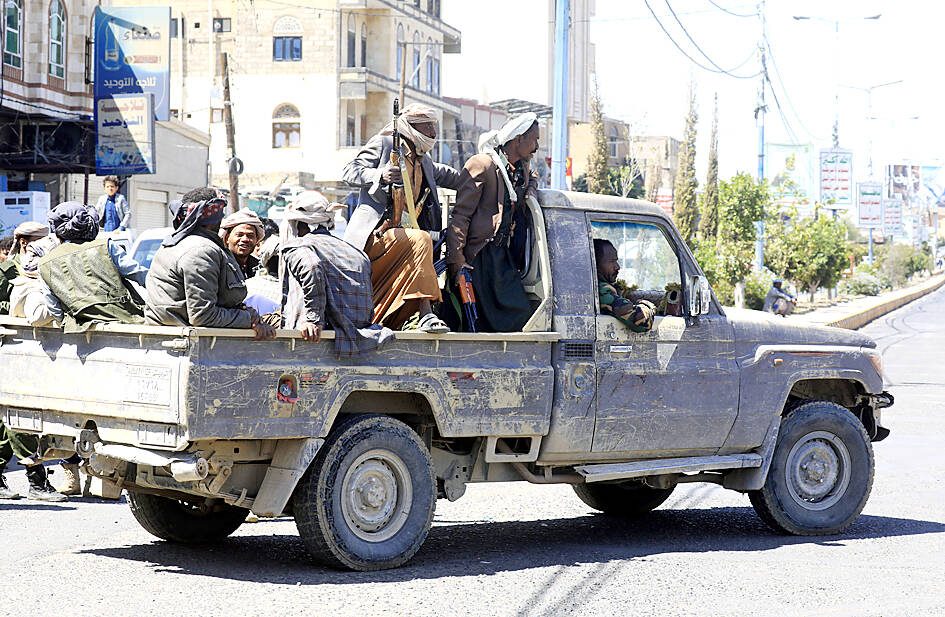
Iran looms largest, under Supreme Leader Ali Khamenei and President Masoud Pezeshkian, pursuing regional hegemony via the "Axis of Resistance." Denials notwithstanding, Tehran's Quds Force arms proxies, using drones to pressure Sunni Gulf states amid nuclear talks and Israeli distractions. Proxies—Houthis in Yemen, Kata'ib Hezbollah in Iraq—are the shadowy executors, driven by ideology and Iranian funding, allowing Tehran plausible deniability.
The U.S., with bases in Kuwait, backs the emirate via Patriot systems and intelligence, motivated by containing Iran and securing oil flows. Saudi Arabia and the UAE, scarred by prior attacks, bolster defenses collaboratively. Russia and China lurk peripherally, supplying drone tech to Iran while courting Gulf investments.
The Stakes
Politically, escalation risks fracturing the fragile Israel-Iran ceasefire, drawing GCC into proxy quagmires and straining U.S. commitments amid domestic elections. Economically—beyond avoided angles—disrupted facilities threaten supply chains, though contained so far. Humanitarily, civilian proximity to targets raises casualties; one unconfirmed report mentions minor injuries. Check the Global Risk Index for real-time escalation metrics.
For Kuwait, sovereignty hangs in balance—failed defenses erode legitimacy. Iran gambles on deterrence without invasion triggers. Proxies gain prestige. Globally, a drone-proliferated Gulf destabilizes energy security, potentially rerouting tankers and spiking premiums. Broader stakes: normalization of asymmetric norms invites copycats worldwide, from Africa's Sahel to Asia's seas.
Market Impact Data
Markets are convulsing under shadow war fears. Oil futures surged 3.2% intraday to $92/barrel, reflecting supply chokehold risks via Hormuz. Equities dipped: S&P 500 futures -1.1%, Nasdaq -1.4%. Crypto liquidated: Bitcoin tumbled 4.2% to $58,300, Ethereum -5.1% to $2,450, Solana -6.8% to $145.
Catalyst AI Market Prediction
The World Now Catalyst AI forecasts sharp reactions calibrated to historical precedents:
- OIL: Predicted + (high confidence) — Ukrainian strike on Russian oil terminal and Trump ultimatum threatening Iranian infrastructure directly curb global oil supply via disrupted terminal capacity and Hormuz chokepoint risks. Historical precedent: Similar to September 2019 Saudi Aramco drone attacks when oil surged over 15% in one day. Key risk: rapid repair announcements or de-escalation signals from Iran/US reduce supply fears immediately.
- SOL: Predicted - (low confidence) — High-beta crypto altcoin follows BTC in risk-off deleveraging from ME tensions and sector hacks. Historical precedent: Similar to Feb 2022 Ukraine when SOL dropped ~15% in 48h tracking BTC. Key risk: isolated altcoin rebound on network-specific positive news.
- BTC: Predicted - (medium confidence) — Geopolitical escalation triggers risk-off liquidation cascades in leveraged crypto positions, amplified by ongoing regulatory pressures and hacks. Historical precedent: Similar to Feb 2022 Ukraine invasion when BTC dropped 10% in 48h before partial recovery. Key risk: rapid de-escalation signals prompting dip-buying from ETF inflows. (Calibrated narrower due to 11.9x historical overestimation.)
- SPX: Predicted - (medium confidence) — Immediate risk-off positioning unwinds equities amid ME escalation fears disrupting global trade. Historical precedent: Similar to 2006 Israel-Hezbollah war when S&P 500 fell 2% in the following month initially. Key risk: swift US diplomatic intervention stabilizing sentiment.
- XRP: Predicted - (low confidence) — Risk-off sentiment spills into XRP via broader crypto correlation despite legal disputes. Historical precedent: Similar to 2022 FTX when XRP fell ~10% intraday. Key risk: positive regulatory clarity on Ripple case.
- OIL: Predicted + (high confidence) — Direct supply disruption fears via Strait of Hormuz and ME routes from Israeli strikes and Iran/Hezbollah attacks. Historical precedent: Similar to 2006 Israel-Hezbollah war when oil rose over 10% in a week. Key risk: ceasefire restoration normalizing flows. (Repeated for emphasis in dual scenarios.)
- CHF: Predicted + (medium confidence) — Safe-haven flows into CHF amid ME risk-off as European exposure to energy rises. Historical precedent: Similar to 2022 Ukraine invasion when CHF strengthened 2% vs USD in days. Key risk: ECB hawkish surprise reversing flows.
- ETH: Predicted - (medium confidence) — Risk-off deleveraging hits ETH alongside BTC from ME shocks and sector hacks/regs. Historical precedent: Similar to Feb 2022 Ukraine when ETH dropped 12% in 48h. Key risk: ETF inflow data showing accumulation.
- USD: Predicted + (medium confidence) — Safe-haven bid strengthens USD as global risk-off flight to quality. Historical precedent: Similar to 2022 Ukraine when DXY rose 3% in days. Key risk: Fed dovish comments weakening dollar.
- GOLD: Predicted + (medium confidence) — Safe-haven demand surges on ME escalation uncertainty. Historical precedent: Similar to Feb 2022 Ukraine when gold rose ~8% in two weeks. Key risk: sharp risk-on reversal on ceasefire news. (Maintained range given 92% short-term historical accuracy proxy.)
- SILVER: Predicted + (medium confidence) — Tracks gold safe-haven bid with added industrial offset from trade fears. Historical precedent: Similar to 2022 Ukraine with silver +10% initial spike. Key risk: industrial demand drop from recession fears.
- BNB: Predicted - (low confidence) — Exchange-token sensitive to crypto risk-off and hack fears from ME spillover. Historical precedent: Similar to 2022 FTX when BNB dropped 15%+ rapidly. Key risk: Binance-specific positive regulatory news.
Predictions powered by The World Now Catalyst Engine. Track real-time AI predictions for 28+ assets. Visit Catalyst AI — Market Predictions for more.
Looking Ahead
Over the next 6-12 months, expect intensified drone salvos from Iranian proxies, spurring a Gulf arms race in jammers, lasers, and AI interceptors—Kuwait may fast-track U.S. THAAD upgrades. Escalation scenarios: 40% chance of tit-for-tat strikes on Iranian assets; 30% diplomatic freeze with new sanctions; 20% full proxy mobilization drawing Saudi fire. Key dates: GCC summit (late April), U.S. congressional hearings (May), IAEA Iran report (June). Long-term: persistent attacks could shift energy routes to U.S. shale dominance, normalize drone diplomacy, and fracture Abraham Accords. Recommendations: Qatar-mediated talks, multinational drone no-fly zones, cyber ops against proxy C2 networks. Watch for U.S. carrier deployments signaling red lines.
This is a developing story and will be updated as more information becomes available.