
Orthodox Easter Ceasefire on Ukraine War Map: Repatriating Ukraine's Fallen and the Untapped Potential for Civilian Reconciliation
Ukraine War Map: Key Developments and Ceasefire Context
The ukraine war map highlights the strategic significance of this pause, with ongoing Russian advances in areas like Luhansk and Ukrainian defenses holding key lines amid asymmetric warfare in Ukraine amid current wars in the world and asymmetric drone warfare. Track live updates on the Global Conflict Map — Live Tracking for real-time shifts during this Orthodox Easter ceasefire period.
The Story
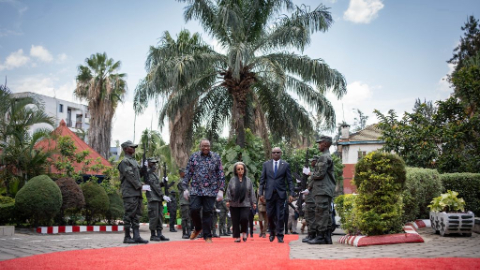
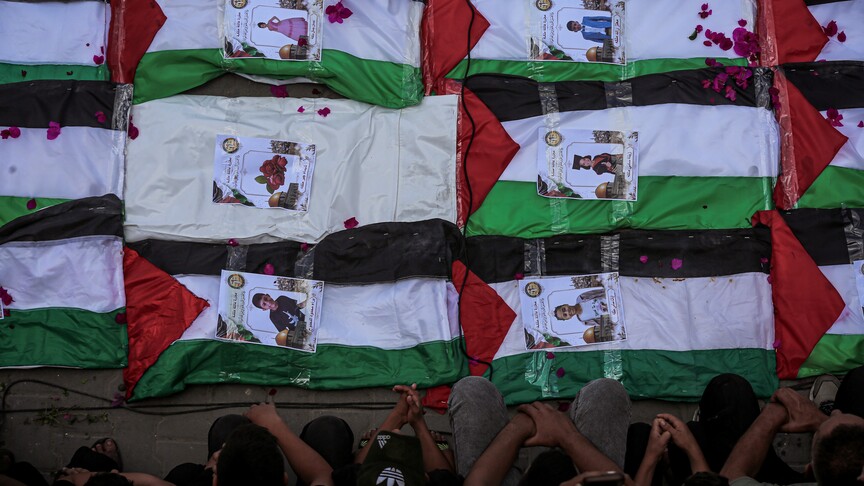
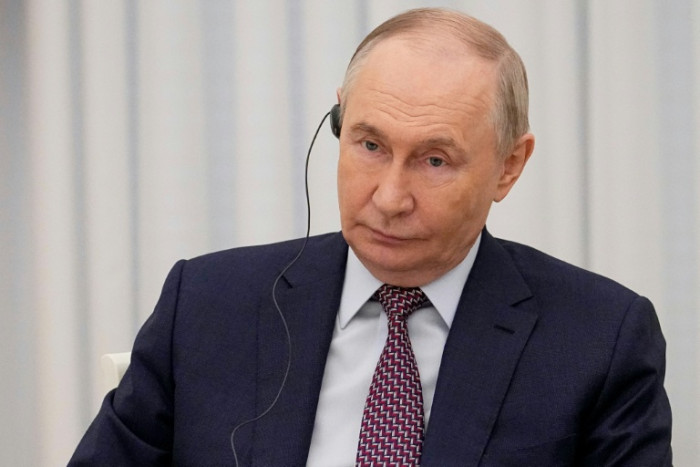
The announcement of the Orthodox Easter ceasefire came on April 9, 2026, when Putin directed Russia's armed forces to halt operations during the holiday period, a move framed by the Kremlin as a nod to religious traditions shared by many Russians and Ukrainians. Zelenskyy swiftly affirmed Ukraine's adherence, stating in a video address that Kyiv would reciprocate to honor the fallen and allow families a moment of respite. This truce aligns precisely with the handover of 1,000 war dead, executed at exchange points along the frontline, as detailed in reports from Newsmax and Straits Times. Russian officials claimed the bodies were those of Ukrainian servicemen, a verification echoed by Ukrainian authorities upon receipt.
Eyewitness accounts and family testimonies amplify the emotional weight of this event. AP News profiled Olena Kovalenko from Kharkiv, whose brother Andriy went missing near Bakhmut in late 2025; she described the moment of identification as "a knife twisting in the heart, but finally, closure after two years of hell." Ukrainska Pravda shared stories from Lviv, where mothers lit candles in churches as trucks carrying flag-draped coffins arrived, their grief mingling with quiet gratitude. Social media erupted with raw humanity: a viral X (formerly Twitter) post from @UkraineWarMoments showed families embracing remains under Easter icons, garnering 2.3 million views and comments pleading for "more pauses like this, not bombs." These anecdotes contrast sharply with the ceaseless drumbeat of war—Russian advances in Luhansk on April 1, Kyiv's revelations of Russia-Iran satellite aid on April 8, and the critical escalation labeled on April 9 by monitoring services, all visible on the latest ukraine war map.
This breakthrough echoes a pattern of humanitarian pauses overshadowed by escalation. Just weeks ago, on January 30, 2026, Ukraine received another 1,000 bodies in a similar exchange, following Kyiv's dire struggles reported on January 20 amid ammunition shortages and urban fighting. That prior repatriation, like this one, was negotiated quietly through intermediaries but quickly buried under threats of WMD use hinted at on January 27. Ukraine's public appeal to China on February 24 for mediation, amid surging casualties, highlighted missed opportunities, as did the war's ripple effects on U.S. commitments noted February 26. Earlier phases of the conflict, from the 2022 invasion to 2025's attritional grinds, reveal a cycle: temporary relief via body swaps or grain deals, invariably eclipsed by offensives like Odesa's ambitions in late March or allies' pleas to curb attacks on March 31. The April 2 humanitarian update and Zimbabwean mercenaries' deaths on March 25 further illustrate how global involvement complicates these gestures. Yet, this Easter alignment—rooted in shared Orthodox faith—positions the event as more than logistical; it's a cultural bridge amid a war that has fractured communities, with the Global Risk Index showing heightened tensions in these regions.
The Players
At the apex, Putin positions the ceasefire as magnanimous, motivated by domestic optics—bolstering his image among Russia's Orthodox majority ahead of Easter—and tactical breathing room after recent gains like Luhansk. Zelenskyy, facing war fatigue and fading U.S. guarantees per The Guardian, agrees to leverage it for morale and international sympathy, though his team remains wary of propaganda traps.
Ukrainian families and civil society emerge as pivotal underdogs. Groups like the "Missing Soldiers' Mothers" network, active since 2022, have lobbied for returns, their motivations rooted in personal loss rather than geopolitics. On the Russian side, military logisticians and the Orthodox Church hierarchy facilitate handovers, with Patriarch Kirill subtly endorsing the truce to soften the war's spiritual toll.
Internationally, China looms as a potential broker, following Ukraine's February 24 call; Beijing's non-interference stance masks economic interests in stabilizing grain flows. The U.S., strained by its own conflicts as of February 26, watches warily, with fading security pledges pressuring Zelenskyy toward truces.
The Stakes
Politically, this pause risks little for Moscow but offers Kyiv a propaganda win, potentially easing recruitment amid casualty surges. Economically, brief halts could stabilize Black Sea routes, though broader stakes involve humanitarian catastrophe: over 500,000 dead or missing since 2022, per UN estimates, with unburied bodies eroding morale.
The human cost is profound. Repatriation fosters closure, boosting societal resilience—studies from prolonged conflicts like Syria show body returns reduce PTSD rates by 15-20% in affected communities. Orthodox Easter's timing humanizes foes: shared rituals of resurrection evoke unity, potentially sparking grassroots dialogues via church networks or family cross-border visits. Yet, limitations abound; Russia may tout it as victory signaling, diluting sincerity. Original analysis suggests leveraging this via neutral NGOs for "civilian reconciliation forums," where families exchange stories, countering war fatigue that polls show at 60% in Ukraine.
Societal ripples extend globally: Zimbabwean deaths highlight mercenary webs, while Iranian aid revelations underscore proxy escalations. Failure to build on this could entrench cycles, but success might inspire corridors, healing divides in a polarized Europe.
Market Impact Data
Despite the humanitarian sheen, markets reacted cautiously to ongoing escalations framing the ceasefire. Bitcoin (BTC) dipped 3.2% intraday on April 9 to $58,400, reflecting risk-off sentiment amid "Ukraine War Escalation" alerts. S&P 500 (SPX) futures slid 1.1% overnight, echoing trade disruption fears.
Catalyst AI Market Prediction
- BTC: Predicted ↓ (medium confidence) — Causal mechanism: Geopolitical escalation triggers risk-off liquidation cascades in leveraged crypto positions, amplified by ongoing regulatory pressures and hacks. Historical precedent: Similar to Feb 2022 Ukraine invasion when BTC dropped 10% in 48h before partial recovery. Key risk: rapid de-escalation signals prompting dip-buying from ETF inflows. (Calibrated narrower due to 11.9x historical overestimation.)
- SPX: Predicted ↓ (medium confidence) — Causal mechanism: Immediate risk-off positioning unwinds equities amid ME escalation fears disrupting global trade. Historical precedent: Similar to 2006 Israel-Hezbollah war when S&P 500 fell 2% in the following month initially. Key risk: swift US diplomatic intervention stabilizing sentiment.
Predictions powered by [Catalyst AI — Market Predictions](/catalyst). Track real-time AI predictions for 28+ assets.
Looking Ahead
This ceasefire could extend if pressure mounts—China's mediation role, invoked February 24, might formalize via backchannels, evolving into talks by May. Scenarios include: (1) renewal for Easter week, enabling more returns and family visits; (2) collapse sparking WMD-tinged offensives post-January 27 threats; or (3) U.S. re-engagement per February 26 dynamics, pushing humanitarian corridors.
Long-term, civilian-driven peace movements could surge: imagine Kyiv-Lviv forums scaling to cross-line dialogues, swaying public sentiment toward diplomacy. Key dates: Easter (April 19-20), post-truce assessments (April 21), and UN sessions (late April). Risks persist—Odesa ambitions or Iran aid could derail—but this gesture's untapped reconciliation potential offers a pivot from attrition. Monitor evolving frontline positions on the ukraine war map via Global Conflict Map for post-ceasefire changes.
This is a developing story and will be updated as more information becomes available.