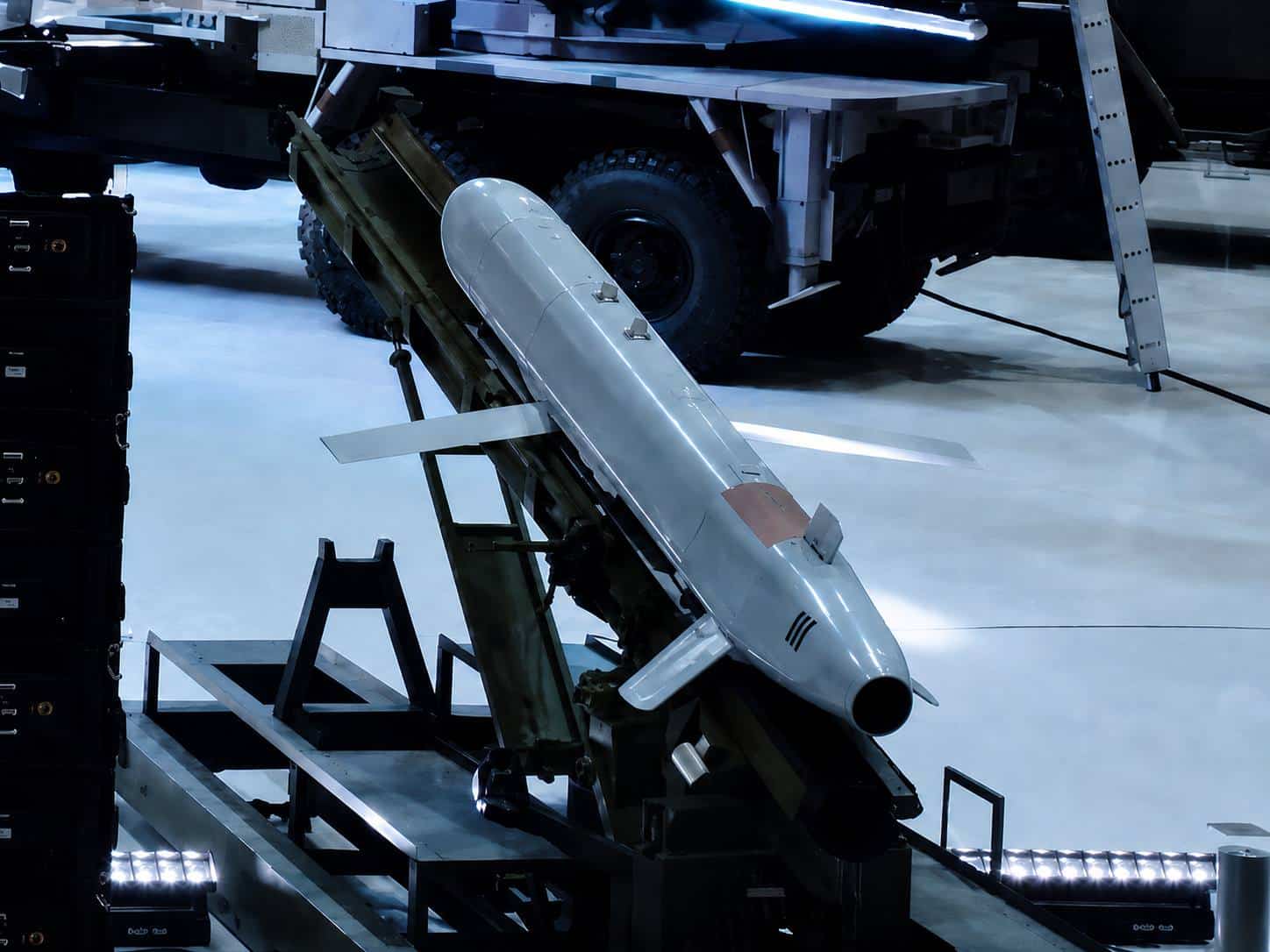

Ukraine Conflict Sees Surge in Russian Banderol Loitering Munition Attacks on Odesa
Russian forces have sharply increased use of the Banderol jet-powered loitering munition against southern Ukraine, particularly Odesa, forcing Ukrainian air defenses to expend costly missiles on a weapon cheaper than a cruise missile but nearly as difficult to intercept in the Ukraine conflict.
Escalating Russian Use of Banderol Munitions
The Banderol, also known as the S8000, flies faster than 500 km/h with a 500 km range and carries a 150 kg warhead. [1] It was first recorded in spring 2025 but usage surged in 2026, with about 80% of June-July attacks on Odesa's food infrastructure using the munition. [1] The weapon typically flies at an altitude of between 400 and 2,000 meters before descending to around 200 meters near its target and is capable of sharp maneuvers, including U-turns within a 2.5 km radius. [1] Russian forces primarily launch the Banderol from Orion reconnaissance drones operating from Russian territory. [1] The munition relies on satellite navigation but includes an autonomous navigation system as backup. [1] It carries a 150-kilogram fragmentation warhead containing up to 50 kilograms of explosives. [1]
Challenges for Ukrainian Air Defenses
The Banderol requires the same air defense assets to intercept as cruise missiles, which can carry warheads about 10 times larger, so it still costs roughly as much to shoot down. [1] Unlike some cruise missiles, it does not require the use of strategic aircraft that could give Ukrainian forces more time to prepare. [1] Domestic production cost of a Russian cruise missile can be around $800,000 while producing the Banderol costs an estimated $50,000–$150,000. [1] Ukrainian aviation expert Anatolii Khrapchynskyi said the enemy is getting a tool that has a profile similar to a cruise missile but is several times cheaper and easier to use. [1] Air Force communications department head Yurii Ihnat said the use of Banderol munitions is not yet widespread, with cases of up to 11 launched in a single day recorded so far. [1] The weapon has also been used in northern, central, and eastern oblasts, with Russian forces employing it 60 times against Kharkiv Oblast since May. [1]
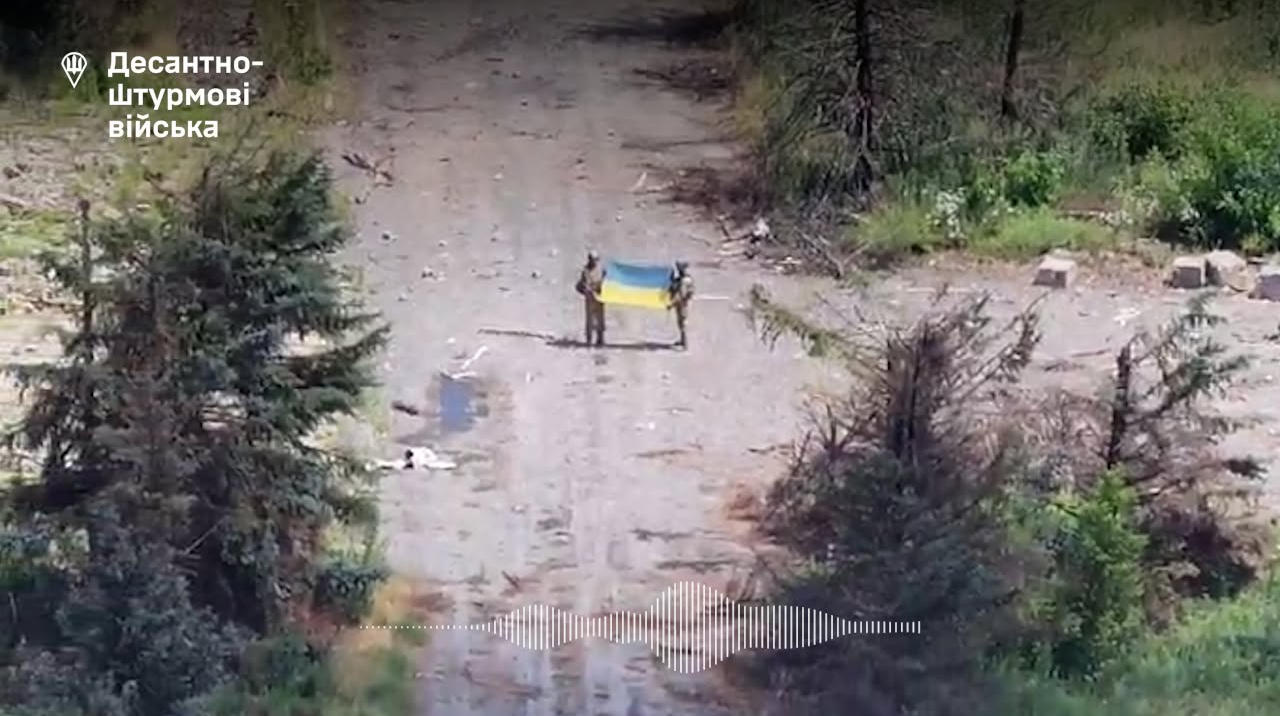
Ukrainian President Zelenskyy reports liberation of 26 villages on Oleksandrivka front. — Source: ukrainskapravda
Ukrainian Offensive Gains on Oleksandrivka Front
Ukraine's Air Assault Forces and other units liberated 26 villages across Dnipropetrovsk, Donetsk, and Zaporizhzhia oblasts from January to August, recapturing 745 square kilometers and inflicting at least 9,550 Russian deaths and 6,600 wounded. [2] President Volodymyr Zelenskyy said the active operations by Ukrainian forces inflicted significant losses on Russian troops during the offensive on the Oleksandrivka front. [2] Commander-in-Chief Mykhailo Drapatyi, Chief of the General Staff Ihor Skybiuk and Commander of the Air Assault Forces Oleh Apostol briefed the president on the results of the operation. [2] Zelenskyy noted that the offensive operation was carried out with precision exactly as planned. [2]
Humanitarian Demining Needs
Ukraine's State Emergency Service requested NATO assistance for humanitarian demining equipment including underwater metal detectors, autonomous underwater vehicles, robotic systems, and underwater cameras due to widespread explosive contamination from the conflict. [3] The request was published on NATO's website through the Euro-Atlantic Disaster Response Coordination Centre. [3] The equipment will be used by territorial units of the State Emergency Service in various regions of Ukraine, including those that have experienced the most intense Russian attacks. [3] The State Emergency Service stated that demining and humanitarian demining of the territory of Ukraine is one of the strategic priorities of the Government of Ukraine. [3]
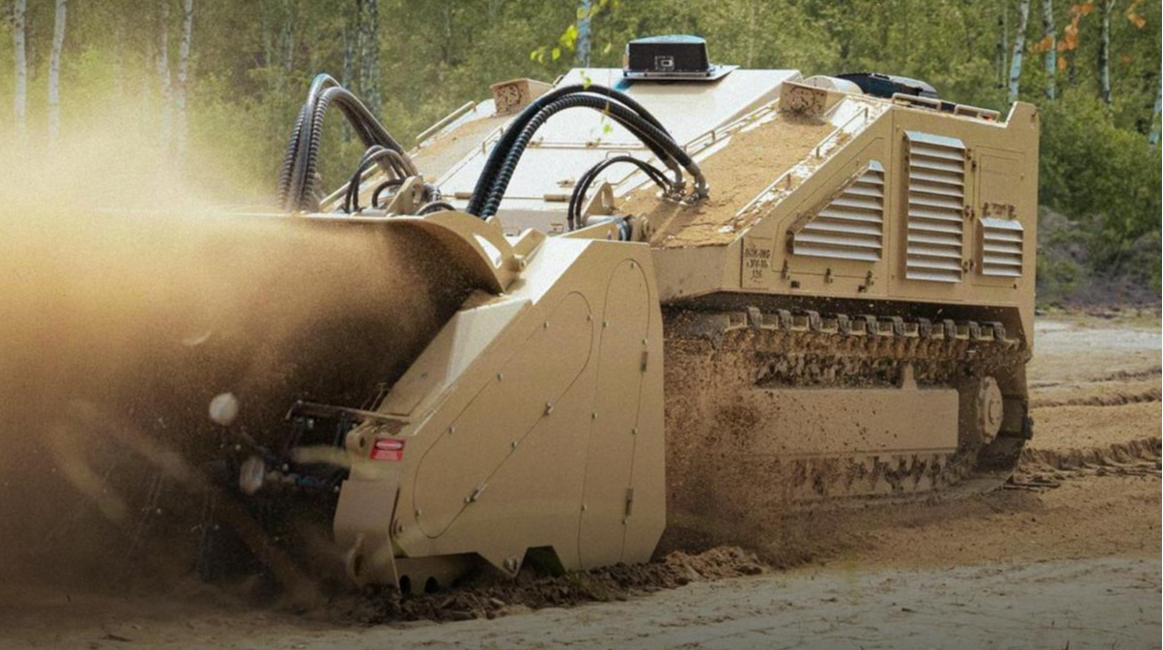
Ukrainian emergency services request NATO humanitarian mine clearance equipment amid rising Russian munitions attacks on Odesa. — Source: ukrainskapravda
Black Sea Port Crisis and Economic Impact
Russian strikes on Black Sea ports and vessels have caused Ukrainian agricultural exports to drop 23%, grain logistics costs to rise by $50 per ton, steel production shutdowns, and a projected 1-1.5% GDP loss by year-end. [5] Since June, Moscow has deliberately stepped up attacks on civilian ships as well as port facilities. [5] Overland trade routes are incapable of transporting the same volumes as the Black Sea and are more expensive, while the shallower Danube River ports face Russian attacks and record-low water levels. [5] Logistics costs for grain have increased by $50 per metric ton while domestic grain prices plummeted. [5] Steel giants Ferrexpo and Metinvest have shut down production at several mines because they are unable to import and export products. [5] Ukrainian Railways is negotiating a 50% transit tariff discount with Moldovan Railways to reduce cargo costs. [5] Kyiv asked the EU for 220 million euros in grants to support small and medium-sized farmers. [5]
Russian Production and Adaptation Trends
Russia produces around 80 Banderol munitions per month as of August and aims for 120 per month in 2026. [1] The weapon uses Chinese jet engines, Japanese batteries, and mostly U.S. electronic components despite sanctions. [1] Ukrainian media outlet Militarnyi reported on Aug. 11 that Russia has reached a production rate of around 80 Banderol munitions per month. [1] Russia continues to modify and improve the weapon, with significant differences between the 2025 and 2026 versions. [1] Khrapchynskyi stressed that increased production would not necessarily translate directly into more launches against Ukraine, as Russian forces are likely to build up stockpiles and disperse them. [1] Russia has already begun building underground storage facilities and various types of shelters to protect launch sites. [1] The growing use of such weapons reflects a broader trend as Russia increases its use of jet-powered weapons. [1]
What to watch next: Turkey is mediating talks between Russia and Ukraine after calling for a moratorium on Black Sea strikes on Aug. 9, with the first results of the talks to restore maritime operations possibly seen on Aug. 20.