
Iran Conflict Oil Slicks Reach Qeshm Mangroves and Oman Coast
Oil slicks from the Iran conflict have reached mangrove forests on Iran's Qeshm island and are spreading toward Oman's coast while diplomatic negotiations continue over reopening the Strait of Hormuz.
Environmental Impact of Oil Slicks
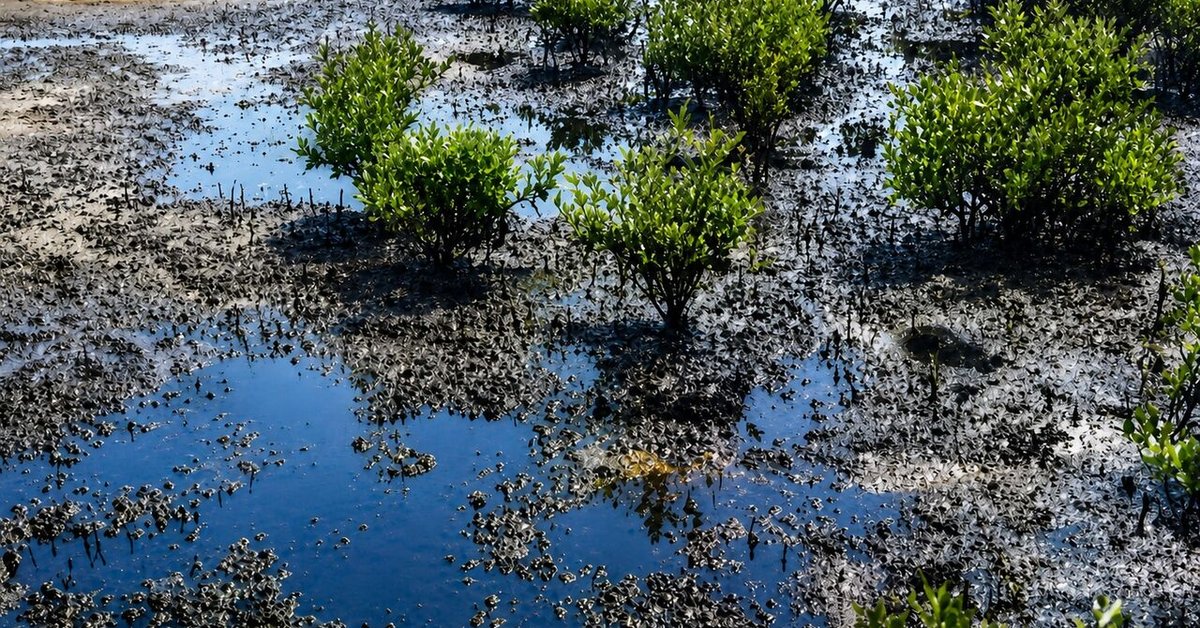
Oil has reached mangrove forests on Iran's Qeshm island while a separate vast slick spreads toward Oman's coast, raising fears of environmental damage in waters already disrupted by war. [1] These slicks stem directly from conflict-related incidents that have left oil pollution in the region. [1] The arrival of oil at the Qeshm mangroves marks a clear escalation in the environmental fallout tied to the Iran conflict. [1] A separate vast slick continues to move toward Oman's coast, heightening concerns over long-term damage to coastal ecosystems. [1] Waters in the area were already facing disruption from the ongoing war before these slicks appeared. [1] The pollution now threatens mangrove forests that serve as critical habitats in the affected zone. [1]
Status of the Strait of Hormuz Blockade
Iran has set conditions for reopening the Strait of Hormuz that include US compensation for violation of a June peace agreement, sanctions relief, asset unfreezing, and a regional ceasefire. [3] The strait remains blocked since the conflict began. [3] Iranian official Mohsen Rezaei stated that the United States must change its behavior and accept Iran's conditions or the Strait of Hormuz will stay closed. [3] Rezaei identified the United States as the source of instability in the Persian Gulf, Gulf of Oman, and Strait of Hormuz. [3] He added that Washington must stop the war, return frozen Iranian assets, and end fighting across the region including Lebanon and Gaza. [3] Iranian FM Abbas Arakchi noted that talks with Oman on the shipping regime in the strait are close to completion. [3] After any deal, ship movement will not resume automatically until the United States first meets the Iranian conditions. [3] An August 8 list from Iran's Supreme National Security Council demanded that the United States lift sanctions and the naval blockade, unfreeze assets, pay compensation, stop threats, and end the war against Iran and its allies. [3] Iran stands ready to allow free passage of commercial vessels through the strait in exchange for removal of US sanctions. [3] This step could form part of a more stable agreement expected after a temporary 60-day deal on Hormuz operations. [3]
Oil slicks from Iran conflict reach Qeshm Island mangroves and spread toward Oman coast. — Source: iraninternational
US-Iran Diplomatic Negotiations
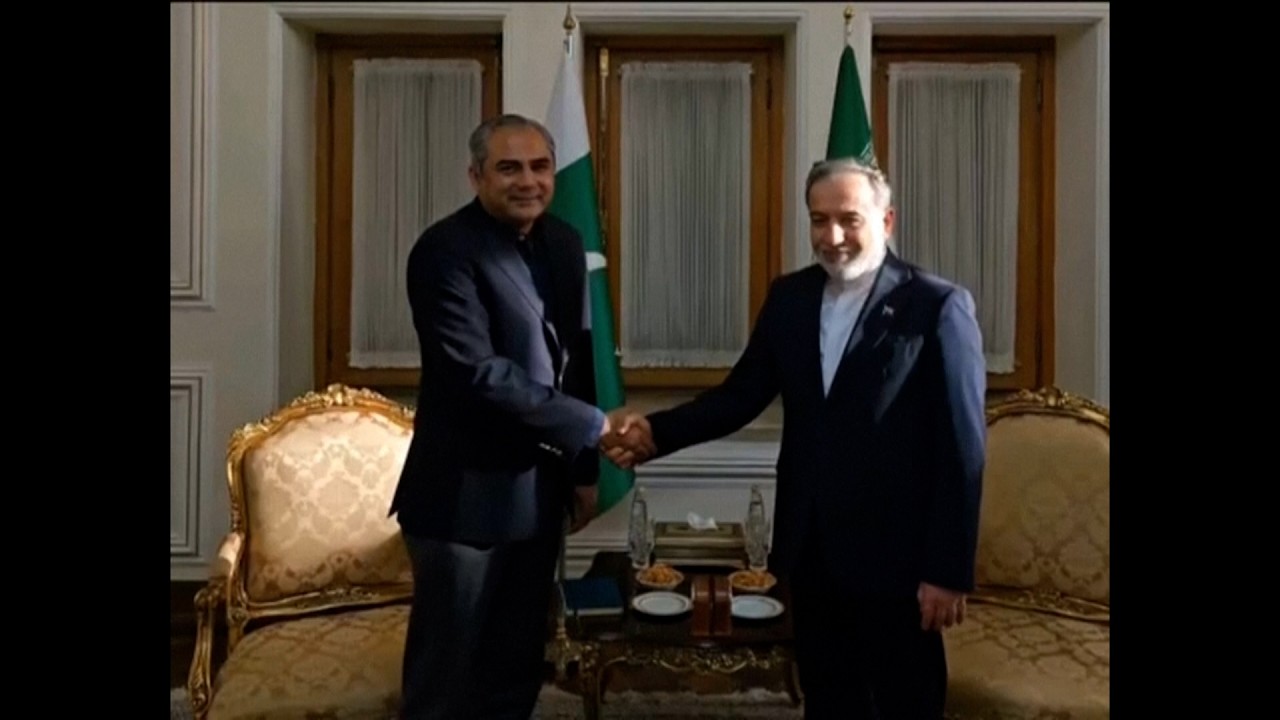
US and Iranian officials are engaged in negotiations with Pakistan acting as a mediator. [3] Iranian FM Abbas Arakchi claims the sides are close to an agreement after US requests for talks about 20 days into the fighting. [3] Pakistani Defense Minister Khawaja Asif said the region is interested in establishing lasting peace and that signals from the last two or three days indicate the sides are close to some form of agreement. [3] In July Pakistani Prime Minister Shahbaz Sharif spoke of his country's readiness to mediate between Iran and the United States. [3] Iranian FM Abbas Arakchi stated that Tehran and Washington have never been so close to signing a memorandum. [3] The Iranian foreign ministry asserts that Washington sought talks less than a month after the acute phase of the conflict began. [3] Arakchi noted that the US president wrote "unconditional surrender" on the first day of the war yet the same opponent begged for negotiations almost 20 days later. [3] In June 2026 Pakistani Prime Minister Shahbaz Sharif announced that the United States and Iran had approved the final text of a peace agreement with Pakistan actively cooperating on next steps. [3] Iranian officials maintain that Tehran has defended its rights on both the battlefield and the diplomatic track. [3] Representatives of several countries have acknowledged Iran's success in military confrontation and diplomacy. [3]
Maritime Incidents and Blockade Enforcement
US forces struck the Panama-flagged container ship Vela Nova in the Gulf of Oman with a Hellfire missile after it ignored warnings and attempted to breach the US naval blockade of Iranian ports. [3] No crew injuries were reported among the 17 members aboard. [3] A US military helicopter opened fire and damaged the vessel's rudder after multiple warnings went unheeded. [3] The incident occurred roughly 71 nautical miles from the Pakistan coast while Vela Nova was heading west. [3] The missile strike caused a fire that was later extinguished. [3] The Vela Nova became the 12th vessel attacked by US forces since the naval blockade began in April and the third since its resumption on 14 July. [3] US Central Command stated that the vessel is no longer moving toward Iran in violation of the blockade. [3] By 11 August US forces had redirected 55 commercial vessels attempting to breach the blockade, disabled three more, and boarded two. [3] The blockade of Iranian ports continues in full force. [3]
Oil slicks from Iran conflict reach Qeshm Island mangroves and spread toward Oman coast. — Source: gdelt
Converging Conflicts in Shipping Lanes
Iran-backed Houthis killed six people in an attack on a vessel in the Bab el-Mandeb strait. [2] Experts describe this escalation as two converging conflicts rather than a new front. [2] The Houthis pursue their own interests while adding pressure on Iran's adversaries. [2] Vital shipping routes from Hormuz to Bab el-Mandeb now face disruption from multiple overlapping sources of conflict. [2] The pattern shows how separate disputes are converging on key maritime corridors. [2] This convergence adds further strain to commercial traffic already affected by the blocked Strait of Hormuz. [2]
Conflict Background and Current Dynamics
The US-Iran conflict started on 28 February 2026 with US-Israeli military operations against Iran. [3] Iran responded with strikes on Israeli and US targets. [3] A temporary ceasefire was agreed in April. [3] Further contacts proceeded through mediators. [3] Iranian officials assert that Tehran has stood up for its rights both militarily and diplomatically. [3] The conflict has led to the ongoing blockade of the Strait of Hormuz and repeated enforcement actions by US forces. [3] Negotiations mediated by Pakistan continue amid these developments. [3]
What to watch next: Talks between Washington and Tehran mediated by Pakistan may advance toward a temporary 60-day deal on Hormuz operations, after which a more stable agreement could follow if US conditions are met.