Gaza War Creates More Than 28,000 New Widows Facing Displacement Alone
The Gaza war has driven the number of widows in Gaza to more than 50,000, leaving thousands of women solely responsible for their families amid displacement, destruction and lack of basic needs. [1]
Rising Widowhood in Gaza
According to data from the Ministry of Social Development in Gaza, the total number of widows in the Gaza Strip has risen to more than 50,000. [1] The figure includes 28,224 women who became widows as a result of the war, in addition to more than 22,500 widows who were already registered with the ministry before the war. [1] Aziza al-Kahlout, spokesperson for the Ministry of Social Development in Gaza, says the number is expected to rise further because not all widows have yet been registered. [1] The ministry data shows these women now face the responsibility of supporting their families without a provider, amid widespread destruction and the collapse of the basic conditions needed for a decent life. [1]
Daily Struggles of Widows in Displacement
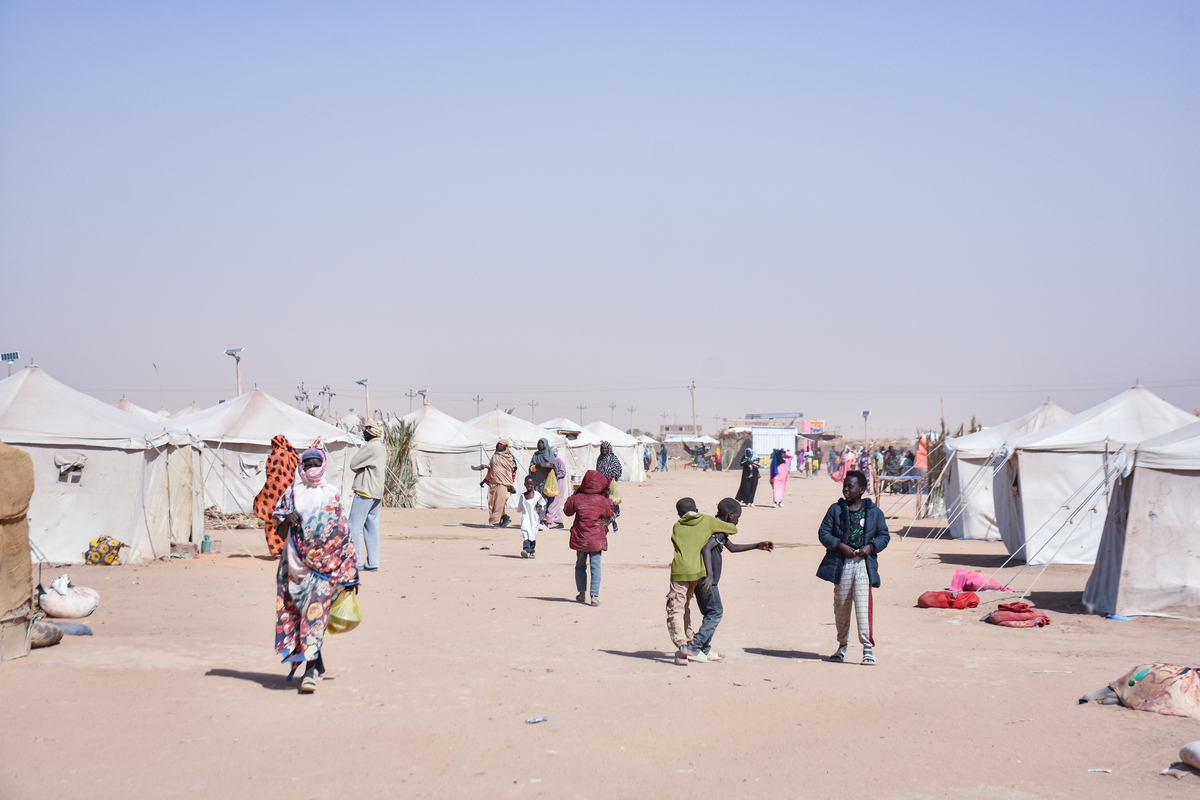
Mona al-Masri is one of thousands of women in the Gaza Strip who have found themselves facing new roles imposed by the war. [1] She is a widow and the mother of four children ranging in age from nine to two. [1] Her husband, Mohammed, was killed in an Israeli strike in September 2024. [1] Under the scorching heat inside a displacement tent in northern Gaza, Mona carries the responsibilities of a family burdened by displacement brought on by the Gaza war. [1] Between fabric walls that provide little protection, she begins each morning trying to secure her family’s basic needs, searching for water, arranging food, and attempting to protect her children from a reality that no longer resembles the life they knew before the war began in 2023. [1] Mona says that what hurts her most is not only the harshness of their living conditions, but also the feeling that she has been forced to confront every detail of daily life alone. [1] “There is no normal life inside the tent. Every day begins with the same questions: how will we secure our needs, and how will we get through another day surrounded by this exhaustion?” Mona says. [1] “The war did not only take away our homes; it took away our sense of safety and stability and made even the simplest things require enormous effort.” [1]

Gaza widow supports her family alone amid widespread destruction and displacement. — Source: thenewarab
Psychological and Social Impacts
Aseel Abu Shaweesh, a psychologist, explains that losing a husband during war represents a traumatic experience with profound psychological and social impacts on widows and their children. [1] She notes that many women who lost their husbands have found themselves facing new and increasing responsibilities while simultaneously dealing with their other troubles. [1] “A widow in Gaza faces the pain of losing her husband, the responsibility of supporting her family, and caring for her children in an environment filled with fear and instability,” Abu Shaweesh says. [1] She adds that many women are forced to hide their grief and emotional collapse so they can carry on in front of their children, while the accumulation of daily pressures and the lack of space to express their pain increase levels of anxiety and psychological exhaustion. [1] Abu Shaweesh explains that children in families who have lost one parent are also deeply affected, especially when the loss of the father is accompanied by displacement and deteriorating living conditions. [1] “A child loses their father and their sense of safety and stability. They may show signs of constant fear, sleep disturbances, and behavioural changes as a result of the difficult experiences they have endured,” Abu Shaweesh says. [1] The psychologist emphasises that widows need continuous support that helps them regain a sense of safety and the ability to manage their lives and their families under these difficult circumstances. [1]
Needs and Required Support
Al-Kahlout stresses that widows’ needs extend beyond financial assistance. [1] They also require psychological and social support, healthcare, and legal assistance related to guardianship, custody, financial rights and inheritance. [1] “Protecting and empowering widows in the Gaza Strip has become a shared national and humanitarian responsibility that requires an urgent and sustainable response,” al-Kahlout says. [1] She explains that widows need regular financial assistance, emergency relief, psychosocial and healthcare services, legal support and educational opportunities, in addition to vocational training and support for small and family businesses. [1] The ministry spokesperson calls for effective programmes for economic empowerment, job creation and strengthening self-reliance to help lift them out of poverty and deprivation. [1]
{IMAGE_3}
Israeli General's Call to Keep Gaza in Ruins
Former Israeli general Giora Eiland has called on Israel to prevent the territory from being rebuilt and instead leave it in ruins “for generations”. [2] Eiland, a former head of Israel's National Security Council, condemned the Trump-backed Board of Peace's proposal to end the war as “very pro-Hamas” and urged the Israeli government to refuse to withdraw its forces from Gaza. [2] “Israel has no interest in Gaza being rebuilt. It is better for us if it remains destroyed for generations,” Eiland said in a radio interview. [2] “The greater the despair in Gaza, the greater the destruction, and the longer Gaza remains a monument to what they did on 7 October, the better.” [2] His comments come as Israeli Prime Minister Benjamin Netanyahu rejects the Board's 15-point plan and refuses to end attacks on Gaza or withdraw Israeli troops, which now occupy around 70% of the enclave. [2]
Echoes in Genocide Case at ICJ
Eiland's latest remarks echo statements he made during the earliest weeks of the war, when he repeatedly argued that making life impossible for Gaza's civilian population should form part of Israel's military strategy. [2] He was among the most frequently quoted Israeli figures in South Africa's genocide case at the International Court of Justice, which cited statements by Israeli officials as evidence of alleged genocidal intent. [2] “Gaza will become an area where people cannot live,” Eiland said in a radio interview on 12 October 2023, days after the war began, as he called for a “terrible, unbearable situation” to be imposed on the territory. [2] “Israel has no choice but to make Gaza a place that is temporarily, or permanently, impossible to live in,” he later wrote in Yedioth Ahronoth. [2] The following month, Eiland went further, suggesting that the spread of “severe epidemics” could accelerate Gaza's collapse. [2] He also advocated the forced transfer of Palestinians from the territory, writing in the British pro-Israel journal Fathom that “the people should be told that they have two choices; to stay and to starve, or to leave”. [2]
What to watch next: Israeli Prime Minister Benjamin Netanyahu continues to reject the Board's 15-point plan and refuses to end attacks on Gaza or withdraw Israeli troops, which now occupy around 70% of the enclave, while Hamas has set compliance with the ceasefire and withdrawal to the Yellow Line as conditions before it surrenders its weapons. [2]