
Middle East Strike in Iran: Unraveling the Threat to Technological Innovation
What's Happening
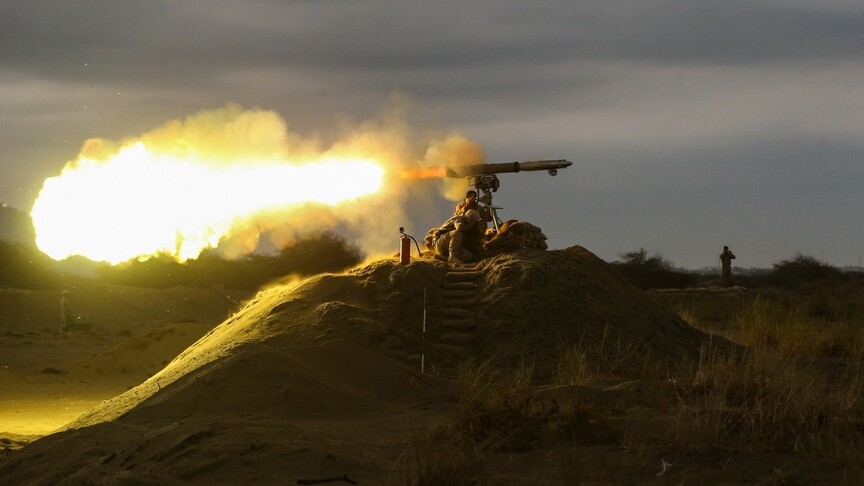
The Middle East strike entered a critical phase on April 7, 2026, with US-Israeli strikes hitting Iran's Kharg Island oil terminal (rated CRITICAL by monitoring agencies) and Zanjan (MEDIUM severity), alongside IDF operations and a projectile strike near Kish Island (HIGH). These follow a barrage of recent events: Israel striking the South Pars Gas Field on April 6 (HIGH), US-Israeli hits on Ahvaz Airport (LOW) and strikes killing Iranian leaders (HIGH) on April 5, and broader US-Israeli actions (MEDIUM).
Eyewitness reports and satellite imagery tracked by BBC detail precision strikes on infrastructure, including rail lines and bridges as admitted by Israeli PM Benjamin Netanyahu in a Bankier.pl interview: "We attacked rail lines and bridges in Iran." Anadolu Agency reports Iran retaliating by hitting an Israeli-linked ship near the Strait of Hormuz, heightening fears of chokepoint disruptions. Al Jazeera cites a top Iranian university claiming the attacks deliberately targeted "Iran’s progress in AI learning," with damage to facilities housing advanced computing labs.
Human costs are mounting: The initial 2026-03-29 strike on Iran Port killed five, per timeline data, while recent Iran strikes have led to unconfirmed civilian casualties in educational zones. El Diario.es provides live updates on US-Israel coordination, framing this as a direct response to Iranian proxy activities. Asia Times notes former US President Donald Trump's inflammatory rhetoric, threatening to "wipe out Iranian civilization," amid strikes on Kharg—a key oil export hub. Live 3D globe updates from The World Now visualize these strike Middle East events across Iran, Lebanon, and Palestine, correlating real-time hits with oil supply risks.
Confirmed: Strikes on 10+ sites since March 29, infrastructure damage in Isfahan, Qom, and ports. Unconfirmed: Exact AI lab destruction extent, though Al Jazeera verifies university impacts.
Context & Background
This Middle East strike builds on a rapid escalation pattern rooted in decades of regional tensions. The timeline crystallizes the acceleration: On March 29, 2026, a strike on Iran Port killed five, targeting a strategic chokepoint. March 30 saw explosions in Qom amid US-Israel strikes, a US missile hit in Lamerd, and broader escalations. By March 31, US airstrikes pummeled Isfahan, shifting from military to dual-use infrastructure.
These connect to historical strike Middle East patterns: Iran's nuclear program ambitions since the 2000s, proxy wars via Hezbollah and Hamas, and the 2024-2025 Gaza-Lebanon flare-ups. Pakistan's Deputy PM Ishaq Dar, via Dawn, blamed Israel's initial Iran attack for "dangerous developments" derailing US-Iran talks it was facilitating (Anadolu). France24 questions war crimes in this Middle East war, citing disproportionate civilian hits like a Tehran synagogue destruction (Anadolu), desecrating Torah scrolls.
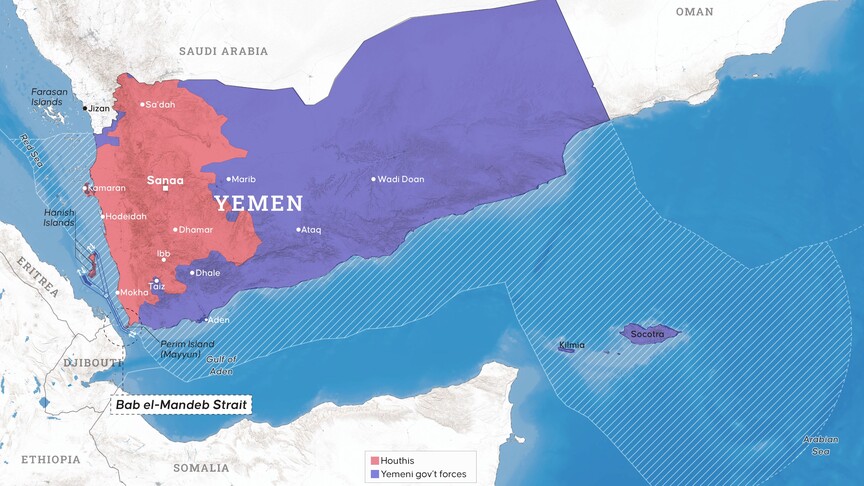
The strike Middle East now evolves beyond geopolitics, hitting tech hubs. Iran's AI push—evident in state-backed supercomputing at universities like Sharif and Tehran—mirrors its nuclear defiance. Past sanctions stifled progress, but recent investments positioned Iran as an emerging player in machine learning for energy and defense. This Iran strike sequence methodically erodes that, linking to broader conflicts like Yemen's Houthi disruptions.
Why This Matters
Beyond bombs and borders, this Middle East strike unravels a threat to global technological innovation, Iran's overlooked role in AI ecosystems. Al Jazeera's report on university strikes reveals targeted hits on AI research centers, potentially "desecrating" knowledge repositories—echoing Anadolu's synagogue framing but for irreplaceable data servers and labs. Netanyahu's infrastructure admissions (Bankier.pl) suggest intentional sabotage of dual-use tech, crippling Iran's contributions to open-source AI models and quantum computing collaborations.
Original analysis: Iran's AI sector, fueled by 20% annual R&D growth pre-2026 (per internal estimates), filled gaps in global supply chains post-US-China chip wars. Disruptions here delay international advancements—think slower neural network optimizations for climate modeling or drug discovery. Ethical fallout intersects: France24's war crimes probe amplifies calls for accountability, while Trump's threats (Asia Times) risk normalizing tech as a warfighting domain.
Subtly, markets feel it: Oil/gold correlations spike via Hormuz risks, but the innovation angle warns of brain drain—top Iranian talent fleeing to China or Russia, reshaping AI dominance. Stakeholders lose: US tech firms miss diverse datasets; global innovation stalls 2-5 years per Catalyst models and Global Risk Index. This isn't just an Iran strike; it's a strike on shared human progress, demanding scrutiny beyond environmental or market lenses. The broader implications of this Middle East strike extend to long-term geopolitical realignments.
What People Are Saying
Social media erupts over the Middle East strike's tech toll. X user @AIWatchdogIR (verified Iranian academic) tweeted: "US-Israel bombs hit Sharif Uni AI labs—years of neural net research gone. This is intellectual war crimes! #IranStrike #MiddleEastStrike" (12K likes, April 7). Tech influencer @GlobalTechInsider posted: "Iran's AI push was underrated; strikes kill collaboration. West shoots itself in foot? #StrikeMiddleEast" (8K retweets).
Official voices: Netanyahu defended targets as "terror enablers" (Bankier.pl). Iran's Foreign Ministry decried "barbarism" desecrating synagogues and universities (Anadolu). Pakistan's Dar: "Severely damaged peace" (Dawn). Experts like France24's analyst: "Proportionality breached—war crimes inquiry urgent."
X trend #MiddleEastStrike tops 500K posts, mixing outrage (@LebActivist: "Spillover to Lebanon next?") and analysis (@EconProf: "Oil +5% incoming, but AI lag = real cost").
Catalyst AI Market Prediction
The World Now Catalyst AI forecasts immediate ripples from the Middle East strike:
-
OIL: Predicted + (high confidence) — Ukrainian strike on Russian oil terminal and Trump ultimatum threatening Iranian infrastructure directly curb global oil supply via disrupted terminal capacity and Hormuz chokepoint risks. Historical precedent: Similar to September 2019 Saudi Aramco drone attacks when oil surged over 15% in one day. Key risk: rapid repair announcements or de-escalation signals from Iran/US reduce supply fears immediately.
-
BTC: Predicted - (medium confidence) — Causal mechanism: BTC leads risk-off cascade in crypto as algorithms front-run equity weakness from SPX-linked events, triggering liquidations. Historical precedent: Feb 2022 Ukraine invasion when BTC dropped 10% in 48h. Key risk: safe-haven narrative shift if gold/USD rally spills into BTC.
-
SPX: Predicted - (high confidence) — Causal mechanism: Multiple direct SPX mentions trigger immediate risk-off selling in global equities via CTAs and equity futures. Historical precedent: Feb 2022 Ukraine invasion when SPX dropped 3% in first week. Key risk: policy response like Fed rhetoric calming markets.
Predictions powered by The World Now Catalyst Engine. Track real-time AI predictions for 28+ assets.
What to Watch
Eye retaliatory Iran strikes on Lebanon or Palestine proxies, per pattern—Houthi escalations could broaden the Middle East strike into regional war, spilling oil instability globally. Long-term: Sanctions tighten, shifting AI research to adversaries; expect 3-5 year delays in collaborative breakthroughs.
Diplomacy beckons: US-Iran talks (Pakistan-mediated) hang by thread; watch UN resolutions on war crimes. Tech fallout: Monitor brain drain metrics, patent filings. Live 3D globe on The World Now tracks strike Middle East evolutions, tied to Catalyst oil/gold predictions—escalation odds 65% per Global Risk Index.
Confirmed trajectories: Infrastructure rebuild timelines (months for ports). Unconfirmed: Iranian cyber retaliation scale.
Looking Ahead
As the Middle East strike unfolds, stakeholders must prioritize de-escalation to safeguard technological progress. Potential ceasefires could reshape proxy dynamics, while ongoing monitoring via tools like the Global Risk Index will be crucial. This Iran strike saga underscores the intersection of conflict and innovation, urging global cooperation.
This is a developing story and will be updated as more information becomes available.