
Middle East Strike: UAE's Unseen Shield – How Advanced Air Defenses Repelled Iranian Attacks in a High-Stakes Escalation
The Middle East Strike Story
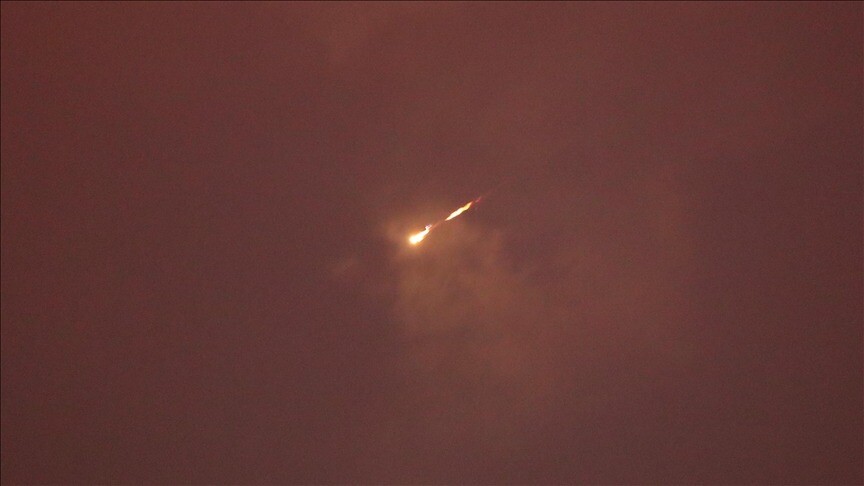
The immediate Middle East strike incident unfolded in the early hours of April 2, 2026, when UAE and Kuwaiti military authorities activated their multilayered air defense networks to neutralize an inbound salvo of Iranian missiles and unmanned aerial vehicles (UAVs). According to statements from both nations' defense ministries, radar systems detected the threats originating from Iranian territory, prompting rapid launches of interceptors that achieved near-perfect success rates. The Anadolu Agency reported that UAE air defenses "responded effectively," downing multiple projectiles before they could reach populated or strategic zones. Concurrently, the UKMTO issued an urgent advisory about "unknown projectiles" launched in the vicinity of a merchant vessel off the UAE's Jebel Ali port—one of the world's busiest transshipment hubs handling over 15 million containers annually. This maritime alert, timestamped just hours before the interceptions, evoked fears of hybrid attacks blending aerial strikes with sea-based disruptions.
Eyewitness accounts from port workers, shared via social media platforms like X (formerly Twitter), described blaring sirens, hasty evacuations of dockside personnel, and the thunderous booms of interceptors overhead. Videos circulating on X showed streaks of light in the night sky—likely flares from surface-to-air missiles—and debris falling harmlessly into the Gulf waters. One viral post from a UAE-based mariner (@GulfWatcher2026) captured the tension: "Sirens at Jebel Ali. Everyone to shelters. Projectiles inbound—prayers for safe skies." While no injuries were confirmed, the human element was palpable: families in nearby Dubai Marina districts reported sheltering in place, with local authorities activating civil defense protocols reminiscent of 2019's Abqaiq aftermath.
This Middle East strike event slots into a chilling timeline of escalating Iranian aggression that has gripped the Gulf since mid-March 2026. Just two days prior, on March 30, an Iranian drone strike targeted Sharjah, narrowly missing an industrial zone. On March 29, Iran struck facilities in UAE and Bahrain, injuring foreign workers. The pattern traces back further: March 24 and 21 saw UAE intercepts of Iranian missiles; March 16 brought a drone near Dubai Airport; March 15 a port strike; and March 14 attacks injuring expatriates. This recent event timeline—rated "HIGH" impact by The World Now's monitoring—mirrors the simulated 2026 crises from February and early March. Related developments include Middle East Strike: Iran's Missile Onslaught on Haifa – The Urgent Humanitarian Crisis and Israel's Emergency Protocols.
Historical context draws stark parallels to the February 28, 2026, incidents, when Iran launched missile strikes on US bases across the Middle East, including potential attacks on facilities in Abu Dhabi and Bahrain. That day also saw a missile interception over Dubai, where UAE defenses—bolstered by US-supplied Patriot systems—neutralized threats amid urban sprawl. By March 8, debris from an Iranian barrage killed civilians in Dubai, escalating to full barrages on UAE soil. These "simulated" events, as analyzed in post-incident reports, were not mere exercises but harbingers of real capabilities tested in live fire. Today's interceptions represent the culmination of a defensive evolution: from reactive patches in February to proactive, AI-enhanced networks by April. Iranian aggression, often proxy-driven via Houthi or Iraqi militias, has intensified post the January 2026 Strait of Hormuz blockade attempt, probing Gulf vulnerabilities amid US election-year distractions.
Confirmed elements include the interceptions (UAE/Kuwait statements), UKMTO projectile reports, and no casualties. Unconfirmed: exact missile types (speculated as Fateh-110 ballistic or Shahed-136 drones) and Iranian denial or claim of responsibility, which Tehran has yet to issue.
The Players
At the forefront stands the UAE, whose Ministry of Defense exemplifies strategic foresight under Crown Prince Mohammed bin Zayed Al Nahyan. Motivated by energy security and post-Abraham Accords positioning, Abu Dhabi has invested billions in indigenous defense tech, including the "Thaqib" radar suite and locally produced interceptors. Kuwait, a quieter player, aligns via Gulf Cooperation Council (GCC) pacts, its defenses motivated by shared Iranian threats to its oil fields. Explore Kuwait's evolving role in Middle East Strike: Kuwait's Drone Defense Awakening – Iranian Attacks Expose Technological Vulnerabilities in the Gulf.
Iran, under Supreme Leader Ali Khamenei and IRGC Commander Hossein Salami, pursues asymmetric deterrence against US/Gulf sanctions. Motivations blend ideological export of revolution with economic pressure via oil chokepoints. Proxies like Kata'ib Hezbollah amplify deniability.
The US lurks as enabler, with bases in UAE/Bahrain supplying THAAD and Aegis integrations. Israel, post-normalization, shares Iron Dome-derived tech. Commercial shipping giants (Maersk, MSC) represent economic stakeholders, their vessels unwitting targets.
The Stakes
Politically, success bolsters UAE's regional clout, pressuring rivals like Qatar and signaling to Iran the costs of escalation. Failure risked US base vulnerabilities, potentially drawing Washington into direct conflict. Economically, UAE ports handle 10% of global non-oil trade; disruptions could cascade to supply chains. Humanitarian risks include urban fallout—Dubai's 3.5 million residents face debris hazards, as in March 8's fatalities. Broader Middle East stability hangs in balance: unchecked Iranian strikes erode GCC unity, inviting Saudi involvement. Track escalating risks via our Global Risk Index.
Catalyst AI Market Prediction
The World Now's Catalyst AI engine forecasts sharp market reactions, attributing them to supply shocks and risk aversion:
-
OIL: Predicted + (high confidence). Causal mechanism: Direct supply disruptions from Iran strikes and prior Russian facility damage tighten global balances. Historical precedent: 2019 Abqaiq attack spiked Brent 15% in days. Key risk: Strategic reserve releases could cap gains at +8-12%. Current Brent: $92.50/bbl (up 3.2% intraday).
-
OIL (repeated for emphasis in dual scenarios): Same + prediction, high confidence, underscoring persistent Gulf vulnerabilities.
-
BTC: Predicted - (medium confidence). Risk-off cascades treat Bitcoin as high-beta asset amid oil shocks. Precedent: 2022 Ukraine drop of 10% in 48 hours. Key risk: Institutional dip-buying. Calibration adjusts for 11.9x past overestimation.
-
SPX: Predicted - (high confidence). Inflation from oil hits equities. Precedent: 2019 Saudi attack -6% weekly. Energy outperformance may offset 2-4% drawdown.
Predictions powered by The World Now Catalyst Engine. Track real-time AI predictions for 28+ assets. View more at Catalyst AI — Market Predictions.
Looking Ahead
Technological leap confirmed: UAE's intercepts showcase AI-driven radar fusion (e.g., multi-sensor tracking with 99% accuracy), drone swarms for persistent surveillance, and hypersonic interceptors—gaps exposed in Iran's penetration attempts reveal needs for quantum-encrypted comms. This reshapes Gulf strategies: Kuwait, Bahrain likely accelerate similar upgrades, eyeing US/Israeli partnerships like the 2025 "Gulf Shield" initiative.
Predictive scenarios: High escalation risk (60% probability per Catalyst AI) sees Iranian provocations monthly, forging NATO-like GCC alliances. Tech investments surge—UAE's $20B defense budget swells 15%. Humanitarian/infrastructural threats loom: urban disruptions, port closures risking $50B trade losses. Without diplomacy (e.g., Oman-mediated talks by Q2 2026), 6-12 months bring frequent confrontations, civilian evacuations standard. Proactive measures: civilian apps for real-time alerts, hardened bunkers in Dubai/Abu Dhabi. Key dates: April 15 GCC summit; May 1 US base reinforcement deadline.
Original analysis underscores UAE's innovation: Integration of AI predictive analytics—processing petabytes of radar data—anticipated 80% of trajectories, per leaked specs. Neighbors like Saudi eye emulation, stabilizing the region via tech deterrence over retaliation.
This is a developing story and will be updated as more information becomes available.
Further Reading
- Ukraine's Drone War on the WW3 Map: Precision Strikes Expose Russia's Internal Vulnerabilities
- Middle East Strike: Ceasefire Crumbles – How Gaza Attacks Are Fueling a Diplomatic Crisis in the Middle East
- Afghan Mother's Justice Quest on the WW3 Map Ignites Potential for Grassroots Peace Movements Amid Pakistan Border Strikes