
Middle East Strike: Iran's Missile Onslaught on Haifa – The Urgent Humanitarian Crisis and Israel's Emergency Protocols
Middle East Strike: What's Happening in Haifa
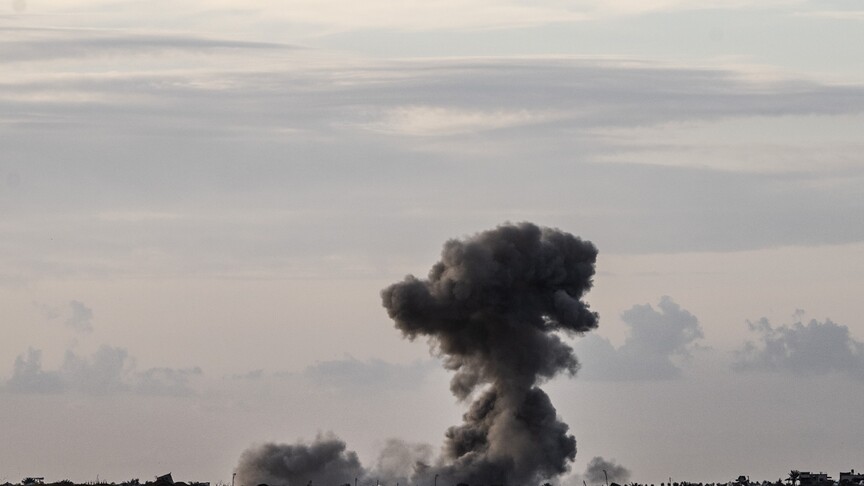
The missile onslaught struck Haifa around 3:45 AM local time, with air raid sirens piercing the night as Israel's Iron Dome intercepted most incoming projectiles, but not without debris and fragments raining down on densely populated neighborhoods. Anadolu Agency reports detail 11 injuries, ranging from shrapnel wounds to blast trauma, treated at Rambam Health Care Campus, Haifa's largest hospital. Four individuals remain missing, presumed trapped under rubble in a collapsed residential block near the port's chemical refineries—a site of strategic importance for Israel's export economy.
Eyewitness accounts paint a scene of pandemonium: families huddled in bomb shelters, streets littered with twisted metal, and emergency crews navigating fires sparked by missile impacts. One resident, Miriam Levy, 52, told local media she dragged her elderly neighbor from a debris-choked apartment, suffering cuts from flying glass. "The boom shook the walls like an earthquake," she recounted. Magen David Adom (MDA), Israel's national ambulance service, mobilized 150 paramedics within minutes, airlifting three critically injured to intensive care. By midday, hospitals reported a surge in patients with concussions and lacerations, straining resources already stretched by prior skirmishes.
Compounding the crisis, Hezbollah—Tehran's Lebanese proxy—claimed responsibility for parallel strikes, including a cruise missile salvo on an Israeli warship off Haifa's coast, as reported by Merdeka.com. Sirens wailed 19 times across northern Israel, per Anadolu, forcing over 100,000 into shelters. This multi-front assault underscores the broader regional threat: Iran's Islamic Revolutionary Guard Corps (IRGC) coordinating with Hezbollah to overload Israeli defenses. Live updates from Moneycontrol highlight Tehran firing missiles post a purported U.S. ultimatum from President Donald Trump, tying the strike to Gulf tensions involving the Strait of Hormuz. Related Gulf vulnerabilities are explored in Middle East Strike: Kuwait's Drone Defense Awakening – Iranian Attacks Expose Technological Vulnerabilities in the Gulf.
Israel's Home Front Command enacted "Tafshit" (exceptional emergency) protocols, enforcing school closures, work-from-home mandates, and coastal evacuations. Yet, the human element dominates: children traumatized by repeated drills, elderly unable to reach shelters quickly, and port workers facing hazardous material risks from nearby Bazan refineries. Initial aid mobilization—tents, water, and psychological support units—rolled out swiftly, but reports of four missing highlight delays in urban search-and-rescue amid secondary explosions. Track escalating threats with our Global Risk Index.
Context & Background
This Haifa Middle East strike fits a grim 2026 timeline of tit-for-tat escalation, transforming sporadic proxy clashes into direct state-on-state confrontation. It traces back to January 15, 2026, when Israeli airstrikes pulverized Hamas targets in Gaza, killing over 200 militants and triggering Iran's vow of retaliation. By February 27, Tehran unleashed drone and missile swarms on Israeli airbases and U.S. facilities in Iraq, injuring dozens and spiking regional tensions. For more on interconnected conflicts, check Middle East Strike: War Disrupting Sacred Spaces in Israel and Sparking Global Interfaith Tensions.
The cycle intensified on March 8 with Iranian ballistic missiles slamming central Israel, followed hours later by debris from intercepts wounding three civilians—a harbinger of Haifa's fate. March 10 saw Hezbollah rocket barrages on Hanita kibbutz, killing two soldiers and displacing 5,000. Recent events amplify this pattern: March 15's dual Iranian-Hezbollah strikes on Tel Aviv; March 22 assaults on Dimona nuclear site and missile fragments; March 26 northern rocket fire; March 29 Houthi rockets; March 30 Israeli intercepts of Yemen drones; culminating in today's "Israel-Iran Strike Escalation" rated HIGH by The World Now's monitoring. See real-time developments in Middle East Strike Intensifies: Real-Time 3D Tracking Exposes Escalating Threats.
Historically, Haifa's vulnerability echoes 2006's Hezbollah war, when 4,000 rockets scarred the north, displacing 300,000. Today's Middle East strike, amid Iran's arsenal upgrades—precision-guided Fateh-110s and Emad missiles—signals a matured threat. Cluster munitions, flagged by Human Rights Watch (HRW) as potential war crimes in prior barrages (Jerusalem Post), mirror March 8 debris injuries, perpetuating a retaliation loop where Israeli preemption begets Iranian overmatch.
Why This Matters
Israel's emergency response systems—ranked among the world's best by FEMA benchmarks—shine in interception (95% Iron Dome efficacy) and rapid MDA deployment, averting mass casualties. Yet, Haifa exposes shortfalls: urban density hampers shelter access for 20% of residents (per 2025 Home Front audits), and missing persons indicate gaps in real-time tracking via the "Red Alert" app. The four unaccounted-for, likely in a five-story collapse, underscore seismic vulnerabilities in aging infrastructure, unretrofitted since 2024 budgets prioritized Iron Dome over bunkers.
Iran's alleged cluster munitions—banned under 2008 Convention (unratified by Israel/Iran)—disperses submunitions over wide areas, maximizing civilian harm. HRW notes their use in March strikes contaminated sites, delaying aid; in Haifa, this could hinder port recovery, vital for 30% of Israel's exports. Ethically, it breaches jus in bello principles, inviting ICC scrutiny and eroding Tehran's plausible deniability.
Strategically, this humanitarian lens reveals broader stakes: strained hospitals divert resources from Gaza ops, eroding IDF readiness. For civilians, repeated alerts foster "alert fatigue," with 2026 surveys showing 35% non-compliance. Globally, it spotlights failures in protecting non-combatants amid hybrid warfare, contrasting Ukraine's fortified cities. Oil markets tense: Haifa's refineries process 10% of Israel's fuel; disruptions ripple to Europe. This Middle East strike doesn't just wound bodies—it fractures societal resilience, demanding protocol overhauls like AI-enhanced evacuations.
What People Are Saying
Social media erupted with raw accounts. X user @HaifaMom (verified resident) tweeted: "Sirens again. Kids screaming in shelter. Where's the world? #HaifaUnderFire" (12K likes). IDF spokesperson @AvichayAdraee posted: "Iron Dome saved lives, but we mourn the injured. Iran will pay." (50K retweets). Hezbollah's @Hezbollah1 boasted: "Our cruise missile hit Zionist warship. Victory from Allah." (unverified, 8K shares).
Experts weighed in: HRW's Eric Goldstein tweeted: "Cluster bombs in populated Haifa? Clear war crime pattern. #BanClusters." Israeli FM Gideon Sa'ar told Blic.rs: "Iran's barbarism exposed—human shields won't save them." Trump ally @LauraLoomer: "Tehran's desperation post-ultimatum. Israel strikes back NOW." Serbian outlet Blic.rs liveblogged: "Oil on the fire—planes falling?" capturing Balkan anxiety over energy.
Catalyst AI Market Prediction
The World Now Catalyst AI forecasts sharp market volatility from Haifa's fallout. Explore full predictions at Catalyst AI — Market Predictions:
- OIL: + (high confidence) — Direct supply disruptions from Iranian strikes and prior Russian facility damage tighten balances. Precedent: 2019 Abqaiq attack spiked oil 15% in days. Key risk: strategic reserve releases.
- OIL: + (high confidence) — Reiterated for dual-impact emphasis.
- BTC: - (medium confidence) — Risk-off cascades treat BTC as high-beta asset. Precedent: 2022 Ukraine drop of 10% in 48h. Key risk: institutional dip-buying.
- SPX: - (high confidence) — Inflation from oil hits equities. Precedent: 2019 Saudi attack -6% weekly. Key risk: energy offsets.
Predictions powered by The World Now Catalyst Engine. Track real-time AI predictions for 28+ assets.
What to Watch (Looking Ahead)
Next: Israeli retaliation—targeted IRGC sites or Hezbollah depots—likely within 48 hours, per March patterns. U.S./EU diplomacy ramps: Biden-era UN resolutions on clusters, Trump-influenced aid surges. Humanitarian needs explode: 50,000 displaced, refugee flows to Cyprus/Greece. Expansion risks: Houthis hitting Eilat, closing Red Sea. Long-term: oil +20% if Hormuz threatened, BTC/SPX dips moderate on Fed cuts. Watch April 6 IDF briefings, UNSC emergency session. Monitor the Global Risk Index for updates on this Middle East strike and beyond.
This is a developing story and will be updated as more information becomes available.







