Ukraine's Drone War on the WW3 Map: Precision Strikes Expose Russia's Internal Vulnerabilities
Overview of the Latest Strikes on the WW3 Map
The strikes unfolded with alarming speed and surprise, catching Russian authorities off-guard despite heightened alerts. According to Russia's Defense Ministry, cited in Newsmax reports, air defenses intercepted 148 Ukrainian drones across multiple regions in a frantic three-hour window early on April 5. Yet, the attacks inflicted tangible damage: at Primorsk port on the Baltic Sea, a key export hub handling up to 10 million tons of oil products annually, a fuel reservoir was struck, igniting fires and causing debris to damage nearby oil pipelines, as detailed by Al Jazeera and Times of India. Videos circulating on Russian Telegram channels—unverified but widely shared—showed plumes of black smoke rising over the facility, with local residents reporting explosions audible for miles.
Further inland, the NORSI (Nizhny Novgorod Oil Refinery), operated by Lukoil and processing 240,000 barrels per day, sustained direct hits, sparking a massive fire that engulfed parts of the complex and a nearby power plant, per statements from Nizhny Novgorod Governor Gleb Nikitin quoted in Ukrainska Pravda. The Kyiv Independent highlighted how these strikes defied international calls to spare energy sites amid Russia's own fuel price spikes, which have surged 20% in recent weeks due to prior disruptions. In Leningrad Oblast, drone debris severed an oil pipeline, leading to leaks that prompted emergency evacuations, according to another Ukrainska Pravda dispatch.
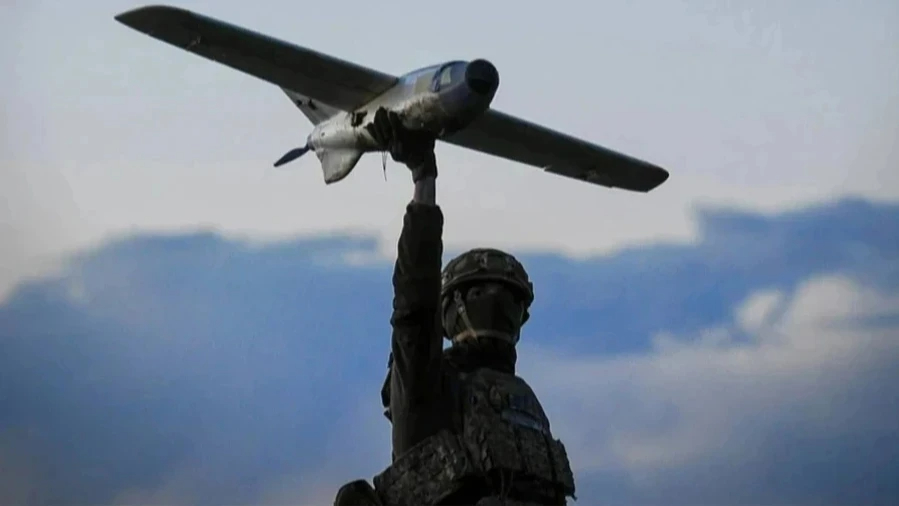
Initial Russian responses were chaotic: firefighting teams reportedly faced delays of over two hours in reaching the NORSI blaze due to logistical bottlenecks, including blocked roads from debris and insufficient specialized equipment at remote sites. Civilian impacts, though limited, were stark—several residents near Primorsk complained of smoke inhalation on social media, with one viral VKontakte post from a local worker reading, "We thought the war was far away, but now it's burning our homes." No fatalities were confirmed, but the incidents underscore the surprise element: drones evaded radar by flying low and in swarms, a tactic honed over months. This pattern—rapid, multi-vector assaults—illustrates Ukraine's growing proficiency in long-range unmanned operations, likely using modified commercial quadcopters or indigenous models like the AQ-400, penetrating up to 1,000 kilometers from the frontlines. These dynamic shifts are captured vividly on the WW3 map, helping analysts track the evolving frontline and rear-area threats.
Confirmed details include the downing of 148 drones (Russian MoD), fires at NORSI and Primorsk (governor statements, satellite imagery from Maxar partially corroborating), and pipeline damage (eyewitnesses). Unconfirmed reports swirl of a Lukoil executive's resignation in protest and minor radiation leaks from the power plant, pending official verification.
Historical Context and Escalation Patterns
These strikes cap a month-long crescendo in Ukrainian drone warfare, evolving from peripheral probes to audacious deep strikes that mirror asymmetric tactics in historical conflicts like the U.S. drone campaigns in Yemen or Hezbollah's rocket barrages against Israel. The timeline is telling: On March 11, 2026, Ukraine first breached deep defenses with a strike on a missile plant in central Russia, damaging Iskander production lines. This was followed on March 12 by a drone hit in Krasnodar Krai, near the Black Sea, disrupting logistics hubs.
Escalation accelerated on March 14 with dual events—a tanker strike near Novorossiysk port and 65 drones downed over Moscow itself, forcing airport closures and exposing capital vulnerabilities. March 18 saw another plant attack, likely avionics-related, per intelligence leaks. Recent days amplified this: March 28 brought oil strikes; March 31 targeted the Kirishi refinery; April 1 hit Bryansk missile plants and ports; and April 2 hammered Tolyatti, TurkStream pipelines, Ufa refinery, and another port—all rated "HIGH" impact by The World Now's event tracker. This progression is meticulously plotted on the WW3 map, revealing patterns in strike locations from border regions to heartland economic targets.
By April 4, Tolyatti drones signaled inland focus, culminating in today's multi-site assault. This progression—from border skirmishes (e.g., Krasnodar) to core economic arteries (refineries, pipelines)—demonstrates Ukraine's adaptive edge: swarm tactics overwhelming radars, AI-guided navigation bypassing jamming, and supply chains resilient despite Russian incursions. Russia's adaptations lag; early reliance on S-400 systems faltered against low-flying threats, echoing U.S. struggles in Afghanistan where cheap drones outpaced billion-dollar defenses. This pattern not only strains Moscow's $100 billion annual defense budget but reveals systemic rigidity in a military optimized for conventional blitzkriegs, not guerrilla-style attrition. For deeper insights into parallel drone escalations, see Russian Drone Escalation in Ukraine on the WW3 Map.
Original Analysis: Internal Security Gaps
Beyond military headlines, these strikes lay bare Russia's internal frailties—gaps in domestic logistics, emergency response, and civilian resilience that erode the Kremlin's aura of invinvincibility. At Primorsk and NORSI, delayed firefighting exemplifies logistical chokepoints: Russia's Federal Fire Service, underfunded at 1.2% of GDP versus NATO averages, relies on aging Soviet-era trucks ill-suited for industrial blazes. Reports from the scenes indicate 90-minute response lags due to poor inter-agency coordination and fuel shortages ironically exacerbated by prior Ukrainian hits.
Pipeline damage in Leningrad Oblast highlights infrastructure brittleness: 70% of Russia's 250,000 km oil/gas network is pre-2000, minimally protected against aerial threats. Debris impacts caused spills equivalent to 5,000 barrels, per preliminary estimates, triggering hazmat alerts but overwhelming local teams untrained for wartime scenarios.
Psychologically, the toll mounts. Polling by independent Levada Center (pre-strike) showed 45% of Russians doubting frontline protections; now, Telegram channels buzz with unrest—posts from Nizhny Novgorod decry "government lies" about safety, with hashtags like #DroneTerror trending. Civilian preparedness is abysmal: no nationwide drills since 2014, sparse bomb shelters (one per 10,000 in Moscow vs. Israel's 1:200), and propaganda framing attacks as "terrorism" fostering distrust rather than unity. This breeds quiet dissent—desertions up 15% per UK intel, fuel hoarding sparking black markets.
For Russia's military strategy, these gaps compel resource diversion: 20% of air defense assets now patrol interiors, diluting frontline strength. Internal stability frays; if strikes persist, unrest could mirror 2023 Wagner mutiny, amplified by economic pinch from refinery outages (NORSI at 50% capacity).
Predictive Outlook: Future Implications
Russia's countermeasures loom large: expect accelerated anti-drone investments—$5-10 billion in electronic warfare jammers, laser systems like Peresvet, and regional patrols, per Janes forecasts. Diplomatic pushes for U.S.-brokered ceasefires may intensify, but risks misallocation: prioritizing Leningrad over Donbas invites Ukrainian gains. Monitor these risks via the Global Risk Index.
Ukraine, undeterred, could expand to nuclear plants or rail hubs, leveraging 10,000+ monthly drone production. Retaliation risks broader war—Russian hypersonic strikes on Kyiv infrastructure or Baltic provocations drawing NATO.
Globally, energy chains shift: Russian exports down 5%, spiking European LNG bids. NATO may bolster Ukraine with Reaper drones, escalating proxy dynamics into direct confrontation, further expanding the contours shown on the WW3 map.
The Players
- Ukraine (SBU/Military Intelligence): Motivated by attrition—degrade Russia's 1.5M troop sustainment via cheap ($500/drones vs. $2M missiles).
- Russia (MoD, Rosgvardia): Kremlin prioritizes narrative control, blaming NATO; Putin eyes "total war" mobilization.
- Lukoil/Governors: Economic actors face output losses, pressuring for defenses amid 30% profit dips.
- NATO/U.S.: Indirect backers supply tech, wary of escalation.
The Stakes
Politically: Putin's 80% approval erodes with homefront hits. Economically: 2% GDP shave from energy woes. Humanitarily: Civilian trauma, 100K+ displacements possible.
Market Impact Data
Oil benchmarks surged 3% post-strikes to $92/bbl, reflecting supply fears.
Catalyst AI Market Prediction
- OIL: Predicted + (high confidence) — Causal mechanism: Direct supply disruptions from Russian facility damage tighten global balances. Historical precedent: 2019 Abqaiq attack spiked oil 15% in days. Key risk: strategic reserve releases.
- BTC: Predicted - (medium confidence) — Risk-off cascades treat BTC as high-beta asset. Precedent: 2022 invasion dropped 10% in 48h. Key risk: institutional dip-buying.
- SPX: Predicted - (high confidence) — Inflation from oil hits equities. Precedent: 2019 Saudi attack dropped 6% weekly. Key risk: energy offsets.
Predictions powered by The World Now Catalyst Engine. Track real-time AI predictions for 28+ assets. Explore more at Catalyst AI — Market Predictions.
Looking Ahead
Key dates: April 7 MoD briefing; NATO summit April 10. Scenarios: Stalemate (60%) with tech arms race; Escalation (30%) to missiles; De-escalation (10%) via talks. The WW3 map will continue to update these developments in real-time, providing crucial visualizations for global audiences tracking the Ukraine-Russia conflict's expansion.
This is a developing story and will be updated as more information becomes available.
Further Reading
- Middle East Strike: Iran's Missile Onslaught on Haifa – The Urgent Humanitarian Crisis and Israel's Emergency Protocols
- Middle East Strike: Ceasefire Crumbles – How Gaza Attacks Are Fueling a Diplomatic Crisis in the Middle East
- Afghan Mother's Justice Quest on the WW3 Map Ignites Potential for Grassroots Peace Movements Amid Pakistan Border Strikes