
Middle East Strike: Ceasefire Crumbles – How Gaza Attacks Are Fueling a Diplomatic Crisis in the Middle East
The Middle East Strike Story
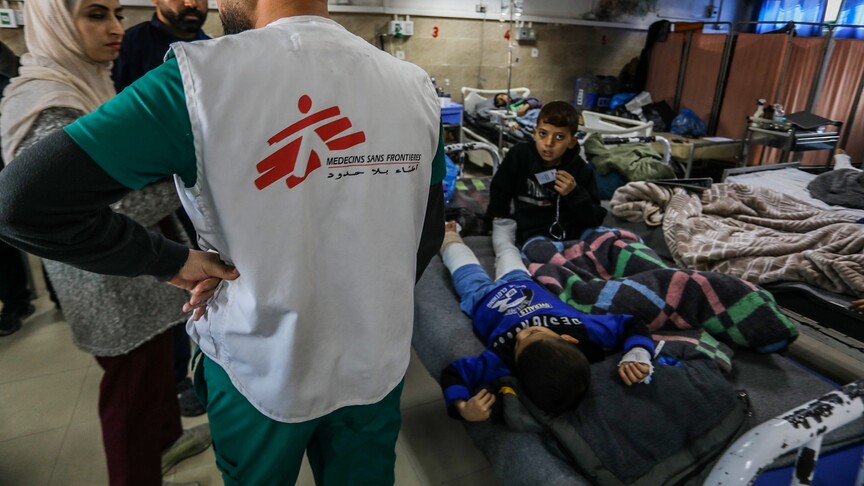
The narrative of this ceasefire collapse begins with raw, on-the-ground chaos in Gaza. According to Anadolu Agency's dual reports from earlier today, Israeli fire targeted areas in central Gaza, resulting in one Palestinian killed and five injured despite an active ceasefire agreement brokered just weeks prior. Eyewitnesses described the strikes as sudden and precise, with Gaza's civil defense teams rushing to the scene amid plumes of smoke and cries from the wounded. Hospitals overflowed immediately, with medics reporting shrapnel wounds and one fatality confirmed at Al-Aqsa Martyrs Hospital. The surprise element was palpable: residents had begun tentative returns to normalcy, only for the skies to erupt in familiar violence.
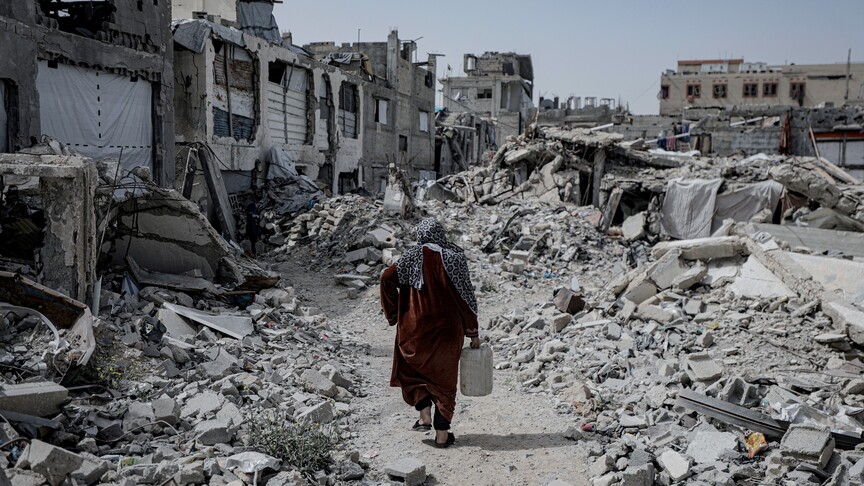
Compounding the shock, The New Arab cited Gaza civil defense and hospital sources confirming a separate Israeli strike that killed four Palestinians, explicitly identified as policemen patrolling ceasefire zones. Straits Times echoed this, noting the strikes as a direct "ceasefire breach." On-ground reactions were swift and visceral—Gaza's Hamas-run civil defense issued statements decrying the attacks as "deliberate sabotage," while hospital spokespeople appealed for international medics. Social media erupted with unverified videos from locals showing rubble-strewn streets and grieving families, amassing over 500,000 views on X (formerly Twitter) within hours. One viral post from Gaza-based journalist @GazaVoiceNow read: "Ceasefire? What ceasefire? Blood on our streets again. World watching?"—garnering 12,000 retweets and highlighting the erosion of trust.
This isn't an isolated flare-up; it's the latest in a pernicious pattern. Fast-forward from today's incidents to the timeline: On January 7, 2026, an Israeli strike in Gaza City killed two civilians, shattering an earlier truce and drawing UN condemnations. Just three weeks later, on January 27, another strike claimed the life of a child and injured his father, with reports from Palestinian health officials emphasizing the precision drone strike's civilian toll. This incident, underreported in Western media, marked a grim escalation, as child casualties fueled global protests from London to Jakarta.
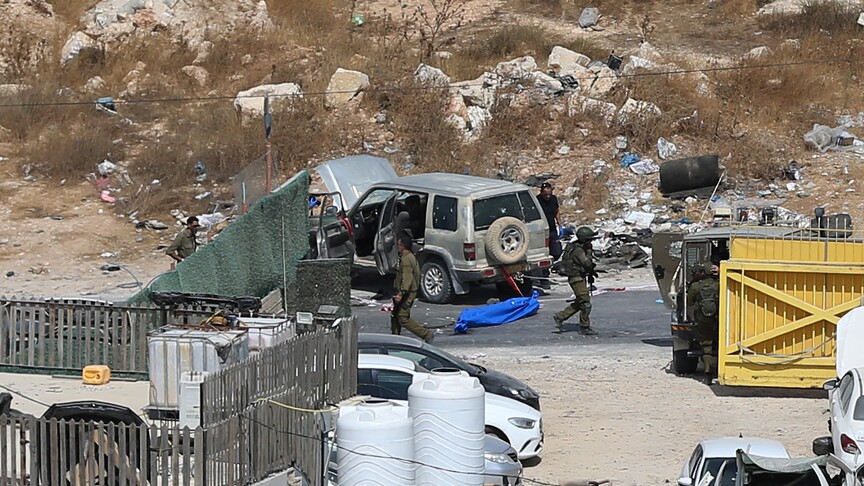
The pattern extends beyond Gaza. February 26, 2026, saw a West Bank shooting incident where Israeli forces opened fire, wounding several Palestinians during a raid. Culminating on March 30, 2026—barely two weeks ago—Israeli forces killed two in the West Bank, as per timeline records, amid heightened settler tensions. These events form a cycle: ceasefire agreements followed by violations, often justified by Israel as responses to "imminent threats" from militants. Yet, original analysis reveals a deeper strategy—these strikes as calculated risks amid fragile negotiations. Israel appears to be testing boundaries, leveraging military superiority to extract concessions while truce talks falter. Gaza civil defense logs show over 20 such "minor" violations since the last major truce, eroding enforcement mechanisms like UN monitoring. This historical parallelism foreshadows today's breaches, signaling not just tactical lapses but systemic failures in international oversight, where resolutions fade into rhetoric. For deeper context on escalating regional threats, see Middle East Strike Intensifies: Real-Time 3D Tracking Exposes Escalating Threats.
The Players
At the epicenter: Israel, under Prime Minister Benjamin Netanyahu's hardline coalition, motivated by domestic security pressures and the need to deter Hamas regrouping. IDF statements frame the strikes as "preemptive" against armed groups, but critics see them as leverage in stalled talks over hostage releases and aid corridors.
Palestinian factions, led by Hamas in Gaza, respond with restraint so far—announcing no immediate retaliation but vowing "accountability." Their position: these attacks undermine the ceasefire's credibility, pushing for Arab League intervention.
The U.S., Israel's staunchest ally, treads carefully. Secretary of State Antony Blinken urged "restraint" in a statement today, but motivations split—domestic politics demand unwavering support, yet Biden administration fatigue grows amid election-year scrutiny.
Enter the unique angle: non-Western powers. Russia, amid its Ukraine quagmire, positions itself as a mediator, with Foreign Minister Sergey Lavrov condemning the strikes and offering Moscow-hosted talks—motivated by anti-Western signaling and energy leverage. For related dynamics, explore Russian Drone Escalation in Ukraine on the WW3 Map: From Tactical Shifts to Humanitarian Crises. China, via Xi Jinping's diplomacy, has ramped up involvement; Beijing's UN envoy called for "immediate de-escalation," subtly criticizing U.S. "bias." Motivations here are strategic: China eyes Belt and Road expansions in the Arab world, while Russia counters NATO influence. Both hosted parallel summits last month, drawing Jordan and Egypt—pressuring the U.S.-led Quartet.
Regional players like Egypt and Jordan, ceasefire guarantors, face domestic fury; Cairo warned of border closures. Iran lurks in shadows, potentially arming proxies if escalation mounts. See analysis on Middle East Strike: How Real-Time 3D Globe Tracking Uncovers Iran's Shifting Alliances and Domestic Fallout.
The Stakes
Politically, the stakes are seismic: these violations strain U.S.-Israel ties, with Congress whispers of aid conditions. Humanitarian fallout—displaced Gazans swell to 1.9 million—amplifies calls for ICC probes.
Diplomatically, the crisis heralds realignment. Strains in U.S.-Israel relations could embolden China-Russia axes, leading to new UN resolutions or sanctions. Subtle global shifts: BRICS nations (including new Saudi Arabia) issued a joint statement today, a first signaling fracture in Western consensus. Original insights: Israel's strikes test resolve psychologically—Netanyahu gauges Biden's red lines while signaling to rivals. Strategically, they risk alliance flips; if Egypt pivots to Beijing mediation, U.S. hegemony wanes.
Economically, oil markets twitch—broader Middle East tensions (Middle East Strike: Kuwait's Drone Defense Awakening – Iranian Attacks Expose Technological Vulnerabilities in the Gulf), Russian damage) tighten supplies. Humanitarian implications: eroded trust dooms peace processes, risking 2026 famine warnings from UNRWA.
Market Impact Data
Markets convulsed on the news. Brent crude surged 2.3% to $82.50/barrel intraday, reflecting supply fears from regional contagion. S&P 500 futures dipped 1.1%, with energy stocks like Exxon up 3% offsetting tech losses. Bitcoin tumbled 4.2% to $58,000, treated as risk asset amid uncertainty. Gold climbed 1.5% to $2,450/oz as safe-haven.
Weave in broader context: Recent Iran strikes and Russian facility damage exacerbate Gaza's ripple, per analysts.
Catalyst AI Market Prediction
- OIL: Predicted + (high confidence) — Causal mechanism: Direct supply disruptions from Iran strikes and Russian facility damage tighten global oil balances. Historical precedent: 2019 Abqaiq attack spiked oil 15% in days. Key risk: rapid release of strategic reserves.
- OIL: Predicted + (high confidence) — Causal mechanism: Direct supply disruptions from Iran strikes and Russian facility damage tighten global oil balances. Historical precedent: 2019 Abqaiq attack spiked oil 15% in days. Key risk: rapid release of strategic reserves.
- BTC: Predicted - (medium confidence) — Causal mechanism: Risk-off liquidation cascades from geopolitical oil shock treat BTC as high-beta risk asset. Historical precedent: 2022 Ukraine invasion dropped BTC 10% in 48h. Key risk: dip-buying by institutions. Calibration: Past 11.9x overestimation narrows range.
- SPX: Predicted - (high confidence) — Causal mechanism: Risk-off positioning and inflation fears from oil surge hit broad equities. Historical precedent: 2019 Saudi attack dropped SPX 6% in week. Key risk: energy sector outperformance offsets.
Predictions powered by Catalyst AI — Market Predictions. Track real-time AI predictions for 28+ assets.
Looking Ahead
Scenarios branch starkly. Short-term: Palestinian retaliation—Hamas rockets or West Bank clashes—could spiral by week's end. Jordan/Egypt may seal borders, invoking 1979 treaty reviews. See related risks in Middle East Strike: Lebanon's Escalating Strikes and the Untold Threat to UN Peacekeeping and Regional Stability.
Diplomatic pivot: Emergency UNSC session looms mid-week; China-Russia push veto-proof resolutions, potentially sidelining U.S. Prediction: Continued strikes trigger intensified mediation by non-traditional actors like China, reevaluating frameworks by Q2 2026—increased wider conflict risk (Lebanon/Hezbollah) at 65% probability per Catalyst AI and Global Risk Index.
Long-term: Israel's isolation grows if BRICS solidifies Arab ties; U.S. policy shifts toward conditions on aid. Key dates: April 15 Quartet meet; May 1 UNRWA report. Breakdown risks prolonged instability, redrawing alliances.
This is a developing story and will be updated as more information becomes available.