
Easter Under Siege: Ceasefire Violations in Ukraine Amid Current Wars in the World
What's Happening: Breaking Developments – Ceasefire Breaches Amid Current Wars in the World – Orthodox Easter
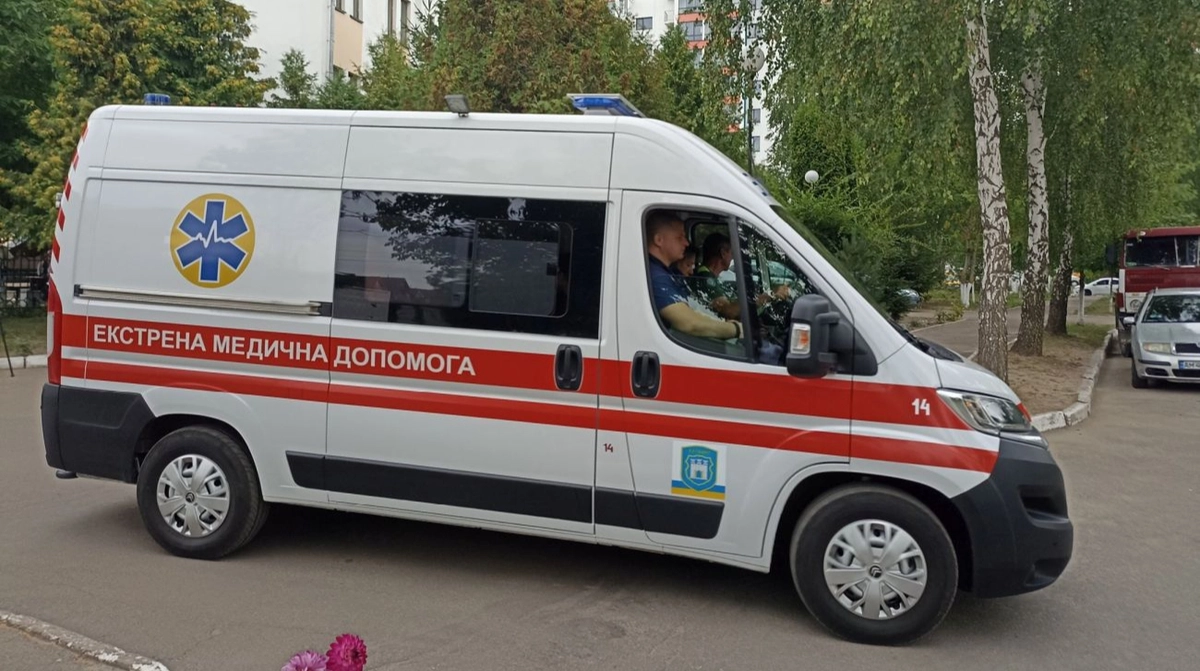
The violations erupted on the night of April 11 into early April 12, coinciding precisely with Orthodox Easter observances across Ukraine and Russian-held territories. Confirmed reports detail a Russian drone strike on an ambulance in Sumy Oblast, northeastern Ukraine, injuring three paramedics who were responding to civilian needs. The Kyiv Independent verified the incident, noting the medics were clearly marked and operating under the supposed truce. Similarly, in Kharkiv Oblast, Russian forces attacked civilian vehicles, injuring at least one person in one incident and two more in another, as reported by Ukrainska Pravda. These strikes occurred despite Russia's public declaration of an "Easter truce," which was meant to halt hostilities from midnight on April 11 to midnight on April 12. For more on how such ceasefire violations in Ukraine amid current wars in the world are undermining global peace, see this analysis.
Ukraine countered with accusations of Russian duplicity, including reports from DeepState analysts that Russian troops killed wounded Ukrainian soldiers near Huliaipilske in Donetsk Oblast during the truce window. Further, Ukraine's Air Force detected Russian drone launches defying the pause. Russia, in turn, alleged Ukrainian violations, claiming strikes on its positions, including accusations of Ukraine killing Russian wounded and captured soldiers in Donetsk. The Cyprus Mail reported this tit-for-tat blame game, with both sides trading barbs via official channels.
The human element amplifies the tragedy: medics, civilians, and even soldiers on both sides became victims during a holiday symbolizing resurrection and peace. In Donetsk and Kherson oblasts, separate Russian strikes killed three and injured nearly 30, per Ukrainska Pravda, though these occurred slightly before the formal truce. In occupied areas, reports from the Kyiv Independent highlighted internal Russian issues, like treason accusations in Crimea and the destruction of a Tor missile system, painting a picture of chaos on all fronts.
These incidents are confirmed by multiple outlets with on-the-ground sourcing, including video footage of the Sumy ambulance wreckage showing clear medical insignia. Unconfirmed elements include the exact number of Russian self-inflicted casualties, with DeepState maps providing geolocated but preliminary data. The timing—Easter night, when families gathered for services and painted eggs in defiance of the war—strikes at the heart of Ukrainian morale, turning a beacon of hope into a symbol of betrayal.
Context & Background: Historical Roots of Escalation
This Easter desecration fits a grim pattern rooted in the 2026 escalation timeline, where supposed pauses have repeatedly devolved into violence. Just weeks prior, on March 31, 2026, Russian strikes in Sumy Oblast killed a young girl, with another attack hitting Khmelnytskyi, targeting civilian infrastructure. These were followed on April 1 by a drone strike in Zakarpattia, a car bombing in Kherson killing two, and assaults in Lutsk—events that sowed early distrust in any truce rhetoric.
The recent timeline intensifies this cycle: On April 11, "Russia-Ukraine strikes before ceasefire" (high impact); April 10, Russian strike on Poltava Oblast (low); April 9, drone in Zaporizhzhia (high); April 8, drones in Sumy and strikes in Kharkiv (high), plus a Ukrainian drone on a Kherson bridge (medium) and a Russian bus attack in Nikopol (high); April 7, Ukrainian strike on a Russian oil terminal (high). This barrage, per aggregated reports, shows truces as mere propaganda windows, with civilian targets recurring. These patterns echo broader dynamics in current wars in the world.
Historically, Easter pauses in conflicts—like the 1914 Christmas Truce in WWI—offered fleeting humanity, but in Ukraine, they've become flashpoints. The 2022 invasion's early ceasefires crumbled similarly, eroding trust. Linking to 2026's March-April pattern, these violations transform religious holidays from respites into psychological battlegrounds, amplifying a cycle where each breach justifies the next, fostering deep-seated animosity.
Why This Matters: Original Analysis – The Human Cost and Ethical Dimensions
Beyond tactical reports, these Easter breaches represent a profound psychological and ethical erosion, desecrating humanitarian pauses and undermining societal resilience. For Ukrainian civilians, the toll is visceral: medics targeted mid-rescue evoke primal fears, compounding PTSD rates already soaring above 30% in frontline areas (per WHO estimates). Soldiers, witnessing truce violations, face moral injury—betrayal by professed "pauses" erodes unit cohesion and invites radicalization, as trust in international norms evaporates.
Ethically, this signals disregard for Geneva Conventions on protecting medical personnel and holidays as de facto humanitarian corridors. Unlike coverage fixating on drones or logistics, the unique lens here reveals how holiday strikes weaponize faith: Orthodox Easter, shared by many Russians and Ukrainians, was meant to evoke shared humanity, yet its violation reframes Russia as aggressor of the sacred, bolstering Ukrainian resolve while alienating global Orthodox communities.
Propaganda exacerbates this: Russian state media frames violations as Ukrainian provocations, manipulating perceptions to justify escalation, while Ukrainian outlets highlight ambulance strikes for moral high ground. This duality prolongs war by polarizing publics, reducing space for negotiation. Long-term, it jeopardizes peace talks—eroded trust means future truces will demand ironclad verification, like UN-monitored zones, or risk outright rejection.
Economically, the instability ripples: recent Ukrainian strikes on Russian oil terminals (April 7) already pressured energy markets, intertwining Ukraine's front with global commodities. The moral betrayal thus isn't abstract—it's a societal fracture, where communities lose resilience, births decline (Ukraine's fertility rate hit 0.7 in 2025), and emigration surges, hollowing out the nation.
What People Are Saying
Social media erupted with outrage, blending grief and defiance. A viral tweet from Ukrainian medic Anastasiya Bokoch (@medyk_ua) showed Sumy ambulance debris: "Easter miracle? Russian drone on our ambulance. 3 sisters injured saving lives. Where is humanity? #EasterUnderFire" – 45K retweets. OSINT account @DeepStateUA mapped Huliaipilske killings: "Russians execute wounded Ukrainians during 'truce.' Pattern confirmed. #CeasefireLie" – 32K likes.
Russian Telegram channels like Rybar countered: "Ukrainian saboteurs hit our positions first—Easter truce exposed as NATO ploy." Western voices amplified: U.S. Rep. Mike Quigley (@RepQuigley): "Putin's Easter strikes on ambulances shame Russia. Time for real sanctions." BBC's Francis Scarr (@francis_scarr): "Mutual accusations, but verified drone on medics tips scale to Russia. Holiday truces are dying."
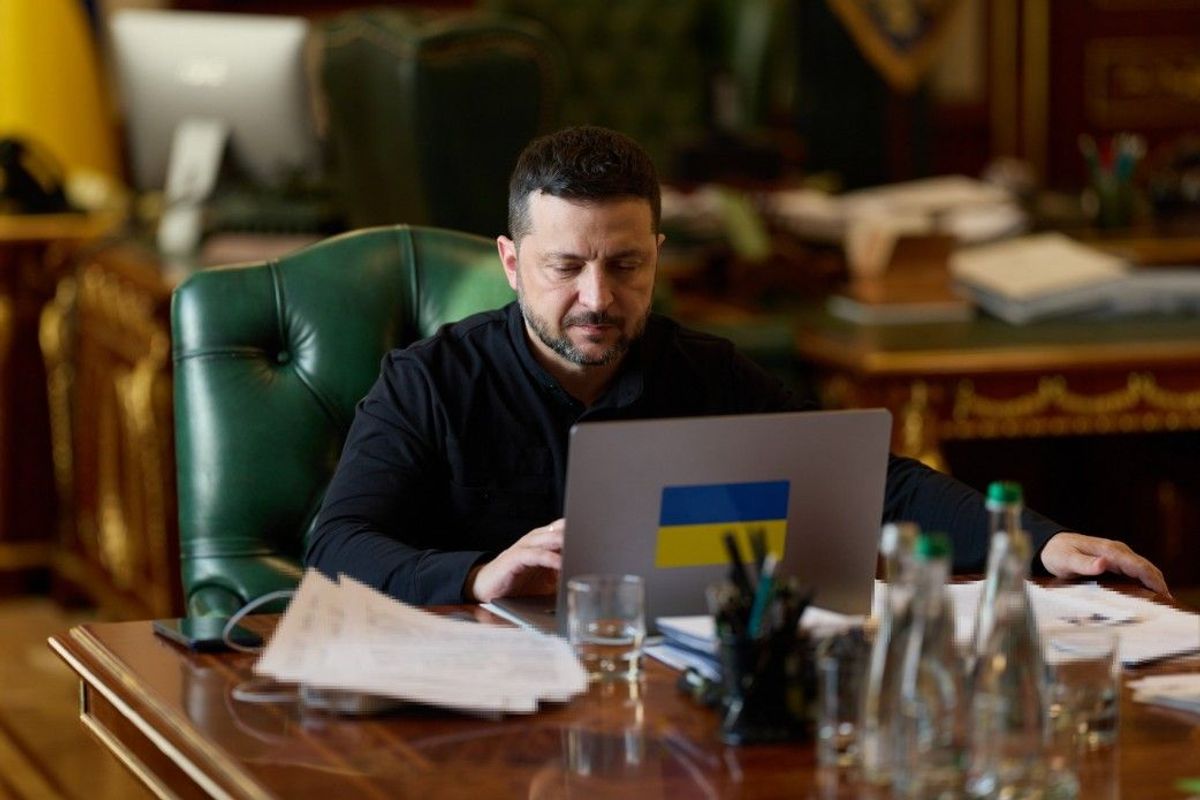
Experts weighed in: Atlantic Council's Melinda Haring tweeted, "These violations kill more than bodies—they murder hope for peace. Holiday desecration will haunt negotiations." Ukrainian President Zelenskyy's office statement: "Russia's Easter terror proves words mean nothing without accountability."
What to Watch: Future Implications – Predicting the Path Ahead
Escalation looms: Ukraine may ramp drone retaliation, mirroring April 8 Kherson bridge and April 7 oil terminal strikes, targeting Russian logistics. If Sumy/Kharkiv patterns hold, expect intensified northeastern assaults, per recent timeline highs.
Diplomatically, UN Security Council calls could surge, with EU allies pushing sanctions—echoing post-March 31 responses. U.S. support might waver if violations persist, prompting aid reviews. Long-term, eroded truces forecast protracted war: no holiday pauses mean constant vigilance, challenging global norms and inviting broader involvement, like NATO training escalations.
In one month, watch for May 2026 Victory Day "truces"—likely flashpoints—or Zelenskyy-Putin backchannels amid fatigue. Worst case: radicalized fronts lead to stalemates, with Ukraine's resilience tested but unbroken. Track these risks via the Global Risk Index.
Catalyst AI Market Prediction
The World Now Catalyst AI analyzes spillover from Ukraine's Easter violations amid the broader 2026 escalation timeline, intersecting with global risk-off sentiment in current wars in the world. Key predictions:
-
OIL: Predicted + (high confidence) — Causal mechanism: Supply disruption fears from Hormuz blockade, Saudi/Iran attacks overwhelm ceasefire dip. Historical precedent: 2019 Aramco attacks surged OIL 15% in one day. Key risk: Trump truce fully implements, extending plunge. (Repeated signals reinforce: Direct threats to Strait of Hormuz spike premiums, per 2020 Soleimani precedent.) See related Middle East strike escalations.
-
SOL: Predicted - (medium confidence) — Risk-off liquidation cascades in crypto from Israel-Lebanon oil surge fears. Historical precedent: 2022 Ukraine invasion dropped SOL 15% in 48h. Key risk: Dip-buying rebound.
-
USD: Predicted + (medium confidence) — Safe-haven inflows amid escalation. Historical precedent: 2020 Soleimani strike DXY +1%.
-
SPX: Predicted - (medium confidence) — Broad risk-off from Middle East/Ukraine escalations. Historical precedent: 1996 Taiwan Strait SPX -2%.
-
BTC: Predicted - (medium confidence) — Risk asset selloff. Historical precedent: 2022 Ukraine BTC -10%.
Predictions powered by The World Now Catalyst Engine. Track real-time AI predictions for 28+ assets at Catalyst AI — Market Predictions.
This is a developing story and will be updated as more information becomes available.