
Nigeria's Airstrike Tragedy Amid Current Wars in the World: Unintended Civilian Victims and the Path to Reconciliation
The Story Amid Current Wars in the World
The incident unfolded in the early afternoon of April 12, 2026, in the remote village market of Kareto, Yobe State, a hub for traders, farmers, and families in one of Nigeria's most impoverished regions. Eyewitness accounts, corroborated across multiple sources including AP News, BBC, and Al Jazeera, paint a harrowing picture: a Nigerian Air Force jet screamed overhead, unleashing munitions that exploded amid throngs of civilians buying and selling grains, livestock, and household goods. "The sky turned black with smoke, and screams filled the air," recounted a local trader to Channel News Asia, his voice trembling as he described dismembered bodies and children buried under debris. Local councillor Baba Lawan Ibrahim told Daily Maverick that the toll could exceed 200, with bodies still being recovered from rubble as rescuers—local volunteers with scant equipment—labored through the night.
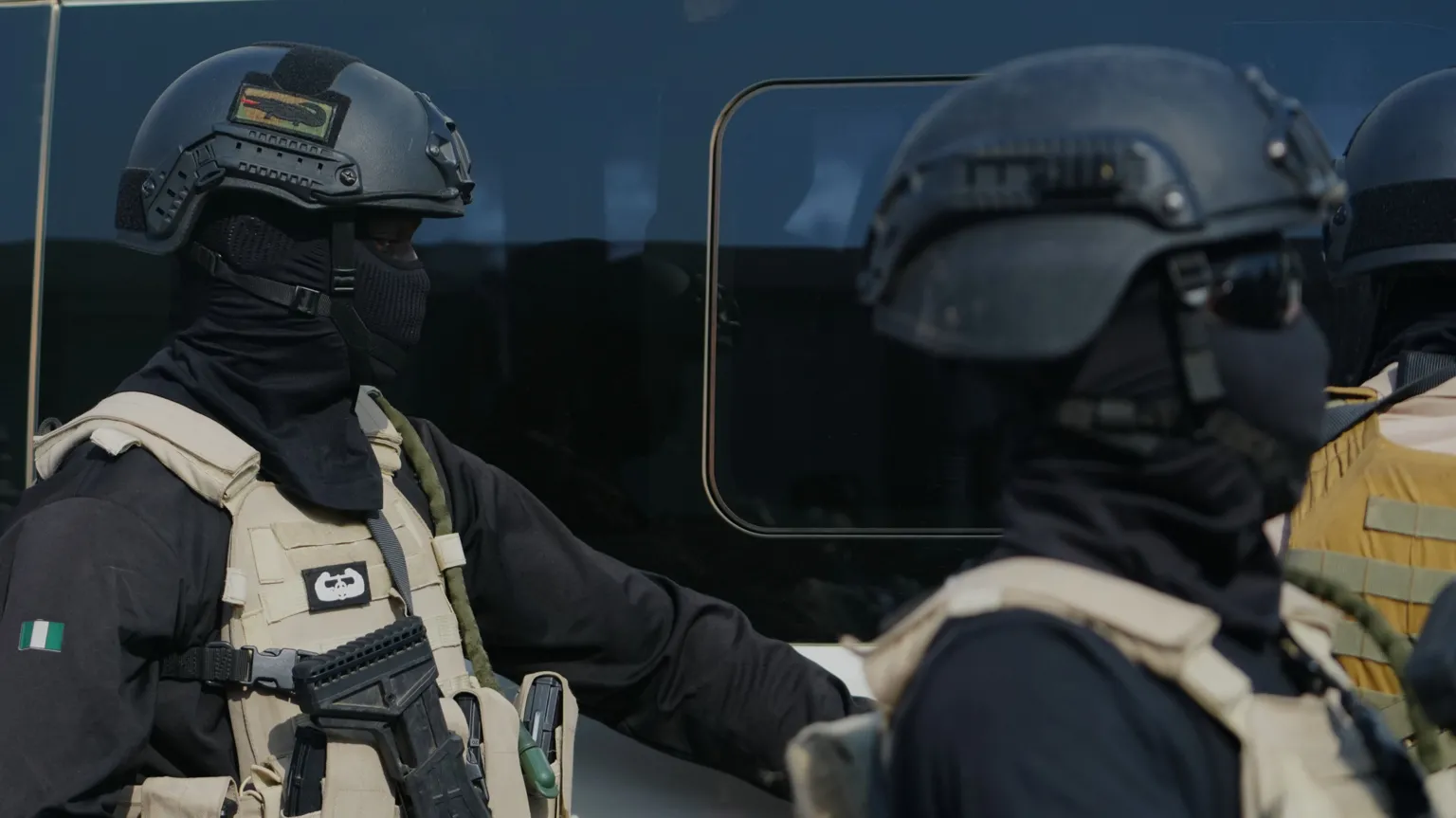
Initial response was chaotic and immediate. Yobe State Governor Mai Mala Buni dispatched emergency teams, while the Nigerian military issued a statement claiming the strike targeted "confirmed terrorist positions" linked to ISWAP (Islamic State West Africa Province), a Boko Haram splinter. However, no specific intelligence data has been released to substantiate the presence of militants, fueling demands for transparency from Amnesty International, which labeled it a "misfire" in a France 24 report. Rights groups and residents report over 100 confirmed deaths, with hundreds injured, many suffering burns and shrapnel wounds. Humanitarian needs are dire: the World Food Programme has airlifted supplies, but access remains hampered by ongoing insecurity.
This event does not occur in isolation; it is the latest in a 2026 timeline of escalating violence that traces back to foreign-involved operations within current wars in the world. On January 30, 2026, US airstrikes targeted insurgent camps in Nigeria's northeast, marking Washington's deepening role in African counter-terrorism. This was followed on March 11 by joint US-Nigeria strikes against ISIS affiliates, and notably, Ghana's unprecedented involvement in a Nigerian operation that day—reportedly providing logistical support amid regional pacts under the Multinational Joint Task Force (MNJTF). These interventions aimed to dismantle jihadist networks but have correlated with spikes in civilian casualties.
The pattern intensified with dual bomb explosions on March 23 along the Kwara-Niger Road, killing dozens and attributed to Boko Haram retaliation. More recent events include a Nigerian strike on April 10 killing 10 suspects and one on March 31 eliminating over 100 ISWAP fighters. Yet, as The Guardian notes, these successes often come at a steep human cost. Kareto's airstrike fits this recurring cycle: military actions disrupt markets—the economic lifeline for Yobe's agrarian poor—exacerbating food insecurity in a state where 80% live below the poverty line, per UN data. Displaced families, already numbering over 2 million in the northeast, face renewed homelessness, with tent camps swelling overnight. This perpetuates a feedback loop: violence breeds displacement, which fosters recruitment grounds for militants, who exploit grievances to sustain insurgency.
Confirmed facts include the airstrike's occurrence, civilian death toll estimates (100-200), military's targeting claim, and eyewitness chaos. Unconfirmed: exact militant presence and precise casualty figures, pending independent probes. Explore how such events tie into larger security efforts in Breaking the Vicious Cycle: How Nigeria's Mass Terrorism Convictions Amid Current Wars in the World Could Reshape Youth Radicalization and Long-Term Security.
The Players
At the center is the Nigerian Air Force, under Chief of Air Staff Hasan Abubakar, motivated by national security imperatives to neutralize ISWAP threats that have killed thousands since 2015. President Bola Tinubu's administration backs aggressive operations, bolstered by US and Ghanaian partnerships via the MNJTF, driven by fears of jihadist spillover into the Sahel.
Opposing them are ISWAP and Boko Haram remnants, led by figures like ISWAP's Amir Saif'ullah, who frame strikes as "crusades" to radicalize locals. Local players include Yobe Governor Buni, balancing federal loyalty with constituent outrage, and grassroots leaders like councillor Ibrahim, advocating for victims.
Internationally, Amnesty International and Human Rights Watch demand accountability, while the US (under a potential Trump administration pivot) and Ghana seek to maintain anti-terror alliances without backlash. Residents and traders, the true stakeholders, embody resilience—forming ad-hoc aid networks reminiscent of post-2014 Chibok survivors' self-help groups.
The Stakes
The human toll is immediate and profound: beyond deaths, survivors face psychological trauma—PTSD rates in similar strikes exceed 40%, per WHO studies from Somalia. Economically, Yobe's markets, generating 60% of rural income, are shuttered, spiking food prices 30-50% regionally and deepening poverty cycles. Displacement risks permanent community fragmentation, with women and children hit hardest, as seen in 2022 Maiduguri camps where child malnutrition doubled post-strikes. These risks are tracked in the Global Risk Index, highlighting elevated instability in the region.
Politically, Tinubu's government stakes legitimacy on security gains, but this could erode northern support ahead of 2027 elections. For militants, civilian anger is recruitment gold—post-2019 strikes saw ISWAP swells of 20%. Regionally, Ghana and US face alliance strains if probes implicate their intel.
Yet, unique to this analysis, grassroots resilience offers hope. Yobe communities have birthed peacebuilding initiatives like the Kareto Women's Cooperative, which post-2023 bombs mediated local ceasefires. Drawing from Colombia's FARC peace process, where community dialogues reduced violence 25%, Nigeria could pivot to civilian safeguards: drone tech for precision, no-strike zones around markets. Balancing security and protection demands policy reform, lest cycles of poverty—where 70% of displaced lack livelihoods—fuel endless conflict.
Market Impact Data
Nigeria's status as Africa's top oil producer amplifies this tragedy's ripples. Instability in the oil-rich Delta and northeast threatens production, already at 1.3 million bpd amid pipeline sabotage. Global markets, per Bloomberg data, saw Brent crude tick up 0.8% to $82.50/bbl post-news, on fears of broader Sahel disruptions.
Catalyst AI Market Prediction
Powered by The World Now's Catalyst Engine, predictions factor Nigeria's unrest into Middle East escalations as detailed in Decoding the Middle East Strike: Lebanon's Geopolitical Turmoil and Global Market Catalysts:
- OIL: Predicted + (high confidence) — Supply disruption fears from Hormuz blockade, Saudi/Iran attacks, now compounded by Nigerian output risks. Historical precedent: 2019 Aramco attacks surged OIL 15% in one day. Key risk: Trump truce fully implements, extending plunge.
- SOL: Predicted - (medium confidence) — Risk-off liquidation cascades in crypto from Israel-Lebanon oil surge fears and African instability. Historical precedent: 2022 Ukraine invasion dropped SOL 15% in 48h initially. Key risk: Dip-buying by institutions.
- USD: Predicted + (medium confidence) — Safe-haven inflows amid Middle East and Nigeria escalation risk-off. Historical precedent: 2020 Soleimani strike saw DXY rise 1% in 48h. Key risk: Ceasefire announcements unwind haven demand.
- SPX: Predicted - (medium confidence) — Broad risk-off flows from Middle East escalations, US crime surges, and Nigerian volatility trigger algorithmic selling. Historical precedent: 1996 Taiwan Strait crisis dropped SPX 2% initially. Key risk: Trump ceasefire sparks rebound.
- BTC: Predicted - (medium confidence) — Risk-off sentiment from global hotspots including Nigeria triggers BTC selling. Historical precedent: Feb 2022 Ukraine invasion dropped BTC 10% in 48h. Key risk: Ceasefire news sparks rebound.
Predictions powered by Catalyst AI — Market Predictions. Track real-time AI predictions for 28+ assets.
Looking Ahead
Expect UN Human Rights Council scrutiny by late April, potentially triggering investigations or aid reviews—Nigeria's $2bn humanitarian funding at risk. Militant recruitment could surge 15-20% in Yobe, per past patterns, escalating northeast attacks by summer.
Diplomatically, US-Ghana-Nigeria talks under MNJTF may yield protocols like market buffers. Optimistically, community-led initiatives—scaling Yobe's resilience models—could foster reconciliation forums by Q3 2026, averting broader unrest. Key dates: April 20 (military probe deadline), May 15 (UN session). Policy reforms, including AI-vetted strikes, loom as imperatives.
This is a developing story and will be updated as more information becomes available.







