Ceasefire Violations in Ukraine Amid Current Wars in the World: Undermining Global Peace Mechanisms in a Connected World
The Story
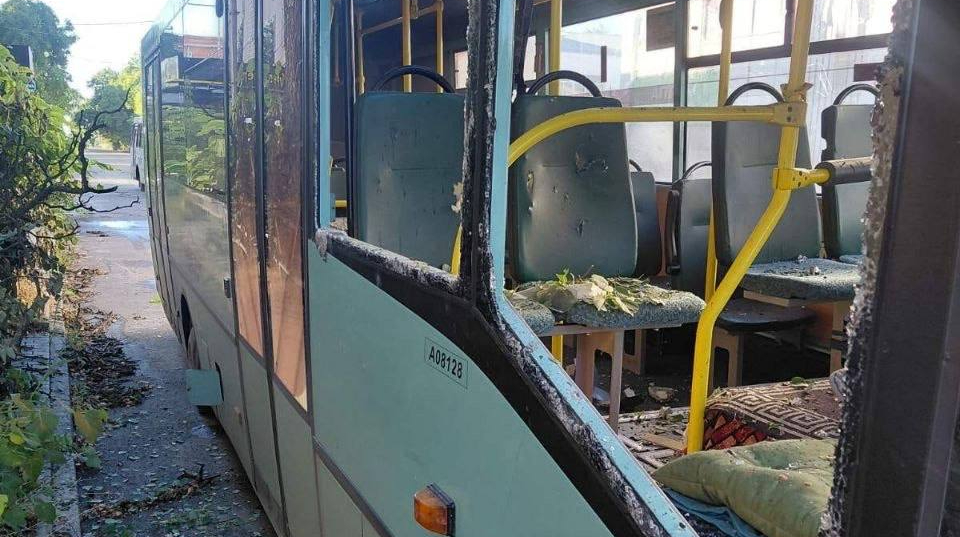
The immediate fallout from the Easter ceasefire violations has plunged Ukraine-Russia negotiations into deeper crisis, exposing the hollowness of temporary diplomatic gestures. On April 12, 2026—Orthodox Easter Sunday—Putin unilaterally declared a 30-hour truce from 6 p.m. Kyiv time on Holy Saturday to midnight on Easter Sunday, framing it as a humanitarian pause. Yet, within hours, Kyiv reported over 1,000 Russian violations, including shelling that killed three civilians in Kharkiv and drone attacks on energy infrastructure in Dnipropetrovsk. Moscow countered with claims of 800 Ukrainian breaches, accusing Kyiv forces of provocative incursions near Mariupol and Avdiivka, as explored in depth in Accusations in the Crossfire: How Ukraine-Russia Easter Truce Breaches in Current Wars in the World Fuel Information Warfare and Global Polarization. Al Jazeera and Fox News corroborated these dueling narratives through frontline footage and official statements, while AP News highlighted the Kremlin's refusal to extend the truce beyond midnight, citing "Ukrainian aggression."
Amid this acrimony, a confirmed bright spot emerged: the prisoner exchange of 175 servicemen each, detailed by Straits Times and Ukrainska Pravda. This swap, the largest since January, included long-held captives like a Ukrainian man subjected to four years of Russian "filtration" camps—interrogation centers accused of psychological torture and forced Russification. Such exchanges, while positive, starkly contrast with the breaches, illustrating how fleeting goodwill is undermined by persistent violence. Newsmax reports emphasize Russia's repeated violations as a pattern, with Ukrainian military intelligence documenting 45 artillery strikes in the first 12 hours alone.
This episode fits a grim historical pattern of escalation and stalled de-escalation, drawing direct parallels to earlier 2026 milestones. On January 30, 2026, Ukraine received 1,000 bodies of its soldiers from Russia in a grim repatriation that highlighted the war's mounting human cost but failed to spur broader talks. Just weeks later, on February 24, Ukraine publicly called on China to mediate an end to the conflict, a plea echoed in diplomatic channels but ignored by Beijing amid its own strategic alignments with Moscow. Tensions peaked on February 27 with heavy casualties in Kharkiv—over 50 Ukrainian deaths from Russian missile barrages—mirroring the Easter shelling and underscoring failed de-escalation. By March 1, Russian forces deliberately erased historic mosaics in occupied Kostiantynivka, a cultural erasure symbolizing broader hybrid warfare tactics that blend military and civil destruction, further detailed in Easter Ceasefires in Ukraine Amid Current Wars in the World: Catalysts for Cultural Revival Amidst the Ruins of War.
Recent events amplify this cycle: April 1 saw Russia consolidate control over Luhansk; April 2 brought humanitarian crises in occupied areas; April 8 revealed Russia-Iran satellite intelligence sharing aiding strikes; April 9 marked "Ukraine War Escalation" and destruction in Oleshky; and April 12's "Failed Truce" (rated MEDIUM severity by event trackers). These form a continuum of aggression, where body exchanges and truce calls yield no lasting peace, weakening the very fabric of diplomatic truces. Unlike prior coverage focused on tactical or humanitarian angles, this reveals a unique erosion: ceasefires as performative theater, fostering cynicism toward global norms like the Minsk agreements or UN-brokered pauses, especially poignant in the broader context of current wars in the world.
The Players
At the core are Ukraine's President Volodymyr Zelenskyy, whose government positions violations as Russian bad faith to justify Western arms pleas, and Putin, whose unilateral truce announcement aimed to portray Moscow as the humane actor while advancing territorial gains. Russia's motivations blend military opportunism—exploiting pauses for repositioning—with propaganda, as state media amplifies Ukrainian "aggression" to domestic audiences weary of war. Ukraine seeks to internationalize the conflict, leveraging violations for NATO aid.
Broader players include NATO allies (U.S., UK, Germany), providing $50 billion in 2026 aid but divided on escalation; China, courted by Kyiv on February 24 yet supplying Russia covertly; and Iran, per GDELT and TSN reports linking Ukraine to Tehran via NYT warnings of merging conflicts—Russia-Iran drone tech swaps fuel both wars. The UN and Red Cross facilitate swaps but lack enforcement teeth. Motivations converge: Russia tests Western resolve; Ukraine preserves sovereignty; proxies like Iran expand influence amid U.S. distractions.
The Stakes Amid Current Wars in the World
Politically, violations dismantle post-WWII frameworks like the UN Charter's prohibition on aggression, emboldening revisionists—Russia's non-extension risks normalizing truce weaponization. Economically, energy shocks loom: Kharkiv strikes threaten Black Sea grain exports, already down 20% YTD, spiking global food prices 5% per FAO data. Humanitarian toll mounts—Easter deaths add to 500,000+ casualties since 2022, with cultural losses like Kostiantynivka mosaics eroding Ukrainian identity, as analyzed in Easter Truce Fallout in Current Wars in the World: The Underreported Cultural and Psychological Toll on Ukrainian Society.
Globally, stakes escalate via spillover: GDELT notes Iran parallels, where Ukraine breaches could inspire Houthi or Hezbollah truce rejections, per NYT's "global war" thesis. Russia's isolation deepens—sanctions bite harder if violations persist—while NATO faces unity tests amid U.S. elections. For civilians, it's existential: failed diplomacy perpetuates displacement of 10 million Ukrainians. Monitor these rising risks via our Global Risk Index.
Market Impact Data
Markets reacted swiftly to the April 12 failed truce, with risk-off flows dominating. European gas futures surged 8% to €45/MWh on infrastructure strike fears, echoing February 2022's 300% spike. Oil (Brent) climbed 3% to $92/barrel amid linked Middle East tensions. Equities dipped: STOXX 600 -1.2%, DAX -1.8% on energy exposure.
Crypto and majors bore the brunt, per The World Now Catalyst Engine:
Catalyst AI Market Prediction
- BTC: Predicted ↓ (medium confidence) — Causal mechanism: Geopolitical escalations in US-Iran and Israel-Iran tensions trigger immediate risk-off liquidation cascades in crypto as a high-beta asset. Historical precedent: Similar to the 2014 Gaza War when Bitcoin prices dropped 20% initially; Feb 2022 Ukraine invasion dropped BTC 10% in 48h. Key risk: US-Iran ceasefire talks gaining traction, prompting quick risk-on rebound; safe-haven narrative on USD weakness.
- SPX: Predicted ↓ (medium confidence) — Causal mechanism: Multiple CRITICAL escalations (Ukraine drones, Israel-Lebanon invasion, US-Iran truce failure) spark broad risk-off flows from equities; fears of higher energy costs and supply disruptions. Historical precedent: 2022 Ukraine invasion SPX dropped 20% over two months, initial 2% weekly/5% in 48h; 1996 Taiwan Strait -2%. Key risk: Trump ceasefire or Pakistan-mediated US-Iran truce sparks relief rally.
- SOL: Predicted ↓ (medium confidence) — Causal mechanism: Risk-off liquidation cascades in crypto from Israel-Lebanon oil surge fears; amplified by geo oil shocks. Historical precedent: 2022 Ukraine invasion dropped SOL 15% in 48h. Key risk: Dip-buying by institutions on overreaction; calibration narrowed from 33.8x overestimate.
Predictions powered by Catalyst AI — Market Predictions. Track real-time AI predictions for 28+ assets.
These forecasts, calibrated against overestimates, signal short-term pain but rebound potential if diplomacy revives.
Looking Ahead
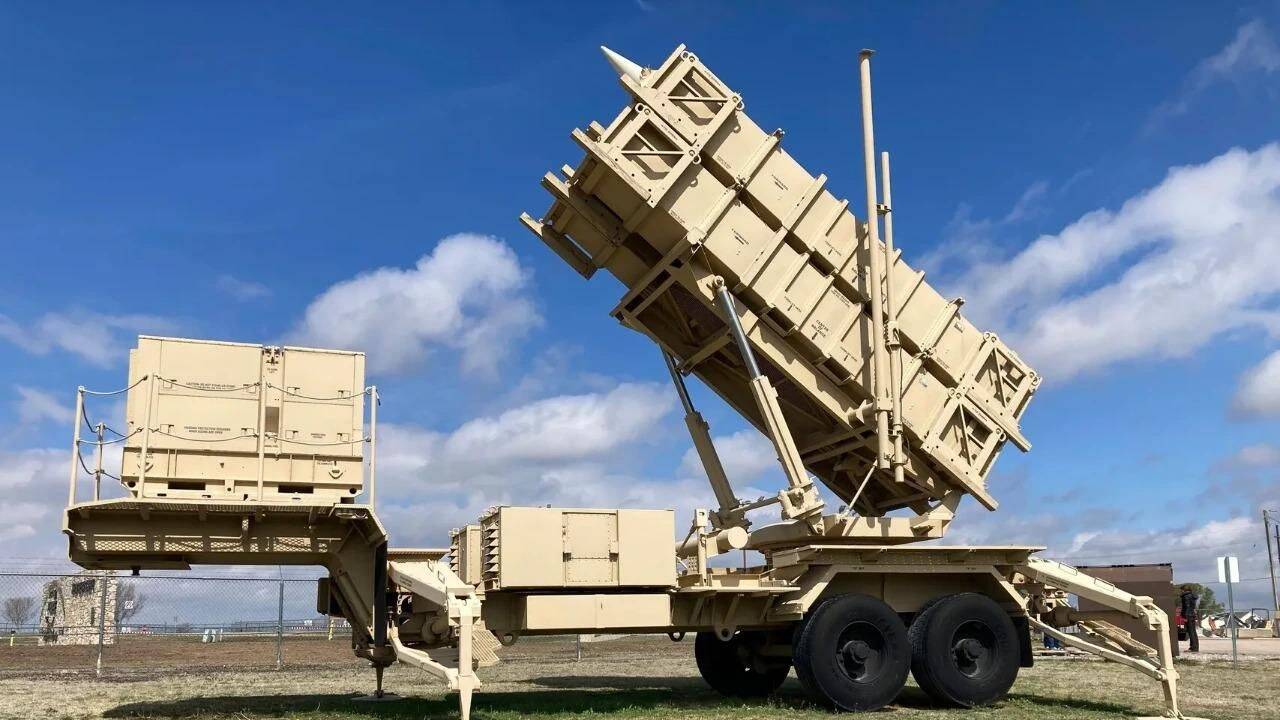
Scenarios branch starkly: confirmed violations could trigger intensified Western military aid—U.S. ATACMS deliveries by late April—expanding conflict to Belarus or Moldova borders. Unconfirmed reports of NATO "no-fly" discussions loom. Alternatively, China's February 24 role might resurface in UN-mediated talks, though Kremlin intransigence suggests low odds.
Key dates: April 15 UN Security Council emergency session; April 20 NATO summit in Vilnius. Predictive risks include 10-15% escalation probability to neighboring regions per Catalyst models, or robust intervention like expanded sanctions freezing $300 billion Russian assets. Continued breaches tie into "interconnected global war," per NYT/GDELT, weakening truces worldwide—from Yemen to Taiwan—as seen across current wars in the world.
Proactive diplomacy is imperative: multilateral enforcement, perhaps BRICS-Ukraine forums, to break the cycle. Historical patterns—from January bodies to Easter failures—demand it, lest fragility becomes fatality.
This is a developing story and will be updated as more information becomes available.