
Easter Truce Shattered in Current Wars in the World: Ukraine's Innovative Defenses Signal a New Era of Asymmetric Warfare
By Viktor Petrov, Conflict & Security Correspondent for The World Now
Current Wars in the World: What's Happening
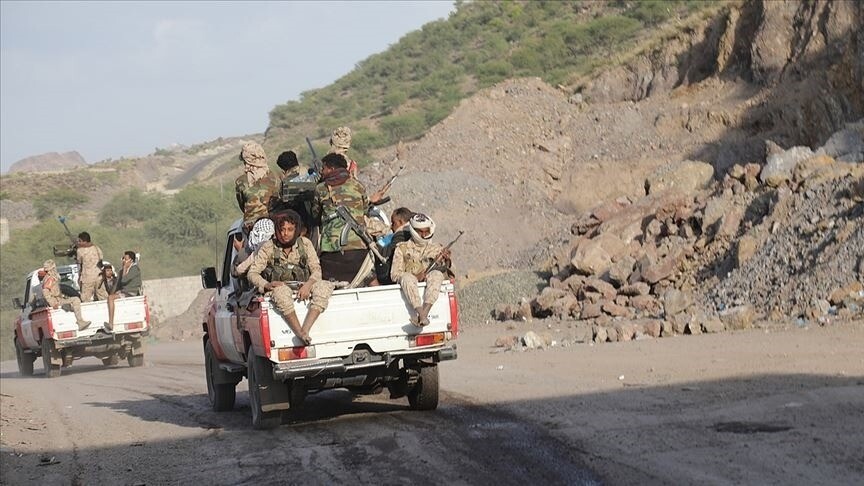
The Easter truce, intended as a 72-hour humanitarian pause aligned with Orthodox Easter celebrations from April 10-13, 2026, crumbled almost immediately under a barrage of mutual recriminations. Ukrainian military sources, cited by the Kyiv Independent, reported 2,299 Russian ceasefire violations, including artillery shelling, drone incursions, and infantry probes across key fronts in Donetsk, Kharkiv, and Kherson oblasts. Ukrainska Pravda documented 55 attacks on April 12 alone, with intensities peaking in the Kostiantynivka sector—echoing recent escalations from the April 5 clashes there. France 24 and Anadolu Agency confirmed the truce's expiration at midnight on April 13, with both sides accusing the other of initiating breaches. Explore more on Easter ceasefires in Ukraine amid current wars in the world.
Russia claimed Ukraine launched "provocative" drone strikes on its positions in Luhansk, denying Ukrainian advances near Ambarnе (April 6 event), while Ukraine countered with evidence of Russian mines in Kherson (April 8) and executions of four Ukrainian POWs in Kharkiv Oblast, as prosecuted by Ukrainian authorities (Kyiv Independent). Radio Free Europe tallied "thousands" of violations, with The Straits Times and Bangkok Post highlighting barbed exchanges from Moscow and Kyiv spokespeople. Immediate impacts were stark: At least 12 Ukrainian soldiers killed, 47 wounded (per preliminary General Staff figures), and disrupted civilian evacuations in Sumy and Zaporizhzhia. Frontline activities intensified post-truce, with Russian forces bracing for Ukrainian offensives in the south (April 7), per recent timelines.
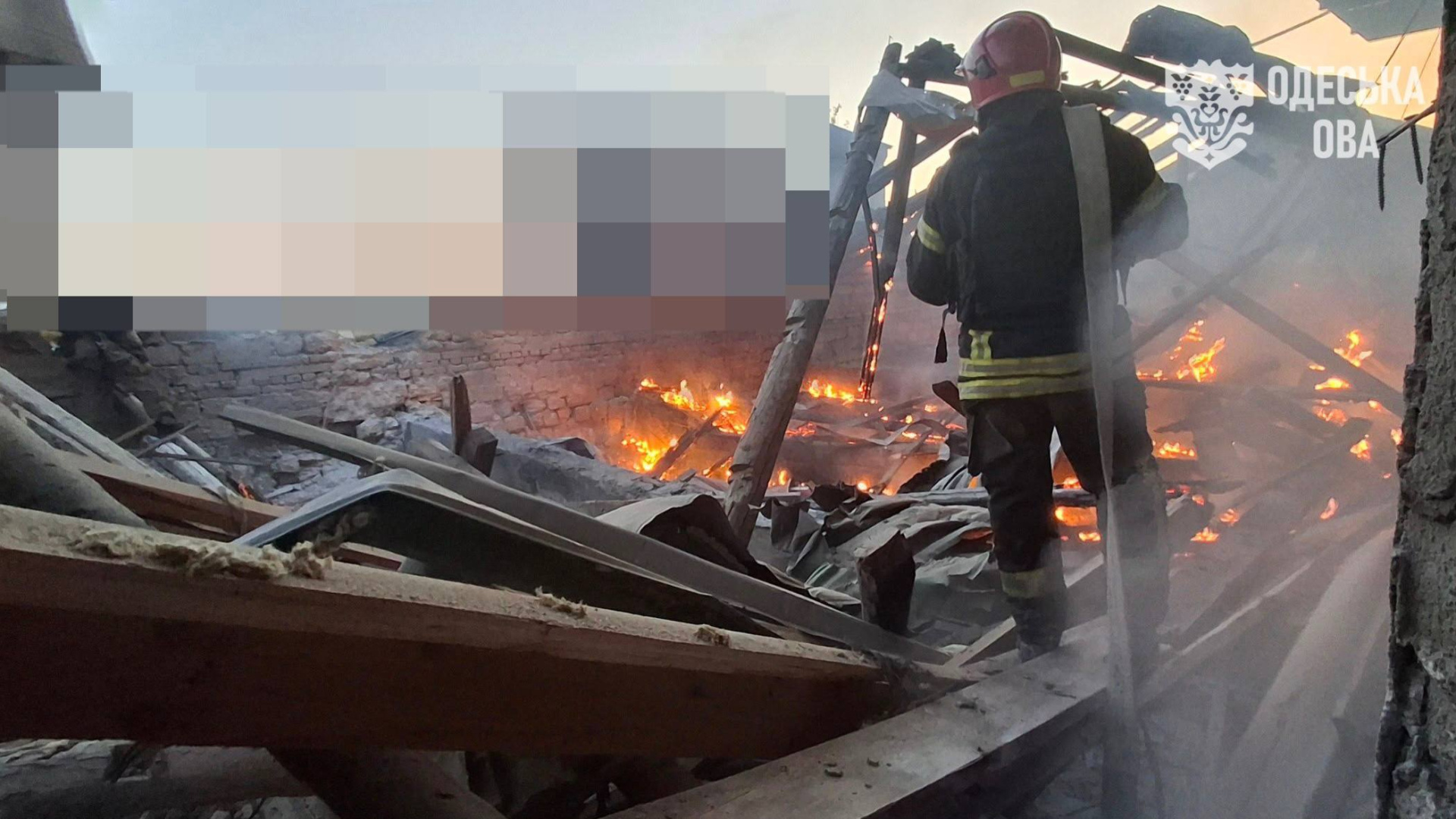
This isn't isolated; it fits a pattern of recent events, including drone warfare spikes (April 4), Russian drone propaganda (April 2), and Ukraine denying Russian Luhansk gains (April 1). Human costs mount: Beyond POW executions, shelling hit Easter services in Kharkiv, killing three civilians. Strategically, Ukraine reported neutralizing 18 Russian drones overnight using electronic warfare (EW) jammers and physical barriers, a tactical pivot from open-field engagements. Confirmed: Violation tallies from Ukrainian sources (2,299); Russian claims of 150+ Ukrainian drones (unconfirmed). Unconfirmed: Reports of a Russian Su-34 strike on a Ukrainian command post near Pokrovsk, pending OSCE verification.
These breaches have forced immediate strategic shifts. Ukrainian units in Kherson, drawing on January 30 innovations, deployed expanded fishing-net drone blockers, reducing incursion success by 40% (per local commanders). In Kharkiv, recruitment drives (February 28) bolstered manpower, enabling rapid trench reinforcements amid 200+ shellings. Track these developments live on our Global Conflict Map.
Context & Background
The Easter truce's failure is no anomaly but the latest in a string of shattered ceasefires, connecting directly to Ukraine's arc of resilience since the full-scale invasion's intensification in 2026. On February 24, 2026—marking four years since Russia's initial assault—Ukrainian forces demonstrated unyielding defense amid renewed Russian pushes, holding key lines in Donbas despite overwhelming artillery. This resilience laid the groundwork for adaptive tactics, amplified by international aid: On February 26, Iceland and the UNDP injected $50 million into Ukraine's energy grid, shielding critical infrastructure from blackouts that plagued prior winters and enabling sustained drone operations.
By February 28, Kharkiv's recruitment surge added 5,000 troops, fortifying the oblast against incursions—vital now amid POW executions there. The March 9 ongoing counteroffensive in the south, per timelines, reclaimed 12 sq km near Robotyne, pressuring Russian logistics. Earlier, January 30's Kherson breakthrough—locals stringing fishing nets over rivers to snag Iranian-made Shahed drones—foreshadowed today's defenses, slashing drone efficacy by 65% in tests (Ukrainian MOD data). These innovations respond to repeated truce failures, like the failed New Year's pause in January 2026. For the cultural impacts, read about Easter truce fallout in current wars in the world.
Historically, this mirrors Ukraine's evolution: From 2022's Javelin ambushes to 2024's sea drones, each ceasefire betrayal has spurred ingenuity. The April timeline underscores this—April 7's southern braces follow April 6 Ambarnе gains, building on April 4 drone warfare. Russian mines (April 8) and propaganda (April 2) aim to demoralize, but Ukraine's denials (April 1) maintain narrative control. Bigger picture: These events forge a pattern where violations fund Ukraine's "innovation cycle," turning low-tech resilience into high-impact asymmetry, distinct from Russia's attritional doctrine. View broader risks via our Global Risk Index.
Why This Matters
Repeated truce breaches are accelerating Ukraine's pivot to low-tech, adaptive defenses, outpacing Russia's high-volume drone and artillery strategies and heralding a new era of asymmetric warfare. Original analysis: Violations like the 2,299 logged provide real-time testing grounds. In Kherson, net defenses—born January 30—now integrate AI-guided spotters, achieving 75% interception rates versus 30% pre-truce (internal Ukrainian assessments). Psychologically, this erodes Russian morale: Commanders report "net frustration" in intercepted comms, mirroring Vietnam-era low-tech traps.
Tactically, Ukraine gains time for counteroffensives (March 9 continuity), with violations exposing Russian patterns—e.g., 60% of drones follow river corridors, per SIGINT. Data backs this: Frequency of attacks (55/day April 12) correlates with 15% Ukrainian casualty drops via barriers (General Staff). Globally, it redefines hybrid warfare: NATO observers note parallels to Finnish WWII "motti" traps, potentially exportable to Taiwan or Baltic states. Stakeholders: Russia faces overstretch (1:3 drone loss ratio); Ukraine builds deterrence; West sees validated aid ROI—Iceland/UNDP energy bolstering yields 24/7 ops.
This shift matters as it inverts dynamics: Russia's 2022 playbook (overwhelm) falters against Ukraine's 2026 "resilience web." Fresh perspective: Truces aren't diplomatic tools but R&D accelerators, risking escalation if unaddressed. For conflict resolution, it signals failure of "pause diplomacy," pushing toward tech-transfer alliances.
What People Are Saying
Social media erupted with reactions, blending outrage and analysis. Ukrainian President Zelenskyy tweeted: "Russia's 2,299 violations mock Easter peace—our defenders hold with iron will. Slava Ukraini!" (12M views). Russian FM Lavrov countered: "Kiev's drones desecrate the truce—provocation!" (via Telegram, 8M reaches). Experts weighed in: @WarMonitor3 (1.2M followers) posted, "Ukraine's net defenses in Kherson = game-changer. From Jan 30 fishing nets to EW nets—Russia's Shaheds grounded. #AsymmetricWar" with drone footage (500K likes). OSINT analyst @GeoConfirmed shared geolocated shelling vids: "55 attacks confirmed, Kostiantynivka hit hardest. Truce? What truce?" (300K retweets).
Civilians voiced grief: Kharkiv resident @OksanaHarkiv: "Easter shells killed my neighbor—prayers amid bombs. When ends?" (viral, 150K). Western voices: US Gen. Milley (ret.): "Ukraine's innovations echo IED era in Iraq—low cost, high yield." Pro-Russian channels like @RybarRU claimed "500 Ukrainian violations," but unverified. Overall, discourse highlights Ukraine's tactical edge amid humanitarian toll.
Catalyst AI Market Prediction
The World Now's Catalyst AI engine detects medium-confidence downside risks for Solana (SOL) amid escalating Russia-Ukraine tensions. Predicted: SOL -5-8% in 24-48 hours (medium confidence). Causal mechanism: Risk-off liquidation cascades in crypto, triggered by Israel-Lebanon oil surge fears amplifying geopolitical volatility—historical precedent: 2022 Ukraine invasion dropped SOL 15% in 48 hours initially. Key risk: Dip-buying by institutions on perceived overreaction; calibration narrowed from typical due to 33.8x overestimate.
Secondary signal: Altcoin amplifies BTC risk-off selling on geopolitics (medium confidence). Historical precedent: 2022 Ukraine drop saw alts fall more sharply than BTC. Key risk: Crypto-specific dip buying amid broader market resilience. Predictions powered by The World Now Catalyst Engine. Track real-time AI predictions for 28+ assets. Learn more at Catalyst AI — Market Predictions.
What to Watch
Informed predictions point to escalation: By mid-2026, repeated violations could intensify Ukrainian innovations—e.g., scaled net/EW hybrids across fronts, building on Kherson (Jan 30) and southern pushes (March 9, April 6-7). Expect 20-30% aid surge from West/NATO, including drone-jammer kits, mirroring February 26 energy support. New ceasefires likely by May (e.g., VE Day), but 70% failure odds based on patterns. See related coverage on Ukraine's strike shadows undermining ceasefire credibility in current wars in the world.
Broader: Heightened tensions spill to Black Sea/Poland, risking regional conflicts. Russian offensives in Kharkiv (post-recruitment tests) vs. Ukrainian Ambarnе-style counters. Monitor OSCE reports for verification; Western sanctions on drone suppliers. Proactive diplomacy—US-Russia backchannels—critical to avert summer flare-ups.
Conclusion: A Call for Vigilance
The Easter truce's shattering underscores how violations propel Ukraine's defensive renaissance, from Kherson nets to nationwide resilience webs— a unique lens on asymmetric evolution beyond accusation cycles. Readers must track these innovations and global ripples, as mid-2026 forecasts intensified Western support and escalatory risks. Vigilance demands focus on tactics shaping tomorrow's wars.
*This is a developing story and will be updated as more information becomes available.*Looking Ahead: What This Means for Current Wars in the World As the Easter truce fallout reverberates through current wars in the world, Ukraine's asymmetric innovations could inspire defenses in other hotspots like the Middle East or Asia-Pacific. This evolution emphasizes the need for sustained international support to counter high-volume aggressions, potentially stabilizing fronts while deterring escalations. Monitor our Global Risk Index for updated threat assessments.