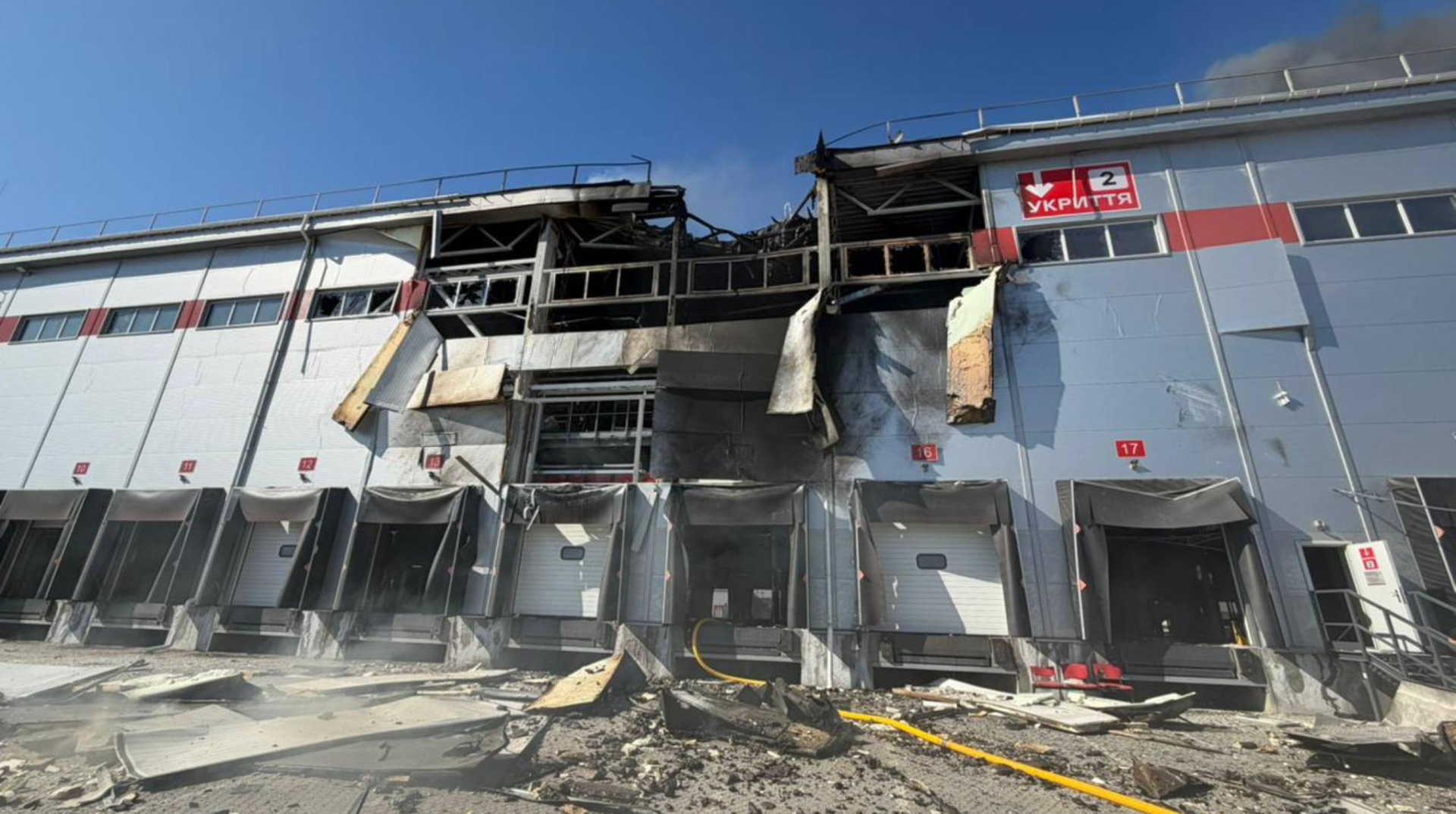
WW3 Map Updates Show Renewed US Strikes Inside Iran
The United States and Iran resumed direct military clashes with air strikes and exchanges of fire, ending a lull that followed an April ceasefire and prompting market declines as shown in ww3 map updates. South Korean stocks opened lower with the KOSPI falling 0.52 percent to 6,784.29 due to renewed US-Iran military attacks and worries about inflation. [1] Major US stock indexes declined overnight with the Dow Jones falling 0.7 percent, the S&P 500 losing 0.33 percent, and the Nasdaq dropping 0.12 percent. [1]
WW3 Map Shows Renewed US Strikes Inside Iran
The latest flare-up ends a conflict lull more than six months in, with sporadic attacks continuing over the Strait of Hormuz since an April ceasefire. [3] This development appears in ww3 map tracking as direct exchanges resumed after weeks without such incidents. Iran's foreign minister accused Israeli Prime Minister Benjamin Netanyahu of tricking the United States into war with Iran. [3] Tehran's closure of the Strait of Hormuz has pressured global oil markets. [3]
Resumed US-Iran Military Exchanges
The United States and Iran resumed direct military clashes with air strikes and exchanges of fire, ending a lull that followed an April ceasefire and prompting market declines. [lead] South Korean stocks opened lower with the KOSPI falling 0.52 percent to 6,784.29 due to renewed US-Iran military attacks and worries about inflation. [1] The benchmark Korea Composite Stock Price Index (KOSPI) fell 35.73 points, or 0.52 percent, to 6,784.29 at the opening bell. [1] Overnight, major U.S. stocks closed lower as renewed U.S.-Iran air strike exchanges and Federal Reserve Chair Kevin Warsh's hawkish speech fueled worries about inflation. [1]

US President Donald Trump speaks during a news conference on Iran military strikes. — Source: france24
Market Impact in Asia and the US
Major US stock indexes declined overnight with the Dow Jones falling 0.7 percent, the S&P 500 losing 0.33 percent, and the Nasdaq dropping 0.12 percent. [1] South Korean stocks opened lower with the KOSPI falling 0.52 percent to 6,784.29 due to renewed US-Iran military attacks and worries about inflation. [1] The benchmark Korea Composite Stock Price Index (KOSPI) fell 35.73 points, or 0.52 percent, to 6,784.29 at the opening bell. [1] Overnight, major U.S. stocks closed lower as renewed U.S.-Iran air strike exchanges and Federal Reserve Chair Kevin Warsh's hawkish speech fueled worries about inflation. [1] Financial data is displayed on a screen at the dealing room of Hana Bank in Seoul on Aug. 31, 2026. [1]
Statements from US and Iranian Officials
Trump vowed to hit back hard after the first exchange of fire with Iran in weeks. [2] Iran's foreign minister accused Israeli Prime Minister Benjamin Netanyahu of tricking the United States into war with Iran. [3] The United States and Iran resumed direct military clashes with air strikes and exchanges of fire, ending a lull that followed an April ceasefire and prompting market declines. [lead] This followed the US striking sites in Iran, prompting Tehran to respond. [3]
Broader Conflict Context
The latest flare-up ends a conflict lull more than six months in, with sporadic attacks continuing over the Strait of Hormuz since an April ceasefire. [3] Over six months into the conflict, there appears to be no end in sight. [3] An April ceasefire brought an end to intense fighting, but sporadic attacks have continued over the Strait of Hormuz. [3] This after the US struck sites in Iran, prompting Tehran to respond. [3]
{IMAGE_3}
Economic Pressure on Oil Markets
Tehran's closure of the Strait of Hormuz has pressured global oil markets. [3] South Korean stocks opened lower with the KOSPI falling 0.52 percent to 6,784.29 due to renewed US-Iran military attacks and worries about inflation. [1] Major US stock indexes declined overnight with the Dow Jones falling 0.7 percent, the S&P 500 losing 0.33 percent, and the Nasdaq dropping 0.12 percent. [1] Overnight, major U.S. stocks closed lower as renewed U.S.-Iran air strike exchanges and Federal Reserve Chair Kevin Warsh's hawkish speech fueled worries about inflation. [1]
What to watch next
The situation remains fluid as sporadic attacks continue over the Strait of Hormuz and Tehran's closure of the waterway continues to pressure global oil markets.