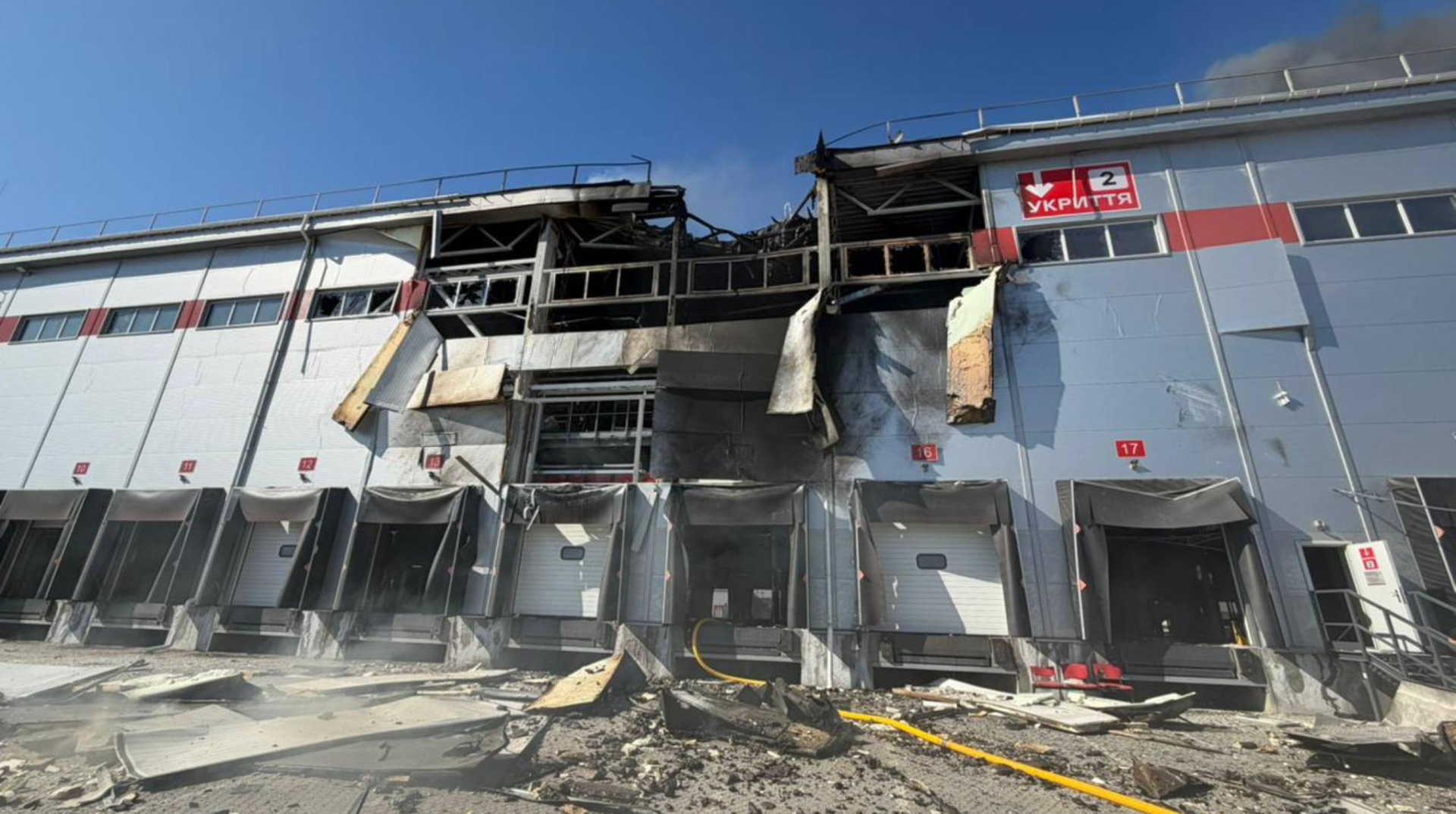
Current Wars in the World See US-Iran Conflict Reach Costly Seventh Month
In the context of current wars in the world, the US-Israel war on Iran, launched on February 28, has entered its seventh month as a costly deadlock, with both sides trading strikes around the Strait of Hormuz while Iran maintains control of the waterway as leverage and the Trump administration imposes sweeping new sanctions. The conflict has killed thousands of civilians mostly in Iran and Lebanon, caused energy prices to spiral, and upended the global economy.
Current Military Stalemate
The conflict has now stretched into its seventh month with no end in sight after beginning as what President Donald Trump described as a short excursion. [2] Periodic outbreaks of fighting continue around the Strait of Hormuz. This week the United States targeted Iran’s Larak island, striking Islamic Revolutionary Guard Corps launchers after detecting preparations to launch rockets with naval mines. [3] Iran responded with ballistic missiles aimed at US bases in Jordan, including King Hussein and Al Azraq, and drones directed at the UAE base at Al Minhad. [3] Iranian state media reported three deaths and several injuries from the US strike on Larak island. [3] US forces denied Iranian claims of a supertanker catching fire after striking mines in the southern route of the strait. [3] President Trump has threatened to strike Iran’s main oil export center on Kharg island and described Iran as an officially failed nation. [3] Iranian President Masoud Pezeshkian stated that continuation of the war benefits neither the region nor humanity. [3] Pentagon assessments have warned that sustained high levels of operations against Iran could reduce US ability to respond to threats elsewhere. [4]
Iran's Control of the Strait of Hormuz

US and Iranian forces remain locked in a costly military stalemate around the Strait of Hormuz. — Source: asiatimes
Iran has maintained control over traffic through the Strait of Hormuz, using the waterway as its greatest leverage in negotiations with Washington. [1] The strait normally carries 20 percent of the world’s oil and liquefied natural gas exports. [1] Tehran has closed the strait to pressure the United States and the world while inflicting enormous economic costs on the region and global economy. [1] Gulf leaders are eager for a deal that reopens the strait and avoids further escalation. [1] Iran has shown that control of the strait provides significant leverage, yet prolonged disruption harms neighbors, China, and the world economy while prompting searches for alternative routes. [4] Tehran seeks permanent control of the strait both to deter future attacks and to extract concessions without yielding on its nuclear program. [4]
US Sanctions and Economic Pressure
The Trump administration last week announced Operation Economic Outcast, a set of wide-scale sanctions intended to strangle Iran economically and isolate it globally. [2] Treasury Secretary Scott Bessent called the effort Economic D-Day. [2] The sanctions aim to create conditions for Iran to return to negotiations. [3] China and Russia have rejected the move as unacceptable. [2] None of Iran’s neighbors, including Pakistan, Iraq, and Turkey, have agreed to enforce the sanctions. [2] Only the United Arab Emirates has paused financial transactions and trade with Iran. [2] The United States has also reimposed a blockade on Iranian ports to cut oil revenue and conducted periodic military strikes. [2] The Pentagon has acknowledged the conflict has cost 37.5 billion dollars so far, with another 67 billion dollars needed. [4] The first six days alone reportedly exceeded 11.3 billion dollars. [4] Iran has damaged US intelligence infrastructure in the Middle East by more than several billion dollars. [4]
Iranian Diaspora Divisions
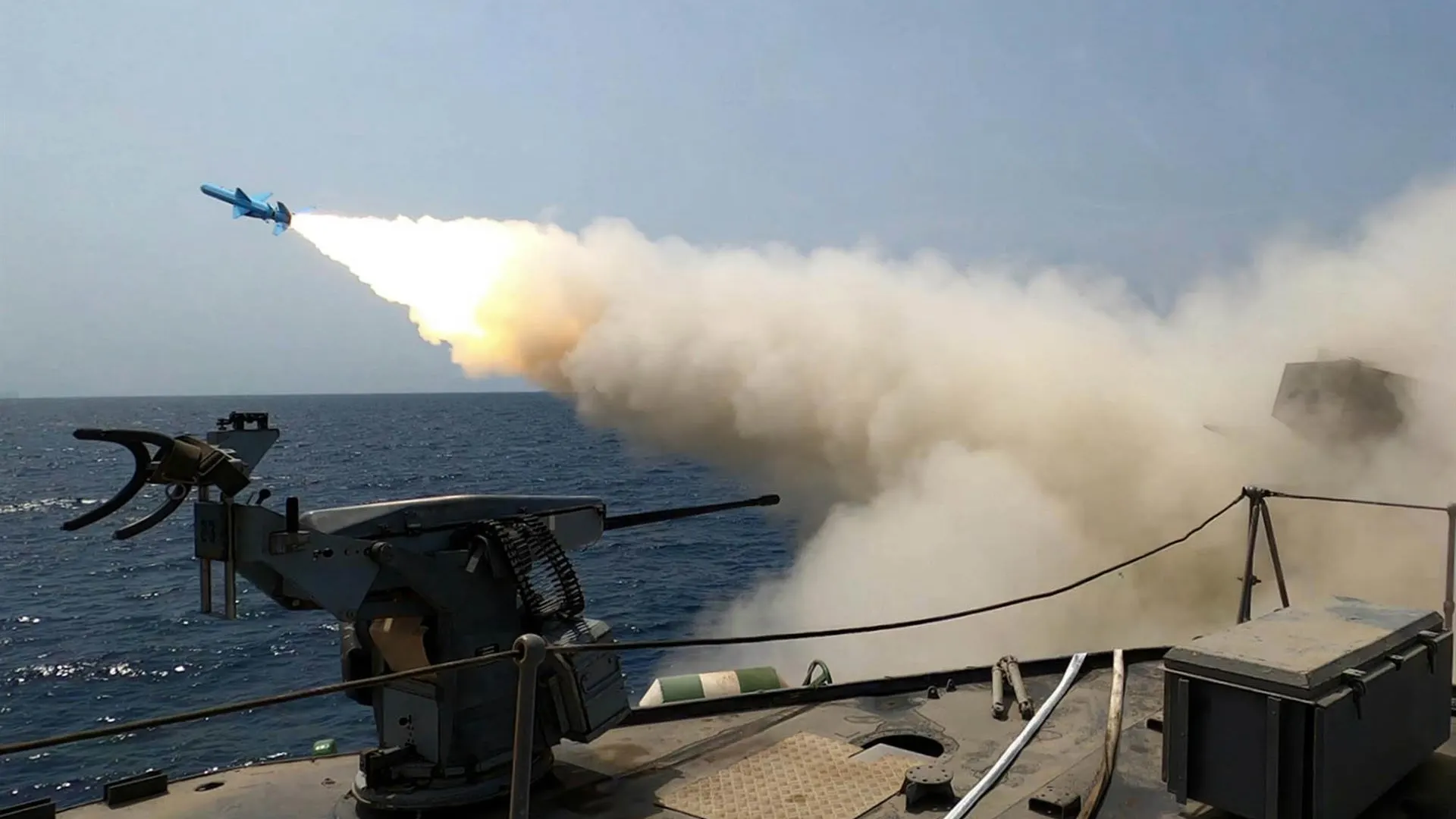
US and Iranian forces exchange strikes around the Strait of Hormuz in ongoing seventh-month conflict. — Source: gdelt
The war has divided the Iranian diaspora, with some supporting strikes around Reza Pahlavi while others oppose the war as imperialist and harmful to pro-democracy efforts inside Iran. [1] Peyvand Khorsandi, who left Iran in 1976, opposes the conflict and says it has given the Iranian government a new lease of life while setting back pro-democracy efforts. [1] Khorsandi described the war as racist and fought for colonial sensibilities, noting that Pahlavi supporters represent a dangerous approach. [1] Naz Radboy, born in the United States to Iranian parents, supports Iran’s leaders and views the war as US imperialism against a government that refuses to bow to Washington. [1] Radboy stated that Iran is confronting empire and that she stands with the institutions defending it. [1] Roxane Farmanfarmaian of Cambridge University observed that many inside Iran and in the diaspora who hoped Trump would bring change have been disappointed. [1] The bombing of an elementary school for girls in Minab, which killed at least 170 people mostly children, further deepened divisions after evidence pointed to a US air strike. [1]
Failed Diplomacy and Negotiating Positions
A June memorandum of understanding between the Trump administration and Iranian leadership collapsed after Trump withdrew under pressure from Republican figures and Israeli Prime Minister Benjamin Netanyahu. [2] Iran’s demands include a full ceasefire on all fronts, unfreezing of billions in assets, war reparations, the right to manage the Strait of Hormuz, and a permanent end to US and Israeli threats. [2] The United States insists on reopening the strait and renewed nuclear talks. [2] Pakistani and Qatari mediators remain engaged in efforts to bring the sides together. [2] Iranian officials have said Tehran fulfilled commitments under prior agreements while the US side did not. [3] Trump has warned that countries assisting Iran will face enormous economic consequences. [4]
Human and Strategic Costs
The conflict has killed thousands of civilians, mostly in Iran and Lebanon. [1] An elementary school bombing in Minab killed at least 170 people, most of them children, with evidence indicating a US air strike. [1] Iran’s human rights record has drawn accusations from Amnesty International of systematic repression during the war, including arbitrary detentions of activists, journalists, and lawyers and use of forced confessions. [1] US intelligence had already concluded before the war that Tehran was not trying to weaponize its nuclear program. [1] Pentagon documents have warned that continued operations could leave US forces less capable of addressing other global threats through 2027. [4] Gulf states have begun seeking new security arrangements, including a mutual defense pact involving Saudi Arabia, Turkey, and Pakistan. [2] Several other states such as Egypt have considered joining similar arrangements, and Iran has welcomed the shift. [2]
What to watch next: Mediators from Pakistan and Qatar continue efforts to revive talks based on the earlier memorandum while Gulf states pursue alternative security pacts and both sides weigh the costs of renewed escalation around the strait.