WW3 Map Updates Show Israeli Military Push Into Hebron After Soldier Killings
Israeli Prime Minister Benjamin Netanyahu has ordered a major military operation and collective punishment measures in the occupied West Bank city of Hebron following a shooting attack that killed two Israeli soldiers, with increased drone activity also reported over Beirut amid ongoing tensions with Hezbollah, according to the latest ww3 map updates.
Hebron Checkpoint Attack Triggers Israeli Response
The Hebron attack on an Israeli army checkpoint on October 23 killed two soldiers, wounded three others, and resulted in the deaths of two Palestinian gunmen after a 20-minute gunfight. [5] The Israeli military said the two Palestinian gunmen opened fire on soldiers at a temporary checkpoint outside Hebron after failing to reach a nearby highway, where they were suspected of planning an attack on civilians. [5] According to a preliminary military investigation, the ensuing gunfight lasted more than 20 minutes and left five Israelis wounded, two of whom later died. [5] Israeli forces subsequently shot and killed both gunmen. [5] Netanyahu ordered security forces to impose a cordon around Hebron and prepare for a wider lockdown of the West Bank following the attack. [5]
Netanyahu Announces Collective Punishment and Evacuations
Netanyahu vowed to evacuate residents, conduct house-to-house searches, destroy terrorist infrastructure, and apply the model used in northern West Bank refugee camps that displaced around 33,000 Palestinians in early 2025. [4] Speaking during a visit to the city with Defence Minister Israel Katz, Netanyahu said: "First of all, we will act to destroy this place, to change it completely." [4] Netanyahu added: "But we are going to do something that has not been done until now: We will implement the successful and aggressive model we used in the refugee camps, which are essentially terrorist strongholds." [4] Laying out the plan for the neighbourhood, Netanyahu said: "We will evacuate the residents, we will go house to house, we will remove the weapons there as well, and all the terrorist infrastructure will be dealt with and destroyed." [4] He added that the Israeli military would carry out a major operation in the occupied West Bank, the largest since it first occupied the area following the 1967 war. [4] Israel Katz confirmed Netanyahu's comments, saying "the Jenin refugee camp model arrives in Hebron." [4]
Israeli forces impose cordon and conduct military operation in Hebron after checkpoint attack kills two soldiers. — Source: anadolu
West Bank Movement Restrictions Intensify
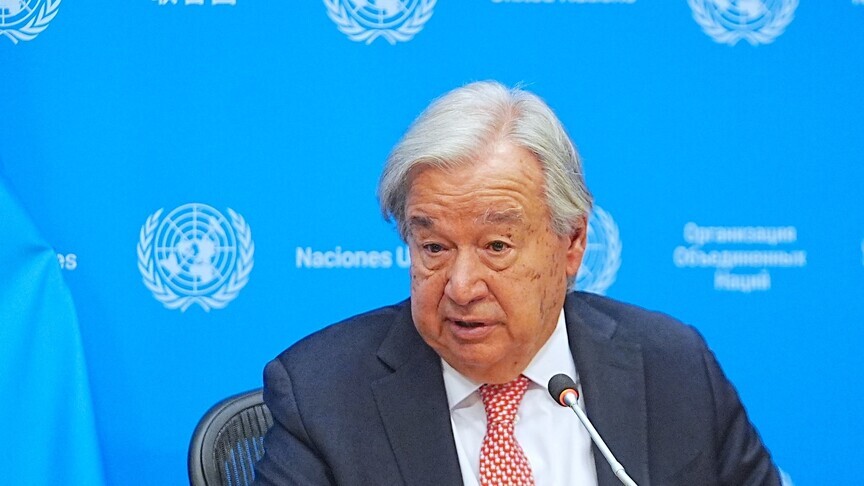
Restrictions including cordons around Hebron and wider West Bank closures have taken effect, adding to 942 existing movement obstacles and disrupting Palestinian access to jobs, medical care, and the olive harvest. [4] The city has been cordoned off, with preparations for wider closures occurring across the West Bank. [4] According to the latest figures documented by the Colonisation and Wall Resistance Commission, there were 942 movement obstacles across the West Bank as of September 2026. [4] These restrictions have transformed Palestinian movement between cities, villages and communities into a process controlled by Israeli military decisions. [4] The restrictions mean Palestinians will be unable to reach their jobs or get medical treatment, with farmers losing access to land and markets to sell produce. [4] This is set to impact the olive harvest season, already disrupted by widespread settler violence. [4] Medical Aid for Palestinians warned that, following announced restrictions and an Israeli military escalation in the occupied West Bank, its staff are reporting increased obstacles to reaching Palestinians in need of care. [4] Aseel Baidoun, the group's Deputy Director of Advocacy and Communications in the West Bank, warned that both settler attacks and ministerial threats of collective punishment and forcible displacement meant "the risk of atrocity crimes is acute." [4] UN chief is 'deeply concerned' over widespread closures by Israel in occupied West Bank. [2] "We are extremely alarmed by the intensifying violence that we're seeing in the occupied West Bank," says spokesman. [2]
Israeli Drones Increase Visibility Over Beirut
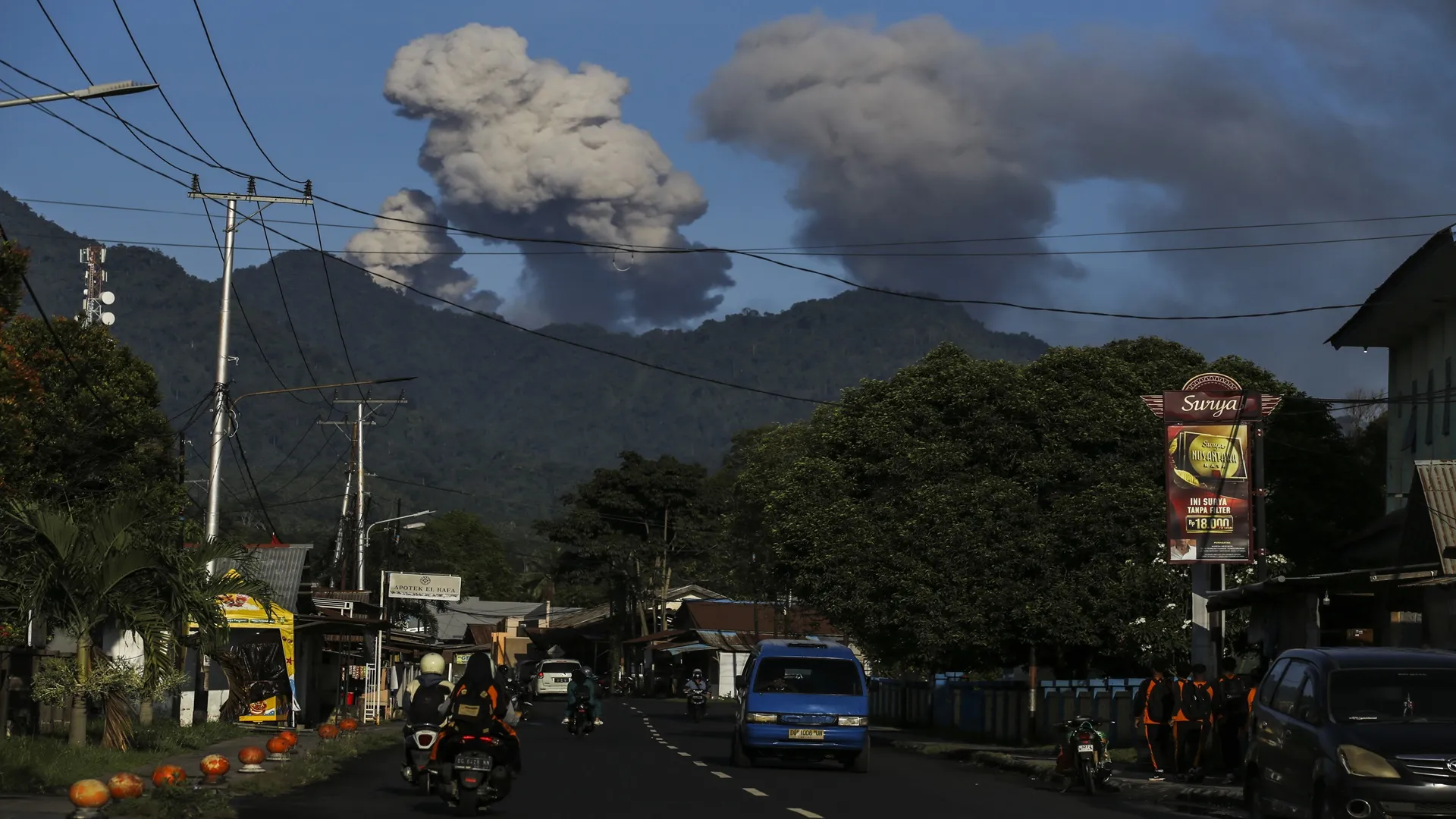
Israeli drone flights over Beirut and southern suburbs have increased in visibility, serving purposes of intelligence gathering, target updating, and psychological pressure on Hezbollah without indicating an imminent wider offensive. [1] Reports of increased Israeli drone activity over Beirut and its southern suburbs have raised questions about whether Israel is preparing for a new escalation against Hezbollah. [1] Surveillance and pressure on Hezbollah remain key objectives, Elijah J. Magnier told The New Arab. [1] "Local reporting today documented a drone flying at low altitude over the southern suburbs. That establishes a visible presence; it does not, by itself, establish a sustained increase in surveillance or an imminent offensive," he said in comments to The New Arab on 21 October. [1] Magnier said Israeli drone flights could serve several purposes at once, including gathering intelligence, updating potential targets, monitoring movements and exerting psychological pressure on residents. [1] Nasser Khdour, an analyst at the Armed Conflict Location & Event Data Project (ACLED), also said Israeli drone activity over Beirut was not new. [1] "Israel has continued gathering intelligence and identifying possible targets in preparation for another round of fighting," he told The New Arab. [1]
Political Context Ahead of Israeli Elections
The actions come days before Israel's October 27 general election, with Netanyahu using the response to project a hardline security image amid polls showing his coalition at risk of losing its majority. [5] The escalation comes just days before Israel's October 27 election, putting security and Netanyahu's handling of Palestinian attacks at the centre of the political debate. [5] Netanyahu can use the response to reinforce his image as a leader who takes a hard line on security, while pressure from far-right coalition partners for a broader offensive adds to calls for tougher action against Palestinians. [5] Reuters reported that opinion polls showed Netanyahu's right-wing coalition at risk of losing its parliamentary majority, with former military chief Gadi Eisenkot emerging as a leading challenger. [5] Zizette Darkazally, an Associate Fellow at Chatham House's Middle East and North Africa Programme, told The New Arab that the reactions from Israel's politicians confirm the preexisting positions that they already held. [4] Far-right National Security Minister Itamar Ben-Gvir also weighed in, again calling for the government to dismantle the Palestinian Authority that governs parts of the West Bank, while opposition politicians Eisenkot, Naftali Bennett, and Yair Golan praised the Israeli military's response. [4] Darkazally said that Netanyahu's announced policies were an attempt to exploit the attack to gain more votes and further his self-proclaimed image as 'Mr Security', but that it's unlikely to change the base of voters between the two blocs. [4]
Broader Regional Tensions and Hezbollah Dynamics
The actions come amid continued Israel-Hezbollah conflict, threats involving Iran, and analysts' views on potential escalation without assuming automatic wider war. [1] The conflict between Hezbollah and Israel began in October 2023 and was dramatically escalated by Israel into a full-scale war in September 2024. [1] Fighting resumed on 2 March this year, alongside the US-Israeli war on Iran. [1] Much of Hezbollah’s senior command structure has been eliminated over the past three years, and thousands of its fighters are believed to have been killed. [1] Israeli Defence Minister Israel Katz has warned Hezbollah against joining Iran in an attack on Israel, threatening a "powerful response" against Beirut’s southern suburbs, which would include a forced evacuation of the whole area. [1] Hezbollah has refused to disarm as long as Israeli forces remain in Lebanon. [1] Magnier said the group’s involvement would become a more serious possibility in such a scenario, but would remain a choice rather than an automatic consequence. [1]
What to watch next: The latest round of US-mediated military talks between Lebanese and Israeli delegations began in Tampa, Florida, on 20 October amid continued Israeli attacks and demolitions in southern Lebanon.