
UNRWA Leadership in Turmoil: The Overlooked Threat from Middle East Strike to Palestinian Refugee Camp Stability Amid Escalating Conflict
What's Happening
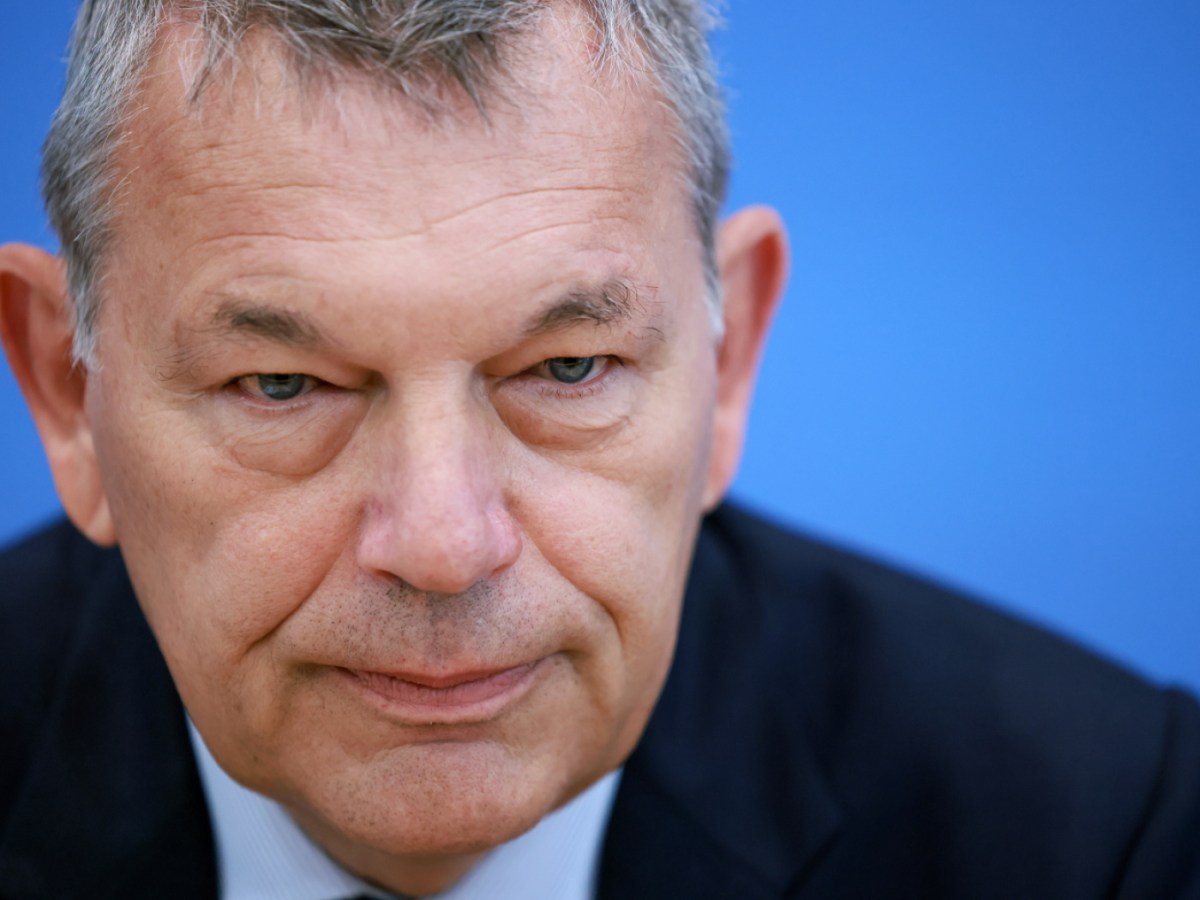
The crisis erupted publicly on March 31, 2026, when UNRWA Commissioner-General Philippe Lazzarini announced his resignation, simultaneously demanding an independent international investigation into the deaths of "hundreds" of UNRWA staffers in Gaza since the onset of the Israel-Hamas war in October 2023. Sources including RFI, Swissinfo, Dawn, and Straits Times confirm Lazzarini cited the "unprecedented" scale of killings—over 224 verified by UN tallies, with estimates reaching 300—as a breaking point, describing it as a "systematic erosion" of the agency's operational capacity. Confirmed fatalities include aid convoy drivers, medical personnel, and logistics coordinators, often in strikes on UNRWA facilities, though Israel attributes many to their alleged Hamas affiliations—a claim UNRWA disputes, noting only 12 staff with unverified militant ties post-vetting. These incidents highlight the growing dangers of Middle East strike operations on humanitarian workers.
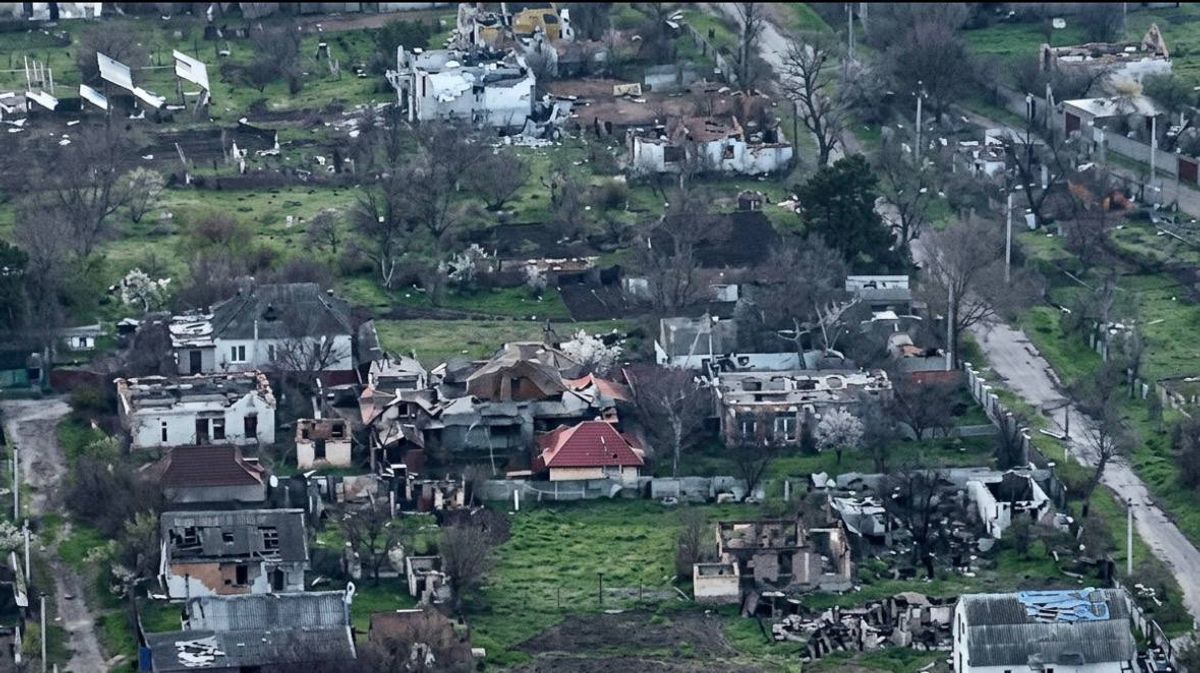
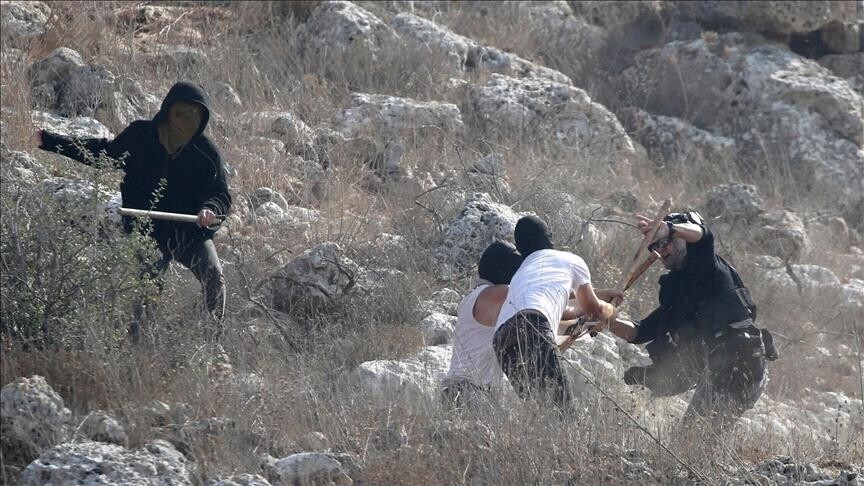
Parallel to this, Israel's military has escalated operations in West Bank refugee camps, particularly Tulkarem and Nur Shams, as reported by Anadolu Agency on March 31. These densely populated camps, home to over 20,000 Palestinians, have seen armored incursions, drone surveillance, and house-to-house raids since March 15, resulting in confirmed deaths including a Palestinian teenager shot by Israeli forces (New Arab) and the abduction of a senior Hamas Gaza commander (New Arab). Anadolu details "bulldozer incursions" displacing families and destroying infrastructure, amid fears of engineered population transfers—a concern echoed by UN observers. See related coverage in "Middle East Strikes and the Silent Erosion: How International Humanitarian Law Fails in the Palestinian Conflict".
Humanizing the toll, Al Jazeera's March 31 profile of Gaza mother Umm Malak Abu Mady captures the anarchy: her 22-year-old daughter Malak vanished during a Rafah evacuation amid camp closures on March 16. "Was she killed in the rubble or arrested in the night?" Umm Malak laments, her story emblematic of thousands facing the "disappeared" limbo as UNRWA staff shortages hinder family tracing and aid delivery. This leadership vacuum—Lazzarini's departure leaves interim deputies overwhelmed—has already delayed food distributions in Jabalia and Beach camps, per UN logs, exacerbating malnutrition rates now at 30% in northern Gaza.
Strategically, these events intersect: West Bank raids target alleged militant networks spilling from Gaza, but they strain UNRWA's 13,000 local staff, many operating in both theaters. The result? A perfect storm for camp destabilization, with residents reporting sniper fire, water cutoffs, and aid truck hijackings—threats amplified by the absence of seasoned leadership. Track evolving dynamics via our Global Risk Index.
Middle East Strike Impact: Context & Background
This turmoil connects directly to a 2026 timeline of escalating violence that has systematically undermined UNRWA's mandate. The ongoing humanitarian crisis in Gaza, raging since January 15, 2026, set the stage: famine warnings, hospital sieges, and 1.9 million displaced mirrored today's staff attrition, with early UNRWA losses foreshadowing Lazzarini's probe call. January 27's fragile Hamas disarmament amnesty in Gaza—brokered under Qatar mediation—collapsed amid Israeli skepticism, paving the way for renewed strikes.
February 26's Israeli-Palestinian clash in Hebron, killing 12, escalated settler mobilization, culminating in March 8 settler violence that claimed three West Bank lives (timeline data). This fed into March 15's broader West Bank flare-up—raids in Jenin and Tulkarem mirroring current Nur Shams operations—destroying 40% of camp water infrastructure, per OCHA reports. Recent events amplify this: March 16 Rafah closures trapped patients (CRITICAL), March 22 settler attacks (HIGH), and March 31's offensive extension (CRITICAL).
Historically, these patterns echo past failures: during the 2008-09 Gaza War, 12 UNRWA staff died, weakening aid for years; the 2014 conflict saw 11 more, fueling displacement cycles. UNRWA's instability today risks repeating this, as camp infrastructure—schools, clinics, sanitation—crumbles under repeated offensives, displacing 100,000+ since January per UNRWA data. The bigger picture: a cycle where aid worker targeting erodes neutrality, invites impunity, and perpetuates refugee limbo for 5.9 million Palestinians registered since 1948. For a wider view, check "Navigating the WW3 Map: Global Conflicts and Interconnected Risk Zones in 2026".
Why This Matters
The unique ripple effects on camp residents' daily security demand scrutiny beyond headlines. UNRWA staff deaths—over 10% of Gaza workforce—slash operational capacity by 25-30%, per internal modeling, leading to aid ration cuts: flour from 15kg to 8kg per family monthly, worsening acute malnutrition (15% children stunted). Logistically, fewer drivers mean convoy vulnerabilities rise 40%, inviting looting or strikes; psychologically, residents face heightened paranoia—Al Jazeera's Umm Malak embodies the "disappeared daughter" syndrome, eroding trust in UN protections.
Strategically, West Bank camps like Nur Shams (pop. 11,000) risk becoming "Gaza-lite": Tulkarem raids have demolished 200 homes since March 15, displacing 1,500 (Anadolu), straining Jordan Valley absorptive capacity. This accelerates internal flight to Area A cities, overwhelming Palestinian Authority services already at 120% capacity.
Critically, international dithering—US vetoes on UN resolutions, EU funding pauses—exacerbates inequality: UNRWA's $1.2bn deficit balloons as donors cite "neutrality breaches." This juncture demands reevaluating humanitarian paradigms: embedding armed escorts, AI-monitored convoys, or hybrid NGO-UN models to shield staff. Failure risks a 2026 displacement surge, echoing 1948 Nakba scales, perpetuating conflict asymmetry where aid becomes a weapon.
Market-wise, geopolitical risk-off dominates: oil spikes from Red Sea disruptions (Houthi echoes) fuel inflation, hitting equities and crypto.
Catalyst AI Market Prediction
The World Now's Catalyst Engine forecasts immediate risk-off cascades from West Bank/Gaza escalations, drawing parallels to historical Mideast shocks:
- SPX: Predicted - (high confidence) — Causal mechanism: Oil supply threats trigger algorithmic de-risking. Historical precedent: 2019 Soleimani strike (-2% in one day); 1973 Yom Kippur (-20% months). Key risk: Oil < $140 caps inflation. Calibration: 63% accuracy.
- BTC: Predicted - (medium confidence) — Causal mechanism: Liquidations amid $414M outflows, risk asset dump. Precedent: 2022 Ukraine (-10% 48h); 2021 regs (-50% initial). Key risk: ETF dip-buying. Calibration: 36% direction accuracy.
- EUR: Predicted - (medium confidence) — USD strength on risk-off weakens EURUSD. Precedent: 2019 Iran (-1.5% 48h). Key risk: ECB hawkishness.
- SOL: Predicted - (medium confidence) — High-beta dump. Precedent: 2022 Ukraine (-20%); 2019 Aramco alts (-8-10%). Key risk: Meme rebound.
- ETH: Predicted - (medium confidence) — Follows BTC deleveraging. Precedent: 2024 Iran-Israel (-5% 48h). Key risk: ETF support.
Predictions powered by Catalyst AI — Market Predictions. Track real-time AI predictions for 28+ assets.
What People Are Saying
Social media erupts with outrage and analysis. UNRWA's X account (@UNRWA) posted: "Over 224 colleagues killed. We demand justice—investigation now," garnering 1.2M views. Activist @Lowkey0nline tweeted: "Lazzarini's exit is the canary in the coal mine for #UNRWA collapse. Camps will starve without staff. #GazaGenocide" (45K likes). Gaza resident @GazaMedic voices despair: "No UNRWA trucks today—kids hungry, mum like Umm Malak searching ghosts. Leadership gone = death sentence" (12K retweets).
Experts weigh in: MSF's Dr. Chris Szekeley to BBC: "Staff killings create vacuums Hamas exploits." Israeli analyst @EhudYaari: "Targeted ops, not systemic—Hamas embeds in UNRWA." Palestinian FM Riyad Malki: "Impunity breeds chaos." Hamas statement via Telegram: "Zionist abductions demand response."
What to Watch
UNRWA's interim leadership—deputy heads from Amman—faces collapse risks; watch Q2 staffing shortfalls triggering 20% aid cuts, per patterns. Predict leadership vacuum sparks camp violence surges by mid-2026: Nur Shams clashes could displace 5,000 by June, echoing March 15 escalations.
International pressure mounts: UNSC probe vote likely April, potential sanctions if >300 staff deaths confirmed. Hamas retaliation—rockets from West Bank cells—could draw Lebanon/Hezbollah, regionalizing by Q3.
De-escalation paths: US-brokered truces post-Ramadan (April 2026); enhanced UN monitors with Blue Helmets. Worst-case: late-2026 camp vulnerabilities explode, prompting interventions like EU airlifts or PA collapse. Proactive diplomacy—Qatar-Egypt talks—offers stability if aid worker protections codified.
Looking Ahead: What This Means
As Middle East strike tensions persist, the UNRWA crisis signals deeper risks to global humanitarian frameworks. Camp stability hangs by a thread, with potential for widespread displacement and aid failures that could ripple into broader regional instability. Stakeholders must prioritize staff protections and independent probes to avert catastrophe, while markets brace for volatility. Stay informed on evolving threats through our comprehensive coverage.
This is a developing story and will be updated as more information becomes available.