Middle East Strike: Lebanon's Escalating Conflict Redefining International Peacekeeping in the Shadow of History
The Middle East Strike Story
The narrative of Lebanon's current conflagration traces a grim arc from simmering border skirmishes to outright invasion, weaving through a timeline of ignored warnings and diplomatic fiascos that have rendered UNIFIL—a force established in 1978 and bolstered by Resolution 1701 in 2006— Increasingly impotent. It began innocuously enough on January 2, 2026, when reports emerged of Israeli gunfire near the Blue Line, the de facto border separating Lebanon from Israel. This incident, confirmed by multiple monitoring groups, served as an early harbinger of escalating tensions, yet it elicited no decisive international intervention. Just ten days later, on January 12, Lebanon's proposed disarmament plan—aimed at curbing Hezbollah's arsenal amid ongoing Israeli airstrikes—faltered amid mutual recriminations, highlighting the entrenched cycle of tit-for-tat violence.
By February 25, 2026, Hezbollah's deepening ties with Iran amid regional tensions further complicated the landscape. Intelligence assessments, echoed in open-source reporting, pointed to Iranian arms shipments bolstering Hezbollah's rocket capabilities, numbering over 150,000 by some estimates. This proxy dynamic set the stage for the March escalations: on March 8, Israel issued stark warnings to Lebanese villages south of the Litani River, demanding evacuations ahead of potential attacks—a prelude reminiscent of Gaza operations. One week later, on March 15, Lebanon plunged into a full-blown conflict crisis, with cross-border exchanges intensifying and UNIFIL positions caught in the crossfire.
Fast-forward to late March 2026, and the situation has detonated. On March 22, Israel probed a possible soldier killing on the border, ratcheting up rhetoric. By March 29, an Israeli soldier was confirmed killed, prompting Netanyahu's directive for expanded ground operations. Sources including Al Jazeera and The New Arab report that on March 31, Israel's army pushed deeper into southern Lebanon, resulting in the deaths of four IDF soldiers in ambushes attributed to Hezbollah fighters. Concurrently, UNIFIL has suffered devastating losses: three Indonesian TNI peacekeepers killed initially, followed by two more, as detailed by Antara News and Middle East Eye. Indonesian officials mourned the fallen while issuing a vehement call for respect of international law, underscoring the human cost to neutral forces. Explore how these attacks are reshaping global alliances in our analysis: Middle East Strike in Lebanon: How Attacks on UN Peacekeepers Are Reshaping Emerging Nations' Foreign Policies and Global Alliances.
Confirmed elements include the IDF casualties (Israeli military statements), the five Indonesian deaths (Indonesian government confirmations), and Netanyahu's expansion order (Israeli media leaks). Unconfirmed reports swirl around Hezbollah rocket barrages targeting advancing troops and potential Iranian advisory roles, though social media posts from Hezbollah-affiliated accounts on X (formerly Twitter) claim responsibility for the IDF losses without independent verification. Germany's urging of both sides to protect UN troops, per Anadolu Agency, reflects European exasperation, while NRK's analysis draws parallels to Gaza's "odeleggelse" (destruction) tactics, suggesting Israel may raze border villages to create buffer zones. Check the Global Conflict Map — Live Tracking for real-time updates on this and other hotspots.
This escalation transcends local hostilities; it represents a strategic inflection point. Past UN resolutions, from 425 (1978) to 1701 (2006), mandated Hezbollah's disarmament south of the Litani and UNIFIL's monitoring role, yet enforcement has been negligible. Troops from 12 nations, including Indonesia's contingent of over 1,100, patrol a 50,000 sq km area but lack robust rules of engagement, rendering them "observers" in a warzone. The deaths mark the deadliest day for UNIFIL since 2006, prompting questions about mandate reform.
The Players
At the epicenter stands Israel, led by Netanyahu, whose motivations are rooted in security imperatives: neutralizing Hezbollah's rocket threat, estimated at 3,000-5,000 launches since October 2023. Strategic doctrine, per IDF briefings, prioritizes a "security zone" in southern Lebanon, echoing 1982-2000 occupation tactics. Hezbollah, backed by Iran, views resistance as existential, with Secretary-General Hassan Nasrallah framing strikes as retaliation for Gaza. Iran's role—via precision-guided munitions transfers—is pivotal, as highlighted in the February 25 timeline event.
UNIFIL, comprising 10,000 troops from 50 nations, is the beleaguered neutral arbiter. Indonesia, contributing the largest contingent post-losses, emerges as a vocal non-Western player, demanding accountability and hinting at alternative mediation frameworks. Germany, a smaller contributor, amplifies calls for de-escalation, while the U.S. tacitly backs Israel via arms flows. Lebanon’s fragile government, paralyzed by Hezbollah's influence, pushes disarmament rhetoric but lacks leverage. Non-state actors like Hamas and Houthis loom peripherally, tying this to broader "Axis of Resistance" dynamics.
Motivations clash: Israel's preemption versus Hezbollah's deterrence; UNIFIL's impartiality versus troop-contributing nations' domestic pressures (e.g., Indonesia's public outrage fueling anti-Western sentiment).
The Stakes
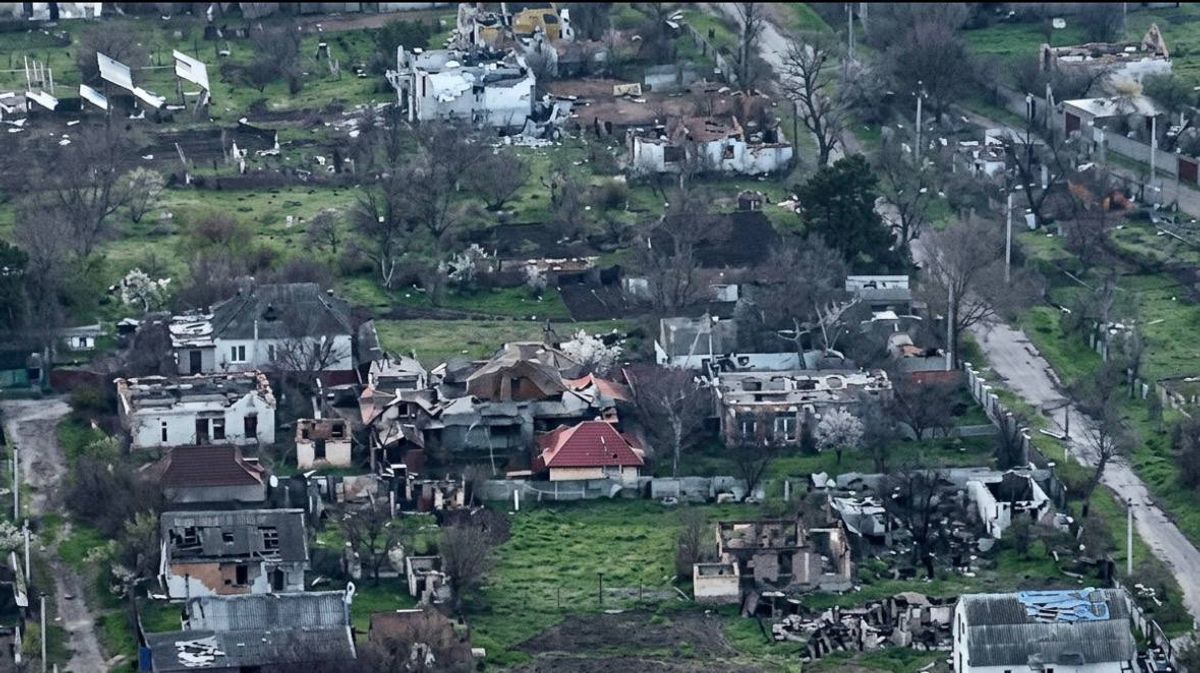
Politically, the conflict imperils Lebanon's sovereignty, risking state collapse amid economic ruin (GDP contraction of 40% since 2019). Humanitarily, southern villages face displacement—NRK reports plans to "odelegge boliger" (demolish homes), potentially affecting 100,000 civilians. Strategically, it strains UN peacekeeping writ large: UNIFIL's mandate weaknesses—non-enforceable ceasefires, veto-prone Security Council—expose multinational forces to "hybrid threats" where non-state actors exploit gray zones. Learn more about Lebanon's community impacts: Middle East Strike: Lebanon's Hidden Crisis – How Israeli Strikes Are Eroding Community Resilience Amid Ongoing Violence.
This crisis uniquely spotlights peacekeeping reform. Historical UN resolutions failed iteratively: 1701's disarmament clauses unenforced due to Lebanon's vetoes and Israel's non-cooperation. Indonesia's post-mortem diplomacy signals a shift: non-Western nations, via forums like the Organization of Islamic Cooperation (OIC), may pioneer "alternative interventions"—robust observer missions or economic incentives bypassing UN bureaucracy. Broader implications for international law abound: peacekeeper deaths invoke Geneva Conventions protections, yet impunity persists. Economically, Lebanon's fragility amplifies risks—sanctions could spike inflation (already 200%+), deterring FDI.
For Israel, stakes include multi-front war; for Hezbollah/Iran, credibility in deterrence. Globally, it tests post-Ukraine peacekeeping norms, where missions face drones, missiles, and proxies. View interconnected risks on the Global Risk Index.
Catalyst AI Market Prediction
The World Now's Catalyst AI engine, analyzing historical precedents and causal chains from Mideast escalations, forecasts risk-off dynamics dominating markets:
- EUR: Predicted decline (medium confidence) — USD strength from risk-off weakens EURUSD. Historical precedent: 2019 Iran tensions saw EURUSD -1.5% in 48h. Key risk: ECB hawkishness on oil inflation.
- SOL: Predicted decline (low-medium confidence) — High-beta crypto dumps on risk-off liquidation. Historical precedents: 2022 Ukraine SOL -20%; Sept 2019 Aramco-like alts -8-10%. Key risk: Meme/alt rebound.
- BTC: Predicted decline (medium confidence) — Risk-off selling amid oil shocks/geopolitical liquidation cascades ($414M outflows). Historical precedents: 2022 Ukraine BTC -10% in 48h; Feb 2022 invasion -10%. Key risk: Miner hodl/ETF dip-buying above $65k.
- SPX: Predicted decline (high-medium confidence) — Oil threats trigger algo de-risking/equity rotation. Historical precedents: 2019 Soleimani -2% in 1 day; 2024 Iran strikes -2%; 1973 Yom Kippur -20% months; Aramco analogs. Key risk: Oil < $140, earnings beats.
- XRP: Predicted decline (medium confidence) — Crypto cascades on thin liquidity. Historical: 2022 Ukraine XRP -12% in 48h. Key risk: BTC > $65k limits alts.
- ETH: Predicted decline (medium confidence) — Follows BTC deleveraging. Historical: 2024 Iran-Israel ETH -5%. Key risk: Spot ETF inflows.
Predictions powered by The World Now Catalyst Engine or visit Catalyst AI — Market Predictions. Track real-time AI predictions for 28+ assets.
Looking Ahead
Scenarios bifurcate: optimistic de-escalation via UN emergency sessions (likely post-April 1), with Indonesia/Germany brokering truces; pessimistic expansion into full invasion, drawing Iranian retaliation via Hezbollah rockets or proxies (Houthis, Hamas). Timeline markers: April 5 UNSC debate; mid-April Litani push if unresolved. Long-term: peacekeeping reforms—enhanced ROE, hybrid mandates—or non-Western alternatives (e.g., BRICS-led monitors). Regional power shifts loom: weakened Hezbollah bolsters Sunni axes; Iranian overstretch exposes flanks. Economic sanctions risk Lebanon's implosion, per Catalyst forecasts. Proactive diplomacy—U.S.-brokered talks incorporating OIC—is imperative to avert regional war. For a broader view, see Navigating the WW3 Map: Global Conflicts and Interconnected Risk Zones in 2026.
This is a developing story and will be updated as more information becomes available.