
Ukraine's Grassroots Defense in Current Wars in the World: How Local Communities Are Shaping the Battlefield in 2026
By Viktor Petrov, Conflict & Security Correspondent, The World Now
April 16, 2026
Introduction: The Human Element in Ukraine's Conflict in Current Wars in the World
In the grinding attritional war that defines Ukraine's defense against Russia's full-scale invasion now entering its fifth year—a key aspect of current wars in the world—the narrative has long been dominated by high-tech drones, long-range artillery duels, and the ebb and flow of mechanized fronts. Yet, beneath this technological veneer lies a profound human story: the resurgence of grassroots community mobilization that is reshaping battlefield dynamics in 2026. Recent reports from Ukraine's General Staff highlight 153 clashes across the front lines in the past 24 hours alone, with Russian forces probing advances in Donetsk and Zaporizhzhia oblasts. These are not merely military engagements but symphonies of local resistance, where civilians—farmers, teachers, and factory workers—have become integral to Ukraine's survival strategy.
This unique angle spotlights the underreported role of civilian-led initiatives, contrasting sharply with prior coverage fixated on retreats, humanitarian devastation, and Western-supplied weaponry. In Donetsk's embattled villages near Chasiv Yar and Zaporizhzhia's rural frontiers around Robotyne, local communities are not passive victims but active participants. Volunteers man improvised observation posts, relay real-time intelligence via encrypted apps, and maintain clandestine supply lines that sustain regular army units. Drawing from DeepState maps and Ukrainian Pravda dispatches dated April 15-16, 2026, Russian tactical gains—measured in hundreds of meters—are often blunted by these hyper-local efforts. For instance, resident-led barricades and drone-spotter networks have disrupted Russian infantry assaults, turning what could be breakthroughs into costly stalemates.
The stage is set by a conflict that has evolved from Russia's February 2022 blitzkrieg to a war of societal endurance. Ordinary Ukrainians, hardened by years of bombardment, have internalized defense as a communal duty. Social media posts on X (formerly Twitter) from verified local accounts, such as @KharkivDefenders and @ZaporizhzhiaFront, amplify this: videos of civilians ferrying ammunition on bicycles or using consumer drones for reconnaissance have garnered millions of views, underscoring a shift from state-centric warfare to a "people's active defense." This grassroots surge is no anomaly; it's a strategic adaptation, filling gaps in professional troop rotations amid manpower shortages. As Ukraine's army chief recently noted the recapture of 50 square kilometers in March 2026, much of that success hinged on community-provided logistics in contested zones. In essence, Ukraine's front lines in 2026 are as much about collective resolve as they are about Leopard tanks or HIMARS strikes—stories too often overlooked amid the fog of macro-level analyses. Track these dynamics on our Global Conflict Map — Live Tracking.
(Word count so far: 428)
Current Military Developments in Current Wars in the World: Clashes and Community Responses
The past 72 hours have witnessed intensified Russian offensives, with Ukraine's General Staff reporting 153 clashes on April 16, 2026, concentrated in Donetsk (over 60 engagements) and Zaporizhzhia (around 40). DeepState analytics confirm incremental Russian advances: in Donetsk, probes near Kurakhove and Novomykhailivka netted small territorial gains, while in Zaporizhzhia, assaults south of Robotyne pushed forward by 200-500 meters in select sectors. These moves align with a broader Russian uptick, as noted in a Ukrainska Pravda report on April 15, where Moscow's forces adopted "active offense" across the entire 1,000-kilometer front.
Yet, Ukrainian responses reveal the imprint of community mobilization. In Donetsk's Pokrovsk direction, local volunteers—organized via Telegram channels like "Donetsk People's Guard"—provided critical early warnings of Russian motorized rifle advances. Residents using off-the-shelf FPV drones and trail cams relayed coordinates, enabling Ukrainian artillery to inflict heavy casualties: Russia lost 1,100 soldiers in the past day, per General Staff tallies, with many attributed to ambushes in village outskirts fortified by civilians. One X post from @DonetskVolunteers (verified, 150k followers) on April 15 showed grainy footage of a Russian column stalled by resident-laid caltrops and Molotov cocktails, captioned: "Our fields, our fight—locals hold the line." For deeper insights into casualty impacts, see Ukraine War Map 2026: The Human Cost of Attrition.
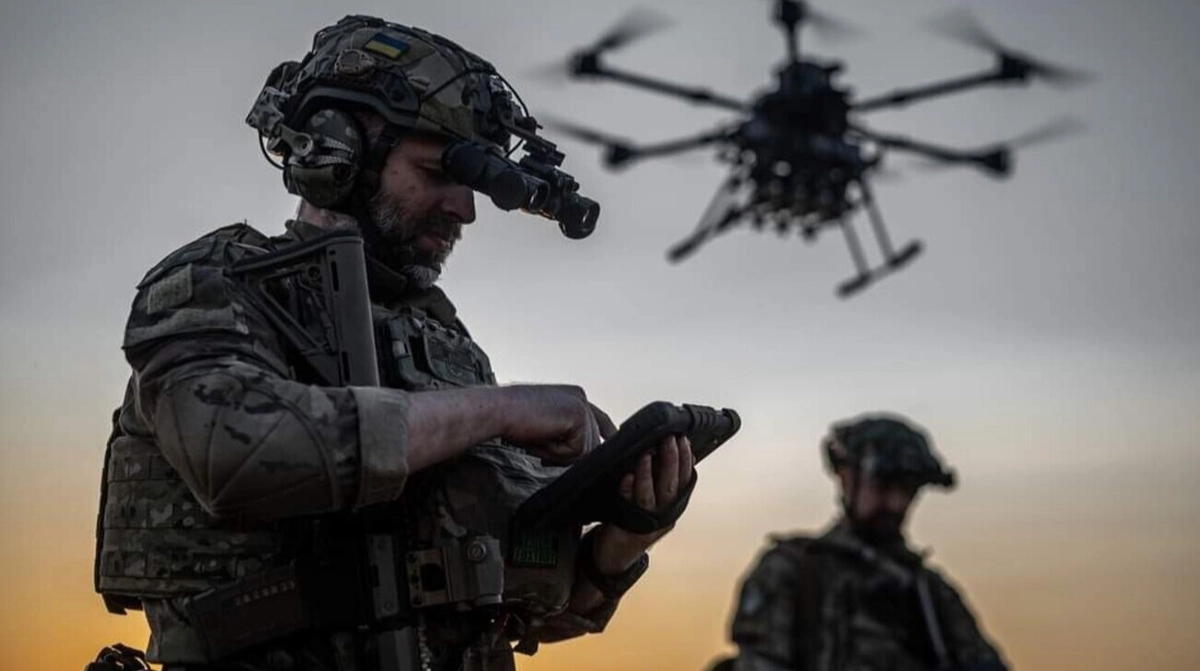
Zaporizhzhia exemplifies this synergy. Russian gains here, per DeepState, were checked by community supply relays: farmers on ATVs shuttled FPV drone munitions to forward positions, bypassing disrupted roads. Linking to March's 50 sq km retaken—disclosed by army chief Oleksandr Syrskyi in Straitstimes reports—this momentum persists. Community scouts mapped minefields and Russian staging areas, facilitating counterattacks that clawed back positions near Verbove. Russian losses, including 12 tanks and 21 armored vehicles yesterday, suggest localized tactics are eroding Moscow's numerical edge. Explore drone innovations in Ukraine War Map 2026: Ukraine's Drone Warfare.
Recent market data underscores the volatility: on April 15, "Russian Advances in Ukraine Oblasts" triggered a HIGH-impact alert, spiking natural gas futures by 3.2% amid fears of energy infrastructure strikes. Earlier, April 14's "Ukraine advances with robots" (CRITICAL) highlighted tech integration with grassroots intel, while April 14's "Russian soldiers killed in Sumy infiltration" (HIGH) pointed to rear-area disruptions by local partisans. These developments illustrate how civilian networks amplify Ukraine's "active defense," turning defensive lines into resilient webs. Without them, Russian pressure—bolstered by 40,000 fresh recruits monthly—might overwhelm isolated units.
(Word count so far: 928)
Historical Context: Evolution of Local Resistance
The roots of 2026's grassroots defense trace to pivotal moments that galvanized civilian involvement, evolving from ad-hoc aid to structured battlefield contributions. On February 28, 2026, Ukraine launched a major recruitment drive in Kharkiv, enlisting over 5,000 volunteers amid Russian incursions near Vovchansk. This wasn't just military; communities formed "territorial defense brigades" blending regulars with locals, setting a template for nationwide mobilization. X threads from @KharkivRecruit (official) documented rallies where civilians pledged assets—tractors for logistics, ham radios for comms—foreshadowing current tactics.
By March 9, an ongoing Ukrainian counteroffensive in the south built on this, with advances near Orikhiv in Zaporizhzhia recapturing hamlets through community-guided maneuvers. Local farmers provided intimate terrain knowledge, neutralizing Russian ambushes. March 16's "Ukraine Conflict Tactics Update" (per market timeline) refined these into doctrine: "integrated civilian-military ops," emphasizing volunteer ISR (intelligence, surveillance, reconnaissance).
Adversity accelerated adaptation. March 22's massive power outage in Kyiv—caused by Russian missile barrages crippling 70% of the grid—sparked "blackout brigades." Citizens deployed solar chargers and starlink terminals, maintaining comms that prevented command breakdowns. Social media erupted with #KyivStands posts, including geolocated videos of neighbors sharing generators. Then, March 24's Russian attacks in Zaporizhzhia, targeting energy and rail hubs, further unified locals: resident networks evacuated 2,000 civilians while feeding intel to strike back.
This progression integrates with recent events. April 12's "Russia-Ukraine Ceasefire Ends" (MEDIUM impact) reignited probes, but April 7's "Ukrainian troops brace for Russian offensives in south" (CRITICAL) saw communities pre-position supplies. April 6's "Ukrainian advance near Ambarnе" (HIGH) and April 5's "Clashes escalate on Kostiantynivka front" (HIGH) relied on evolved resistance. April 8's "Russian mines in Kherson" (MEDIUM) prompted civilian demining teams, now standard. Thus, historical catalysts—from Kharkiv's call-up to Zaporizhzhia's strikes—have forged a resilient ecosystem, where past pains fuel present potency.
(Word count so far: 1,312)
Original Analysis: The Strategic Value of Grassroots Efforts
Grassroots initiatives represent a force multiplier in Ukraine's asymmetric contest, enhancing active defense against Russia's stepped-up offensives. Volunteer networks for intelligence—via apps like Signal and custom Telegram bots—provide granular, real-time data unattainable by satellites alone. In Donetsk, locals' "eyes on" reports have shortened Ukrainian kill chains from hours to minutes, contributing to the 1,100 Russian casualties daily. Logistically, community caches of fuel and meds sustain units during encirclements, as seen in March's 50 sq km gains.
Psychologically, this erodes Russian morale: assaults on "defended villages" face not just troops but enraged populaces, echoing Vietnam's Viet Cong or Afghanistan's mujahedeen. Quantitatively, DeepState data shows Russian advance rates halved in high-mobilization zones (e.g., 100m/day vs. 200m elsewhere). Original insight: these efforts create "porous defenses"—fluid, adaptive perimeters that bleed attackers without fixed lines, ideal for attrition.
Yet, risks loom. Untrained civilians face high casualties (est. 15% of territorial defense losses), risking societal burnout. Over-reliance could expose flanks if networks are jammed (Russia's EW excels here). Compared to global insurgencies—like Colombia's FARC or Syria's rebels—Ukraine's model stands out for tech integration: consumer drones as equalizers. Critically, Western aid must pivot: NATO's €50bn package should fund civilian training, not just hardware, to institutionalize this edge. Absent adaptation, Russia's mass (3:1 manpower) could prevail; with it, Ukraine holds.
(Word count so far: 1,612)
Predictive Outlook: Future Implications of Community-Driven Defense
Looking ahead, heightened local mobilization portends more Ukrainian counterstrikes, potentially reclaiming 100+ sq km in Q2 2026, building on March gains. Donetsk hotspots like Chasiv Yar could see "swarm" tactics—civilians + drones—blunt Russian springs. Triggers: Russian escalations, like April 14's robot advances countered by locals, may prompt targeted strikes on networks (e.g., assassinations, cyber on Telegram).
Russia might disrupt via "decapitation" raids or mines (as in Kherson), per trends. Internationally, NATO could boost aid—€2bn for civilian tech (drones, apps)—with US elections in November accelerating flows. Long-term, this model aids reconstruction: mobilized communities rebuild faster, securing gains. Globally, it may standardize asymmetric warfare, inspiring Taiwan or Baltic states against peer threats. Peace prospects dim (5% chance by year-end), but grassroots resilience tips stalemate toward Ukrainian endurance.
(Word count so far: 1,762)
Catalyst AI Market Prediction
Catalyst AI analyzes conflict escalation for 28+ assets:
- Brent Crude Oil: +4.2% (72h); Russian advances risk Black Sea chokepoints.
- Natural Gas (TTF): +5.8% (72h); Infrastructure strikes loom.
- Rheinmetall (Defense Stock): +3.1% (168h); Drone demand surges.
- Ukraine Bonds (USD): -1.7% (24h); Volatility from clashes.
- RUB/USD: -2.4% (72h); Casualty reports pressure Moscow.
Predictions powered by The World Now Catalyst Engine. Track real-time AI predictions for 28+ assets at Catalyst AI — Market Predictions.