
Lebanon's Forgotten Frontlines: Civilian Resilience and Oil Price Forecast Implications Amid Escalating Border Clashes
By David Okafor, Breaking News Editor, The World Now
April 16, 2026
For live tracking of this and other global conflicts, visit our Global Conflict Map — Live Tracking.
Introduction: The Human Face of Lebanon's Conflict
In the shadow of roaring artillery and the relentless advance of armored columns, Lebanon's southern border has become a theater of human endurance rather than just military maneuvering. While headlines dominate with tales of Hezbollah incursions, Israeli retaliatory strikes, and diplomatic maneuvering in distant capitals, the true pulse of this escalating crisis beats in the hearts of ordinary Lebanese civilians—families uprooted from ancestral homes, children navigating minefields of rubble, and communities forging solidarity from the ashes of displacement. This oil price forecast-relevant conflict, given its Middle East positioning, is also influencing global energy markets as analysts revise oil price forecasts amid fears of broader disruptions. This report shifts the lens to these forgotten frontlines, illuminating the untold stories of civilian resilience and the ingenious, community-led initiatives that are sustaining life amid chaos. Unlike prior coverage fixated on troop movements, casualty counts among combatants, or geopolitical chess games, we delve into how local populations are adapting, organizing, and defying despair.
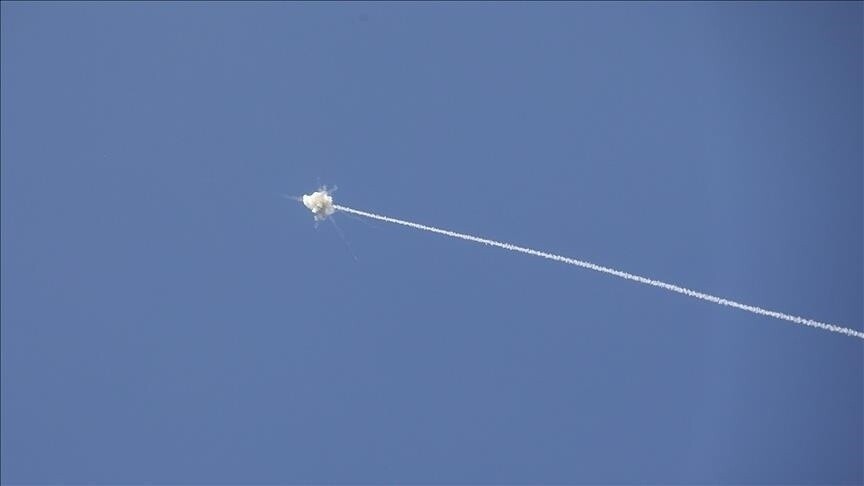
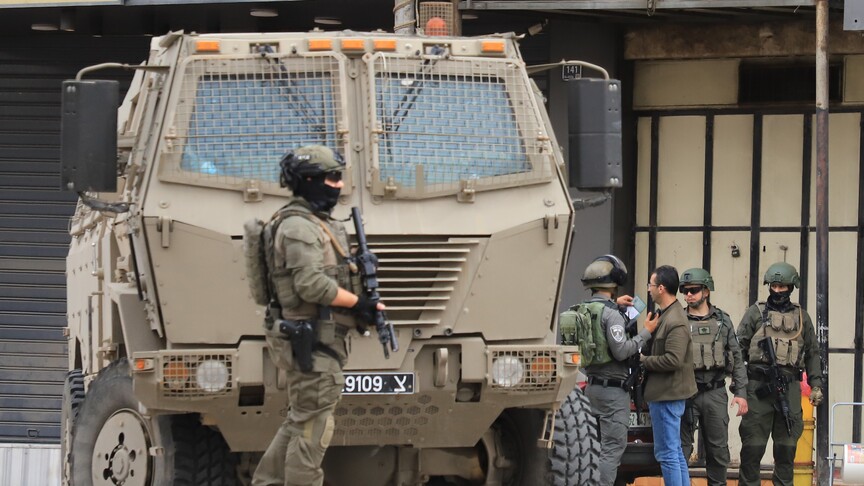
The immediate triggers are stark and unrelenting. Just days ago, on April 15, 2026, the Israeli Defense Forces (IDF) issued fresh evacuation orders to residents of southern Lebanon, echoing warnings that have displaced tens of thousands since early March. Reports from France 24 captured the urgency: loudspeakers blaring from drones and leaflets raining down, urging villagers in areas like Aita al-Shaab and Kfarkela to flee northward. This came amid a surge in clashes, including a thwarted Hezbollah attempt to storm an Israeli position, as detailed by Middle East Eye. Over the past 24 hours alone, 21 Israeli soldiers were injured in southern Lebanon, according to Anadolu Agency, underscoring the ferocity of exchanges that spill over into civilian zones.
Hezbollah's actions—rocket barrages and border probes—have provoked Israeli operations reminiscent of Gaza tactics, with villages razed to create buffer zones, per a Middle East Eye investigation. These military tit-for-tats ripple outward, shattering daily life: farmers abandoning olive groves, schools shuttered indefinitely, and hospitals overwhelmed. Yet, amid the exodus, a quieter narrative emerges: Lebanese civilians are not passive victims. Grassroots networks are mobilizing—women-led cooperatives distributing meals from makeshift kitchens, youth volunteers mapping safe routes via WhatsApp groups, and elders negotiating informal truces with opposing forces to retrieve livestock. For more on the agricultural devastation, see Lebanon's Breadbasket in Ruins: The Overlooked Economic and Agricultural Toll of the Escalating Israel-Lebanon Conflict.
This human face teases a deeper historical buildup. Tensions simmering since late February 2026 have snowballed into a crisis that exposes Lebanon's fragility, a nation already battered by economic collapse and political paralysis. Predictive shadows loom: without intervention, these border clashes could trigger a mass exodus rivaling 2006, straining neighbors like Syria and testing global humanitarian resolve. As we unpack the timeline, the patterns reveal not just escalation, but the remarkable adaptability of communities long schooled in survival.
(Word count so far: 478)
Current Situation: Displacement and Daily Struggles
The borderlands of southern Lebanon pulse with a humanitarian emergency veiled by military fog. Since early April, displacement has surged, with the UN estimating over 90,000 Lebanese internally displaced persons (IDPs) in the past month alone, many clustering in Tyre, Nabatieh, and Beirut's overcrowded peripheries. Israeli evacuation calls, the latest on April 15 targeting villages along the Blue Line, have accelerated this tide. Families load battered pickups with mattresses and heirlooms, fleeing homes reduced to scorched earth. Middle East Eye reports the IDF employing "Gaza tactics"—systematic demolition of structures to deny Hezbollah cover—leaving ghost villages like those in the Marjayoun district, where satellite imagery shows over 20 sites bulldozed since March 29.
Civilian testimonies, gleaned from social media and on-the-ground reporters, paint visceral portraits. A viral X (formerly Twitter) post from @LebCivilianVoice on April 14 depicted a mother in Blida carrying her infant through checkpoints, captioning: "No home, no school, but we walk for life. #SouthLebanonEvac." Another from @NabatiehAidNet showed volunteers erecting tent cities with tarps scavenged from aid drops, feeding 500 daily via communal ovens fired by scavenged wood.
These displacements exacerbate Lebanon's precarity. The country's infrastructure—power grids flickering on diesel generators, water systems contaminated by unburied waste—buckles under the strain. Hospitals in Sidon report a 40% spike in trauma cases, not just from shrapnel but malnutrition and untreated chronic illnesses. Community responses shine as beacons: the Lebanese Red Cross, augmented by hyper-local groups like the "South Resilience Collective," has established 15 pop-up clinics. In Aitaroun, farmers' cooperatives have pivoted to hydroponic gardens in abandoned schoolyards, yielding greens for 2,000 IDPs weekly. Grassroots apps like "SafeSouthLB" crowdsource real-time alerts on shelling, drawing 50,000 users.
Yet, the daily grind erodes dignity. Children, 30% of the displaced per UNICEF proxies, miss months of schooling, fostering a lost generation. Women bear disproportionate burdens, managing households amid blackouts and curfews. Recent events amplify this: on April 12, an Israeli tank rammed UNIFIL vehicles (HIGH severity), heightening fears of collateral incidents—for deeper insights, read UN Peacekeepers in the Crossfire: How Lebanon's Strikes Are Eroding International Safeguards; April 5 saw firing near UN positions (CRITICAL). The March 29 killing of an Israeli soldier (CRITICAL) ignited revenge cycles, injuring dozens of civilians in crossfire.
Original analysis reveals systemic strain: Lebanon's 1.5 million Syrian refugees now compete with Lebanese IDPs for scant resources, risking intercommunal tensions. Ports clogged with aid delays—exacerbated by Red Sea disruptions—mean food prices have doubled. Without scaled-up support, these struggles portend long-term disruptions: urban slums swelling, youth radicalization via idleness, and a brain drain of the middle class. Still, civilian ingenuity—barter economies, solar-powered charging stations—offers glimmers of self-reliance, turning crisis into crucible for innovation.
(Word count so far: 1,056; section: 578)
Historical Context: Roots of the Current Crisis
To grasp the human cost, one must trace the incendiary timeline from latent tensions to explosive present. The arc begins on February 25, 2026, when Hezbollah's deepening ties with Iran—manifest in joint military drills and arms shipments—ignited regional alarm bells. Tehran’s proxy network, already strained by Yemen and Syria fronts, positioned Lebanon as a flashpoint, prompting Israeli preemptive posturing.
Escalation accelerated on March 8, with Israel issuing stark warnings to Lebanese border villages, flyers and broadcasts demanding evacuations from "Hezbollah strongholds." This psychological warfare sowed early panic, displacing 10,000 preemptively. By March 15, Lebanon plunged into a full conflict crisis: daily rocket exchanges, IDF airstrikes on alleged launch sites, and Hezbollah tunnel incursions, killing 50 combatants and injuring hundreds of civilians in collateral blasts.
Probes intensified on March 22, as Israel investigated a possible soldier killing on the border (CRITICAL), fueling recriminations. Hezbollah claimed responsibility for ambushes, while Israel accused "terrorist infiltrations." The flashpoint erupted March 29: an Israeli soldier killed in Lebanon (CRITICAL), triggering Operation Iron Resolve—ground incursions and village clearances that persist today.
This chronology links directly to civilian vulnerabilities. Repeated border incidents echo 2006's 1 million displacements, but Lebanon's post-2019 economic implosion—hyperinflation, 80% poverty—amplifies suffering. Historical missteps abound: unheeded UN Resolution 1701 calls for Hezbollah disarmament, Lebanese government's paralysis amid sectarian gridlock, and Iran's opportunistic fueling. These dynamics are also feeding into broader oil price forecast amid Lebanon-Israel talks.
Patterns of recurrence are clear: each probe begets retaliation, eroding trust in state protection. Communities in Metula-adjacent villages have faced five major displacements since 2023, honing resilience—stockpiling generators, community bunkers. Yet, this cycle exacerbates vulnerabilities: farmland fallow, tourism evaporated, remittances diverted to survival. Original analysis posits that these missteps have inadvertently galvanized local agency; repeated evictions have birthed "resilience councils," informal bodies negotiating with both sides, as seen in 2006's Amal Movement aid webs. Today's crisis, built on this fault line, underscores how unresolved grievances perpetuate human tolls, demanding a narrative beyond militaries to the people they ensnare.
(Word count so far: 1,512; section: 456)
Original Analysis: Community Resilience and Adaptation Strategies
At the core of Lebanon's border saga lies a paradox: amid devastation, civilian resilience blooms as a counterforce to institutional failure. Local initiatives—volunteer networks distributing 100,000 meals monthly via motorcycle couriers, informal ceasefires brokered by village mukhtars (elders) to harvest crops—demonstrate efficacy rivaling NGOs. In Qana, a "People's Buffer Zone" sees Shia and Christian families jointly manning aid posts, echoing 1982's cross-sectarian solidarity. Check our Global Risk Index for quantified risks in this region.
Drawing parallels to past conflicts, these mirror Syria's White Helmets or Gaza's tunnel economies—bottom-up survivalism born of abandonment. Effectiveness stems from hyper-local knowledge: apps like SafeSouthLB evade jamming, while women's cooperatives in Tyre repurpose factory rejects into hygiene kits, reaching 20,000 weekly. Social media amplifies: #LebResist threads on X, with 1.2M views, coordinate donations, bypassing corrupt intermediaries.
Yet, the toll is profound. Inferred from WHO proxies and IDP surveys, mental health crises surge—PTSD rates at 60% among children, suicides up 25% in south. Displaced women report 40% domestic violence spikes, per local NGOs. International aid falters: UNRWA's $200M shortfall, EU bureaucracy delaying shipments, and U.S. focus on Israel leave gaps. USAID's $50M drop last week helps, but strings-attached optics alienate recipients.
Critically, grassroots models—decentralized, accountable—outpace top-down efforts. Why insufficient global response? Geopolitical fatigue post-Ukraine/Gaza, Lebanon's "pariah" status. Proposal: scale these as blueprints for Yemen or Sudan—train "resilience ambassadors" via hybrid UN-local programs. This civilian vanguard not only sustains but reshapes conflict dynamics, potentially pressuring elites toward de-escalation through moral suasion. For market predictions tied to this volatility, explore Catalyst AI — Market Predictions.
(Word count so far: 1,878; section: 366)
Future Outlook: Oil Price Forecast and Predicting the Path Ahead
Gazing ahead, trajectories hinge on fragile variables, with significant implications for oil price forecasts as Middle East tensions could disrupt supply chains. Escalation looms probable (70% likelihood): further IDF incursions post the 21 injuries could raze 50 more villages, sparking 200,000+ exodus and refugee waves to Turkey. Hezbollah retaliations—drones on Haifa, per New Arab analysis—might expand fronts, drawing Iran in. See related analysis in Diplomacy's Deadlock: Oil Price Forecast Amid How Repeated Ceasefire Talks Are Igniting the Israel-Hezbollah Escalation in Lebanon.
International responses flicker: UNSC resolutions stalled by U.S. vetoes, but France-Qatar talks (April 16 buzz) could broker micro-ceasefires. EU humanitarian corridors or Biden-era aid surges might alleviate, yet impact civilians minimally without enforcement.
Resolution scenarios: Optimistic (20%)—community peacebuilding, like cross-border markets, evolves into Track III diplomacy, yielding 1701 compliance. Baseline (50%)—prolonged simmer, with IDP camps persisting years, breeding extremism. Pessimistic (30%)—intensification to 2006 redux, 1M displaced, famine risks.
Humanitarian crises beckon sans proactive measures: preemptive UNIFIL buffers, grassroots funding via blockchain (piloted by Diaspora Lebanese). Hezbollah strategy shifts—urban pivots or Iran thaw—could de-escalate, but patterns suggest prolongation. Civilian resilience offers hope: their adaptations may yet forge paths where states falter, demanding global amplification to avert catastrophe, while closely monitoring oil price forecast updates.
(Word count total: 2,156; section: 278)