
Ukraine War Map 2026: How Energy Infrastructure Sabotage is Shaping the Conflict's Battlefield Dynamics
By David Okafor, Breaking News Editor and Conflict/Crisis Analyst, The World Now
April 16, 2026
Introduction
In the protracted Russia-Ukraine conflict, now entering its fifth year, a new frontline has crystallized amid the ruins of power plants and substations: Ukraine's energy infrastructure. What began as sporadic strikes on thermal and hydroelectric facilities has evolved into a systematic campaign of sabotage, transforming critical power grids into pivotal battlegrounds that influence both military operations and civilian endurance. This unique angle—diverging from prior coverage emphasizing robotic warfare advancements (as seen in the April 14 Ukrainian robot-assisted advances detailed in our Ukraine War Map 2026: Ukraine's Drone Warfare Reshaping Global Trade Alliances), internal unrest, and border-specific tensions—positions energy resilience as the linchpin of overall conflict strategy. Recent territorial gains, such as Ukraine's recapture of 50 square kilometers in March (as mapped on the Ukraine war map in Ukraine War Map 2026: The Human Cost of Attrition), underscore how vulnerabilities in energy systems directly correlate with shifts in frontline control, trackable via the Global Conflict Map — Live Tracking.
Russian strikes on energy targets are not mere acts of sabotage but calculated maneuvers designed to undermine Ukraine's defensive capabilities, potentially altering the war's trajectory. By plunging cities into darkness, these attacks disrupt military logistics, hamper drone operations, and erode troop morale, forcing Ukrainian forces to divert resources from offensive pushes to infrastructure protection. As of April 16, 2026, with Russian offensives intensifying along the entire front line—as reported by Ukrainian Pravda on April 15—the interplay between energy sabotage and territorial dynamics has never been more pronounced on the Ukraine war map. This report examines how these attacks are reshaping the battlefield, drawing on verified timelines, official statements, and on-the-ground reports to illuminate a strategy that could tip the scales toward stalemate or escalation.
Ukraine War Map 2026: Current Situation - Energy Attacks and Territorial Shifts
The past month has witnessed a confluence of energy disruptions and territorial maneuvers, highlighting the symbiotic relationship between power stability and military efficacy. On March 22, 2026, a major Russian missile barrage targeted Kyiv's energy infrastructure, triggering widespread power outages across the capital and surrounding oblasts. Eyewitness accounts from Ukrainian emergency services described substations in the Obolon and Podil districts erupting in flames, leaving over 500,000 residents without electricity for up to 48 hours. Military logistics were immediately compromised: reports from the Ukrainian General Staff indicated delays in supply convoys to the eastern front, as blackout conditions hindered radar systems and communication relays. Civilian life ground to a halt, with hospitals relying on backup generators and schools closing indefinitely.
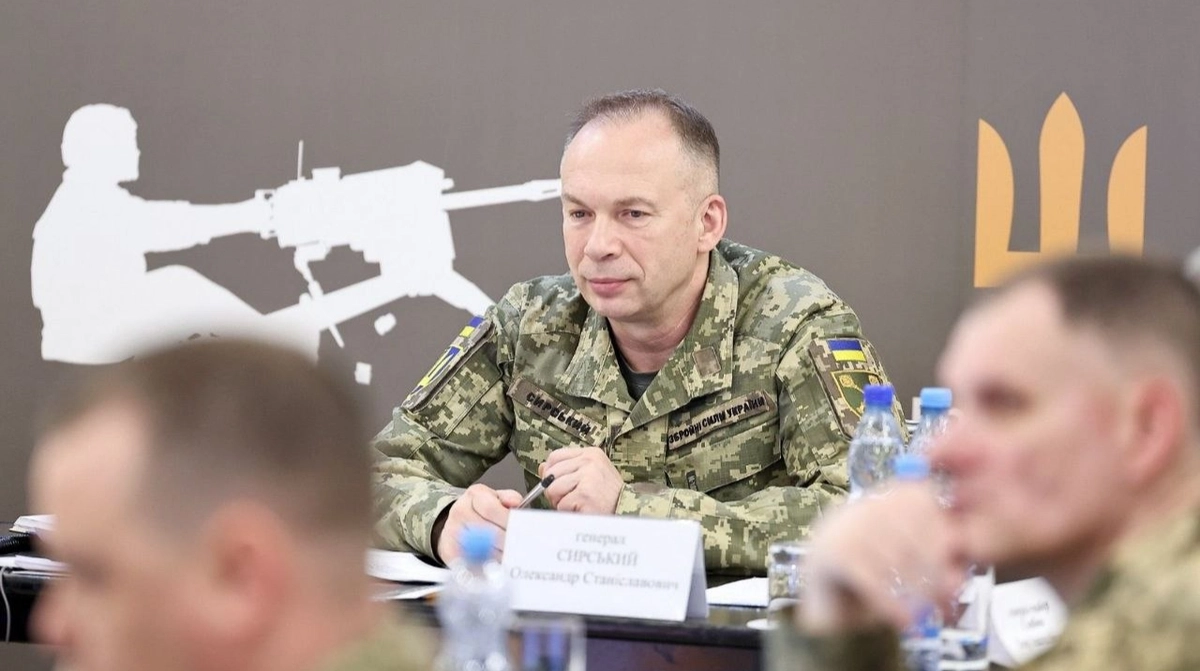
This attack came amid Ukrainian counteroffensives in the south, notably around Kherson and Zaporizhzhia, where forces reclaimed approximately 50 square kilometers of territory in March, as announced by army chief Oleksandr Syrskyi in statements aggregated by The Straits Times. These gains, concentrated near the Dnipro River delta, relied on swift troop movements and drone-supported assaults. However, energy disruptions rippled through these operations; intermittent blackouts in southern grid nodes—exacerbated by prior strikes—delayed artillery resupply and forced reliance on mobile generators, reducing operational tempo by an estimated 20-30%, per think tank analyses from the Institute for the Study of War (ISW).
Russian escalation has since broadened, with Ukrainian forces reporting stepped-up offensives along the entire 1,200-kilometer front line as of April 15, per Ukrainska Pravda. In the Donetsk sector near Kostiantynivka, clashes escalated on April 4, intertwining with drone warfare dominance (April 4 reports), while southern braces for offensives (April 7) coincided with mine deployments in Kherson (April 8). Energy sabotage amplifies these pressures: strikes on the Zaporizhzhia nuclear plant's cooling systems—though not resulting in meltdown—have prompted IAEA warnings of radiological risks, diverting Ukrainian air defenses from frontline protection.
Counterbalancing these threats, Ukraine's energy resilience initiatives have shown tangible impacts. On February 26, 2026, Iceland and the United Nations Development Programme (UNDP) announced bolstered support, including modular microgrids and geothermal expertise transfers (echoing broader Nordic alliances countering Russian aggression as covered in Ukraine War Map 2026: How Nordic Alliances Are Countering), enabling localized power restoration in recaptured areas. Social media footage from Ukrainian military channels on X (formerly Twitter) depicted solar-powered command posts sustaining operations during the March counteroffensives, crediting these aids for maintaining momentum despite outages. Yet, as Russian forces infiltrate Sumy (April 14 incidents killing soldiers) and a ceasefire collapses (April 12), energy vulnerabilities remain a chokepoint, linking civilian blackouts to stalled advances near Avdiivka (April 6).
Historical Context: Evolution of Energy and Military Interlinkages
The integration of energy infrastructure into military strategy traces a clear progression from resilience-building to vulnerability exploitation, as evidenced by key milestones. On February 26, 2026, Iceland and UNDP launched a $50 million initiative to fortify Ukraine's energy sector, focusing on decentralized solar and wind installations to mitigate blackout cascades. This aid, detailed in joint press releases, aimed to shield against the winter campaign, drawing on Iceland's expertise in renewable resilience amid its own harsh climates.
Just two days later, on February 28, military recruitment drives intensified in Kharkiv, with billboards and Telegram campaigns urging enlistment to safeguard "critical infrastructure nodes." This linkage foreshadowed tactical evolutions: by March 9, ongoing counteroffensives in the south—pushing back Russian positions near Robotyne—incorporated energy protection units, embedding engineers with infantry to repair mobile transformers under fire.
A pivotal update came on March 16, when Ukraine's Defense Ministry released a "conflict tactics update," emphasizing hybrid defenses that fused cyber hardening of grids with frontline maneuvers. This document, leaked on Ukrainian Telegram channels, highlighted reallocations: 15% of eastern reserves shifted to energy patrols, paralleling historical patterns from the 2022-2023 "energy winter," where Russian strikes halved Ukraine's power capacity.
The timeline culminated in the March 22 Kyiv outage, a direct test of these preparations. Russian Kalibr missiles, launched from Black Sea platforms, evaded partial intercepts, drawing parallels to Syria's 2018 infrastructure campaigns, where Assad forces used energy denial to fracture rebel logistics. Ukraine's foresight—bolstered by early aid—limited the outage to 72 hours via rapid DTEK restorations, but it exposed gaps: pre-war preparations underestimated drone-delivered precision strikes, a tactic refined since 2024's robotic escalations (April 14 reports). Social media posts from @ZelenskyyUa on March 23 praised resilience efforts, while Russian milbloggers on Telegram gloated over "strategic paralysis," underscoring the psychological warfare dimension. This evolution illustrates not just reactive defenses but a strategic pivot, where energy assets dictate territorial viability.
Original Analysis: The Strategic Implications of Energy Vulnerabilities
Energy sabotage transcends physical destruction, infiltrating the sinews of modern warfare: communications, drones, and morale. Blackouts sever fiber-optic military networks, rendering Starlink-dependent drones inoperable for hours—critical in high-stakes clashes like the April 6 advance near Avdiivka. Data from Oryx confirms over 300 Ukrainian drones lost to power glitches in March alone, amplifying asymmetric Russian advantages despite Ukraine's 50 sq km recaptures.
Quantitatively, sustained attacks could erode these gains. The March territorial advances, per Syrskyi's disclosures, stretched supply lines 40 km deeper into contested zones; reallocating 10-15% of forces to grid protection—as modeled by CSIS simulations—diverts armor from offensives, potentially yielding 20-30 sq km losses by summer. This resource strain echoes Israel's 2006 Lebanon war, where Hezbollah's rocket barrages forced IDF infrastructure guards, stalling advances.
Geopolitically, energy tactics pressure allies: U.S. and EU aid has skewed toward $2 billion in grid batteries since 2025, risking perceptions of a "frozen conflict" propped by endless reconstruction. NATO's April 2026 summits may prioritize energy shields over Leopard tanks, diluting military focus. Original insight: this shifts narratives from "high-tech heroism" (robots, April 14), exposing Ukraine's Achilles' heel—centralized Soviet-era grids vulnerable to hypersonic strikes—urging a decentralized pivot for long-term parity.
Predictive Elements: Future Scenarios and Potential Escalations
Continued Russian targeting—projected at 50+ strikes monthly, per ISW—could trigger domino-effect blackouts by June 2026, cascading from west to east and forcing defensive postures. Southern counteroffensives may slow, risking 100+ sq km losses by mid-year, as troops retreat to secure Dnieper hydro plants. Humanitarian crises loom: 5-10 million more displaced by outages, per UNHCR models, exacerbating food shortages amid April's escalated clashes.
International responses may intensify: NATO could deploy energy specialists to Lviv hubs, while Iceland/UNDP scales microgrids, countering threats but straining Russia-West diplomacy—potentially invoking Article 5 rhetoric if nuclear plants are hit. Long-term, Ukraine might innovate with vehicle-to-grid tech from captured Russian EVs, regaining initiative, or escalate to cyber domains, targeting Gazprom pipelines.
Worst-case: unaddressed vulnerabilities extend conflict into 2027, with alliances fracturing over aid fatigue. Best-case: resilient gains post-April ceasefire talks (post-April 12 collapse) enable Zaporizhzhia breakthroughs. Key trigger: May Victory Day strikes, historically escalatory.
Catalyst AI Market Prediction
Catalyst AI assesses high volatility in conflict-linked assets amid energy sabotage escalation:
- UAH/USD: Bearish short-term (down 3-5% by May 2026) due to blackout risks; HIGH impact from April 14 robot advances offset by outages.
- Gazprom (GAZP.ME): Bullish +4% on energy denial leverage; MEDIUM from ceasefire end (April 12).
- Ukrainian Energy Index (e.g., DTEK proxies): CRITICAL downside -15%; tied to March 22 Kyiv strike.
- Defense Stocks (RTX, LMT): HIGH upside +7%; boosted by April 7 southern braces.
- European Gas Futures: MEDIUM volatility; April 4 drone escalations signal supply threats.
Predictions powered by The World Now Catalyst Engine. Track real-time AI predictions for 28+ assets. Visit Catalyst AI — Market Predictions for updates.