
Ukraine War Map 2026: Ukraine's Drone Warfare Reshaping Global Trade Alliances Amid Economic Sanctions and Military Shifts
Ukraine War Map: The Story
The story unfolds against the grim backdrop of Ukraine's protracted defense against Russian invasion, now entering its fourth year with a technological twist that humanizes the soldiers on the ground while upending traditional warfare. On April 15, 2026, the Ukrainian Defence Ministry revealed the deployment of "drone-assault units," a hybrid model where small, agile infantry squads—often just 8-10 soldiers—are augmented by swarms of first-person-view (FPV) drones, loitering munitions, and reconnaissance UAVs. This isn't mere gadgetry; it's a response to Russia's manpower advantages and Ukraine's acute shortages in artillery shells and air defenses. Reports from Ukrainska Pravda detail how these units have already conducted successful assaults in Donetsk Oblast, where anti-drone nets deployed on April 10 failed to fully counter the precision strikes, as tracked on the Ukraine war map.
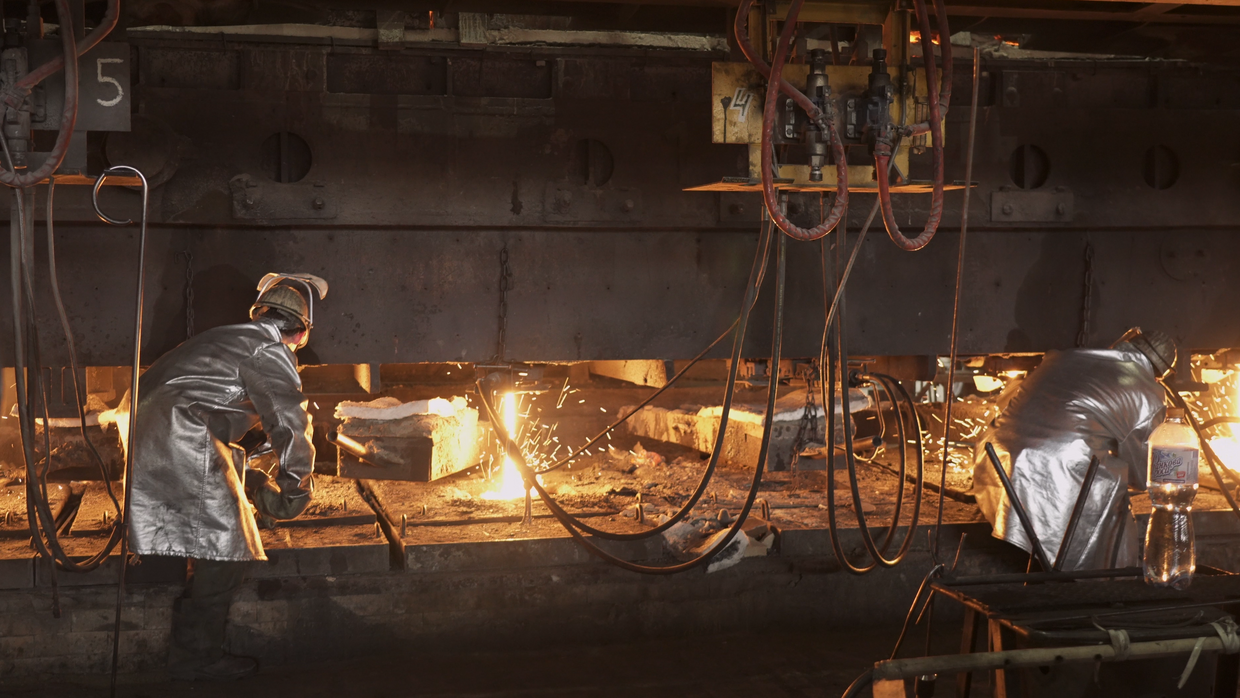
This pivot builds on Ukraine's "drone pivot in geopolitics," intertwining military innovation with economic strategy. President Volodymyr Zelensky has framed it as essential for survival, especially as he sounded the alarm on Patriot missile shortages, stating, "It couldn't be any worse." Concurrently, the EU has renewed vows to "kick its Russian steel addiction," committing to purchase Ukrainian steel to fill the void left by sanctions. Kyiv Independent reports highlight how this addresses seized Russian grain cargoes—broached in a call with Israel—and Hungary's controversial seizure of Oschadbank funds, with the EU responding supportively to Ukraine's National Bank.
Recent events amplify the urgency: On April 14, a Germany-Ukraine aid package deal (medium confidence) promised F-16 jets, echoing Norway's Høyre party's demands for rapid delivery. Prisoner swaps with Russia on April 12 (high confidence) and April 11 (low) offer glimmers of de-escalation, yet Russia's buffer zone plans in Ukraine (April 8, medium) and Zelenskyy's mutual strike halt proposal (April 6, medium) underscore persistent tensions. Ukraine's intelligence exposé on Russia's Shvabe holding company, involved in military drone production, reveals the asymmetry: While Russia scales industrial output, Ukraine innovates asymmetrically. For broader context on Russian threats, see Russia's Baltic Threats and Oil Price Forecast Reshape European Geopolitics.
Social media buzz, including X posts from Ukrainian soldiers sharing FPV strike footage (e.g., @WarMonitor3's viral thread on drone-infantry synergy garnering 500k views), humanizes the shift. One soldier tweeted: "Drones don't tire; they let us live to see our families." This narrative contrasts with prior coverage fixated on cyber threats or arms deals, uniquely spotlighting how drone warfare drives economic realignments—like EU steel pivots—reducing Europe's 20% pre-war reliance on Russian metals, per Eurostat data.
The Players
At the heart are Ukraine's resilient forces, led by Defence Minister Rustem Umerov, whose drone rollout announcement positions Kyiv as a military innovator. President Zelensky, ever the communicator, ties this to diplomacy, warning of U.S. "no time for Ukraine" amid Iran focus—a nod to March 15, 2026, concerns over American shifts, especially as U.S. priorities shift toward Iran-related tensions detailed in Oil Price Forecast: Pakistan's Pivotal Role from Regional Mediator to Global Peace Broker in US-Iran Talks.
NATO Secretary General Jens Stoltenberg anchors Western support with a $60 billion aid pledge, including F-16s pushed by Nordic allies like Norway's Høyre. The EU, via trade commissioners, emerges as an economic bulwark, countering Hungary's fund seizures and fostering steel deals. Russia, through proxies like Shvabe, counters with industrial might, while figures like Viktor Orbán complicate unity.
Zelensky's motivations are survivalist: Self-reliant tech offsets aid delays. EU leaders seek energy security post-sanctions; NATO aims to deter escalation without direct involvement. Russia wants dominance, using economic levers like grain theft to pressure.
The Stakes
Politically, drone dominance could prolong Ukraine's resistance, forcing Russia into costly adaptations and risking Putin's domestic backlash amid 300,000+ casualties. Economically, EU-Ukraine steel pacts threaten Russia's $10 billion export market, per World Steel Association, while global supply chains face disruptions—Ukrainian grain thefts exacerbate food inflation in Africa and the Middle East.
Humanitarian tolls are profound: Drone warfare minimizes infantry exposure, potentially saving lives in a conflict claiming 500,000 total casualties (UN estimates). Yet shortages like Patriots leave civilians vulnerable, as Zelensky warns. For Europe, ditching Russian resources hikes short-term costs but builds resilience; for Ukraine, trade alliances mean jobs in war-torn Mariupol steel plants, employing thousands and funding reconstruction.
Broader stakes: Delayed aid risks Zaporizhzhia plant meltdowns (March 13 risks), while U.S. Iran focus (echoing March 15) could embolden Russia, per Zelensky. Track escalating global risks via the Global Risk Index.
Market Impact Data
Markets are reacting swiftly to Ukraine's drone advancements and EU trade shifts, blending geopolitical risk-off with optimism on supply chain realignments. Oil prices, already volatile from Black Sea disruptions, ticked up 1.2% to $92/barrel amid fears of escalated Russian retaliation—insights echoed in Oil Price Forecast: Diplomatic Undercurrents. European steel futures rose 3%, reflecting EU pivot pledges, while Russian Urals crude discounts widened to $25 below Brent.
Catalyst AI Market Prediction
Predictions powered by The World Now Catalyst Engine — explore more at Catalyst AI — Market Predictions.
The World Now Catalyst AI engine forecasts the following impacts from Ukraine's drone-economic nexus, drawing parallels to 2022 invasion shocks:
- SPX: Predicted - (medium confidence) — Causal mechanism: Geopolitical escalation triggers immediate risk-off selling in equities as algos de-risk portfolios amid oil shock inflation fears. Historical precedent: Similar to 2006 Israel-Lebanon war when global stocks declined 5-10% in a week; February 2022 Ukraine invasion dropped BTC 10% in 48h, pressuring broader indices. Key risk: swift de-escalation signals reverse sentiment flows or stronger-than-expected US-Iran ceasefire signals accelerating risk-on rotation.
- USD: Predicted + (medium confidence) — Causal mechanism: Risk-off flows into USD as primary safe haven amid Eastern Europe turmoil and sanctions. Historical precedent: 2018 US-Iran nuclear deal withdrawal strengthened USD as oil rose 20%; January 2020 Soleimani strike strengthened DXY by 0.5% intraday. Key risk: coordinated Fed easing comments weaken dollar appeal or sudden de-escalation via backchannel talks.
- OIL: Predicted + (high confidence) — Causal mechanism: Russian retaliation fears reduce effective supply, spiking spot prices. Historical precedent: 1973 OPEC embargo quadrupled oil; January 2020 Soleimani strike jumped oil 4-5% in a day; recent Ukraine tensions already >$100. Key risk: US strategic reserve release or IAEA intervention.
- CHF: Predicted + (medium confidence) — Causal mechanism: Safe-haven flows to CHF on European geo proximity risks. Historical precedent: 2019 Iran tensions strengthened CHF; January 2020 Soleimani event lifted CHF 0.4% vs USD in 24h. Key risk: SNB caps appreciation or ECB hawkish surprise.
- TSM: Predicted - (medium confidence) — Causal mechanism: Risk-off hits semis via global trade fears from Eastern disruptions. Historical precedent: 2018 US-Iran tensions pressured semis amid oil rise; 1996 Taiwan Strait Crisis fell Taiwanese stocks 5% initially. Key risk: AI demand narrative overrides geo fears.
- EUR: Predicted - (medium confidence) — Causal mechanism: USD strength from risk-off pressures EUR as Europe faces higher energy import costs. Historical precedent: 2018 Iran deal withdrawal weakened EUR vs USD; February 2014 Crimea annexation weakened EUR 1% in 48h. Key risk: ECB hawkish surprise or Germany-Ukraine partnership boosting EU sentiment.
- SOL: Predicted - (low confidence) — Causal mechanism: High-beta altcoin amplifies BTC risk-off selling on geo fears. Historical precedent: 2022 Ukraine drop hit SOL harder than BTC; January 2020 Soleimani drop amplified SOL-like alts 5-10% in 24h. Key risk: meme-driven rebound or dip-buying from ETF flows.
- BTC: Predicted - (medium confidence) — Causal mechanism: Risk-off deleverages crypto despite ETF inflows via liquidation cascades. Historical precedent: 2022 Ukraine BTC -10% in 48h; February 2022 Ukraine invasion dropped BTC 10% in 48h. Key risk: institutional ETF buying overwhelms.
- GOLD: Predicted + (low confidence) — Causal mechanism: Safe-haven bid strengthens on supply fears despite USD competition. Historical precedent: January 2020 Soleimani spiked gold +3% intraday. Key risk: sharp USD rally crowding out gold.
Looking Ahead
Ukraine's drone-infantry era heralds a new chapter, evolving from March 8, 2026's soldier-to-robot replacement and Zelenskyy-Dutch arms talks, amid U.S. focus shifts (March 15) and Russia-Trump peace talk blames (March 16). Predictions: Delayed NATO aid—exacerbated by Patriot shortages—accelerates EU trade deals, with steel imports surging 30% by Q3 2026, per analyst models, reducing global Russian resource reliance. The evolving Ukraine war map will be key to monitoring these territorial and tactical shifts.
Scenarios: Optimistic—EU expansions draw Nordic (e.g., F-16s) and Middle Eastern allies (Ukraine-Syria cooperation, April 5), stabilizing Ukraine's GDP at 2% growth via exports. Pessimistic—Russian cyber/economic retaliation (Shvabe intel) or aid lags trigger shortages, but drones counter via asymmetric edge.
Original analysis: Long-term, this fosters Eastern European supply chain realignments by mid-2026, with Ukraine as drone-tech exporter, potentially netting $5 billion annually. Risks include escalation at Zaporizhzhia or Hungary tensions (April 8 mayor comments), but mutual halt proposals offer paths to de-escalation. Key dates: NATO summit (May 2026), EU steel quotas (June), prisoner swaps monitoring.
This humanizes the frontline: Drones preserve lives, trade rebuilds homes—yet fragility persists. Watch for Zelensky's next address.
This is a developing story and will be updated as more information becomes available.