
Ukraine Retakes 277 Square Kilometers Near Lyman in Operation Vivaldi
Ukrainian Counteroffensive Success Near Lyman
Ukraine’s Third Army Corps has reported success in Operation Vivaldi on the Lyman direction, liberating 277 square kilometers of territory. [3] The operation cut off a Russian pincer movement that had aimed to envelop Sloviansk from the north. [3] As a result of Ukrainian pressure, Russian command redeployed its 1st Tank Army from near Kostiantynivka to the Lyman sector. [3] Ukrainian forces have also recorded progress east of Sloviansk and Kramatorsk and near Velyka Novosilka. [3] Operation Vivaldi began in May and remained undisclosed until September, with its initial phase focused on degrading Russian air defenses, electronic warfare systems, artillery, logistics, and drone operations. [5] These preparatory actions enabled Ukrainian units to achieve local drone superiority before advancing with coordinated infantry, drone, and robotic support. [5] Ground robots were used for supply delivery, mine clearance, and fire support, with some delivered by drones behind Russian lines. [5] Tanks and infantry fighting vehicles supported exploitation of gaps once enemy drone and artillery units were suppressed. [5] The operation has forced Russian units back toward the Zherebets River and disrupted plans for a broader advance into Donetsk region from the north. [3]
Daily Combat Activity Across the Frontline
Ukraine’s General Staff recorded 260 combat clashes across the front over the past day. [4] Russian forces launched 35 attacks in the Pokrovsk direction, 22 attacks toward Kostiantynivka, 18 attacks on the Kupiansk front, and 16 attempts to advance on the Huliaipole front. [4] On the North Slobozhanshchyna front and in Russia’s Kursk Oblast, Russian units conducted 55 assaults. [4] Russian forces attempted to improve positions 18 times on the Kupiansk front and seven times on the Lyman front. [4] No Russian offensive actions were recorded on the Kramatorsk or Prydniprovske fronts during the period. [4] Ukrainian forces repelled Russian attempts to break through defenses near Kolodiazi, Lyman, and Masliakivka. [4]
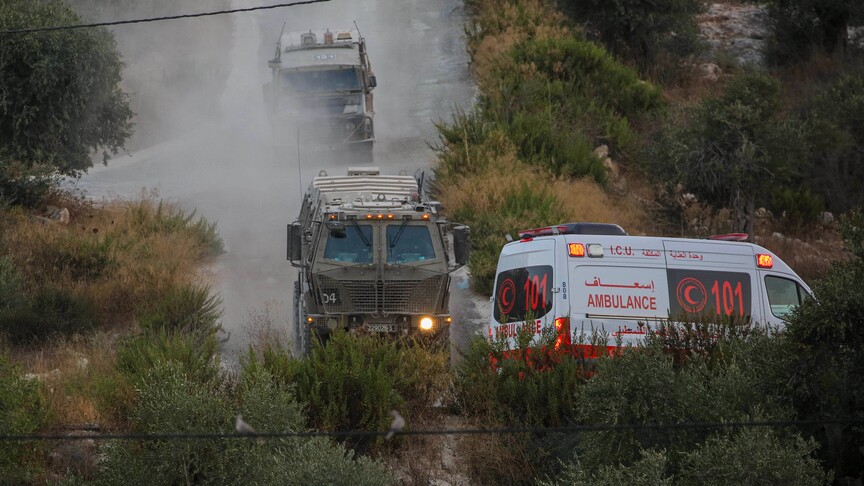
Ukrainian forces advance near Lyman during Operation Vivaldi counteroffensive. — Source: gdelt
Russian Retaliation Threats Over Ukrainian Strikes
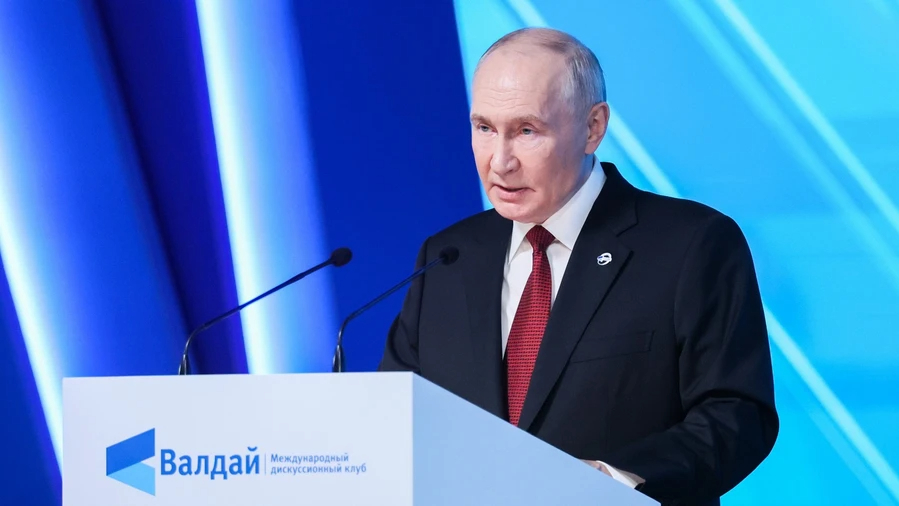
Russian President Vladimir Putin stated that Russia is responding to Ukrainian strikes on oil refineries and other targets. [1] He claimed Ukraine initiated the actions and warned of consequences. [1] Putin said recent attempts had struck some oil refineries and e-commerce platforms, adding that “they took the first step” and “we started to respond.” [1] He further stated that Ukraine “started it” and “should have thought carefully about the consequences before taking this step.” [1] Putin dismissed a proposed energy ceasefire as meaningless. [1]
Escalating Russian Drone Attacks in the Black Sea
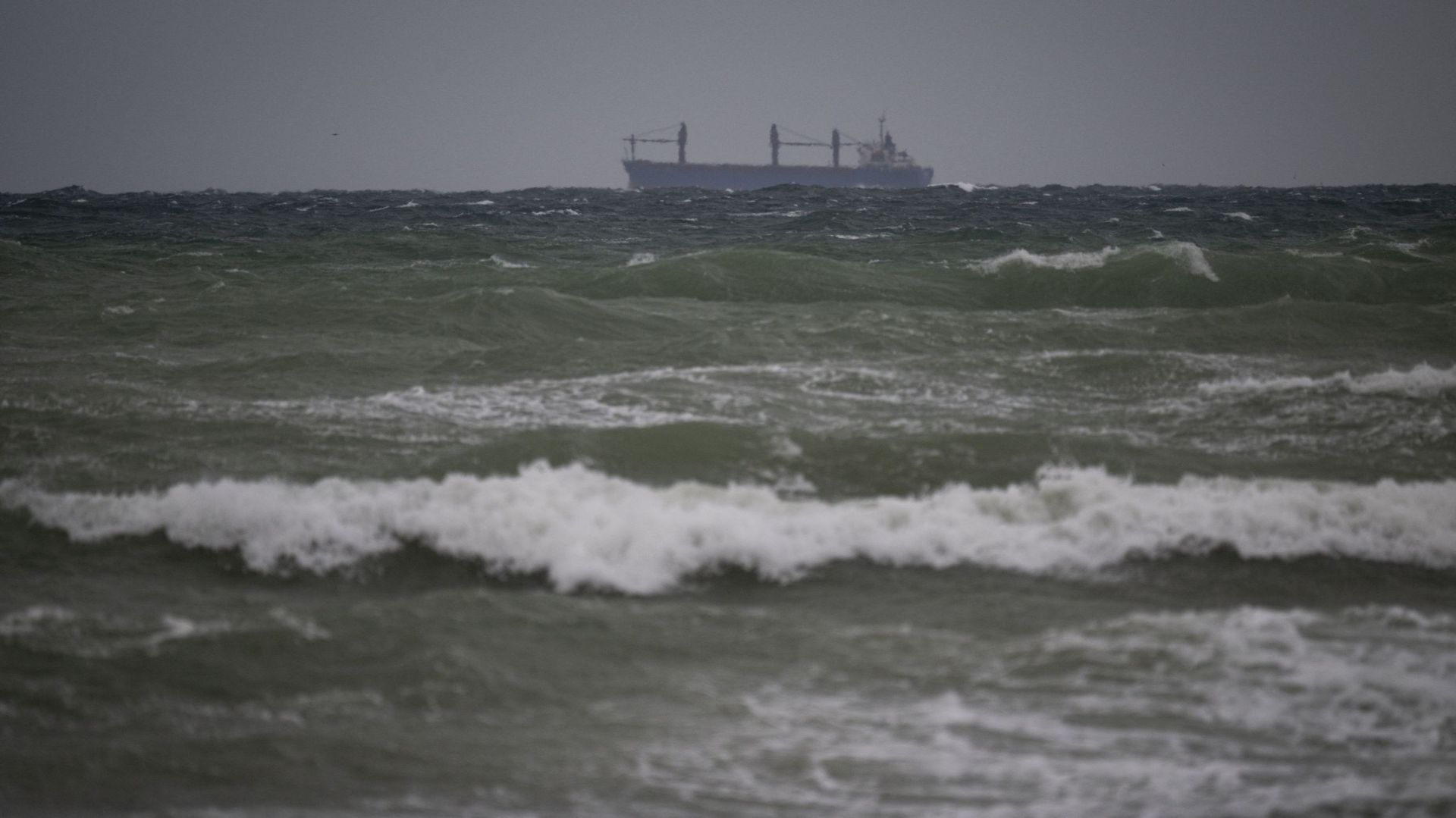
Russian drone attacks on merchant vessels in the Black Sea have increased and expanded into Romanian and Bulgarian waters. [2] The chemical tanker Wine Trader, flying the flag of San Marino, was struck by two drones while anchored 13 nautical miles east of the Sulina Channel mouth; seven of twelve crew members remain missing. [2] The cargo ship HS Dignity, under Guinea-Bissau flag, was hit and sank off Bulgaria, with eleven crew members missing. [2] The Ukrainian-flagged Chelsea 3 was struck by three drones but its crew was rescued. [2] Over the past twelve months, at least 45 merchant vessels have been attacked in previously unaffected Black Sea areas, according to maritime risk analyst Ambrey. [2] The Turkish Chamber of Commerce reported more than 163 civilian or commercial vessels targeted in the region during the first eight months of 2026. [2] More than 85 percent of strikes on merchant ships in the last sixty days were conducted by Russian forces. [2] Insurance premiums for vessels in the area have risen from a few percent to more than 10 percent. [2] The London-based Joint War Committee added the Black Sea to its high-risk list one month ago, covering exclusive economic zones of Turkey, Romania, Bulgaria, and Georgia. [2]
Ukrainian forces advance during Operation Vivaldi near Lyman, retaking 277 square kilometers of territory. — Source: gdelt
Expert Assessments of Frontline Dynamics and Winter Outlook
Military experts assess that Ukrainian forces have shifted toward more systematic counteroffensive actions since early 2026, while Russian offensive momentum has stagnated in several sectors. [3] Analyst Oleksandr Kovalenko stated that Ukrainian troops hold more dominant positions on the battlefield than at any point since 2022 and that their actions are more effective than in previous years. [3] Expert Oleg Zhdanov noted mixed results, with Russian forces still applying heavy pressure in some areas. [3] Both experts highlighted Operation Vivaldi as more successful than the 2023 counteroffensive in terms of territory liberated. [3] Kovalenko identified the Dobropillia and Huliaipole directions as Russia’s primary remaining offensive axes. [3] He added that Russia would need to mobilize 300–500 thousand additional personnel to stabilize the front for roughly six months and attempt further advances toward Sloviansk and Kramatorsk. [3] Zhdanov described a 100-thousand-strong Russian grouping near Dobropillia that has formed a 25-kilometer kill zone and continues incremental gains. [3] Kovalenko warned that a larger Russian mobilization could create a reserve for potential operations beyond Ukraine. [3]
Broader Implications for Black Sea Shipping and Ukrainian Economy
The expansion of Russian drone strikes has raised insurance costs and discouraged some shipowners from entering the Black Sea. [2] Attacks have disrupted Ukrainian grain exports, forcing rerouting through Danube delta ports such as Izmail, which has itself become a frequent target. [2] Bulgarian President Iliana Iotova described the situation as alarming and called for a moratorium on drone use against merchant ships. [2] Bulgaria has summoned the Russian ambassador, strengthened coastal radar surveillance, and deployed surface-to-air missile systems. [2] Sofia has requested international assistance for investigations and support from the European Union and NATO to enhance surveillance and response capabilities. [2] Prime Minister Roumen Radev stated there is no logic in Ukraine attacking its own vessels. [2]
What to watch next: Ukrainian forces may extend counteroffensive methods beyond Lyman toward Velyka Novosilka, while Russian command continues pressure on Dobropillia and Huliaipole and weighs larger mobilization.