Ukraine Exhausts Patriot Missiles as Russian Strikes Intensify
Ukraine has exhausted its supply of Patriot air-defense missiles while facing renewed Russian drone and missile strikes, as Starlink satellite service disruptions temporarily hampered military operations and NATO leaders discussed continued support amid concerns over potential US policy shifts under Donald Trump.
Depleted Patriot Missile Stocks
Ukraine has run out of Patriot defense missiles, increasing its vulnerability to Russian attacks. [4] This development leaves the country more exposed as Russian forces continue strikes involving drones and missiles. [4] The depletion of these specific air-defense missiles removes a key layer of protection that had previously intercepted incoming threats. [4] Without additional stocks, Ukrainian forces face heightened risks during ongoing attacks. [4] The situation underscores the immediate strain on advanced defensive systems supplied to Ukraine. [4]
Starlink Disruptions on the Battlefield
Starlink service experienced restrictions that disrupted Ukrainian drone operations and air raid warnings, though service was later restored. [2] The restrictions affected Starshield, the military-oriented satellite service, with drones traveling above approximately 160 kilometres per hour reportedly losing connectivity. [5] This interruption hampered missions to intercept Russian drones and other battlefield coordination. [5] Ukrainian officials received no advance warning of the changes. [5] Service was later restored, yet the episode highlighted immediate operational impacts. [2] The timing coincided with daily strikes by Russia's new motor-powered drones. [2]

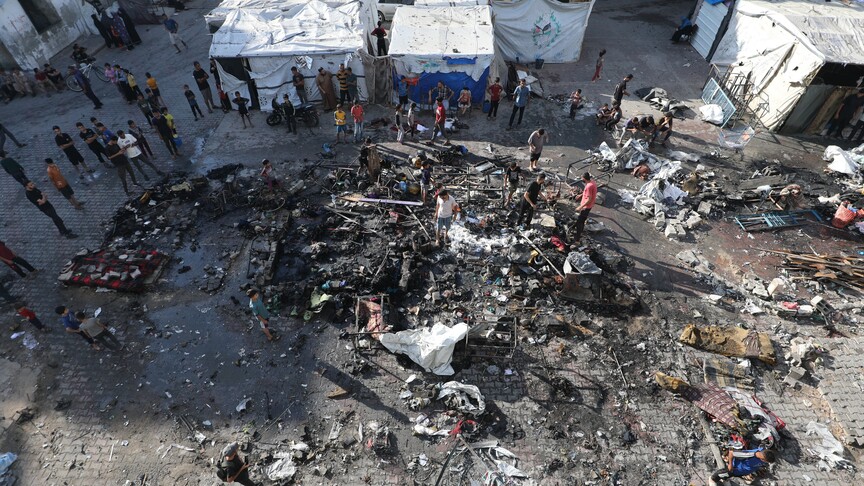
Ukrainian soldiers operate air defense systems amid intensified Russian missile and drone strikes. — Source: france24
Critical Role of Starlink in Ukraine's Defense
Starlink has become crucial to Ukraine's battlefield communications, enabling drone operations, reconnaissance, and coordination when conventional infrastructure is destroyed. [5] When Russia launched its full-scale invasion of Ukraine in February 2022, communications infrastructure quickly became a target, with mobile networks and internet connections facing destruction, power outages, and cyber attacks. [5] Starlink provided internet connectivity through thousands of satellites, allowing users to connect through portable satellite terminals even where usual infrastructure was damaged. [5] It helped maintain communications between military units, supported emergency services, and allowed information to move across a fragmented battlefield. [5] Certain Ukrainian drones use satellite communications for remote control, operating beyond the range of conventional radio systems. [5] The restrictions reportedly affected Starshield, which is designed for government and military applications including secure communications. [5]
Accusations Against Trump Over Russian Support
Nobel Peace laureate Oleksandra Matviichuk accused Donald Trump of openly financing Russia's war through a diesel-supply deal with Moscow and by lifting sanctions, which she said would enable Russia to produce more rockets and drones. [1] Matviichuk stated that with the diesel-supply deal with Moscow, Trump "is openly financing this war, by lifting sanctions is providing Russia with opportunities to earn more money." [1] She added that "extra money will be converted in rockets and drones and additional deaths among the civilian population." [1] These remarks came as Ukraine contends with intensified Russian attacks. [1]
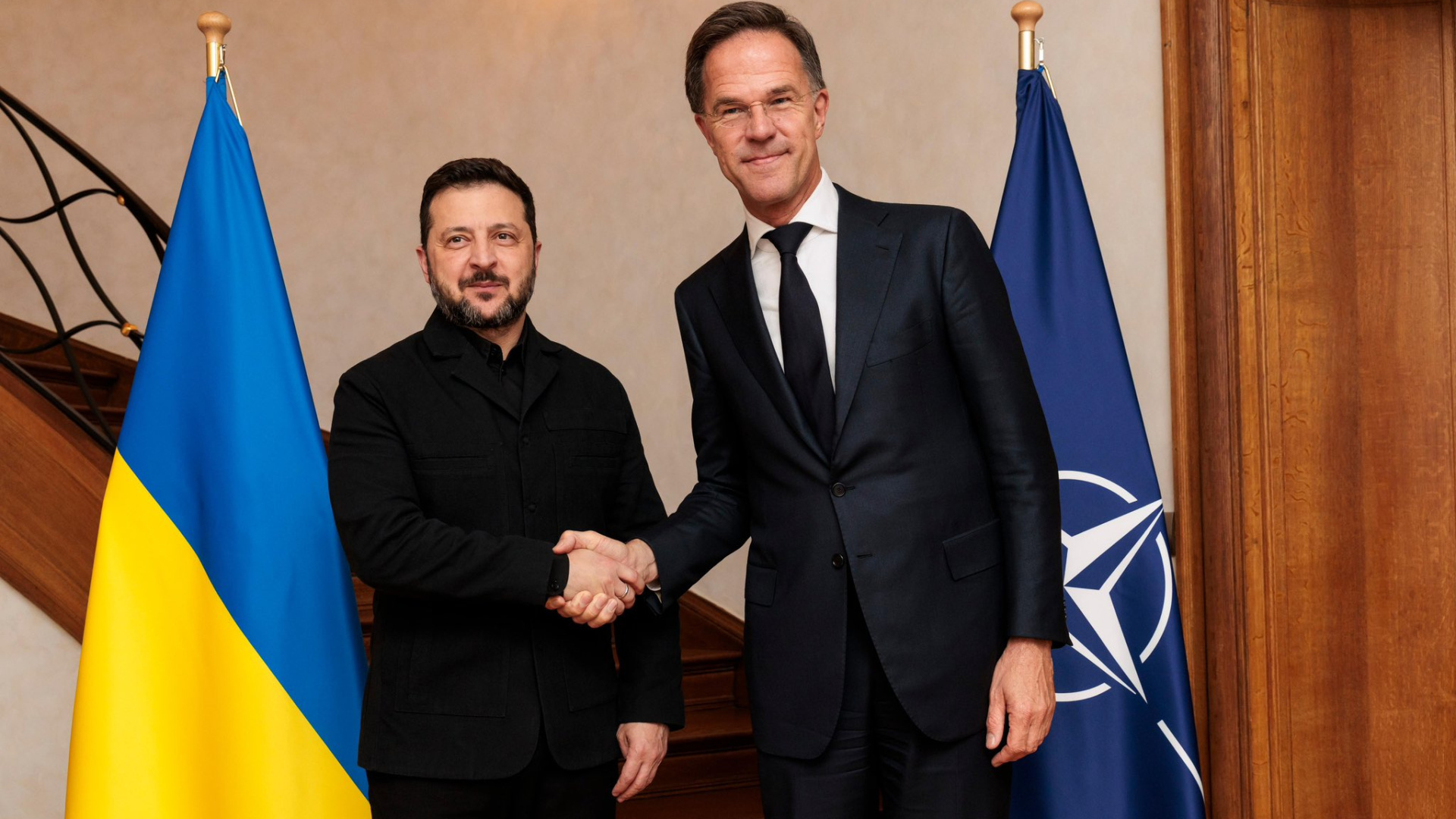
NATO Secretary General Jens Stoltenberg meets with Ukrainian President Volodymyr Zelenskyy in Brussels. — Source: ukrainskapravda
Zelenskyy-Rutte Meeting in Brussels
NATO Secretary General Mark Rutte met with President Volodymyr Zelenskyy in Brussels on 15 October and discussed implementing an energy ceasefire and continued NATO support via the PURL mechanism. [3] Rutte stated, "Good to see President Zelenskyy in Brussels. We talked about the importance of implementing an energy ceasefire as well as NATO Allies' continuous support for Ukraine, including through the PURL mechanism." [3] Zelenskyy arrived in Brussels to attend a meeting of the European Council and hold talks with partners. [3] He is also expected to meet with Hungarian Prime Minister Péter Magyar on 16 October. [3]
Broader Strategic Implications
The week's tech problems on Ukrainian battlefields highlight the central role played by a US internet company in a European war. [5] Starlink helped sustain operations when conventional infrastructure faced destruction, yet reliance on a small number of satellite providers introduces another form of vulnerability. [5] European alternatives including Eutelsat OneWeb exist, but replacing established satellite communications requires compatible equipment, sufficient coverage, and considerable investment. [5] Ukrainian officials suspect the restrictions may have been intended to exert political pressure, although American officials have denied administration involvement. [5] The developments reveal how physical attacks can disrupt an adversary's digital infrastructure while Ukraine's own military operations have been affected by restrictions on technology supplied from abroad. [5] The uncomfortable question for Ukraine is whether its weapons are powerful enough or if someone else can decide when they stop working. [5] The episode also raises questions about Ukraine's fate amid deteriorating relations between Washington and Kyiv. [2]
What to watch next: Observers will monitor whether further restrictions on Starlink or Starshield recur, how NATO Allies sustain support through the PURL mechanism, and any developments in the diesel-supply deal or sanctions policy referenced by Matviichuk.