
Sudan Conflict Sees RSF Encirclement of El Obeid After Amnesty Documents Crimes Against Humanity in El Fasher
Amnesty International has documented killings, torture, rape, sexual slavery, forced displacement, imprisonment and enslavement by the Rapid Support Forces in El Fasher, Sudan, which analysts say strengthens accountability efforts as fears grow of a similar siege and mass atrocities in the frontline city of El Obeid amid the Sudan conflict. [1]
Amnesty Documentation of Atrocities in El Fasher
Amnesty International documented killings, torture, rape, sexual slavery, forced displacement, imprisonment, and enslavement in El Fasher. [1] The report on El Fasher concludes that mass killings and abuses against civilians constituted crimes against humanity and ethnic cleansing after RSF forces took control of the city in October last year. [3] Amnesty findings on Sudan’s Darfur region atrocities strengthen efforts for accountability according to analysts. [2] The documentation covers specific crimes including mass killings and overgreps against civilians that Amnesty International classified as crimes against humanity and ethnic cleansing. [3] Analysts note that these findings bolster accountability initiatives in the broader Sudan conflict. [1]
Escalating Threats to El Obeid
RSF fighters have surrounded El Obeid on three sides. [3] The city of around 500,000 residents, a strategic hub controlled by the Sudan Armed Forces, faces increasing drone attacks that have killed civilians and destroyed fuel stations, power infrastructure and medical facilities. [3] UN Human Rights Council has convened an urgent debate on the situation, requested in part by Norway, citing the risk of mass murder similar to El Fasher and the blocking of humanitarian aid. [3] RSF has most control in the southwest while SAF controls areas in the east, with El Obeid positioned at the frontline. [3] Development Minister Åsmund Aukrust stated that the last time RSF forces entered a large city like Al Fashir, the result was terrible suffering. [3]
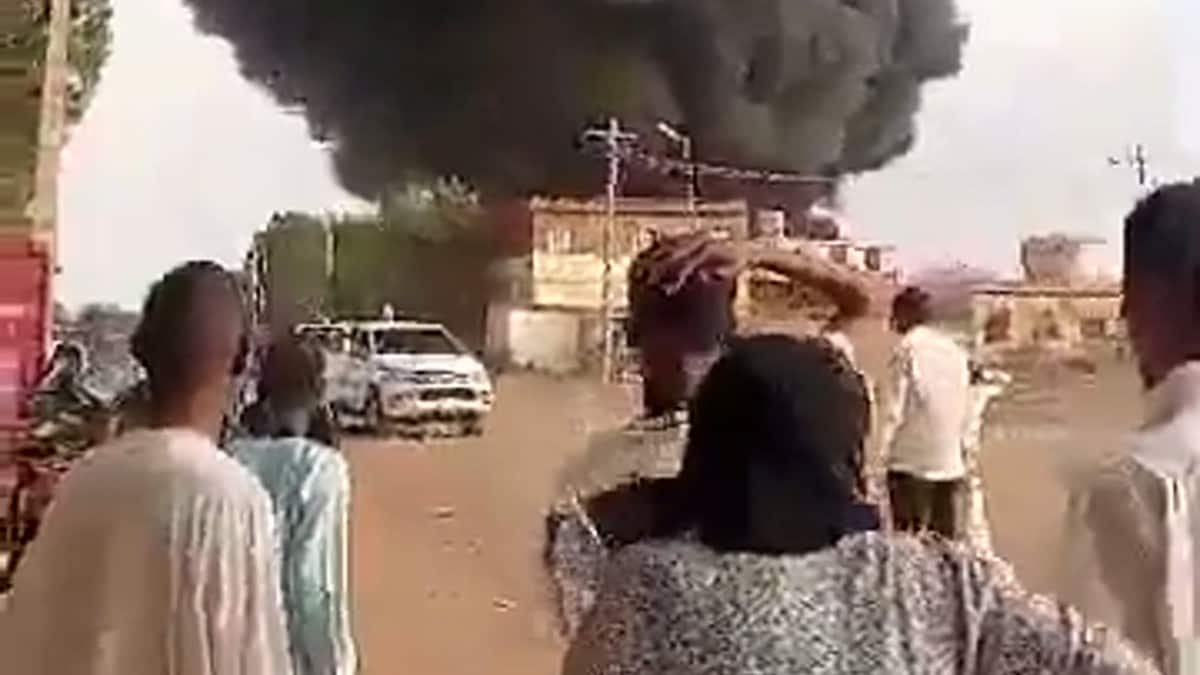
RSF forces encircle El Obeid as fears rise of mass atrocities similar to El Fasher. — Source: nrk
Targeted Attacks on Civilian Infrastructure
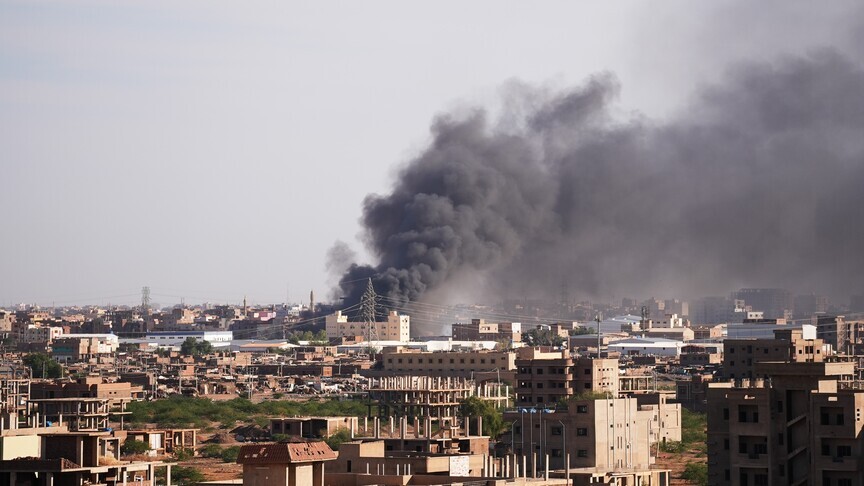
Yale Humanitarian Research Lab satellite imagery confirms targeted RSF strikes on civilian infrastructure including petrol stations, fuel depots and tankers, causing fuel shortages, nearly tripled water prices, halted electricity and water pumping, and rising unemployment. [3] RSF has carried out drone attacks on bensinstasjoner, drivstofflagre and tankbiler. [3] Researchers at Yale University mapped the attacks through satellite images and concluded that the destruction matches targeted bombing of civilian infrastructure necessary for population survival. [3] Attacks have also hit schools and hospitals, including the dialysis department at the hospital and emergency rooms. [3] The price of water has nearly tripled according to Sudan Tribune. [3]
Strategic Importance and Defensive Preparations

Amnesty International report documents RSF crimes against humanity in El Fasher, Sudan. — Source: reliefweb
El Obeid serves as an important knutepunkt in the region. [3] Researchers at Yale University have documented that SAF has built around 51 kilometers of forsvarsverk and skyttergraver around the city along with several checkpoints. [3] SAF appears to have taken a defensive posture consistent with expectations of a prolonged siege from multiple directions. [3] The city houses large military installations and bases. [3] Its central location means that fighting there affects trade and access to transport and goods in other regions and surrounding communities. [3]
Humanitarian Impact and Civilian Experiences
Sudan has been torn by civil war since spring 2023 between the former partners SAF and RSF, creating the world's worst humanitarian crisis with millions displaced, starving and lacking healthcare; both sides have records of brutal warfare against civilians. [3] More than 100,000 displaced people who fled other parts of the country are now in El Obeid. [3] Infrastructure and health services in the city were already in poor condition before the current pressures. [3] Spenninger and lack of fuel make it difficult for civilians to flee El Obeid. [3] One anonymous resident told Salaa Media that even if people wanted to leave, prices are sky high and there is nowhere to go. [3] Before RSF attacked Al Fashir in October, the city had been under siege for 18 months leading to extensive food shortages and high prices. [3]
International Response and Calls for Accountability
UN Human Rights Council has convened an urgent debate on the situation, requested in part by Norway, citing the risk of mass murder similar to El Fasher and the blocking of humanitarian aid. [3] Norway is among the countries that requested the debate due in part to RSF drone attacks. [3] Amnesty findings on Sudan’s Darfur region atrocities strengthen efforts for accountability according to analysts. [1] The Sudan conflict has produced the world's worst humanitarian crisis with millions driven into flight, starvation and lack of healthcare access. [3] Development Minister Åsmund Aukrust described the situation as one where patients, health workers and civilians were killed in Al Fashir. [3]
What to watch next: The UN Human Rights Council urgent debate is scheduled for Friday amid ongoing RSF drone attacks on El Obeid infrastructure and continued encirclement of the city on three sides. [3]