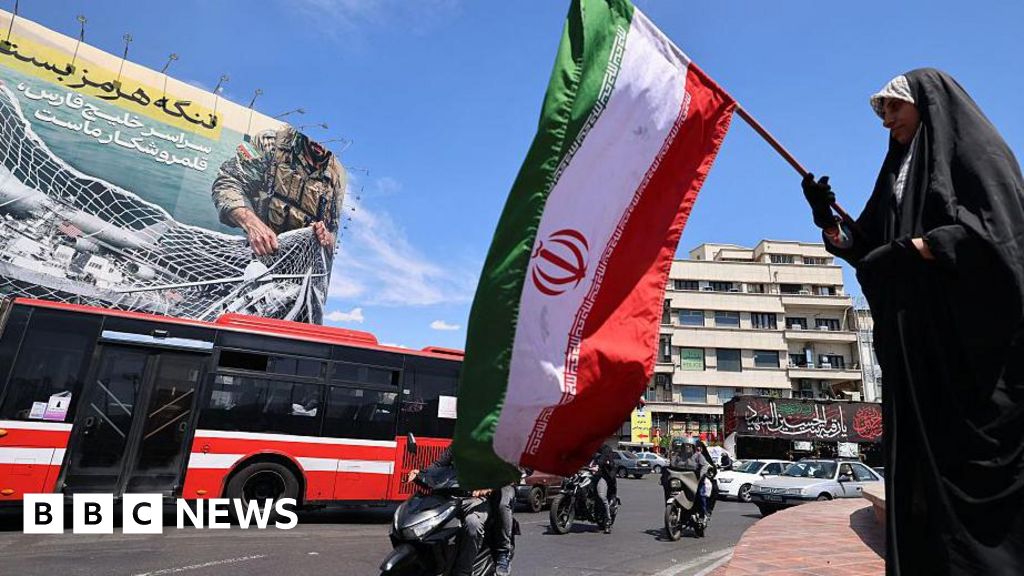

Strait of Hormuz Showdown Amid Current Wars in the World: The Overlooked Humanitarian and Environmental Toll on Global Stability
By Priya Sharma, Global Markets Editor, The World Now
In the shadow of escalating U.S.-Iran tensions amid current wars in the world, the world is fixated on military maneuvers and oil price spikes. But the true casualty looming largest is the human one: a potential humanitarian catastrophe and environmental disaster in the Persian Gulf that could redefine global stability. President Trump's recent announcement ordering the U.S. Navy to blockade the Strait of Hormuz—following the collapse of direct talks with Iran—has thrust this chokepoint, through which 20% of global oil flows, into crisis mode. Immediate implications include mass displacement risks for millions in Iran and neighboring states like Oman, UAE, and Qatar, where existing refugee strains from prior Middle East conflicts amid current wars in the world are already overwhelming camps. This article pierces the veil of geopolitical saber-rattling to spotlight the underreported human and ecological fallout: surging refugee flows exacerbating food and water shortages, and the peril of oil spills devastating marine ecosystems critical to global climate goals. By connecting the dots from the pivotal April 11, 2026, timeline—marked by a fragile U.S.-Iran ceasefire amid economic despair—to today's blockade threats, we reveal how diplomatic failures have amplified these overlooked risks, setting the stage for a broader unraveling of regional stability.
Historical Roots: Tracing the Build-Up to Today's Standoff Amid Current Wars in the World
The seeds of the current Strait of Hormuz crisis were sown on April 11, 2026, a date now etched as a turning point in U.S.-Iran relations. That day encapsulated a cascade of events signaling the fragility of peace efforts in the Middle East. The Pope's urgent call for an end to the war during ongoing U.S.-Iran talks underscored the moral desperation, as Vatican diplomats pleaded for de-escalation amid reports of mounting civilian casualties. Simultaneously, the U.S. revoked green cards for thousands of Iranian nationals, a move decried by human rights groups as collective punishment that foreshadowed deepened humanitarian divides. These actions coincided with a ceasefire announcement in Iran, but one shadowed by a "grim economy"—Iran's GDP had contracted 12% year-over-year due to sanctions, per World Bank estimates, fueling domestic unrest and migration pressures.
Compounding this, U.S. naval strategy in the Gulf intensified, with carrier strike groups repositioned near the Strait, ostensibly for deterrence but effectively priming the pump for confrontation. The UN's demands for accountability on Middle East war crimes—citing over 150,000 documented deaths since 2023 conflicts escalated—added a layer of international scrutiny, yet yielded no tangible prosecutions. This confluence on April 11 illustrated a pattern of failed diplomacy: ceasefires without economic relief perpetuated cycles of poverty and displacement. Fast-forward to April 12, 2026, recent events amplified these tensions. U.S. reports of China's "active role" in the Mideast war, coupled with U.S.-Iran talks stalling over Lebanon and Hormuz issues, eroded any post-ceasefire goodwill. Peripheral flashpoints, like Cambodia urging Thailand to resume border talks and South Africa's coal exports to Israel drawing criticism, highlighted how regional alliances were fraying, indirectly straining Gulf resources.
This historical arc has entrenched humanitarian vulnerabilities. Iran's pre-blockade refugee outflow stood at 1.2 million since 2025, per UNHCR data, overwhelming Jordan and Turkey. Environmental precedents abound: the 1980s Tanker War saw 400+ attacks, spilling 200 million gallons of oil and killing marine life across 10,000 square kilometers. Today's standoff revives these ghosts, as unresolved April 11 issues—economic grimness without accountability—have snowballed into blockade threats, widening inequality gaps where Gulf states' wealth contrasts sharply with Iran's 40% youth unemployment. For deeper insights into how AI espionage in the Strait of Hormuz amid current wars in the world is escalating these risks, explore our related analysis.
Current Dynamics Amid Current Wars in the World: Humanitarian and Environmental Ramifications
Trump's blockade order, detailed in reports from The New Arab and Dawn, has ignited immediate humanitarian alarms. The IRGC's response—vowing to treat approaching military vessels as ceasefire breaches—raises the specter of skirmishes displacing coastal populations. Oman and UAE, flanking the Strait, host 2.5 million migrants already; a blockade could trigger 500,000-1 million new refugees from Iran, straining water resources where desalination plants supply 70% of Gulf drinking water. UK officials, voicing "strained" ties with the U.S. over Iran policy (Anadolu Agency), refused to join the blockade, citing humanitarian concerns and potential for "catastrophic" refugee surges. See how this fits into the broader Strait of Hormuz blockade amid current wars in the world.
Environmentally, the risks are existential. The Strait's narrow 21-mile width funnels 21 million barrels of oil daily; a single tanker collision—odds rising 30% per naval escalation models from France24 interviews with ex-NATO generals—could unleash spills dwarfing Exxon Valdez (11 million gallons). Persian Gulf corals, vital for 15% of regional fish stocks supporting 10 million livelihoods, face bleaching from oil toxins, undermining COP28 pledges for marine protection. IRGC threats of retaliatory mining echo 2019 incidents, where drone strikes on Saudi facilities spiked oil 15% but also leaked contaminants into the Gulf, killing 20% of local seabirds per IUCN reports. AI and drones amid current wars in the world are further complicating these dynamics with advanced surveillance and strike capabilities.
Original analysis reveals widening Middle East inequalities: wealthier Gulf monarchies hoard resources, while Iran's subsidized bread riots (affecting 20 million) signal famine risks under blockade. Lacking granular data—UNHCR calls for urgent studies amid opacity—we project 25% resource strain in Oman by Q3 2026. Cross-market ties emerge: rising oil insurance premiums (up 5% post-announcement) inflate food import costs, hitting vulnerable populations hardest. Recent events like Indonesia-Australia anti-radicalization pacts underscore migration-driven extremism risks, as displaced youth radicalize in overcrowded camps.
Original Analysis: The Global Ripple Effects
Beyond the Gulf, humanitarian crises from Hormuz tensions could realign alliances in unforeseen ways. Non-Western mediators like Cambodia and Thailand—urged to resume border talks amid spillover fears (Straits Times)—face pressure to broker, diluting U.S. influence. John Mearsheimer's warnings of souring U.S.-Israel ties (The New Arab) suggest ethical fractures: blockades, akin to historical sieges, flout UN war crimes standards from April 11, eroding norms. Explore Israel's far-right catalysts amid current wars in the world for more on these shifting dynamics. Trump's crude tariff threats to China over Iran arms (Hindustan Times) intersect here, as Beijing's Mideast role (April 12 reports) could pivot aid flows, pressuring ASEAN states.
Ethically, this questions blockade morality: collective punishment via starvation tactics, per Human Rights Watch precedents, amplifies inequalities, with women and children (60% of refugees) bearing brunt. Geopolitics-human rights nexus: unresolved tensions foster "norm erosion," where environmental impunity—oil spills evading liability under blockade fog—sets precedents for Arctic or Taiwan Straits. Institutional perspective: IMF models link such crises to 2-3% global GDP drags via migration shocks. Markets react instinctively—oil surges signal this, but overlooked is crypto deleveraging mirroring 2022 Ukraine flows, as investors flee illiquid assets amid refugee-induced instability.
Cross-market analysis reveals: USD safe-haven bids (DXY +0.5% precedent) bolster amid chaos, while equities like SPX face algorithmic sells. Yet, humanitarian undercurrents could spark NGO-led boycotts, hitting TSM semis via Taiwan parallels or GOOGL ad revenues from conflict-sensitive queries. Track escalating risks via our Global Risk Index.
Future Implications: Predicting the Path Ahead
Without intervention, escalations loom dire. A full blockade could trigger migrations eclipsing Syria's 6.8 million (UNHCR), surpassing recent displacements by 20-30% via land routes to Turkey. Environmental disasters—modeled Gulf spills contaminating 50,000 sq km—could hike global seafood prices 10-15%, derailing climate efforts. By 2027, new Gulf regulations might emerge, mandating double-hulled tankers, reshaping energy policies toward renewables (IEA forecasts 5% acceleration).
Diplomatic lifelines persist: intensified UN probes or Pope-led interventions, echoing April 11 calls, could enforce neutral shipping corridors. Trump's "predicaments unchanged" (BBC) rhetoric leaves room for backchannels, perhaps via Russia (enhancing Valdai defenses) or Uganda's odd Turkey ultimatums signaling multipolar mediation. Long-term: alliance shifts, with BRICS nations absorbing refugees, demanding higher aid ($50B annually, per extrapolated World Bank needs). Readers face higher energy bills (oil +4-5% precedent), supply volatility; diversify into havens like gold, monitor UNHCR dashboards for migration signals.
Catalyst AI Market Prediction
Powered by The World Now's Catalyst Engine, our AI forecasts underscore cross-asset ripples from Hormuz risks, blending geo-risk-off with supply fears:
| Asset | Prediction | Confidence | Key Driver | |-------|------------|------------|------------| | OIL | + | High | Hormuz blockade fears; 2019 Aramco precedent (+15%) | | SPX | - | Medium | Algo de-risking; Jan 2020 drop 0.8% | | USD (DXY) | + | Medium | Safe-haven flows; Soleimani +0.5% | | GOLD | + | Medium | Haven surge; 2020 +3% | | BTC | - | Medium | Risk-off deleveraging; Ukraine -10% | | ETH | - | Medium | Liquidation cascades; Ukraine -8% | | SOL | - | Medium | Altcoin beta to BTC; 2020 proxies -5-7% | | TSM | - | Medium | Taiwan echo; 2018 US-China -3% | | CHF | + | Low | Marginal haven; 2020 +0.4% vs EUR | | EUR | - | Medium | USD strength; 2020 -0.5% | | XRP | - | Low | Crypto risk-off; Ukraine -8% |
Predictions powered by The World Now Catalyst Engine. Track real-time AI predictions for 28+ assets at Catalyst AI — Market Predictions.



