Strike Iran sites draw Tehran retaliation warning during talks
The recent strike iran on southern areas and related facilities has escalated regional tensions, with reports indicating that Washington carried out new strikes on southern Iran while peace talks continued. [1][2] These actions targeted launch sites and boats according to available accounts, prompting immediate responses from Iranian forces.
US strikes on Iran
Washington carried out new strikes on southern Iran during an ongoing ceasefire period. [1] The operations focused on launch sites and boats in the vicinity of the Strait of Hormuz, occurring even as diplomatic discussions between the parties were in progress. [2] Reports describe the strikes as part of a series of exchanges that unfolded alongside efforts to maintain a fragile truce. [1] Details from the timeline indicate that these US actions followed patterns seen in prior incidents, with emphasis placed on southern Iranian territory and maritime assets. [1][2] The strikes on launch sites and boats were noted specifically during the window of peace talks, highlighting the complex timing of military moves amid negotiations. [2] Additional context from monitoring sources shows that such operations were tracked in real time, contributing to a broader sequence of events along the Iranian coast. [1]
Iranian military actions
Tehran responded by downing a US drone and firing at a fighter jet during the same ceasefire window. [1] These steps were documented as direct countermeasures to the incoming strikes on southern Iran. [1] The downing of the drone and the firing incident occurred in close succession with the reported US operations, forming part of the multiple attacks exchanged by both sides. [1] Accounts emphasize that Iranian forces acted after the strikes on launch sites and boats had taken place. [2] The sequence illustrates how each side engaged in actions that tested the boundaries of the ceasefire arrangement. [1]
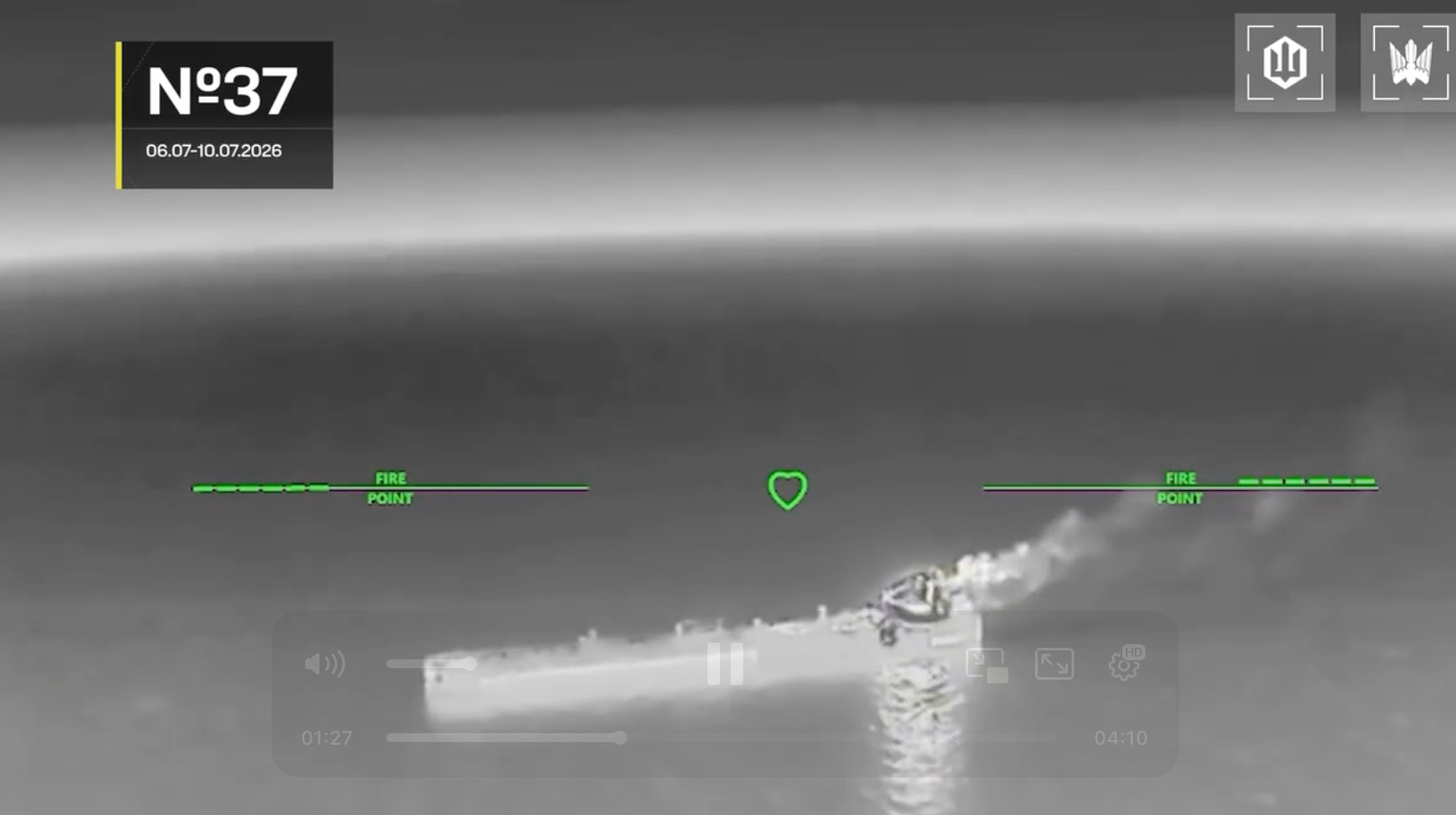
US strikes target launch sites and boats near Strait of Hormuz amid talks. — Source: gdelt
Retaliation threats
Iran has issued a heavy warning that the conflict could cross borders following the US strikes. [2] Tehran stated it would retaliate after the attacks on launch sites and boats that took place amid peace talks. [2] These threats were conveyed in direct response to the reported operations on southern Iran. [4] Officials in Iran signaled that further escalation remains possible if additional strikes occur. [2] The warnings emerged alongside ongoing diplomatic channels, underscoring the fragile state of discussions. [2][4]
Strait of Hormuz incident
Seoul reported that at least one projectile striking the HMM Namu in the Strait of Hormuz was likely an Iranian-made anti-ship missile. [3] The South Korean-operated vessel came under attack earlier this month, with investigators recovering an unexploded warhead from one of the two projectiles involved. [3] First Vice Foreign Minister Park Yoon-joo stated at a press briefing that the joint investigation team assessed the warhead as highly likely to be an Iranian-developed anti-ship missile, though formal responsibility was not assigned to Tehran. [3] The incident adds another layer to maritime security concerns in the region connected to the broader exchanges. [3]
US government response
Trump plans to convene a Cabinet meeting amid the threats of retaliation. [4] The session is set against the backdrop of Iranian warnings issued after the strikes on launch sites and boats. [4] This step follows the pattern of US actions on southern Iran and the subsequent Iranian military responses. [1][4] The meeting is intended to address the situation as it develops during the period of peace talks. [2][4]
What to watch next: Further updates on the Cabinet meeting called by Trump and any additional statements from Tehran regarding retaliation after the strikes on launch sites and boats.