
AI Espionage in the Strait of Hormuz Amid Current Wars in the World: How Technology is Fueling the Iran-US Geopolitical Chess Game
Introduction: The Tech-Infused Shadow War in the Strait of Hormuz
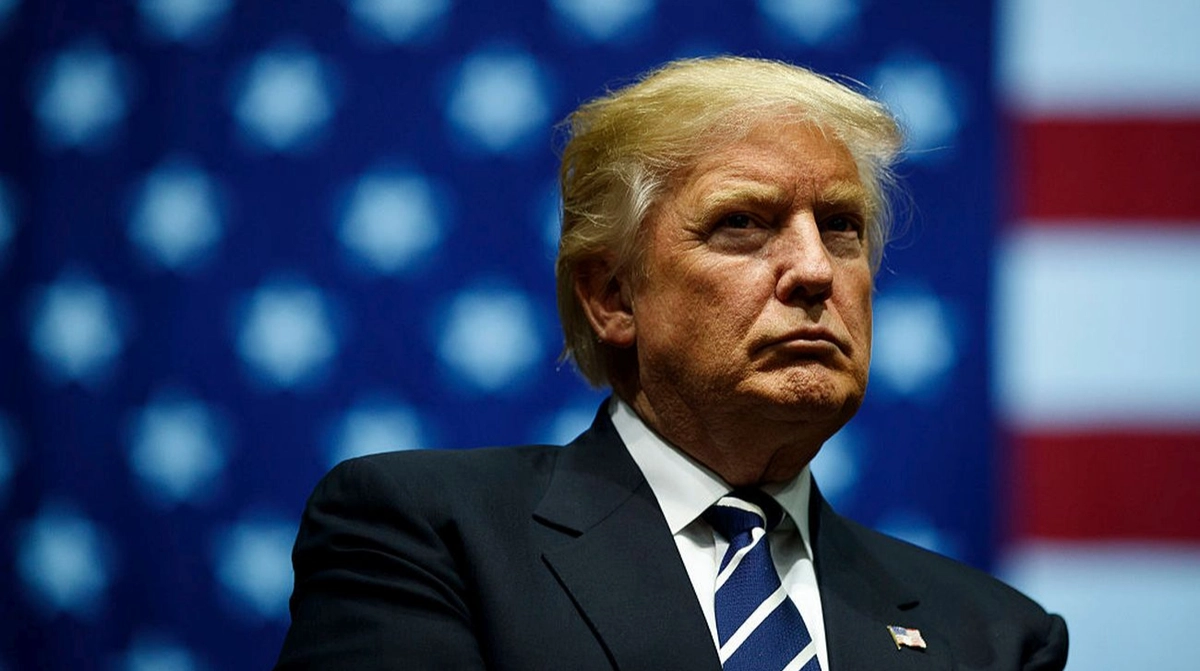
In a dramatic escalation of long-simmering tensions Strait of Hormuz Blockade Amid Current Wars in the World: The Overlooked Threat to Global Supply Chains and Emerging Market Stability amid current wars in the world, former U.S. President Donald Trump announced on April 12, 2026, an "immediate" U.S. naval blockade of the Strait of Hormuz, vowing to bar any vessels that have paid tolls to Iran from transiting the vital waterway. "No one who pays Iran will pass through," Trump declared in a statement following failed peace talks in Islamabad, labeling Iran's actions as "world extortion." This move, reported across global outlets from France24 to Hindustan Times, has sent shockwaves through energy markets, shipping lanes, and diplomatic channels, threatening up to 20% of the world's oil supply.
But beyond the headlines of warships and tolls lies a unique, underreported dimension: the weaponization of artificial intelligence (AI) and surveillance technologies by state and non-state actors. This article differentiates itself by zeroing in on how AI is transforming the Strait of Hormuz crisis into a digital shadow war, where private tech firms—such as a Chinese company boasting AI-driven tracking of U.S. bomber movements over Iran—are blurring the lines between espionage, commerce, and conflict. Sources like the South China Morning Post detail how this firm's AI algorithms analyzed satellite imagery and open-source data to shadow American B-52s, offering real-time intelligence that rivals state capabilities.
This technological infusion is reshaping traditional geopolitics in the Iran-U.S. chess game. Historically focused on naval patrols and sanctions, the conflict now incorporates AI for predictive analytics, cyber surveillance, and autonomous drone swarms. As non-state actors insert themselves—potentially selling data to Iran or the U.S.—the risk of miscalculation skyrockets. With recent events like failed U.S.-Iran talks on Lebanon and Hormuz (April 11-12), and a grim ceasefire amid Iran's economic woes (April 11), the stage is set for AI to dictate the next moves, amplifying stakes for global trade, energy security, and market stability.
Historical Roots: Tracing Tech's Role in Iran-US Tensions
To understand AI's pivotal role today, we must trace the crisis's roots through a compressed timeline of diplomatic feints, internal fractures, and preemptive security measures in late March 2026—events that primed the region for technological escalation.
The sequence began on March 26, 2026, when Iran offered a rare Hormuz concession to Spain, allowing Spanish-flagged vessels expedited passage in exchange for neutral mediation. This gesture, aimed at peeling European allies from U.S. influence, signaled Tehran's strategy of asymmetric diplomacy amid mounting sanctions pressure. Yet, just a day later on March 27, Iran-U.S. tensions boiled over at the Strait itself, with reports of U.S. naval exercises prompting Iranian Revolutionary Guard Corps (IRGC) fast-boat provocations—classic gunboat diplomacy now augmented by embedded sensors and drone overwatch.
By March 29, internal rifts within the Iranian regime erupted publicly, pitting hardline IRGC elements against more pragmatic factions wary of all-out confrontation. This schism, exacerbated by economic strain from prior sanctions, created fertile ground for cyber vulnerabilities; whispers of IRGC cyber units ramping up surveillance on U.S. assets emerged. Concurrently, Indonesia announced vessel security measures in Hormuz, deploying its own AIS (Automatic Identification System) trackers and AI-enhanced radar to protect tankers—a nod to multinational tech-sharing. That same day, Iran accused the U.S. of plotting an attack, citing intercepted communications that analysts now believe involved early AI pattern recognition tools flagging anomalous U.S. satellite passes.
These March events weren't isolated; they echoed historical patterns of espionage in the Gulf, from the 1980s Tanker War to the 2019 drone shootdowns. But technology has evolved the Strait into a digital battleground. Where once spies relied on human assets, today's actors deploy AI for persistent surveillance: machine learning models sift petabytes of satellite, radar, and social media data to predict naval movements. The U.S.-Iran Hormuz negotiations of April 7-11, including shifts in U.S. war strategy (April 8) and failed ceasefires (April 9), built directly on this foundation, with tech enabling real-time threat assessment. India's Chabahar port talks with the U.S. (April 7) further highlighted how infrastructure disputes now intersect with data sovereignty, priming the April 12 blockade announcement.
This progression—from concession to accusation—illustrated how perceived threats drove technological countermeasures. Iran's leadership uncertainty in Qom (April 7) likely accelerated IRGC adoption of commercial AI tools, setting the stage for non-state involvement and today's AI-fueled standoff.
The AI Arms Race Amid Current Wars in the World: Non-State Actors and Technological Escalations
At the forefront of this tech arms race Cyber Shadows in the Strait of Hormuz Amid Current Wars in the World: How Emerging Digital Threats Are Reshaping Gulf Geopolitics are non-state actors, particularly private firms wielding AI like a scalpel in geopolitical surgery. A prime example is the Chinese company's revelation, as reported by the South China Morning Post, of using AI to track U.S. bomber movements over Iran. By fusing commercial satellite feeds from providers like Planet Labs with open-source intelligence (OSINT)—flight trackers, weather data, and social media geotags—the firm's algorithms delivered sub-minute precision on B-52 flight paths. This capability, marketed as "dual-use" for maritime insurance but evidently shared with state clients, demonstrates how Beijing-linked tech giants are monetizing conflict data.
This blurs state-non-state lines profoundly. Unlike Cold War-era espionage by government agencies, today's players include startups in Shenzhen or Tel Aviv offering "predictive naval analytics" subscriptions. For Iran, such tools counter U.S. blockades: AI could optimize IRGC drone swarms for asymmetric strikes or spoof AIS signals to ghost tankers through patrols. The U.S., meanwhile, leverages firms like Palantir for fusion centers integrating AI with naval intel, as seen in recent exercises.
Implications ripple globally. China's entry—potentially via Belt and Road tech transfers—emboldens Iran, enabling cyber operations like jamming GPS in Hormuz. Non-state proliferation risks "data mercenaries," where firms auction intel to the highest bidder, destabilizing more than missiles ever could. Cross-market analysis reveals parallels: just as 2022 Ukraine saw Starlink pivot to warfare, Hormuz could see AI firms dictate energy flows, spiking insurance premiums and rerouting 15 million barrels/day of oil via Cape of Good Hope.
Original Analysis: The Double-Edged Sword of Tech in Geopolitics
AI's integration is a double-edged sword, enhancing precision while inviting chaos. Real-time data overload—terabytes from drones, satellites, and IoT sensors—fuels miscalculations: an AI "ghost ship" detection might trigger preemptive fire, echoing the 1988 Vincennes incident but at algorithmic speed.
Ethically, commodifying surveillance erodes international law. Who's accountable if a Chinese AI misidentifies a tanker as hostile? Strategically, it commodifies the Strait: data markets boom, with firms valuing Hormuz feeds at premiums rivaling oil futures. Compared to precedents like the 1996 Taiwan Strait crisis—where U.S. carriers deterred China sans AI—today's tech enables "digital proxy wars." Iran could outsource cyber to hackers, U.S. to contractors, creating deniable escalation ladders.
Unchecked proliferation risks a new era: AI-driven swarms rendering blockades obsolete, or deepfakes fabricating "attack plots." For markets, this means volatility amplification—oil surges on AI-predicted disruptions, equities dip on supply fears—demanding institutional hedging.
Catalyst AI Market Prediction
The World Now's Catalyst AI engine Catalyst AI — Market Predictions forecasts market ripples from the Hormuz blockade and AI escalations, drawing on historical precedents and causal mechanisms (medium-to-high confidence unless noted):
- BTC: Predicted - (medium confidence). Risk-off sentiment triggers selling; 2022 Ukraine precedent: -10% in 48h. Key risk: Ceasefire rebound.
- ETH: Predicted - (medium confidence). Correlates with BTC on oil fears; 2022: -12% in 48h. Key risk: ETF inflows.
- SPX: Predicted - (medium confidence). Algo selling from ME risks; 1996 Taiwan: -2% initial. Key risk: Trump truce.
- USD: Predicted + (medium confidence). Safe-haven flows; 2020 Soleimani: DXY +1%. Key risk: De-escalation.
- GOLD: Predicted + (medium confidence). Haven surge; 2020: +3% intraday. Key risk: Ceasefire.
- XRP: Predicted - (low confidence). BTC-led crypto dump; 2022: -8%. Key risk: Regulation offset.
- TSM: Predicted - (low confidence). Taiwan tensions; 1996: -5% proxies. Key risk: U.S. support.
- OIL: Predicted + (high confidence). Supply fears dominate; 2019 Aramco: +15%. Key risk: Truce implementation.
- CHF: Predicted + (low confidence). Safe-haven in extremes; 2022 Ukraine basis. Key risk: Equity rebound.
- EUR: Predicted - (medium confidence). Risk-off vs USD; 2022: -1.5% EURUSD. Key risk: Ceasefire extension.
- CNY: Predicted - (low confidence). EM pressures; 2022: -2%. Key risk: PBOC intervention.
- SOL: Predicted - (medium confidence). Crypto cascades; 2022: -15%. Key risk: Institutional buying.
- GOOGL: Predicted - (low confidence). Tech rotation; 2022: -3%. Key risk: Ad resilience.
Predictions powered by The World Now Catalyst Engine. Track real-time AI predictions for 28+ assets.
Future Forecast: Predicting the Next Moves in a Tech-Driven Standoff
Looking ahead, AI countermeasures loom large. Iran may deploy AI-optimized anti-access/area-denial (A2/AD) systems—autonomous mines or hypersonic drones—to pierce the blockade, potentially sparking cyber salvos on shipping ETAs Cyber Warfare and Diasporic Divisions in Current Wars in the World: The Overlooked Catalysts in US Geopolitics Amid Iran Tensions. China-Iran tech pacts could formalize, sharing AI for Hormuz monitoring, countering U.S. dominance Strait of Hormuz Amid Current Wars in the World: The Unsung Role of Emerging Global Alliances in Shaping 21st-Century Naval Power.
Global repercussions include regulatory pushes: UN resolutions curbing AI in chokepoints, or EU mandates on dual-use exports. De-escalation scenarios hinge on diplomacy—e.g., tech-sharing bans in Islamabad redux—or AI-mediated truces via neutral platforms. Broader risks: digitized tensions disrupt 21% of LNG flows, inflating prices 20-30%, per Catalyst models. Check the Global Risk Index for ongoing assessments.
Watch April 15 UNSC sessions and IRGC maneuvers; a Qom leadership shift could pivot to cyber warfare, evolving AI into tools threatening global energy.
Conclusion: Navigating the AI-Infused Geopolitical Landscape
This crisis underscores AI's unique role in Hormuz: non-state tech firms are accelerants, turning a naval spat into a surveillance superpower contest. From March's diplomatic jitters to April's blockade, technology has primed and propelled escalations, with markets bracing via Catalyst's risk-off signals.
Proactive policies—AI arms control treaties, data provenance standards—are imperative to avert digital quagmires. Yet, opportunity beckons: AI could innovate peace-building, via predictive diplomacy models forecasting de-escalation windows. As the Strait's shadow war digitizes amid current wars in the world, global markets and institutions must adapt—or risk obsolescence.## Sources
- Trump: US will blockade Strait of Hormuz and bar vessels that paid tolls to Iran - ukrainskapravda
- Trump orders blockade of Hormuz Strait - france24
- Trump orders 'immediate' US naval blockade of Strait of Hormuz - thenewarab
- Trump beordrer full blokade av Hormuzstredet - nrk
- Trump makes major Strait of Hormuz announcement after failed peace talks, tears into Iran for ‘WORLD EXTORTION’ - hindustantimes
- Kempel and Kimmitt to Newsmax: 'Tactical Aim Achieved' In Iran but Strategy Falls Short - newsmax
- ‘No one who pays Iran…’: Donald Trump announces naval blockade of Strait of Hormuz after Islamabad talks fail - hindustantimes
- How a Chinese company said it used AI to track US bomber movements over Iran - scmp
- Trump Announces Strait of Hormuz Blockade - newsmax
- Trump orders US naval blockade of Strait of Hormuz - channelnewsasia