
Strike Lebanon kills 18 as Israeli bombardment intensifies in south
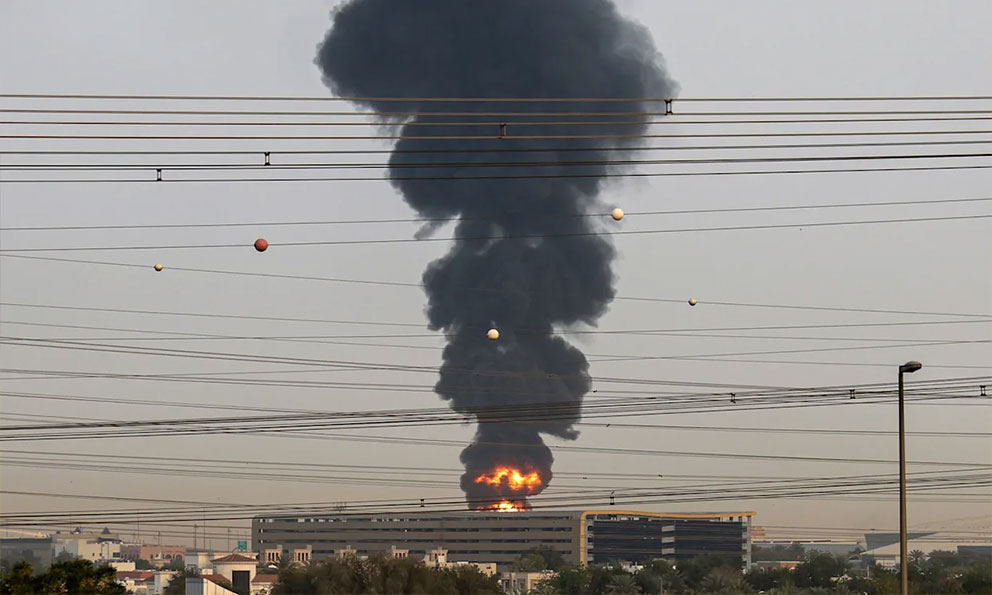
Israeli strikes have killed at least 18 people in southern Lebanon as bombardment intensifies. The strike lebanon campaign has produced repeated waves of air attacks that Lebanese authorities have described as massacres in multiple areas.
Israeli strikes in southern Lebanon
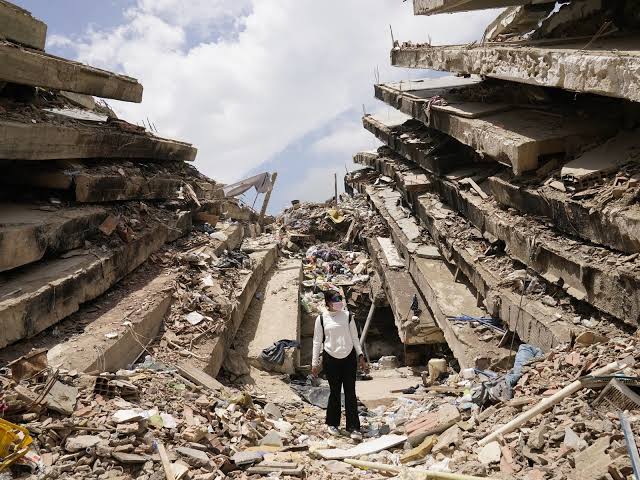
Israeli strikes kill 18 in Lebanon as bombardment intensifies in south, according to reports that document a sustained air campaign across the southern region. [1] The strikes form part of a broader escalation that has produced casualty figures ranging from 18 to at least 30 in a single night of operations. [1] [4] Lebanese health ministry statements have characterised the Tuesday night attacks as a series of massacres, underscoring the intensity of the bombardment. [2] These actions coincide with an expansion of Israeli ground operations that moved forces beyond the Yellow Line, a development officials linked directly to the failure of prior arrangements. [4]
Further reporting indicates that the same period saw Israeli forces ramp up attacks on Lebanon, resulting in 31 people killed across multiple sites. [5] The pattern of strikes has continued into subsequent days, maintaining pressure on southern Lebanese communities. [1] Official accounts tie the operations to efforts to enforce separation between Hezbollah fighters and the border area, with the Litani River cited as the intended northern limit for such forces. [4]
Specific locations and incidents
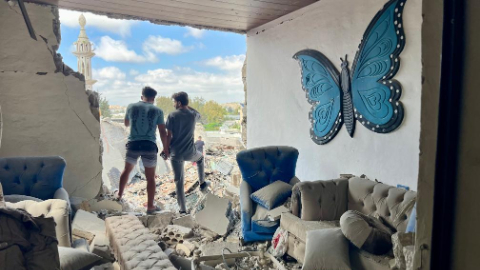
A new wave of Israeli air strikes has hit the towns of Dibbin and Shebaa in southern Lebanon. [2] In Deir Aames, an air strike on Wednesday killed two people and injured another. [2] These incidents form part of the wider toll that reached at least 18 deaths from the strike lebanon operations. [1] Lebanon’s National News Agency recorded the hits on Dibbin, Shebaa and Deir Aames as separate events within hours of one another.
Additional details from the same reporting noted that a drone was flying over Beirut’s southern suburbs during the period of intensified strikes. [2] The sequence of attacks on Tuesday night alone produced at least 30 deaths according to multiple tallies, with Wednesday strikes adding to the count in the named towns. [2] [4] Individual casualty reports remain tied to these specific locations, where local agencies documented the deaths and injuries without providing further breakdown beyond the confirmed figures.
{IMAGE_2}
Israeli government position
Israeli Foreign Minister Gideon Saar stated that the presence of Israeli forces in southern Lebanon resulted from the utter failure of the Lebanese government to fulfil its obligations. [4] The minister specifically blamed Lebanese authorities for not keeping Hezbollah fighters north of the Litani River. [4] This position was issued after Israeli attacks on Tuesday night killed at least 30 people and after ground operations expanded beyond the Yellow Line. [4]
The statement frames the military actions as a direct response to the perceived shortcomings of Lebanese state control in the south. [4] Saar’s remarks align with the decision to intensify strikes and extend ground presence, presenting both measures as necessary until the stated obligations are met. [4] No alternative explanations or additional conditions were attached to the public comments.
Link to Gaza operations
The Lebanon operations coincide with Israeli strikes in Gaza that killed Hamas armed wing chief Mohammad Odeh. [3] [5] Israel said it had killed Hamas’s newly appointed armed wing chief in Gaza on Tuesday, days after eliminating his predecessor. [3] The military operation that removed Odeh occurred in parallel with the expanded pressure in both Gaza and Lebanon. [3] [5]
Reports note that the killing of the Hamas commander took place amid intensified military activity in Gaza, creating a simultaneous escalation across two fronts. [5] The timing links the strike lebanon campaign to the Gaza developments without indicating any direct operational connection beyond the shared period of heightened activity. [3] A relative of Odeh confirmed the death, consistent with the Israeli military announcement. [3]
Additional reported activity
Alongside the strikes on southern towns, a drone was observed flying over Beirut’s southern suburbs. [2] This aerial presence was recorded by Lebanon’s National News Agency during the same wave of attacks that hit Dibbin, Shebaa and Deir Aames. [2] The drone flight adds to the documented scope of Israeli activity beyond the immediate strike zones.
The overall sequence shows continued bombardment after the Tuesday night attacks that killed at least 30 people, with fresh strikes extending into Wednesday. [2] [4] Lebanese health ministry descriptions of massacres encompass both the initial night of heavy losses and the follow-on operations. [2] These elements together illustrate the sustained nature of the military pressure applied across southern Lebanon and adjacent areas.
What to watch next: Further Israeli strikes on southern Lebanon towns and any updates on ground operations beyond the Yellow Line remain the immediate developments to monitor, alongside any additional announcements regarding the situation in Gaza.