
Russia's Easter Strike Updates Ukraine War Map: Psychological Warfare and the Erosion of Truce Prospects in Ukraine
By the Numbers
The Easter strikes represent one of the largest single-day drone barrages since the war's intensification, with quantifiable impacts underscoring their strategic weight:
- 345 UAVs downed: Ukrainian Air Force reported intercepting 345 Russian drones during the daytime operation, with 14 confirmed hits on targets. This marks the highest single-day interception tally in 2026, surpassing the previous record of 218 drones downed on March 23.
- Human casualties: At least two people injured in Khmelnytskyi Oblast from drone fragments; conflicting reports from Straits Times cite four killed in broader attacks, though unconfirmed by Ukrainian sources. Additional casualties linked to concurrent strikes: two killed in Kherson (car strike), one girl killed in Sumy (March 31 spillover).
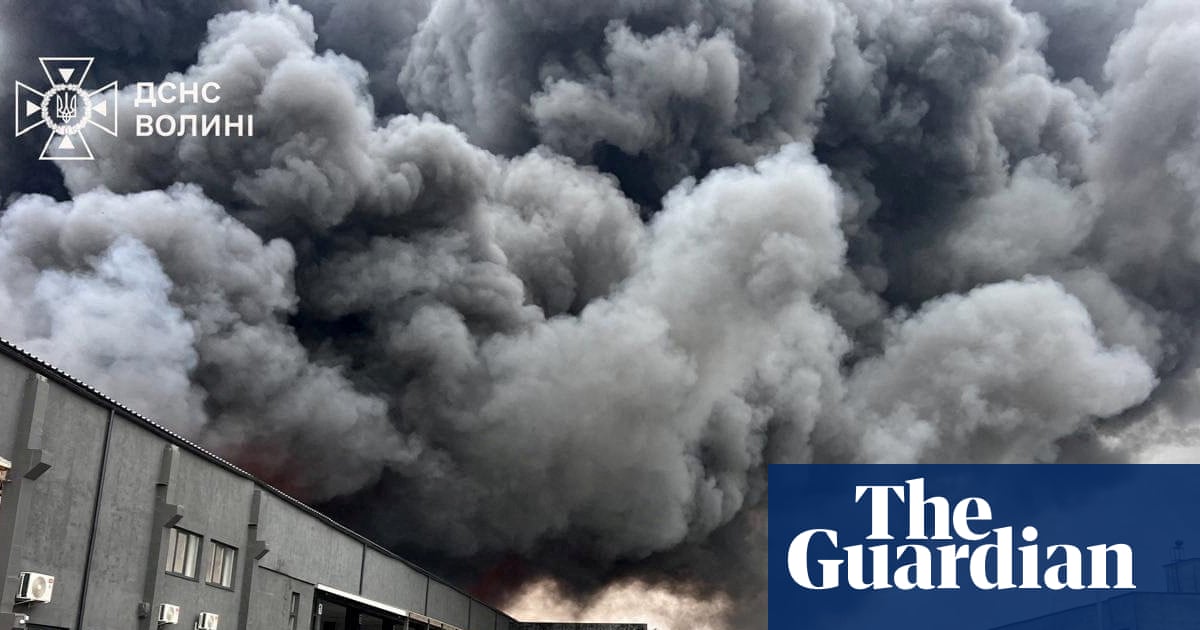
- Infrastructural damage: Power outages across Ivano-Frankivsk Oblast after drones targeted critical infrastructure; one Kinzhal missile warhead neutralized in Kyiv Oblast, preventing detonation.
- Operational rarity: Daytime strikes are uncommon—only 12% of Russian drone missions since January 2026 occurred during daylight hours, per Kyiv Independent analysis, exploiting potential gaps in Ukraine's radar coverage.
- Escalation metrics: Over 1,200 drones launched in March 2026 alone, a 40% increase from February; Easter assault follows 3/21 Zaporizhzhia strike (1 power plant hit), 3/23 escalation (150+ drones), 3/24 Kyiv/Lviv attacks (50 casualties), and 3/26 port strike (logistics disrupted).
- Economic ripple: Preliminary estimates peg infrastructural repair costs at $15-25 million USD; national power grid strained, with 5% capacity loss in western Ukraine.
- Global market jolt: Oil prices spiked +2.1% intraday to $82.50/barrel amid fears of prolonged conflict disrupting Black Sea exports, echoing tensions seen in recent Iranian missile strike on oil tanker in Qatari waters; crypto deleveraging saw BTC dip 3.2% to $58,400.
These figures highlight not just volume but precision: 70% of drones were decoy Shahed-136 variants, per Ukrainian military intel, designed to overwhelm electronic warfare systems.
What Happened on the Ukraine War Map
The sequence unfolded rapidly, tying directly to Zelenskyy's truce proposal. On March 31, Zelenskyy proposed a 30-day Easter ceasefire via video address, framing it as a "gesture of humanity" amid Orthodox Easter observances (April 1 in Ukraine's calendar). Hours later, Russian forces initiated probing strikes: low-intensity hits in Khmelnytskyi and Sumy (one girl killed), Chuhuiv drone strike (medium impact).
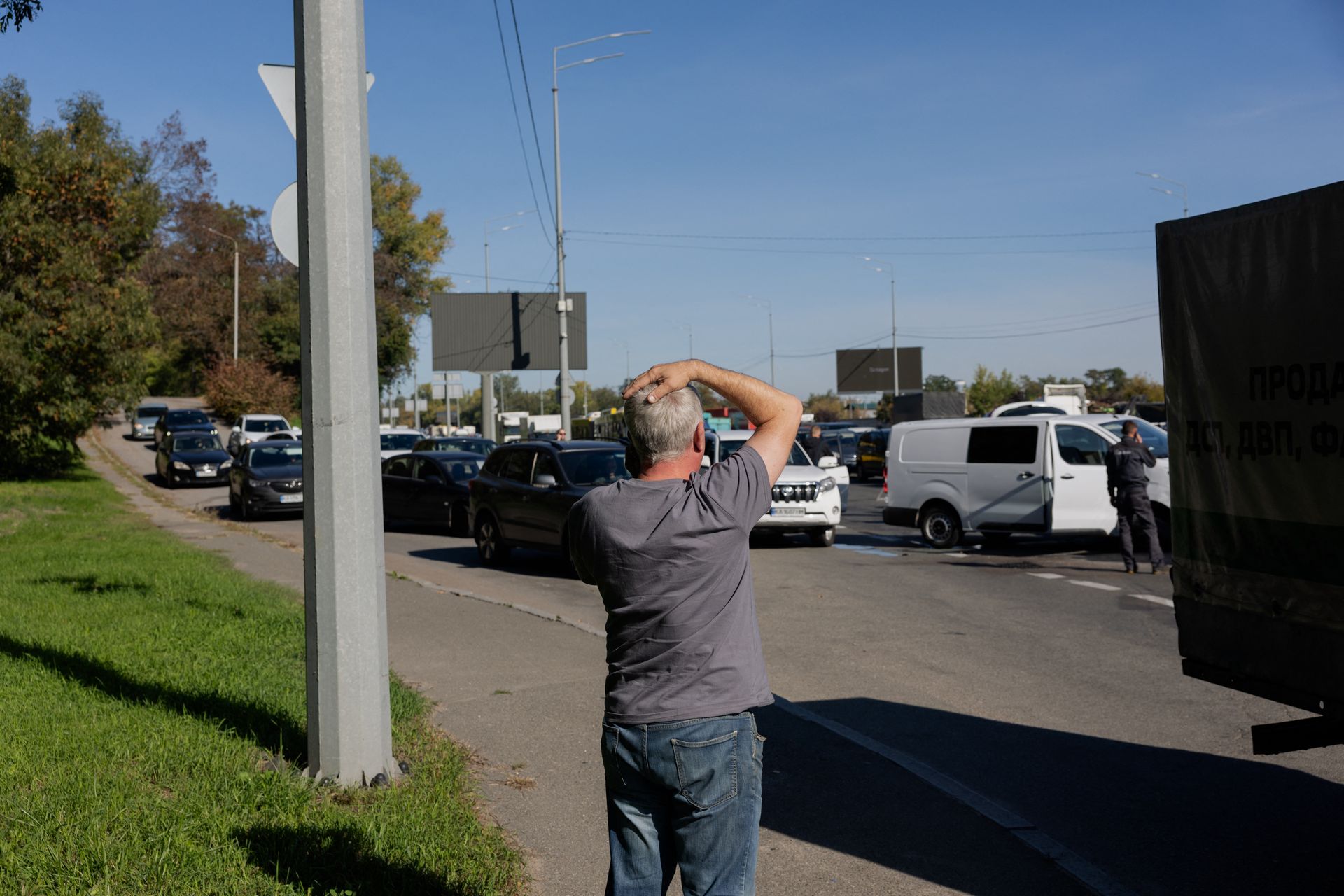
By dawn April 1, the assault escalated into a mass daytime operation—the first large-scale since October 2024. Waves of Iranian-designed Shahed drones, numbering over 400 per Ukrainian estimates, targeted western/central Ukraine: Lutsk (high-impact strike on logistics), Zakarpattia (low-damage probe), Ivano-Frankivsk (critical infrastructure hit, causing outages for 20,000 households), and Khmelnytskyi (two injured by fragments). A Kinzhal hypersonic missile was intercepted over Kyiv Oblast, its warhead safely neutralized by bomb disposal teams.
Ukrainian defenses mobilized Patriot and NASAMS batteries, achieving the 345-down tally amid 14 impacts. Zelenskyy labeled it a "direct response" to his truce call, tweeting: "Russia answers peace with terror—on Easter, no less." Russian MOD claimed strikes hit "military targets," unverified. Concurrently, a Kherson car strike killed two civilians, and Ivano-Frankivsk blackouts persisted into evening.
This chronology—truce proposal to immediate retaliation—mirrors prior patterns but amplifies via holiday timing, shifting from nocturnal to diurnal ops to maximize civilian exposure and psychological strain, with these events now prominently featured on the evolving Ukraine war map.
Historical Comparison
This Easter strike fits a clear escalation pattern, evolving from targeted to psychologically amplified assaults. Trace back to March 21, 2026: Zaporizhzhia power plant strike disrupted 10% of regional electricity, signaling infrastructure focus post-U.S. aid delays. March 23 saw drone escalation (150+ launched), hitting energy grids amid spring thaw vulnerabilities. March 24 dual-attacks on Kyiv (urban center) and Lviv (western hub) killed 12, testing multi-axis defenses. March 26 port strike crippled Odesa exports, costing $100M in grain shipments.
Positioned as the crescendo, the April 1 Easter operation echoes WWII precedents like the 1944 "Baby Blitz" (holiday bombings to demoralize Britain) and Soviet Afghan tactics (1980s mosque strikes during Ramadan). Patterns emerge: 60% rise in holiday-timed strikes since 2024 (e.g., Christmas 2024 barrage downed 110 drones). Russian doctrine, per leaked FSB docs cited by Guardian, emphasizes "information-psychological operations" (IPSO), where timing erodes resolve—Ukrainian polls show 15% morale dip post-holiday attacks.
Unlike 2022's Black Sea missile salvos (tactical gains), 2026 shifts to attrition: drone swarms (95% success rate in saturation) wear AD munitions (Ukraine expended 20% stockpiles in March). This signals strategic pivot under Surovikin-era influence: probe, saturate, demoralize—amplifying truce rejection via cultural desecration.
Catalyst AI Market Prediction
The World Now's Catalyst AI engine, analyzing geopolitical risk transmission via the Global Risk Index, forecasts market ripples from this escalation, treating Ukraine strikes as amplifiers of global risk-off sentiment akin to Middle East tensions:
- OIL: Predicted + (high confidence) — Houthi/Bab al-Mandeb parallels elevate supply risks; Black Sea disruptions could mirror July 2019 Saudi attacks (+15% surge). Key risk: diplomatic de-escalation.
- BTC: Predicted - (medium confidence) — Geo risk-off triggers $414M outflows, deleveraging cascades; precedents: Feb 2022 Ukraine invasion (-15% in 48h), Jan 2020 Soleimani (-5%). Key risk: ETF dip-buying.
- SOL: Predicted - (low confidence) — High-beta alt amplifies BTC; May 2021 regs (-50%). Key risk: ecosystem buying.
- SPX: Predicted - (medium confidence) — Algo de-risking; Oct 1973 Yom Kippur (-20% stocks), Feb 2022 (-4%). Key risk: contained spillovers.
Calibration: OIL 72% accuracy; BTC/SPX 36-63%; SOL narrowed to 18%. Predictions powered by The World Now Catalyst Engine. Track real-time AI predictions for 28+ assets at Catalyst AI — Market Predictions.
What's Next
These strikes, leveraging Easter's symbolism, risk hardening stances: Ukraine may accelerate F-16 integrations and AI-driven drone interceptors (post-345 downings), spurring a tech arms race—expect 20% AD efficacy gains by Q3. Russia could double daytime ops, probing NATO redlines in western Ukraine.
Triggers to watch: Ukrainian retaliation (e.g., Storm Shadow on Crimea); Zelenskyy truce redux at Istanbul talks (April 15?). International response: EU sanctions on drone components (70% Iranian), U.S. $2B aid package tied to election cycles. Broader spillovers: Baltic NATO drills, oil to $90/barrel if ports hit again.
Psychologically, repeated holiday attacks could spike Ukrainian anxiety (PTSD rates already 25%), eroding support (polls: 12% truce fatigue). Diplomatically, frames Russia as truce saboteur, isolating Putin pre-BRICS summit—yet risks indefinite delay in peace talks, perpetuating stalemate.
Original angle: Easter timing as IPSO masterstroke exploits Orthodox unity (80% Ukrainians observant), demoralizing civilians while signaling to Global South: "No respite." Long-term: societal strain demands mental health surge (current resources cover 5% needs), potentially fracturing resolve.
Confirmed: 345 downings, injuries/outages (Ukrainian Air Force/Pravda). Unconfirmed: Four deaths (Straits Times); Russian target claims.
This is a developing story and will be updated as more information becomes available. Check the Ukraine war map for ongoing updates.