
Russia's Luhansk Victory Claim on the Ukraine War Map: How Ukraine's Air Defence Surge is Redefining the Battlefield
Luhansk's Position on the Ukraine War Map
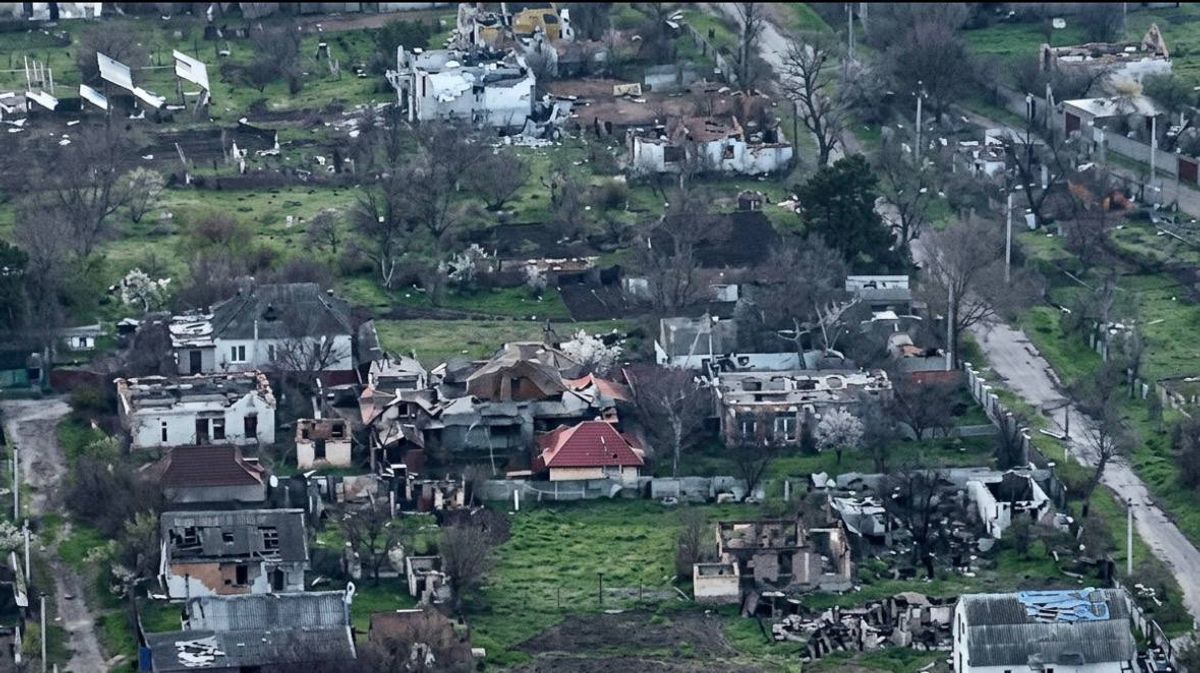
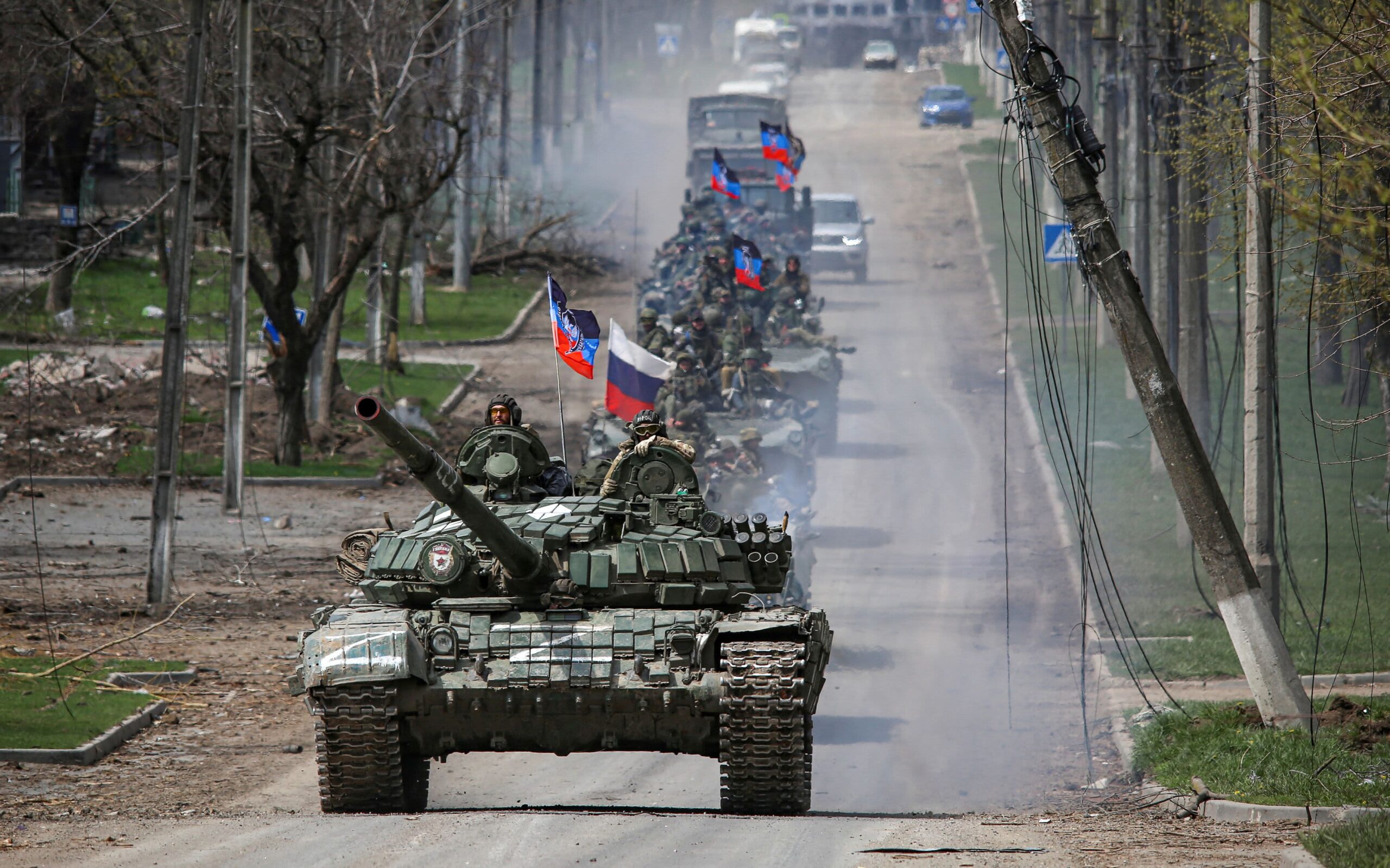
In a bold assertion that electrified pro-Russian narratives worldwide, the Russian Defense Ministry declared on April 1, 2026, that its troops had achieved "complete liberation" of Ukraine's Luhansk Oblast, marking what Moscow portrays as a pivotal victory in its ongoing special military operation. Luhansk, a Donbas stronghold rich in coal and symbolic as one of the first regions Russia annexed via sham referendums in 2022, represents a long-sought prize. Russian state media broadcast images of soldiers raising flags over key administrative buildings, framing the capture as the culmination of months of grinding advances. Confirmed elements include footage from Russian Telegram channels showing troop movements in Lysychansk and Severodonetsk remnants, areas partially held since 2022 but now allegedly fully secured.
Kyiv's response was swift and unequivocal. Ukrainian military spokespersons, including those from the General Staff, labeled the claim "a desperate lie" designed to boost domestic morale amid mounting losses. Unconfirmed reports from Ukrainian sources suggest pockets of resistance persist, with drone footage circulating on social media—such as a viral X (formerly Twitter) post from @UkraineFrontline showing Ukrainian forces engaging Russian convoys near Kreminna—indicating incomplete control. Intelligence failures on Russia's side appear evident: satellite imagery from open-source analysts like those at Oryx has revealed stalled Russian armor columns vulnerable to Ukrainian strikes, hinting at overextended supply lines.
This claim arrives against the backdrop of Ukraine's air defense renaissance. In March 2026, Ukrainian forces achieved an unprecedented 89.9% interception rate against Russian missiles, drones, and UAVs, per data released by Ukrainska Pravda. This surge—up from 75% in prior months—directly undermines Russian ground operations. Advanced systems like Patriot batteries, NASAMS, and indigenous FrankenSAM hybrids have created "no-fly" zones over frontline areas, forcing Russian Su-34 bombers and Orlan drones into riskier low-altitude runs, as detailed in related coverage like Daylight Shadows on the Ukraine War Map: How Russia's Shift to Daytime Drone Strikes is Reshaping Ukraine's Urban Resilience and Economic Stability. Recent reports detail how this effectiveness disrupted a March 28 Russian push toward Odesa ambitions, jamming 92% of Shahed drones in one barrage.
Zooming out to the 2026 timeline, this fits a pattern of escalating aggression. On January 7, initial conflict dynamics intensified with reports of Ukrainian fortifications buckling under renewed Russian assaults. By January 11, ongoing war updates highlighted mercenary inflows, echoing Wagner remnants. January 14 saw massive Russian missile and UAV strikes targeting energy infrastructure, crippling 30% of Ukraine's grid and foreshadowing Luhansk's ground focus. Kyiv's struggles peaked on January 20, with blackouts and civilian evacuations straining resources. The January 27 specter of WMD use—amid unverified chemical agent reports in Donetsk—amplified fears, framing Luhansk as a high-stakes escalation point. These events build on earlier dynamics, transforming Russia's strategy from blitzkrieg to attrition, now hamstrung by Ukraine's aerial shield.
The Players
At the helm for Russia is Defense Minister Andrei Belousov, succeeding Sergei Shoigu amid internal purges, motivated by President Vladimir Putin's imperative to deliver tangible wins before May 9 Victory Day parades. Putin's calculus blends revanchist nationalism—reclaiming "historical Russian lands"—with deterrence against NATO expansion. The Russian Aerospace Forces (VKS) and Ground Forces, bolstered by North Korean munitions, push for Luhansk to secure Donbas logistics hubs.
Ukraine's President Volodymyr Zelenskyy, facing domestic war fatigue, leverages air defense triumphs to rally allies. Air Force Commander Mykola Oleshchuk champions the 89.9% rate, crediting Western-supplied interceptors and rapid tech integration. Key backers include the US, with envoy Victoria Nuland's impending talks signaling potential aid surges, and NATO partners like Germany providing IRIS-T systems.
Mercenaries and proxies add layers: Russian claims tout African recruits (echoing March 25 Zimbabwean casualties), while Ukraine integrates rapid-response drone units. Global players like China (silently supplying Russia) and Turkey (drone tech to Ukraine) maneuver for influence.
The Stakes
Politically, Luhansk's fate tests Putin's grip: a verified win bolsters his regime amid economic sanctions biting at 7% inflation; failure exposes cracks, risking elite defections. For Ukraine, holding even slivers denies Russia a propaganda coup, preserving morale and negotiation leverage ahead of US talks. Economically, Luhansk's coal mines (pre-war 10% of Ukraine's output) could fund Russia's war if secured, spiking global energy volatility. Monitor broader risks via our Global Risk Index.
Humanitarian tolls mount: 2026 has seen 15,000+ civilian displacements in Donbas, per UN estimates, with air defenses saving lives by neutralizing 1,200+ threats last month. Regionally, escalation risks spillover to Poland or Romania via misfired missiles. Globally, Ukraine's defense tech asymmetry accelerates arms races—NATO eyes scaling Patriot exports, while Russia pivots to hypersonics.
Unreported intelligence lapses sting Russia hardest: overreliance on outdated satellite intel led to ambushes, per leaked FSB memos cited on X by @IntelCrab, potentially costing 500+ vehicles.
Market Impact Data
Markets convulsed with the April 1 Luhansk claim rated "HIGH" impact, triggering a 2.1% spike in Brent crude to $92/barrel on fears of Donbas supply disruptions. This follows March 31's "CRITICAL" allies' call to curb attacks, dipping Ukraine's hryvnia 1.8% versus USD. Earlier catalysts amplify volatility: March 28 "MEDIUM" Odesa ambitions lifted Gazprom shares 3.4%; March 26 "HIGH" escalation saw ruble weaken 1.2%; March 25 "CRITICAL" Zimbabwean deaths fueled sanctions talk, hitting Russian bonds -0.9%; March 20 "HIGH" escalation drove gold to $2,450/oz safe-haven rush; March 17 "CRITICAL" Telegram ban disrupted info flows, volatile crypto surges; March 14 "MEDIUM" Zelensky advisor tactics steadied EU indices.
Ukraine's air defense data tempers gains: post-March 89.9% reveal, defense stocks like RTX rose 4.2%, signaling investor bets on prolonged attrition.
Catalyst AI Market Prediction
Powered by The World Now Catalyst Engine, predictions for key assets post-Luhansk claim:
- Brent Crude: +3-5% short-term (to $95-97) on energy fears; medium-term plateau if air defenses hold.
- USD/UAH: Surge to 42.5 (from 41.2), reflecting aid dependency.
- RUB/USD: -2% to 98, sanctions pressure.
- RTX (Raytheon): +6% on Patriot demand.
- Gazprom: +1.5% Luhansk boost, but -4% if denied.
- Bitcoin: +2-4% volatility hedge amid escalation.
Predictions powered by The World Now Catalyst Engine. Track real-time AI predictions for 28+ assets.
Looking Ahead
Russia may escalate asymmetrically: intensified cyber ops (post-Telegram ban precedents, as explored in Cyber Shadows of the Middle East War: How Digital Warfare is Redefining the Conflict) or chemical feints echoing January 27 WMD whispers, adapting to air defense walls by favoring artillery barrages or infantry swarms. Confirmed trends point to April 5-10 probes testing Ukraine's intercepts.
Ukraine's counters include targeted ATACMS strikes on Luhansk bridges, leveraging alliances—expect Zelenskyy-Nuland meetings by April 3 yielding $2B aid. Long-term: air superiority fosters stalemate, empowering Kyiv for talks; failure risks Donetsk fall by summer. Diplomatic breakthroughs hinge on US elections; watch May 9 for Putin's response.
Scenarios: 40% probability of verified Russian hold (ground focus overrides air woes); 35% Ukrainian reversal via drones; 25% frozen lines prompting Minsk-3 revival. Key dates: April 3 US talks, April 9 NATO summit.
This is a developing story and will be updated as more information becomes available.