Russian Missiles Strike Kyiv and Odesa, Injuring 10 in Port City
Russian forces launched missile and drone strikes on Kyiv and Odesa on 18 September, injuring at least 10 people in Odesa while air defences intercepted threats over the capital.
Russian Missiles Target Kyiv
Ukraine’s capital Kyiv came under attack from Russian missiles on Friday, but there were no immediate reports of casualties. [1] Mayor Vitali Klitschko, writing on the messaging app Telegram, said air defence units were in action against Russian missiles. [1] Reuters witnesses heard explosions in the capital. [1] Military authorities lifted the air alert after about 40 minutes. [1] Kyiv came under Russian missile attack with explosions reported and air defences engaged for about 40 minutes before the alert was lifted, with no immediate casualties reported. [1] The strikes occurred as Russia held parliamentary elections and amid broader concerns about escalation, hybrid attacks and winter threats to Ukraine. [5] Russian drone attacks near Ukraine's borders and alleged assassination plots in the United States are raising concerns about a wider confrontation with Moscow. [3]
Double Strike Hits Central Odesa
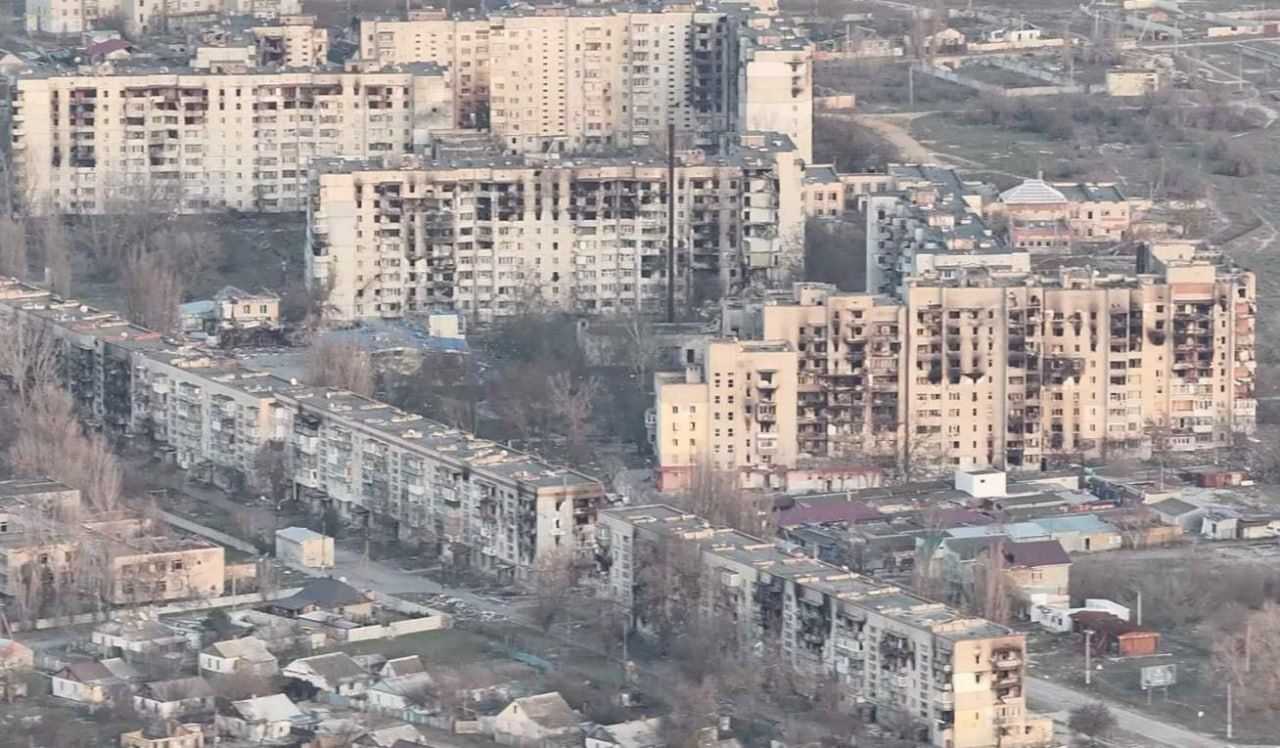
In the southern port of Odesa, regional Governor Oleh Kiper said Russian forces launched two strikes on the city centre, the second while emergency crews were already at the scene. [1] Russian forces attacked central Odesa twice on 18 September, and the repeat strike came as first responders were working at the scene. [4] Kiper said 10 people had been wounded and an administrative building and vehicles damaged. [1] Ten people have been injured in the attacks. [4] As of the evening, 10 people are known to have been injured. [4] Three of them were hospitalised, while the others received medical treatment at the scene. [4] Photos posted on Telegram showed emergency crews tackling a blaze in a multi-storey building. [1] The attacks damaged an office building and vehicles. [4] Lysak had earlier reported that a Russian drone struck an office building in a busy area in central Odesa. [4] A fire broke out on several floors of the building following the strike. [4] Local authorities initially reported that three people had been injured, with the number later rising to five and then seven. [4] In Odesa, Russian forces struck the city centre twice in quick succession, the second attack hitting while emergency crews were responding to the first. [1] Ten people were wounded in the Odesa strikes, three of whom were hospitalised, with an administrative building, vehicles and a multi-storey building damaged and fires reported. [1] The strikes occurred as Russia held parliamentary elections and amid broader concerns about escalation, hybrid attacks and winter threats to Ukraine. [5]
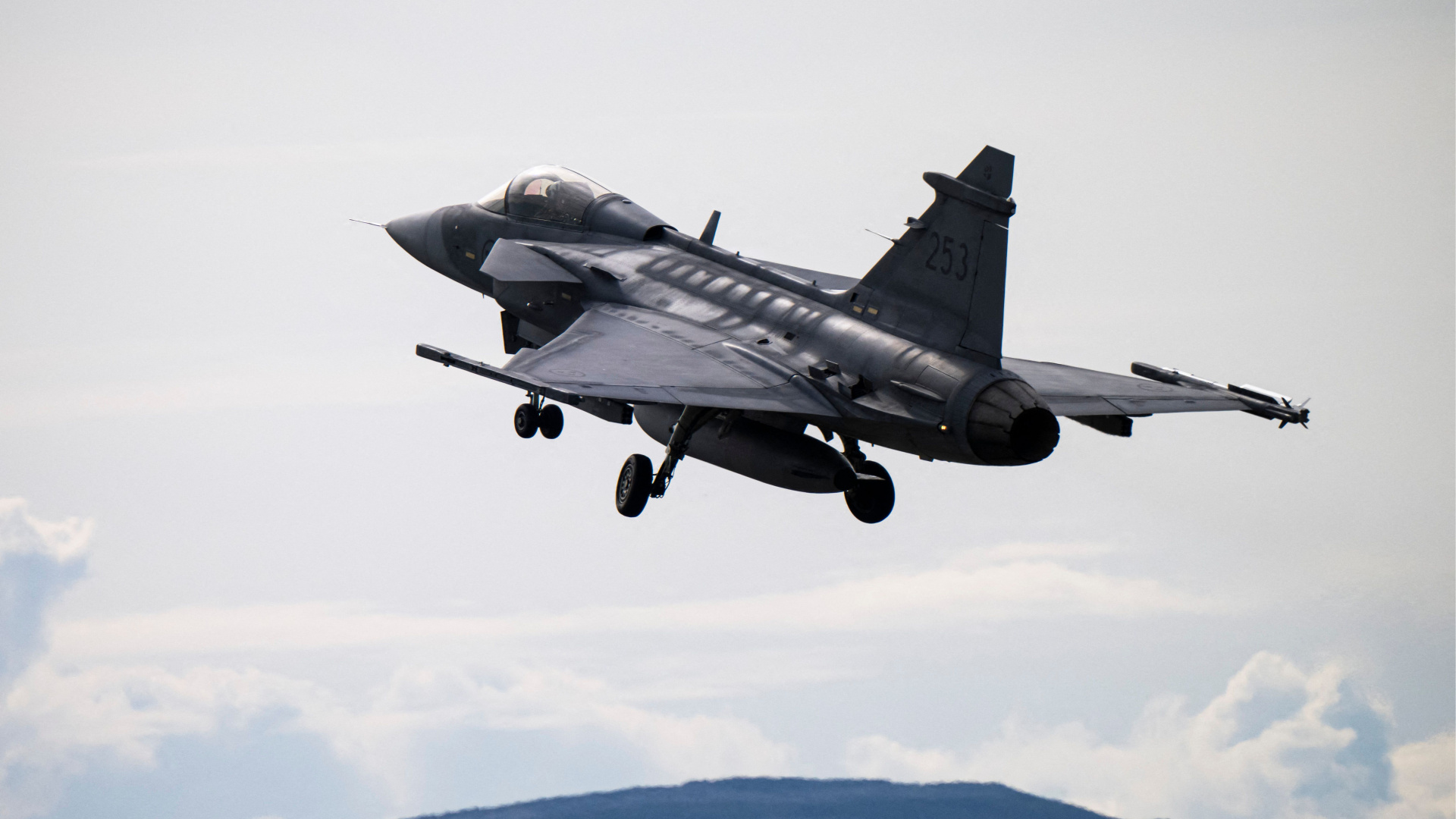
Czech Gripen jets fly over Poland during Russian drone attack on Ukraine. — Source: ukrainskapravda
NATO Jets Scrambled Over Drone Activity
NATO airspace near Poland's eastern border after drones were spotted flying over Ukraine's west. [2] The Czech jets ultimately did not have to intervene. [2] After being relieved by Polish fighter jets, the Gripens safely returned to Pardubice. [2] The Gripen jets have taken off on the orders of the alliance headquarters as part of NATO's integrated air and missile defence system. [2] If necessary, we are willing to defend the airspace of our allies, the Czech military said. [2] Polish Prime Minister Donald Tusk said on 17 September that intelligence services believe Russia is planning hybrid attacks using drones and missiles against countries supporting Ukraine. [2] He noted that late autumn and winter will be the most critical period in Russia's war against Ukraine. [2] Czech Prime Minister Andrej Babiš responded by telling Czech news portal TN.cz that Russia is waging hybrid warfare against Czechia. [2] That is why our intelligence services are paying maximum attention to all risks related to the activities of Russian secret services directed against our country, he said. [2] On the morning of 18 September, Poland scrambled its fighter jets as Russia carried out another attack on Ukraine. [2] Rzeszów and Lublin airports suspended operations amid Russian attacks on Ukraine. [2] Czech Gripen jets were scrambled into NATO airspace near Poland's border in response to Russian drones spotted over western Ukraine but did not intervene and returned to base after being relieved by Polish fighters. [2] The strikes occurred as Russia held parliamentary elections and amid broader concerns about escalation, hybrid attacks and winter threats to Ukraine. [5]
Strikes Coincide With Russian Parliamentary Voting
Russia and Ukraine traded strikes overnight as Russians prepared to vote in parliamentary elections in which the Kremlin's main party, United Russia, is poised to keep its grip on power, with the only party that criticised the war removed from the ballot. [5] The strikes occurred as Russia held parliamentary elections and amid broader concerns about escalation, hybrid attacks and winter threats to Ukraine. [5] Russian forces launched missile and drone strikes on Kyiv and Odesa on 18 September, injuring at least 10 people in Odesa while air defences intercepted threats over the capital. [1]
Escalation Concerns Rise
Russian drone attacks near Ukraine's borders and alleged assassination plots in the United States are raising concerns about a wider confrontation with Moscow as President Donald Trump's administration seeks to revive negotiations to end the war. [3] Polish Prime Minister Donald Tusk said on 17 September that intelligence services believe Russia is planning hybrid attacks using drones and missiles against countries supporting Ukraine. [2] He noted that late autumn and winter will be the most critical period in Russia's war against Ukraine. [2] Czech Prime Minister Andrej Babiš responded by telling Czech news portal TN.cz that Russia is waging hybrid warfare against Czechia. [2] That is why our intelligence services are paying maximum attention to all risks related to the activities of Russian secret services directed against our country, he said. [2] The strikes occurred as Russia held parliamentary elections and amid broader concerns about escalation, hybrid attacks and winter threats to Ukraine. [5]
What to watch next: Late autumn and winter will be the most critical period in Russia's war against Ukraine, with intelligence services paying maximum attention to risks related to Russian secret services.