
Russian Drone Crash Follows Violations of Moldovan and Romanian Airspace in Most Dangerous Countries
Multiple conflicts escalated globally on September 8-9 2026 with Russian drones violating Moldovan and Romanian airspace, North Korean troops crossing the inter-Korean border more than 20 times in August, and intensified fighting in the Middle East involving Houthi attacks on Saudi cities, US strikes on Iranian tankers, and Iranian missile strikes in some of the most dangerous countries.
Russian Drone Incursion Over Moldova and Romania
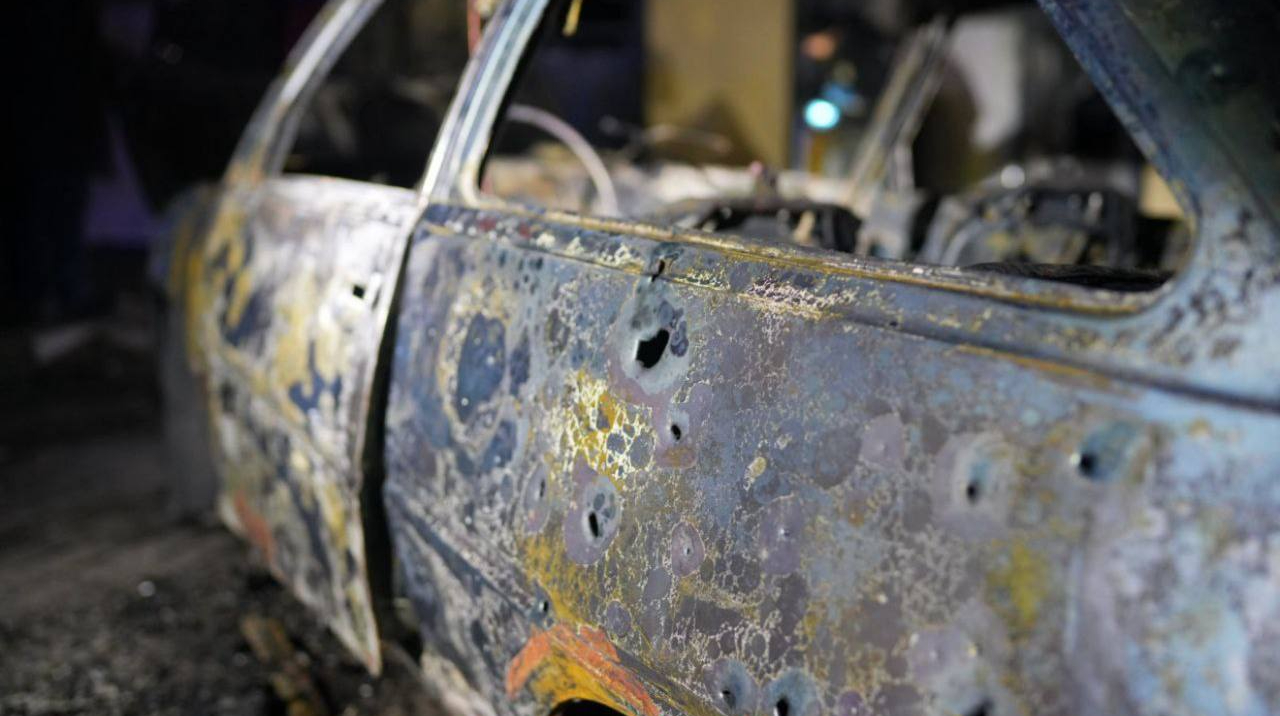
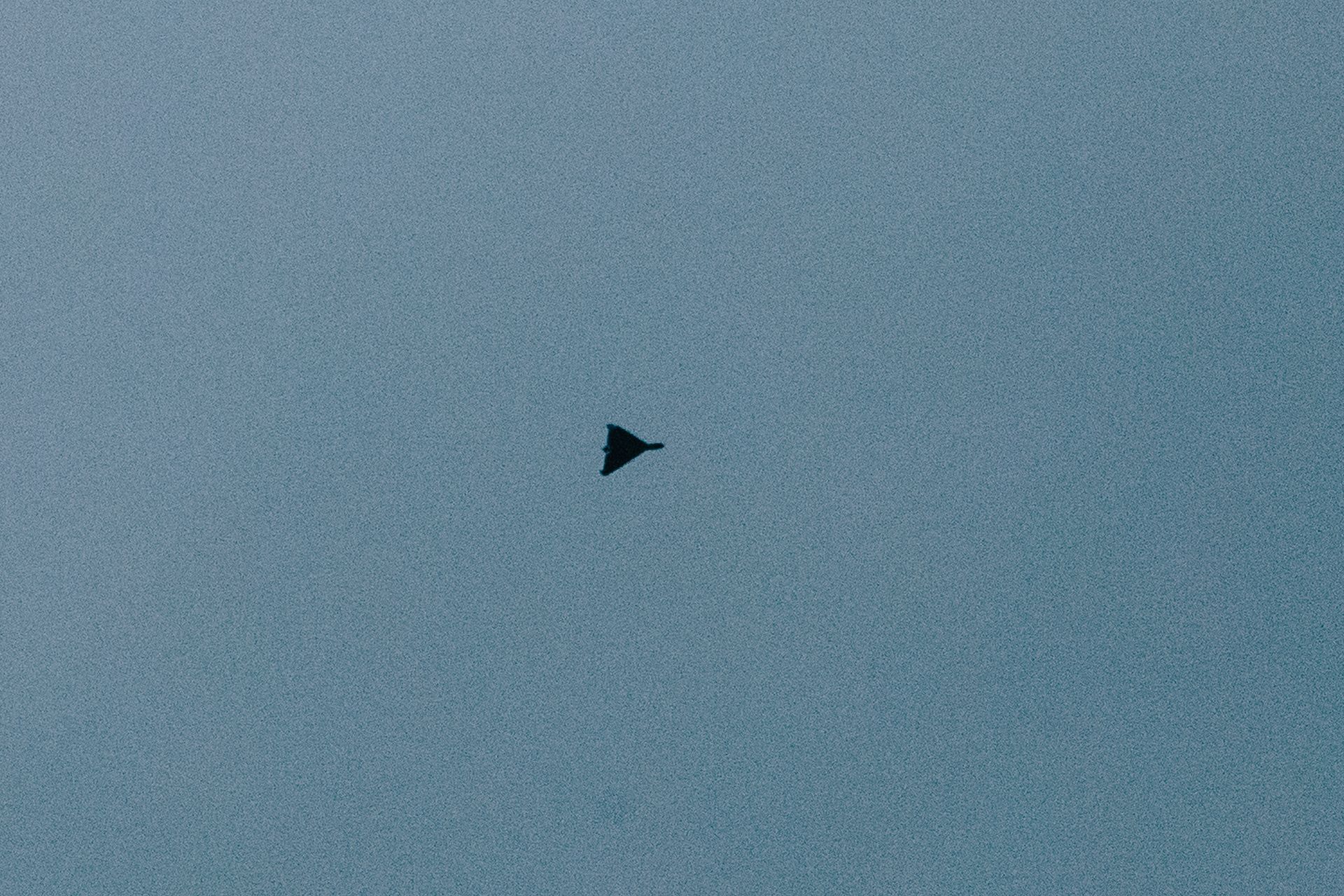
A suspected Russian Shahed-type drone violated Moldovan and Romanian airspace on Sept. 8, forcing airspace closures, emergency alerts, and the scrambling of NATO fighter jets. [1] The Moldovan military detected an "unmanned aerial vehicle" at 4:20 p.m. local time, identifying it as a "Shahed-type" drone that entered the country's airspace from the "direction of… Ukraine." [1] The military monitored the drone until it left Moldovan airspace at 4:37 p.m., heading in the direction of Golaiesti in Romania. [1] Spanish F/A-18 fighter jets, deployed as part of a NATO air-policing mission, were scrambled from Mihail Kogalniceanu Air Base as the drone entered Romanian airspace. [1] Romanian authorities triggered emergency warnings to residents in multiple regions, warning them to "take shelter in basements or civil protection shelters," while Iasi International Airport suspended takeoffs and landings until the drone left the area. [1] Romanian radars lost contact with the intruding drone just after 17:00 local time. [1] The drone ultimately crashed "in the area of Mihaileni Vechi, Republic of Moldova, approximately 25 kilometers (15.5 miles) east of the border with Romania, near Botosani County," according to the Romanian government. [1] Russian drones and missiles have routinely violated the airspace of both Romania and Moldova in recent months. [1] On Aug. 16, NATO fighter jets shot down a suspected Russian drone that violated Romanian airspace near the Moldovan border, the fourth such instance of a suspected Russian drone incursion this year. [1] A day later on Aug. 17, a Russian S8000 Banderol cruise missile entered Moldovan airspace during a Russian attack on Odesa, before crashing in a cornfield approximately 3 kilometers (1.8 miles) outside of the village of Talmaz, in the Stefan Voda district of Moldova. [1]
North Korean Border Crossings Surge in August
North Korean troops have crossed the heavily fortified inter-Korean border on more than 20 occasions last month, military officials said. [2] North Korean soldiers crossed the Military Demarcation Line (MDL) on the eastern front for the first time in mid-August, and they have since repeatedly engaged in border crossings. [2] The number of the MDL crossings by North Korean troops in August surpassed a total of 17 reported cases for the whole of 2025. [2] "Intrusions were detected as North Korean troops have conducted (border fortification) tasks in areas that are yet to be completed," a Joint Chiefs of Staff (JCS) official said. [2] "The intrusion does not seem to constitute changes in North Korean troops' activities or indicate any unusual activity," the official added. [2] Since 2024, North Korea has bolstered border fortification work by installing barbed-wire fences and landmines along the border. [2] The move followed North Korean leader Kim Jong-un's declaration of inter-Korean relations as those between "two hostile states" in late 2023. [2] In response to the border crossing, the South Korean military said it fired warning shots. [2] Under rules of engagement, the military is obliged to issue warning broadcasts when North Korean troops approach the MDL, and fire warning shots when they cross the border. [2] The JCS said it is reviewing ways to step up surveillance along the border, including installing monitoring devices inside the Demilitarized Zone (DMZ) northward. [2]
Houthi Strikes Hit Saudi Oil Sites
The war intensified on Tuesday, September 8, with Iranian-backed Houthis in Yemen launching strikes on several Saudi cities. [5] The Houthis attacked four cities in the south of Saudi Arabia, wounding 73 people and setting oil installations ablaze. [5] The Houthis said they had launched a broad operation deep into Saudi territory, using drones and missiles to strike a Saudi airbase in the southern city of Khamis Mushait as well as Saudi state oil company assets in the cities of Abha, Najran and Jazan. [5] NASA satellite images showed a thick cloud of black smoke over the Jazan refinery and a column of white smoke rising from an oil distribution center in Abha. [5] Saudi authorities described blazes at the sites and said women and children were among the 73 people hurt. [5] Global oil prices rose towards $100 per barrel on Tuesday as renewed fighting in the Middle East heightened fears of further disruptions to crude oil supplies. [4] Brent crude climbed to $99.46 per barrel on Tuesday, its highest level since July 24, before easing to $97 later in the evening. [4] United States West Texas Intermediate crude also rose to its highest level since June 8. [4]
Broader Context of Recent Escalations in Most Dangerous Countries
The Middle East war intensified on Tuesday, September 8, with Iranian-backed Houthis in Yemen launching strikes on several Saudi cities, further embroiling a US ally in the conflict, while US forces hit multiple Iranian oil tankers and Iran targeted a US base in Jordan. [5] The US military’s Central Command said it destroyed five Iranian crude oil carriers on Tuesday in response to Iran’s Islamic Revolutionary Guard Corps targeting a US Navy warship with ballistic missiles twice over the previous two days. [5] “Iran continues to try to hit US naval ships, and for every time they do that or try to do that, they’re going to lose tankers,” US Secretary of State Marco Rubio told reporters. [5] Iran then retaliated with a ballistic missile attack on a US base near Al Azraq town in eastern Jordan, according to an IRGC statement carried on state media. [5] After a month of calm in August, Iran and the US resumed exchanging fire in recent days, driving the price of benchmark Brent crude oil to its highest level since July 23. [5] The war has been marked by a cycle of pauses followed by periodic flare-ups. [5] Russian drones and missiles have routinely violated the airspace of both Romania and Moldova in recent months. [1]
What to watch next: The JCS said it is reviewing ways to step up surveillance along the border, including installing monitoring devices inside the Demilitarized Zone northward, while the Strait of Hormuz has become a major flashpoint in the conflict because of its importance to global oil supplies.