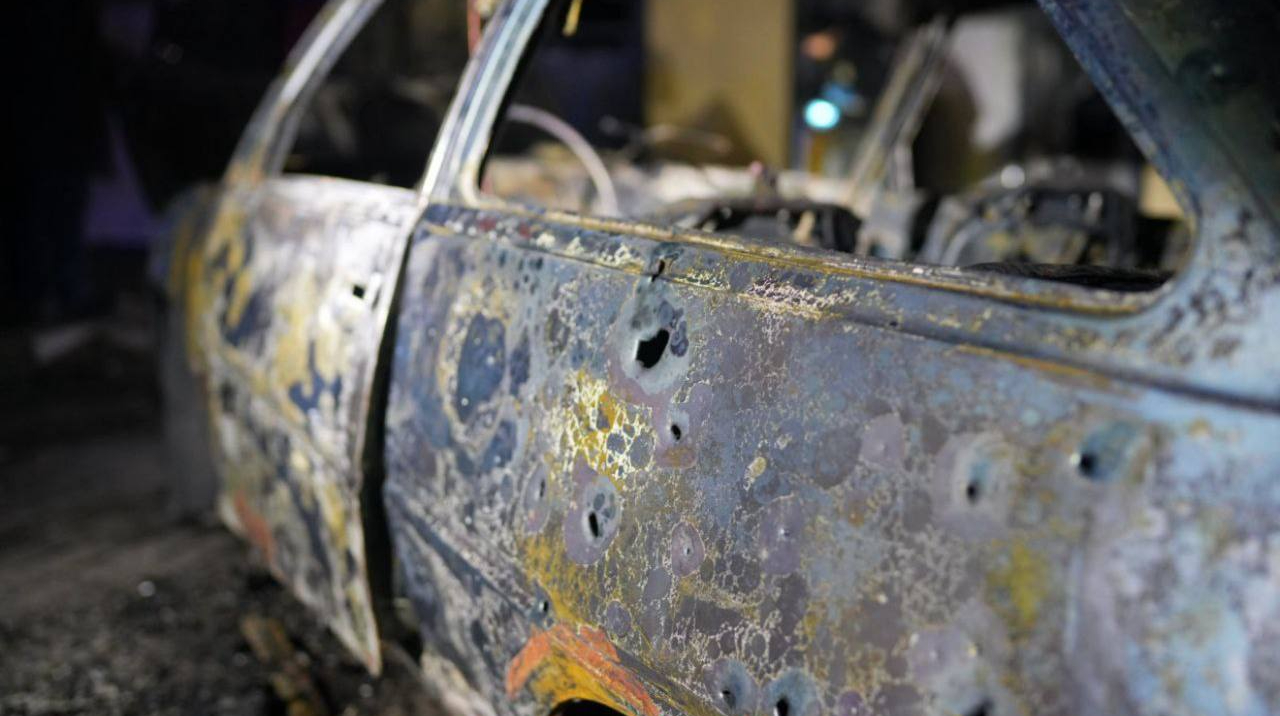
Most Dangerous Countries Face New Escalations as Russia Threatens Ukraine Fortress Belt
Multiple active conflicts continue to drive displacement, civilian casualties and regional instability across Ukraine, the Democratic Republic of Congo, Afghanistan, the occupied West Bank and Yemen, with Iran-backed groups still conducting attacks despite pressure on Tehran, as most dangerous countries confront fresh escalations on several fronts.
Ongoing Conflicts Drive Global Displacement and Casualties
Multiple active conflicts continue to drive displacement, civilian casualties and regional instability across Ukraine, the Democratic Republic of Congo, Afghanistan, the occupied West Bank and Yemen, with Iran-backed groups still conducting attacks despite pressure on Tehran. [1] [2] [3] [4] [5] The breadth of these crises shows how armed violence, combined with other pressures, sustains population movements and loss of life in the most dangerous countries. Reports detail how clashes generate significant population movements while yearly death tolls climb and international attention wanes in several locations. Iran-backed actors maintain operations that test remaining influence even amid broader constraints on Tehran.
Russia Threatens Ukrainian Defenses
Ukraine’s battlefield optimism is ebbing as Russia threatens its ‘fortress belt’. [4] This development signals a shift in momentum on the front lines, where earlier expectations have given way to concern over advancing Russian positions. The pressure on key defensive lines underscores the ongoing strain on Ukrainian forces amid sustained Russian advances. Observers note that this threat to the fortress belt area reflects broader challenges in maintaining defensive positions against intensified Russian operations.
Escalating Violence and Displacement in Eastern DRC
Armed conflict remains the main driver of displacement in eastern Democratic Republic of Congo in August 2026, with clashes involving AFC/M23, FARDC, Wazalendo and ADF groups generating significant population movements, especially in South Kivu. [2] South Kivu remains the main displacement hotspot among the provinces affected. The proliferation and geographic expansion of clashes involving the AFC/M23, the FARDC and Wazalendo groups continued to generate significant population movements, compounded by ADF attacks against civilians in Ituri. [2] These dynamics illustrate how multiple armed actors sustain cycles of violence and forced movement in the region.
Afghanistan’s Deepening Humanitarian Crisis
Families in Afghanistan face a worsening crisis driven by displacement, conflict, climate shocks and gender discrimination, with the country largely abandoned by the international community. [3] The crisis is worsening month-on-month as these combined factors intensify hardships for households across the country. Norwegian Refugee Council’s Secretary General Jan Egeland warned during a visit this week that the country has been utterly abandoned with terrible consequences for women and girls. [3] Afghanistan was at the centre of the international community’s attention in prior periods but now faces isolation that compounds the effects of ongoing displacement and climate shocks.
Palestinian Deaths Rise in West Bank
Israeli forces and settlers killed four Palestinians in the West Bank over the past 24 hours, bringing the death toll in the occupied territory to 100 so far this year. [5] The killings occurred in Nablus, Qalqilya and Tulkarm, according to the Palestinian Health Ministry. [5] This raises the death toll of Palestinians in the occupied West Bank since the start of the year to 100. [5] The latest killings come amid an escalation in Israeli violence targeting Palestinians and their properties across the West Bank. [5] Mourners attended a funeral for a Palestinian killed during an Israeli settlers' attack in the village of Hajja near Qalqilya on 7 September 2026. [5]
Houthis Test Iran’s Remaining Influence
Iran-backed Houthis are escalating attacks against Saudi Arabia, serving as a test of what remains of Tehran’s Axis of Resistance after months of war and mounting pressure on Iran. [1] The escalating battle between Saudi Arabia and the Iran-backed Houthis may be a test of what remains of Tehran’s Axis of Resistance after months of war and mounting pressure on Iran itself. [1] These actions demonstrate that Iran-backed groups continue operations even as Tehran faces sustained external constraints.
What to watch next: Continued clashes in eastern DRC could sustain population movements in South Kivu, while further Houthi escalations may probe the remaining reach of Iran’s Axis of Resistance amid ongoing pressure on Tehran.