Most Dangerous Countries Face Iranian Warning on Strait of Hormuz Closure
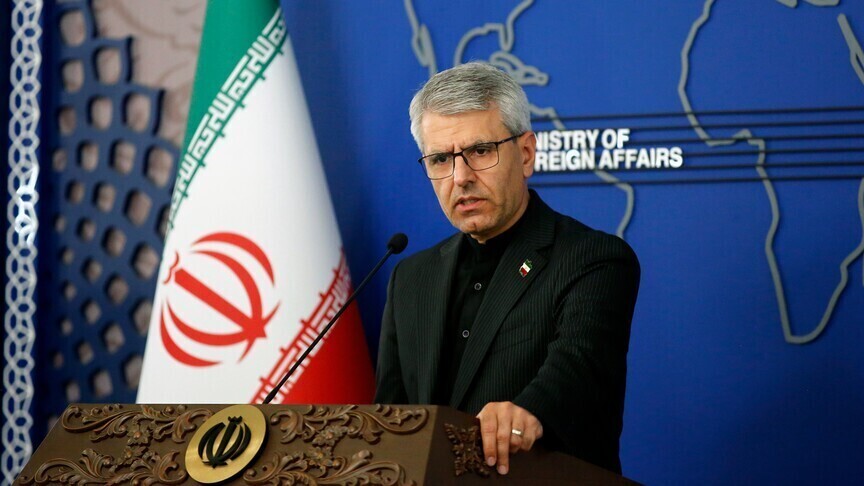
Iranian officials have warned most dangerous countries that the Strait of Hormuz will remain closed until Washington meets seven specific conditions, while declaring that no military solution exists to the conflict with the United States.
Iran Rejects Military Solution to US Conflict
Iranian Foreign Minister Abbas Araghchi declared that there was no military solution to his country’s conflict with the United States. [1] Araghchi said that if enemies again choose the path of military confrontation, the response will be stronger than before and Iran will defend itself with even more force. [1] He added that only negotiations based on justice and fairness could end the conflict. [1] Araghchi spoke at a gathering of foreign ambassadors amid an impasse in talks. [1] A campaign of heavy bombardment had failed to bring a decisive close to the war launched by the US and Israel in late February. [1]
Strait of Hormuz Tied to Seven Conditions for Most Dangerous Countries
Parliament Speaker Mohammad Baqer Ghalibaf said the Strait of Hormuz will not reopen until the United States meets seven conditions outlined in the June Islamabad Memorandum of Understanding. [2] Those conditions include lifting the US blockade of Iranian ports, removing oil sanctions, releasing frozen Iranian assets and ending US threats and military operations against Iran. [2] Ghalibaf stated that Iran’s position was clear and firm and that the country would continue pursuing diplomacy while maintaining military readiness. [2] Iranian Foreign Minister Abbas Araghchi separately said that Tehran’s latest proposal could allow the Strait of Hormuz to reopen within seven days if Washington accepts Iran’s conditions. [2] The dispute over the waterway has become a central issue in the broader US-Iran conflict. [2]
Latest Indirect Talks and US Response
Iranian and US officials last week held indirect talks on the sidelines of the United Nations General Assembly. [1] Tehran presented seven conditions for reopening the strait during those discussions. [1] The two sides have continued indirect discussions through regional mediators including Qatar and Pakistan. [2] US President Donald Trump rejected the proposal while leaving the door open both to further talks and renewed military operations. [1] Trump is pondering an escalation of the war and is expected to decide on a move soon, saying the only question is it will either be the easy way or the hard way. [3] The United States has not struck Iran since 1 September. [1]
New Civilian Military Training Centre Opens
Iran opened a military training centre in Tehran on Saturday aimed at preparing citizens to confront US and Israeli forces in the event of a ground attack. [5] The new centre at Haft-e Tir Square followed a first camp at Imam Hussein Square and hopes to train civilians in the coming weeks. [5] Footage from the centre showed army members conducting drills with camouflage-painted anti-aircraft equipment, crossing obstacle courses and using virtual reality headsets to train with weapons. [5] At a news conference, Ali Kowsari, deputy for training at the Basij organisation, said 1,000 battalions had been prepared for training. [5] Kowsari stressed the importance of civil defence across society and said Iranians would stand united against any new attack if the enemy made another miscalculation. [5] US-Israeli attacks on 28 February triggered seven months of conflict. [5]
Broader Regional Context and US Deliberations
Washington in recent weeks has dialled back military operations in favour of economic pressure. [1] Top Trump cabinet members met Friday to discuss the war in Iran as well as the conflict in Yemen where the Tehran-backed Houthis have been fighting government forces and attacking Saudi Arabia. [1] In Yemen the internationally recognised Saudi-backed government said that it had launched strikes against the Houthis in the capital Sanaa as well as in Taiz and Saada. [3] Portugal’s Public Prosecutor’s Office has opened an inquiry into whether the United States’ use of Lajes Air Base in the Azores during the conflict with Iran complied with Portuguese and international law. [4] The June memorandum had envisaged negotiations on broader issues over a 60-day period but the agreement later collapsed. [2]
What to watch next: Mediators are continuing efforts to broker an arrangement that would reopen the strait while addressing the blockade and sanctions, with Washington seeking Iranian commitments on nuclear issues including access for international inspectors.