
Safest Countries in the World Benefit as Iran Ties Strait of Hormuz Reopening to Seven US Conditions
Iran has stated that the Strait of Hormuz will not reopen until the United States meets seven specific conditions outlined in a June interim agreement, with the waterway's security now the main focus of talks to end the conflict, a development that carries implications for safest countries in the world reliant on stable energy routes.
Current Iranian Position on the Strait of Hormuz
Iran's parliament speaker Mohammad Baqer Qalibaf said the Strait of Hormuz will not reopen until the seven conditions based on the Islamabad Memorandum of Understanding are met. [2] Iran presented a proposal at the UN General Assembly under which the strait could reopen and normal maritime passage restored within seven days if conditions are fulfilled, with the US replying via Qatari intermediaries. [3] A Foreign Ministry spokesperson emphasized that the current focus is on the Strait of Hormuz and that restoring security requires clear steps from the US. [1] The position of the Islamic Republic of Iran is completely clear and firm, and the Strait of Hormuz will not be opened until the seven conditions are met, Qalibaf stated. [3] Washington must understand that the period of dragging out the diplomatic process and dictating one-sided demands is over, according to the parliament speaker. [3]
Details of the Seven Conditions and Islamabad Memorandum
The seven conditions referenced by Qalibaf are based on the Islamabad Memorandum of Understanding, an interim agreement reached between Iran and the United States in June. [4] Earlier reporting indicated Iranian conditions have included lifting the US blockade of Iranian ports, removing oil sanctions, releasing frozen Iranian assets and ending US threats and military operations against Iran. [4] The June memorandum of understanding led to a brief ceasefire and included provisions on the strait and Iran's nuclear programme. [3] The June memorandum had envisaged negotiations on broader issues over a 60-day period, but the agreement later collapsed. [4] The document being circulated outlines a seven-day period of trust-building aimed at returning the two sides to an enhanced version of the memorandum of understanding agreed in June. [3]
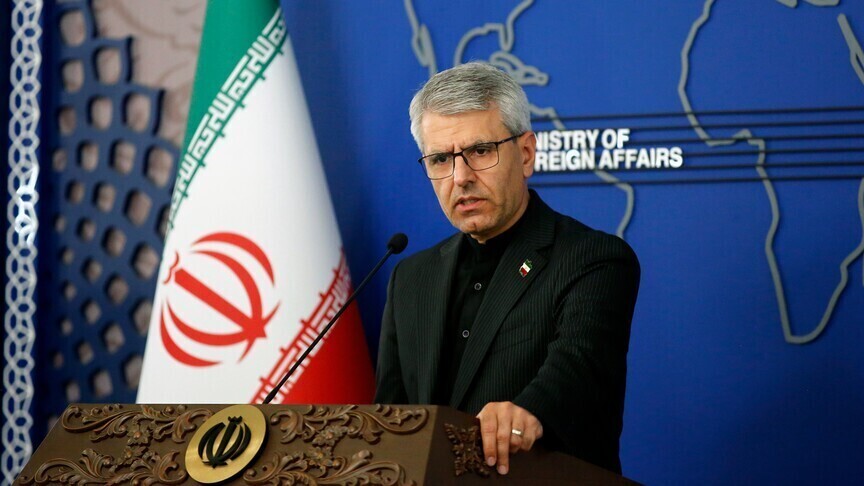
Iranian parliament speaker Mohammad Baqer Qalibaf addresses Strait of Hormuz reopening conditions. — Source: newsmax
Recent Diplomatic Exchanges Through Mediators
Iran presented a proposal during the United Nations General Assembly under which the Strait of Hormuz waterway could be reopened and normal maritime passage restored within seven days if the conditions were met, with the US replying to this proposal last week via Qatari intermediaries. [3] The two sides have continued indirect discussions through regional mediators, including Qatar and Pakistan. [4] Qatar has been shuttling messages between Washington and Tehran in an effort to end the conflict and reopen the Strait of Hormuz. [3] A Foreign Ministry spokesperson said on Sunday that Tehran had clarified its broad positions via mediators to the US response but that additional points remained to be communicated to Washington. [3] The disagreement centres on the sequencing of the steps rather than the components of the plan. [3] The Americans' propositions are more or less in line with their previous positions, specifically on the nuclear issue, the spokesperson noted. [3]
Iran's Rejection of Nuclear Linkage
The Foreign Ministry spokesperson denied Tehran had offered UN nuclear watchdog inspections of its nuclear facilities in exchange for US sanctions relief. [3] The spokesperson said Iran had not entered into nuclear discussions with Washington. [3] Tehran clarified that its focus at this stage is the issue of the Strait of Hormuz. [3] The return to security in this waterway requires clear steps from the US, according to the Foreign Ministry. [1]
Iran parliament speaker Mohammad Baqer Qalibaf speaks during a session on the Strait of Hormuz. — Source: channelnewsasia
Military Readiness and Warnings from Tehran
Foreign Minister Abbas Araqchi told foreign ambassadors and diplomats in Tehran on Sunday that Tehran hoped Washington would choose diplomacy but warned that Iran was prepared to respond if the US again chose military action. [3] If they again move towards military solutions, we are more prepared than before and will take whatever action is necessary to defend ourselves, Araqchi said. [3] On Thursday, sources indicated Iran was preparing a broader and more forceful response if Washington resumed large-scale military attacks. [3] Army spokesperson Mohammad Akraminia told Fars news agency on Sunday that Iran would upgrade the range of its missiles. [3] Iranian Foreign Minister Abbas Araghchi separately said Sunday that Tehran’s latest proposal could allow the Strait of Hormuz to reopen within seven days if Washington accepts Iran’s conditions. [4] He said Iran preferred a diplomatic solution but was prepared to respond if the United States resumed military action. [4]
Strategic Importance of the Strait and Broader Context
The Strait of Hormuz was a conduit for a fifth of the world's oil and LNG before the war that began with US and Israeli attacks on Iran at the end of February. [3] The dispute over the waterway has become a central issue in the broader US-Iran conflict. [4] The Strait of Hormuz is a major route for global energy shipments, and efforts to restore safe commercial navigation have been complicated by military confrontations, sanctions and the US blockade of Iranian ports. [4] Mediators are continuing efforts to broker an arrangement that would reopen the strait while addressing the blockade and sanctions. [4] Under a proposal discussed by mediators, the strait could be reopened first, followed by the lifting of the US blockade and sanctions, while Washington is seeking Iranian commitments on nuclear issues. [4] The latest statements suggest that reopening the Strait of Hormuz remains closely tied to the wider diplomatic dispute between Tehran and Washington. [4]
What to watch next: Mediators including Qatar and Pakistan continue shuttling messages as both sides maintain pressure while pursuing a negotiated settlement, with the future of the waterway remaining uncertain.







