
Middle East Strike Unmasked: Qatar's Ras Laffan LNG Attack, Social Media Echoes and Migrant Worker Plight Amid Escalating Tensions
Introduction: The Viral Storm of the Middle East Strike on Qatar
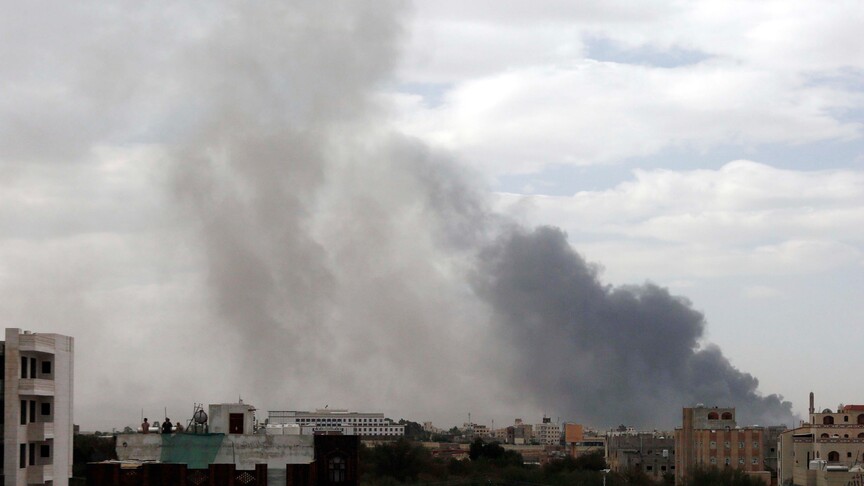
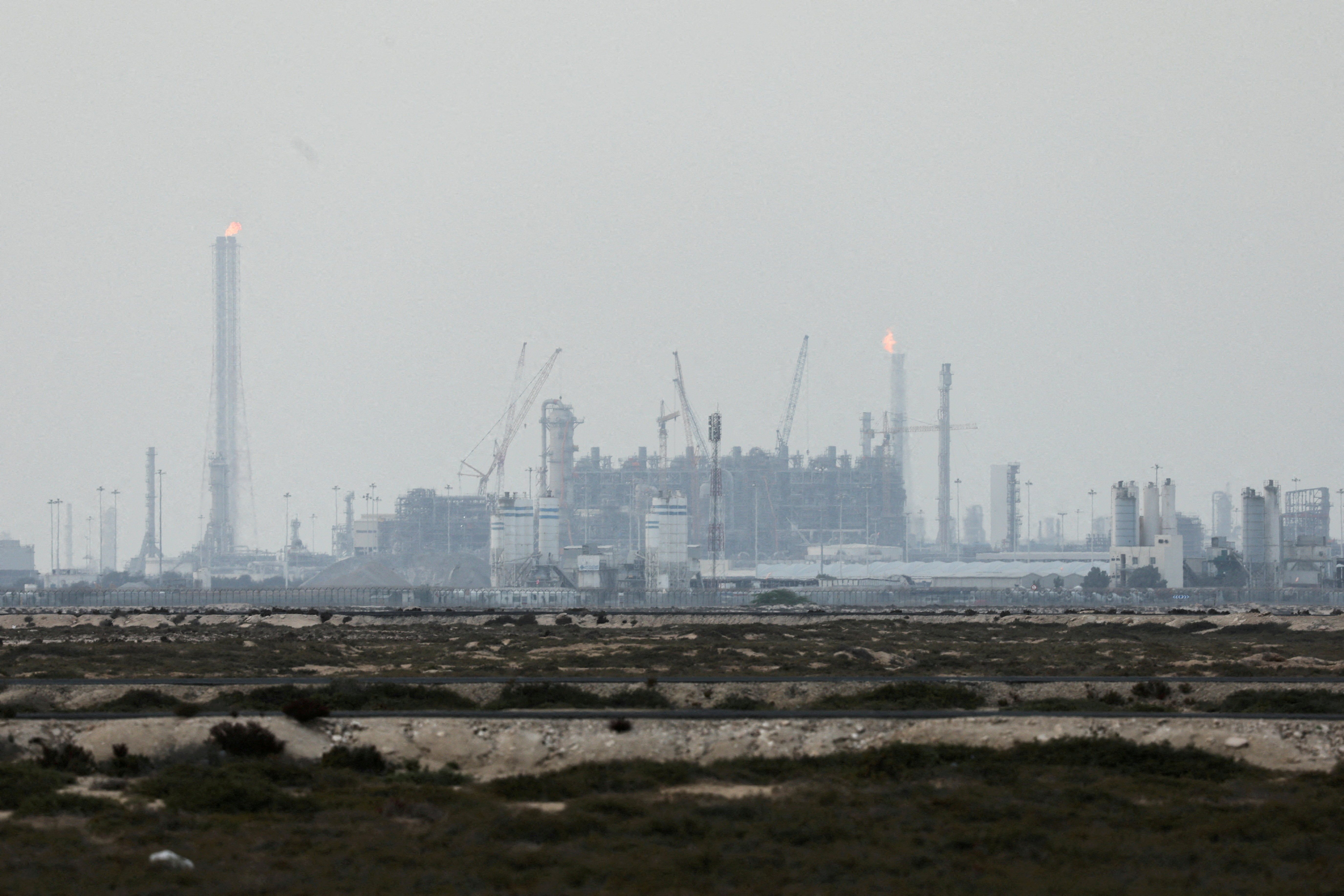
In the span of just a few weeks, what began as distant geopolitical rumblings has erupted into a global digital firestorm, with Qatar's Ras Laffan LNG facility—the world's largest—now at the epicenter of this devastating Middle East strike. On March 18, 2026, an Iranian missile strike inflicted extensive damage, wiping out an estimated 17-20% of Qatar's LNG capacity, potentially sidelining it for up to five years. But beyond the headlines of energy disruptions, social media has transformed this Middle East strike crisis into a trending phenomenon, amplifying the human stories that official narratives often sideline. This event, part of broader Middle East strike escalation, underscores rising tensions in the region.
Platforms like Twitter (now X), TikTok, and Instagram have exploded with hashtags such as #QatarStrike, #RasLaffanAttack, and #MigrantVoicesQatar, garnering millions of views in days. User-generated content—raw videos of smoke billowing from the facility, heartfelt pleas from expatriate workers, and threads detailing family separations—has shifted the conversation from abstract tensions to visceral human suffering. A viral TikTok from a Nepali migrant worker, viewed over 5 million times, shows families huddled in makeshift camps, captioned: "We built Qatar's dreams, now we're living its nightmares. #EndTheExploitation."
This digital amplification underscores the article's unique lens: the underreported social and human repercussions. While much coverage fixates on energy markets or military posturing, the real trending force lies in the plight of Qatar's migrant workforce—over 2 million strong, predominantly from South Asia—who form the backbone of its energy sector. These workers, facing job insecurity, displacement, and heightened fears amid the Middle East strike's fallout, are voicing their stories online, reshaping global perceptions. Local Qatari communities, too, grapple with disrupted daily lives, from school closures to strained social fabrics. As social media turns personal anguish into collective outrage, it sets the stage for examining how this Middle East strike exposes deep-seated vulnerabilities in a nation built on expatriate labor, far from the geopolitical spotlight. For broader context on regional mediation efforts, see Qatar's Geopolitical Chessboard.
The Middle East Strike's Human Toll: Migrant Workers in the Crossfire
Qatar's energy sector, particularly Ras Laffan, relies heavily on migrant workers from India, Nepal, Bangladesh, Pakistan, and the Philippines, who endure grueling conditions to maintain the facilities that power global energy needs. These workers, often bound by the kafala sponsorship system, live in labor camps with limited rights, earning modest wages while sending remittances home—critical lifelines for families in origin countries.
The March 18 Middle East strike has intensified these vulnerabilities exponentially. Reports from social media and eyewitness accounts describe immediate evacuations, with thousands displaced from camps near the facility. A Twitter thread by @GulfLaborWatch, retweeted over 10,000 times, details workers abandoning possessions amid chaos: "Iran's missile didn't just hit gas plants—it shattered lives. Families separated, no pay, no safety nets." Anecdotal evidence abounds: Instagram Reels show Indian workers queuing for emergency aid, while TikToks from Bangladeshi laborers lament unpaid wages and fears of deportation.
Safety concerns have skyrocketed. Pre-strike, workers already faced heat-related illnesses and long hours; now, unexploded ordnance risks and facility shutdowns compound dangers. Job losses loom large, with contractors halting operations, echoing historical Gulf labor crises like the 2012 Bahrain unrest or UAE camp fires that killed dozens. Original analysis reveals a pathway to entrenched inequality: without reforms, this could foster underground economies, increased debt bondage, and mental health epidemics among returnees. Social media posts hint at budding activism—hashtags like #FreeQatarWorkers trending alongside petitions for International Labour Organization intervention—potentially galvanizing a diaspora network for sustained advocacy. In Qatar's tightly controlled society, this human toll risks fracturing the social contract, where expatriates' contributions are vital yet undervalued. Similar dynamics are unfolding in nearby UAE strikes.
Historical Escalation: From Israeli Attacks to the Middle East Strike on Qatar
The strike on Ras Laffan didn't occur in isolation; it's the culmination of a rapid escalation rooted in regional proxy conflicts, with profound social ripple effects. The timeline begins on February 28, 2026, when Israel launched attacks on Iranian targets, prompting immediate US and UK travel advisories for Qatar. Expatriate communities, already on edge, began stockpiling supplies and reconsidering long-term stays, as seen in early Reddit threads from Doha residents: "Advisories hit like a warning shot—families packing bags." This escalation ties into ongoing Middle East strike ignites Iran's internal upheaval.
Tensions boiled over on March 9 with Iranian strikes on the Doha region, shaking social stability. Schools closed, markets emptied, and migrant workers reported heightened xenophobia, with social media capturing anti-Iranian sentiment clashing with worker pleas for neutrality. March 11 saw Iran target US bases in the Gulf, further eroding trust; TikTok videos from affected areas showed expatriate families fleeing to safer emirates, accelerating internal migration patterns.
By March 18, the missile hit Ras Laffan, "extensive damage" confirmed across reports. This sequence mirrors historical patterns—like the 2019 Abqaiq attacks or Yemen's Houthi strikes—where proxy wars displace the vulnerable. Socially, it has primed Qatar for shifts: increased fear among the 88% expatriate population fosters community silos, with Qataris retreating into enclaves and migrants forming solidarity networks online. Original insights highlight evolving migration: post-9/11 Gulf inflows reversed temporarily; here, skilled workers may eye alternatives like Saudi Vision 2030 projects, while unskilled laborers face return to unstable homelands, exacerbating South Asian poverty cycles. Track these shifts via the Global Risk Index.
Social Media's Role: Amplifying Voices and Misinformation
Social media has been the megaphone for this Middle East strike crisis, turning Qatar into a trending global topic. Twitter's real-time threads from verified journalists and residents contrast sanitized official statements—Qatar's emir urging de-escalation— with unfiltered chaos. A case study: #DohaUnderFire peaked at 2 million tweets post-March 9 strikes, blending worker testimonies with viral maps of impact zones.
TikTok's short-form virality shines: A video series by @QatarExpatLife, with 15 million views, documents camp life pre- and post-strike, humanizing the abstract. Platforms have driven awareness, pressuring brands like Adidas (tied to Qatar events) to address labor issues. Yet, it's a double-edged sword. Misinformation proliferates—fake videos claiming worker massacres garnered 500k shares before debunking—exacerbating divisions. Arabic TikToks stoke nationalism, while English ones globalize sympathy.
Original analysis draws parallels to the 2020 Beirut port explosion, where social media spurred aid but also conspiracies. Here, it could catalyze international pressure via Amnesty International campaigns, but risks inflaming sectarian divides in Qatar's Sunni-Shia expatriate mix.
Original Analysis: Social Shifts in a Volatile Region
This Middle East strike accelerates profound social metamorphoses in Qatar and the Gulf. Demographically, Qatar's 300,000 citizens dwarfed by 2.5 million migrants face flux: facility outages may prompt workforce culls, altering the 12:1 expatriate ratio and straining services. Labor rights demands could surge, inspired by 2014 World Cup protests.
Compared to Arab Spring movements, where social media ignited uprisings, this event underscores energy-dependent resilience—or fragility. Cultural impacts linger under-discussed: Bollywood influences among Indian workers blend with Qatari traditions, now tested by isolation. Energy disruptions erode social cohesion, fostering resilience through digital communities but risking balkanization.
The timeline reveals patterns: Each escalation layers trauma, from advisories priming anxiety to strikes catalyzing action. Fresh perspectives posit societal pivots—reforms like kafala abolition—or backlash, with Qataris prioritizing nationals amid scarcity. Environmental implications of such strikes are detailed in Qatar's Gas Strike: The Environmental Wake-Up Call.
Catalyst AI Market Prediction
While this report centers on human dimensions, market tremors reflect the crisis's breadth. The World Now Catalyst AI forecasts:
- OIL: + (high confidence) — Direct strikes on Iranian oil facilities and Qatar gas plant reduce global supply by 2-5%, spiking prices. Historical precedent: 2019 Saudi Aramco attacks (+14% in one day). Key risk: Quick restarts.
- SPX: - (medium confidence) — Geopolitical risk-off de-risking equities. Precedent: 2022 Ukraine invasion (-2% in 48h).
- EUR: - (medium confidence) — USD safe-haven strength amid energy costs. Precedent: 2022 Ukraine (-2%).
- USD: + (medium confidence) — Flight-to-quality. Precedent: 2019 US-Iran tensions (+1% DXY).
- BTC: Mixed — Risk-off pressure (-) vs. institutional demand (+), with medium confidence downside.
Predictions powered by Catalyst AI — Market Predictions. Track real-time AI predictions for 28+ assets.
Predictive Outlook: What Lies Ahead for Qatar and Beyond
Social unrest brews among migrants: Organized protests, like those in 2022 Qatar, could emerge if displacements persist, demanding reforms. Social media trends may spur global boycotts—echoing Qatar World Cup backlash—or diplomatic nudges via ILO.
Long-term: Migration shifts to UAE/Saudi; persistent tensions heighten instability, with digital activism either de-escalating via empathy or intensifying via echo chambers. Historical patterns (e.g., 1991 Gulf War displacements) suggest 10-20% expatriate exodus, reshaping demographics.
Conclusion: Charting a Path Forward
This article unmasks the Middle East strike's human core—migrant plight, social media's echo chamber, regional scars—driving its viral trend. Greater focus on platforms' crisis role is imperative for nuanced management.
Forward, energy nations must build resilience: inclusive policies, digital literacy against misinformation. In Qatar's crucible, social solidarity could forge a more equitable future amid volatility.