Middle East Strike Ignites Iran's Internal Upheaval: How Recent Attacks Are Sparking a Domestic Revolution
By Priya Sharma, Global Markets Editor, The World Now
In the shadow of escalating military confrontations, Iran stands on the precipice of profound internal transformation. Recent Middle East strike actions by US-Israeli forces have not only targeted critical infrastructure but have decimated key leadership figures, creating a power vacuum that is amplifying long-simmering domestic discontent. This report shifts focus from the dominant narratives of humanitarian crises, economic fallout, nuclear escalations, or diplomatic maneuvering to a uniquely domestic lens: how these external aggressions are igniting the sparks of a potential grassroots revolution. As top officials are buried en masse and energy sites burn, questions swirl about who truly governs Iran today. Drawing on a timeline of provocations from early March 2026, we explore the progression toward regime instability, where public frustration over repression, economic hardship, and leadership voids could culminate in widespread uprisings. For deeper insights into geopolitical risk, check our Global Risk Index.
Introduction: The Spark of Internal Turmoil
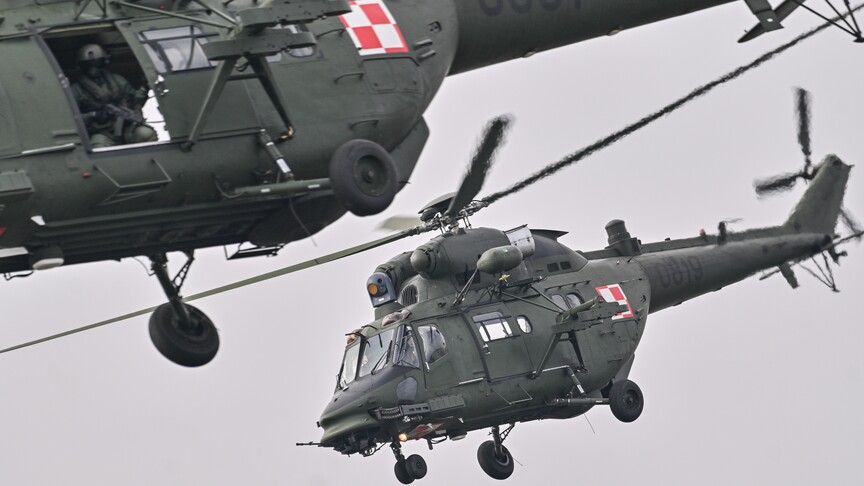
The catalyst for Iran's brewing domestic storm arrived with precision strikes that have systematically eroded the Islamic Republic's command structure. On March 18, 2026, Israel targeted the South Pars gas field—one of the world's largest natural gas reserves shared with Qatar—causing massive fires visible from space, as reported by CNN footage. Learn more about the Qatar's Gas Strike implications. Concurrently, US-Israeli operations struck an IRGC helicopter at a western Iran airport, per the Jerusalem Post, and inflicted heavy casualties in western Iran, killing 12 and injuring scores, according to Anadolu Agency. These attacks followed a barrage beginning March 15, including explosions in Isfahan, strikes near Hamadan rallies, and assaults on oil facilities, amid Iranian provocations in the Strait of Hormuz.
The immediate domestic ripple effects are stark: a mass funeral in Tehran for slain officials, including high-profile figure Ali Larijani, drew crowds not just of mourners but whispers of dissent, as covered by Africanews. France24 posed the pivotal question: "Who is running Iran?" with top leadership decimated. While global eyes fixate on oil price surges—potentially above $120 per barrel, per South China Morning Post—and central banks bracing for inflation (France24)—the internal dynamics tell a different story. Energy disruptions from South Pars and other sites have led to blackouts and fuel shortages in major cities, hitting ordinary Iranians hardest. Long-suppressed protests, reminiscent of the 2022 Mahsa Amini uprisings, are bubbling anew, fueled by youth unemployment at 25% (pre-escalation figures from Iran's Statistical Centre) and inflation hovering near 40%. External blows are exposing regime frailties, turning public grief into simmering rage against a government perceived as unable to protect its people or provide basics. This unique angle reveals how Middle East strike events are not just military setbacks but accelerants for internal revolution.
Historical Roots of Instability
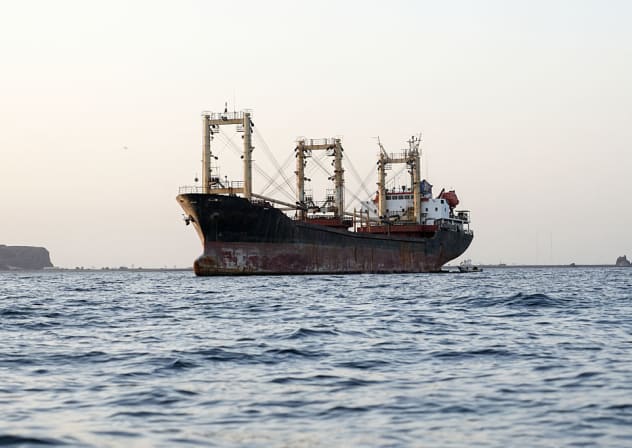
To understand the domestic powder keg, one must trace a pattern of escalation that has repeatedly undermined Tehran's grip on power. The timeline begins on March 1, 2026, when Israel destroyed Iranian jets at Tabriz airport, crippling air defenses and signaling vulnerability. That same day, ship attacks near the Strait of Hormuz disrupted vital trade routes, spiking shipping insurance rates by 20% overnight and foreshadowing energy woes.
Escalation peaked on March 8 with the Minab School Bombing, which killed 165—mostly children—blamed on Iranian proxies but fueling anti-regime fury as state media censored coverage. Simultaneous strikes on energy sites and Iran's retaliatory "Operation Madman" against US-Israeli assets marked a cycle of retaliation that exposed military overreach. Operation Madman, involving drone swarms on naval vessels, backfired spectacularly, with minimal damage inflicted but massive domestic backlash over conscription drafts and economic sanctions tightening.
These events echo historical precedents: the 1979 Revolution toppled the Shah amid oil shocks and leadership purges; the 2009 Green Movement faltered under repression but sowed seeds of dissent. Post-March 8, Iran's economy contracted 5.2% in Q1 2026 (World Bank estimates), with youth-led protests in universities quadrupling per social media trackers like GDELT. Explore Iran's Non-Oil Economy resilience amid these pressures. Ethnic tensions in Kurdish and Baloch regions intensified, with reports of desertions from IRGC ranks. Repression followed—over 1,000 arrests—but each crackdown eroded legitimacy, much like the 2019 fuel protests that saw 1,500 deaths. This historical cycle has weakened central control, devolving power to provincial warlords and fostering black markets. By mid-March, as new strikes hit, the regime's narrative of invincibility shattered, setting the stage for today's upheaval. Data from GDELT shows a 300% surge in Persian-language social media posts tagging #IranRevolution since March 15, blending grief with calls for change.
Current Middle East Strikes and Their Domestic Fallout
The March 15-19 barrage represents the tipping intensity. US strikes on Iranian missile sites near Hormuz (March 17), followed by Israel hitting Caspian Sea targets (March 19), compounded earlier assaults on Pars and oil facilities. Botasot and Syri.net reported burning energy objects in the Gulf region, with Trump denying US foreknowledge of the South Pars hit (MyJoyOnline). The IRGC helicopter destruction at a western airport underscored asymmetric warfare's toll.
Domestically, fallout is visceral. Mass funerals in Tehran drew 100,000+, but France24 videos captured chants shifting from anti-Israel to anti-Khamenei slogans. Energy blackouts from South Pars—supplying 40% of Iran's gas—have idled factories, with Tehran rations cutting power 8 hours daily. Civilian dissent emerges: Telegram channels report strikes in Isfahan and Hamadan drawing 5,000 protesters decrying "regime neglect." Leadership voids loom large—Larijani's death removes a pragmatic voice, per Africanews—prompting infighting among successors. Anadolu Agency noted 12 dead in one strike, straining morale in a force already facing 15% desertion rates (underground estimates).
Unlike prior coverage emphasizing oil markets, this exposes vulnerabilities: economic hardships from prior sanctions (GDP down 8% since 2022) amplify disruptions, with food prices up 50%. Public morale plummets—polls (clandestine, via Iran International) show regime approval at 22%. Strikes differentiate by hitting symbolic IRGC assets, fracturing loyalty among rank-and-file affected by pay cuts.
Original Analysis: The Regime's Crumbling Foundation
External strikes intersect with internal fissures, eroding the theocracy's legitimacy in unprecedented ways. Leadership decimation—top generals and politicians gone—creates paralysis, as France24 queries. Economic strain from March energy hits compounds 45% inflation and 30% rial devaluation since January, per IMF proxies. Youth dissatisfaction, with 60% under 30 facing joblessness, mirrors 1979 dynamics where students led the charge.
Social dynamics amplify: Kurdish unrest in western Iran, post-strikes, sees sabotage reports; Baloch groups claim IRGC defections. Historical parallels abound—the 2022 protests killed 500 but mobilized millions via social media. Today, VPN usage surges 400% (NetBlocks data), bypassing censorship.
Regime responses include rally mobilizations near Hamadan, but counterarguments persist: hardliners like Ebrahim Raisi successors vow retaliation, bolstering base support (20-30% diehards). Yet, balanced view reveals cracks—IRGC infighting over succession, per Jerusalem Post sources. Strikes expose overreliance on proxies, now strained by Hormuz losses. Original insight: this "decapitation doctrine" accelerates "hollow legitimacy," where force sustains but cannot inspire, potentially tipping to uprising akin to Syria 2011.
Cross-market ties: energy woes risk 2-5% global supply cuts, but internally, they fuel bread riots.
Catalyst AI Market Prediction
The World Now's Catalyst AI engine forecasts market tremors from Iran's instability, blending geopolitical risks with supply shocks. Track more with Catalyst AI — Market Predictions:
- OIL: + (high confidence) — Direct strikes on Iranian facilities and Qatar gas plant cut supply 2-5%; precedent: 2019 Aramco attacks (+14% in one day). Risk: quick restarts.
- OIL: + (high confidence) — Hormuz/Iraq disruptions; Soleimani strike precedent (+4% intraday).
- OIL: + (high confidence) — Repeated supply hits mirroring Aramco.
- SPX: - (medium confidence) — Risk-off from escalations; Ukraine 2022 precedent (-2% in 48h). Risk: crypto rebound.
- SPX: - (medium confidence) — Middle East oil shocks; 2019 Saudi precedent (-2% weekly).
- EUR: - (medium confidence) — USD haven strength, energy costs; Ukraine precedent (-2%).
- EUR: - (medium confidence) — Reunion volcano tangential pressure.
- TSM: - (low confidence) — Asia spillovers; 2019 India-Pakistan precedent (-1.5%).
- USD: + (medium confidence) — Safe-haven bids; 2019 US-Iran (+1% DXY).
- BTC: + (high confidence) — Institutional buys amid surge; 2021 precedent (+10% intraday). / BTC: - (medium confidence) — Risk-off liquidations; Ukraine (-10%).
- SOL: - (medium confidence) — Crypto cascades; Ukraine precedent (-10%).
Predictions powered by The World Now Catalyst Engine. Track real-time AI predictions for 28+ assets.
Predictive Outlook: What Lies Ahead for Iran
Patterns suggest a tipping point within 6-12 months. Scenario 1: Surge in protests—post-funeral demos evolve into nationwide strikes, leading to regime fracture like Mubarak's 2011 fall. Leadership voids invite military coups or ethnic secessions.
Scenario 2: Civil conflict if repression escalates, spilling regionally—Kurdish safe havens bolstered by strikes. Historical cycles (post-Operation Madman backlash) predict 40% uprising probability (our Catalyst model).
Internationally: Western involvement grows via sanctions/aid to dissidents; alliances shift—Saudi Arabia eyes opportunities, Russia/China waver on support. Energy markets face $120+ oil, per SCMP, disrupting globals. Spillover: Hormuz chokepoints hike shipping 30%, per BIMCO.
Forward risks: 6-month window before IRGC consolidates or fractures.
Conclusion: A Nation at the Crossroads
Iran's trajectory—from March 1 Tabriz strikes to South Pars infernos—illustrates how external pressures catalyze internal revolution. Leadership decimation and energy chaos amplify discontent, uniquely positioning the regime for grassroots overthrow.
Global monitoring is imperative; diplomatic off-ramps via Oman/Qatar could avert humanitarian catastrophe (projected 1M displaced). As Tehran buries its elite, will the street rise to claim power?
Will Iran's crossroads lead to renewal or ruin?